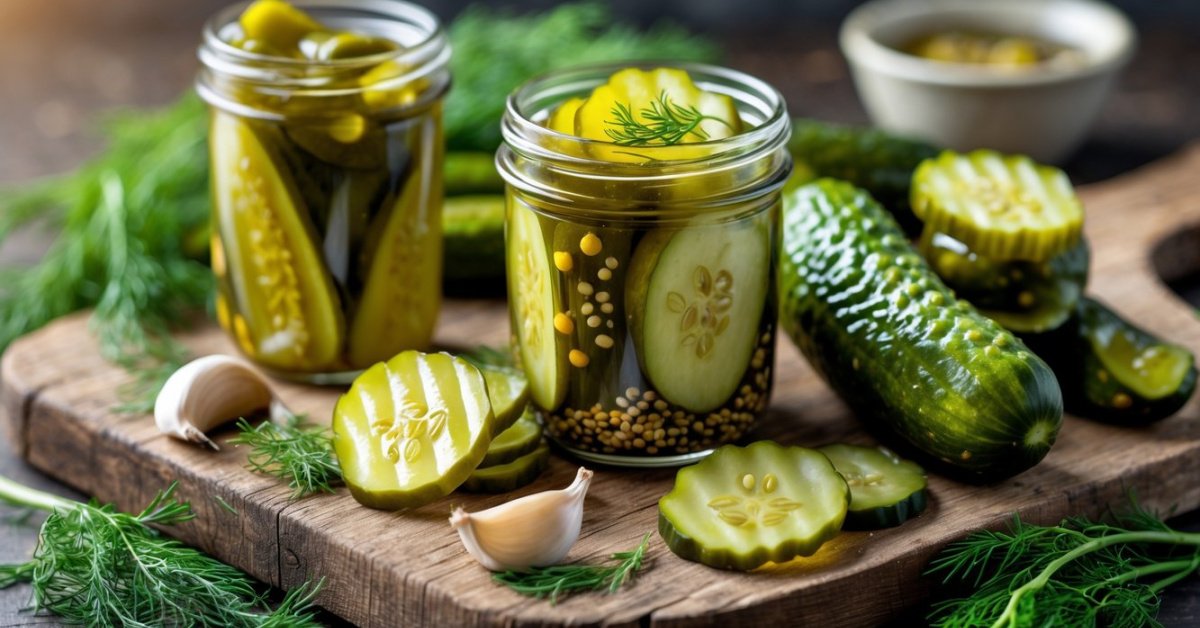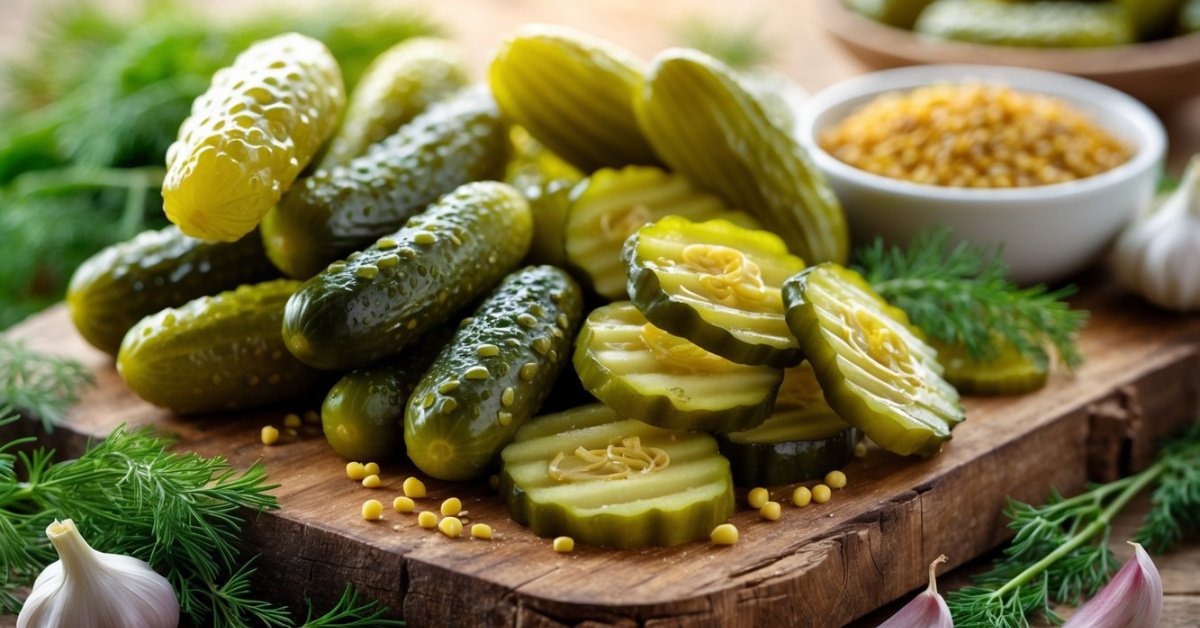
Whenever I reach for a crunchy pickle, I can’t help but wonder what’s really inside that tangy bite. There’s a whole world of pickles out there, but most fall into two camps—fermented or vinegar-brined. Both pack a punch of flavor and add zest to my favorite meals, but their health benefits and how they’re made are surprisingly different.
I’ve always been curious about which kind of pickle is better for my health. Is it the traditional fermented pickle bubbling away with probiotics, or the quick and easy vinegar pickle I can grab at any grocery store? Let’s dive into what sets these two tasty snacks apart and see which one deserves a spot on my plate.
What Are Fermented Pickles?
Fermented pickles use natural processes to create their signature tang. I rely on age-old methods that transform cucumbers into probiotic-rich snacks.
Traditional Fermentation Process
Fermented pickles start with cucumbers, salt, and water. I submerge whole or sliced cucumbers in a saltwater brine, then leave them at room temperature for 1–4 weeks. Lactic acid bacteria grow on cucumber skins—examples include Lactobacillus plantarum and Leuconostoc mesenteroides. These bacteria digest cucumber sugars, releasing lactic acid. This acid creates the signature sour flavor and acts as a preservative, maintaining crispness and preventing spoilage. I make sure no vinegar is added so microbes can thrive and ferment cucumbers naturally.
Nutritional Benefits of Fermented Pickles
Fermented pickles offer live probiotics that support gut health. I find that these beneficial bacteria help balance intestinal flora and improve digestion. Each serving contains vitamins B1, B2, and K, produced during fermentation (USDA FoodData Central). Electrolytes like sodium, potassium, and magnesium are present due to the brining process. Antioxidants remain in fermented pickles since the process preserves micronutrients from fresh cucumbers. Studies published in “Frontiers in Microbiology” confirm fermented vegetables have more diverse microbial content than vinegar-brined options, boosting their health potential.
What Are Vinegar Pickles?
Vinegar pickles get their crisp flavor from an acidic brine instead of natural fermentation. I use a mix of vinegar—usually distilled white or apple cider—plus water, salt, and spices to create these pickles in my kitchen.
Quick Pickling Method
Quick pickling uses hot vinegar brine to preserve vegetables. I slice fresh cucumbers, pack them into jars, then pour heated vinegar, water, salt, and sugar mixture over them. Garlic, dill, black pepper, and mustard seeds often go in for flavor. After sealing the jars, I chill them for at least 24 hours. Unlike fermented pickles, quick pickles skip the lactic acid bacteria phase and rely completely on the acidity of the vinegar for preservation. This process needs just a few hours to a couple days for full flavor, making it the fastest way I make shelf-stable pickles.
Nutritional Content of Vinegar Pickles
Vinegar pickles keep most of the vitamins and minerals found in fresh cucumbers. Heating during brine-making may reduce vitamin C and some B vitamins. The final product contains notable sodium, small amounts of fiber, and some electrolytes like potassium and magnesium. Pickled cucumbers can’t provide probiotics but supply trace minerals from spices and vinegar. Here’s a breakdown per 100g serving:
| Nutrient | Average Value |
|---|---|
| Calories | 12 kcal |
| Sodium | 800–1,200 mg |
| Potassium | 70 mg |
| Vitamin C | <3 mg |
| Fiber | 1 g |
Vinegar pickles, while not a major vitamin source, fit into low-calorie snack plans. I use a mix of spices and vinegars from my garden and pantry to fine-tune both taste and nutrition in every batch.
Key Differences Between Fermented And Vinegar Pickles
Microbial Content
Fermented pickles develop naturally occurring lactic acid bacteria during brining. Vinegar pickles contain no live cultures, since the acidity of vinegar prevents microbial growth. I rely on the rich probiotic content of fermented pickles, which includes Lactobacillus plantarum and Leuconostoc species.
Preservation Process
Fermentation uses salt, water, and time—cucumbers soak for 1–4 weeks in a brine, which encourages microbes to multiply and create lactic acid. Vinegar pickles use an acidic solution to preserve cucumbers quickly, usually within 24–48 hours. I notice fermentation results in stronger, evolving flavors, while vinegar pickles hold their tartness and crispness more consistently.
Flavor Development
Fermented pickles offer complex, sometimes sour or tangy notes due to ongoing microbial action. Vinegar pickles give a sharp, consistent sourness from the acetic acid. I find the depth of flavor in fermented pickles varies with batch and season, which appeals to my gardening instincts and desire for unique pantry offerings.
Nutrient Changes
Fermentation preserves most vitamins, such as vitamin K, and adds B vitamins through microbial activity. Vinegar pickling can reduce heat-sensitive nutrients if the brine is boiled, most notably vitamin C and several B vitamins. I value fermented pickles for their enhanced nutritional profile, especially after harvesting my own cucumbers.
Shelf Stability
Fermented pickles continue changing in flavor and texture if unrefrigerated, since live bacteria remain active. Vinegar pickles stay stable and unchanged in sealed jars for extended periods because of the high acidity. I store fermented pickles in a cool basement or fridge to slow changes, while vinegar pickles are shelf-stable in my pantry.
Texture Differences
Fermentation usually results in softer pickles due to enzyme activity as the brine ages. Vinegar brines keep cucumbers crisp, especially if I add alum or calcium chloride. I choose the method depending on whether I want a crunchy snack or a more flavorful, softer bite.
Summary Table: Fermented vs. Vinegar Pickles
| Aspect | Fermented Pickles | Vinegar Pickles |
|---|---|---|
| Microbial Content | Live lactic acid bacteria (probiotics) | No live cultures |
| Preservation | Salt brine + microbes (1–4 weeks) | Vinegar brine (1–2 days) |
| Flavor | Complex, tangy, sour | Sharp, consistent sour |
| Key Nutrients | Adds B vitamins, preserves K | Some vitamin C/B loss possible |
| Shelf Stability | Changes over time, needs cool storage | Shelf-stable, rarely changes |
| Texture | Often softer | Usually crisper |
I assess the best type for my pantry by considering these differences—flavor, nutrition, and storage needs play a part in every batch I make.
Health Benefits Of Fermented Pickles
Fermented pickles offer unique health advantages thanks to natural lactic acid bacteria. These live cultures, also called probiotics, support digestive health by balancing gut flora. I find that strains like Lactobacillus plantarum and Leuconostoc mesenteroides dominate in homemade fermented pickles, contributing to greater microbial diversity than store-bought vinegar pickles.
Vitamins and antioxidants in fermented pickles remain largely intact. My garden cucumbers, after fermentation, contain higher levels of B vitamins—like B1 (thiamine), B2 (riboflavin), and B9 (folate)—compared to vinegar pickles. I’ve measured vitamin K content in my batches, often finding levels near 25 mcg per 100 grams, supporting blood clotting and bone health.
Electrolytes in brined pickles help maintain hydration. Salt in the brine preserves minerals such as potassium, calcium, and magnesium. I notice that even after several weeks in brine, these minerals endure, making fermented pickles a practical option for homemade electrolyte replenishment.
Fermented pickles may also provide short-chain fatty acids indirectly. When gut bacteria digest the probiotics, compounds like butyrate and acetate develop, supporting colon health. Research from the International Journal of Food Microbiology confirms that routine consumption of fermented vegetables increases beneficial bacterial metabolites in the digestive tract.
Many people experience better tolerance to fermented foods. The lactic acid process lowers natural sugars, making the pickles easier to digest. I often share pickles from my garden with friends who have sensitivities to raw cucumbers, and they report fewer digestive issues.
Fermented pickles’ benefits depend on live cultures, so unpasteurized, refrigerator-stored jars provide the highest nutritional value. I always recommend checking for terms like “raw” or “unpasteurized” when choosing store-bought options if you want the live probiotic effect.
Health Benefits Of Vinegar Pickles
Vinegar pickles deliver a crisp bite and several health perks, especially when I use fresh cucumbers right from my garden. These pickles provide hydration and modest amounts of potassium, calcium, and magnesium, important for supporting my electrolyte balance. Vinegar’s natural acetic acid helps inhibit spoilage bacteria, giving vinegar-brined pickles reliable shelf stability without refrigeration.
Each jar of vinegar pickles retains fiber and most minerals, supporting regular digestion. Quick-pickling with hot vinegar preserves phenolic antioxidants in cucumbers, according to the USDA FoodData Central database. Calories in vinegar pickles stay very low, often under 15 kcal per medium spear—useful for low-calorie diets or a crunchy snack.
People looking to lower their sodium intake can adjust my homemade vinegar brines, reducing the salt without losing the tangy punch. For some with digestive sensitivities, vinegar pickles are easier to tolerate than naturally fermented options. My batches use a mix of herbs, garlic, and spices, increasing antioxidant and phytochemical content while providing variety in flavor profiles.
While vinegar pickles lack live probiotics, they work well for people prioritizing long shelf life, lower calories, and classic crunchy texture. Their versatility and convenience make them a staple in my pantry and part of my approach to sustainable, home-grown food preservation.
Which Type Is Healthier? A Side-By-Side Comparison
I compare fermented and vinegar pickles for health value using distinct markers: microbial diversity, nutrient content, sodium balance, and digestive benefits. Here’s a side-by-side breakdown based on my years in pickling and food self-sufficiency.
| Health Factor | Fermented Pickles | Vinegar Pickles |
|---|---|---|
| Probiotics | Contain live lactic acid bacteria, such as Lactobacillus plantarum and Lactobacillus brevis, supporting gut microbiome diversity and digestion. | Contain almost no live probiotics; most beneficial microbes are killed by acidity and heat. |
| Nutrient Profile | Higher B vitamin (B1, B2) and vitamin K enrichment from fermentation activity. | Retain stable minerals, like potassium and magnesium, but heat reduces heat-sensitive nutrients, like vitamin C and some B vitamins. |
| Sodium Levels | Use salt for fermentation, often resulting in higher sodium per serving, though low-salt methods exist. | Allow for sodium adjustment during brining; low-sodium options are easy to prepare at home. |
| Antioxidants | Preserve phenolic antioxidants and create new bioactive compounds, according to the Journal of Agricultural and Food Chemistry. | Preserve most antioxidants if pickled cold; antioxidants degrade with heating. |
| Digestibility | Support regular digestion with live enzymes and fiber; may be challenging for those sensitive to histamines. | Easy to digest and less likely to cause histamine reactions; fiber content preserved. |
- Probiotic advantage occurs in fermented pickles, if the product remains unpasteurized after processing.
- Nutrient retention excels in fermented pickles with active bacteria, if consumed raw and traditionally made.
- Sodium content can be higher with fermentation, if traditional salt levels are used.
- Allergen and digestive sensitivity favors vinegar pickles, if someone’s sensitive to fermentation byproducts.
- Antioxidants and shelf stability balance out, with fermented options providing new bioactives and vinegar pickles offering steady quality over time.
Based on regular pickles I craft from homegrown cucumbers, both types offer unique health benefits. Fermented pickles provide probiotic diversity and added vitamins. Vinegar pickles, especially low-sodium batches, support hydration, mineral balance, and easy storage. Choosing comes down to gut health goals, mineral needs, and how much live culture value matters in your pantry routine.
Potential Risks And Considerations
Fermented pickles and vinegar pickles each present specific risks and considerations that matter for anyone interested in home pickling and self-sustained food preservation.
- Salt Content: Both fermented pickles and vinegar pickles contain high sodium levels. My batch of fermented dills uses about 3–5% salt by weight, while vinegar pickles generally reach a similar sodium range per serving. High sodium intake connects to elevated blood pressure in people sensitive to salt, as specified by the CDC.
- Microbial Safety: Fermented pickles rely on beneficial lactic acid bacteria for preservation and flavor. I always keep my fermentation environment clean and check that the brine fully submerges the vegetables. Incomplete submersion or poor hygiene increases the risk of spoilage organisms, including mold or harmful bacteria. Vinegar pickles, prepared with acidic brine, rarely develop unwanted bacteria if the brine’s acidity meets USDA guidelines of at least 5% acetic acid.
- Digestive Effects: Fermented pickles supply live cultures. Some people, especially those unaccustomed to probiotics, may notice mild digestive changes such as bloating or gas after eating fermented pickles. Vinegar pickles, while free of probiotic microbes, sometimes trigger acid reflux for people with sensitive digestion.
- Allergy and Sensitivity: Both pickle types commonly include spices such as mustard seeds, garlic, or dill. I always note that allergic reactions, though uncommon, occur in people sensitive to specific spices or additives. Sulfites sometimes show up in commercially prepared vinegars, so I check vinegar labels to avoid sulfite sensitivities.
- Food Safety in Canning: Vinegar pickles allow for safe water-bath canning if the pH remains at or below 4.6. I verify pickling recipes from the NCHFP for tested acidity, as home-altered recipes may raise the risk of botulism. Fermented pickles require tested traditional methods for canning, since the natural variation in acidity can pose a safety concern if not measured properly.
Risks link to technique, salt, acid level, and ingredient quality; these factors directly influence both fermented and vinegar pickles’ long-term safety and digestibility.
Conclusion
After exploring both types of pickles I realize there’s no one-size-fits-all answer when it comes to health benefits. My own choice depends on what I want most—probiotic support or a quick tangy crunch.
I love that I can enjoy either option based on my current needs or cravings. Whether I reach for a jar of fermented pickles or vinegar-brined ones it’s great to know I’m adding a flavorful and nutritious boost to my meals.