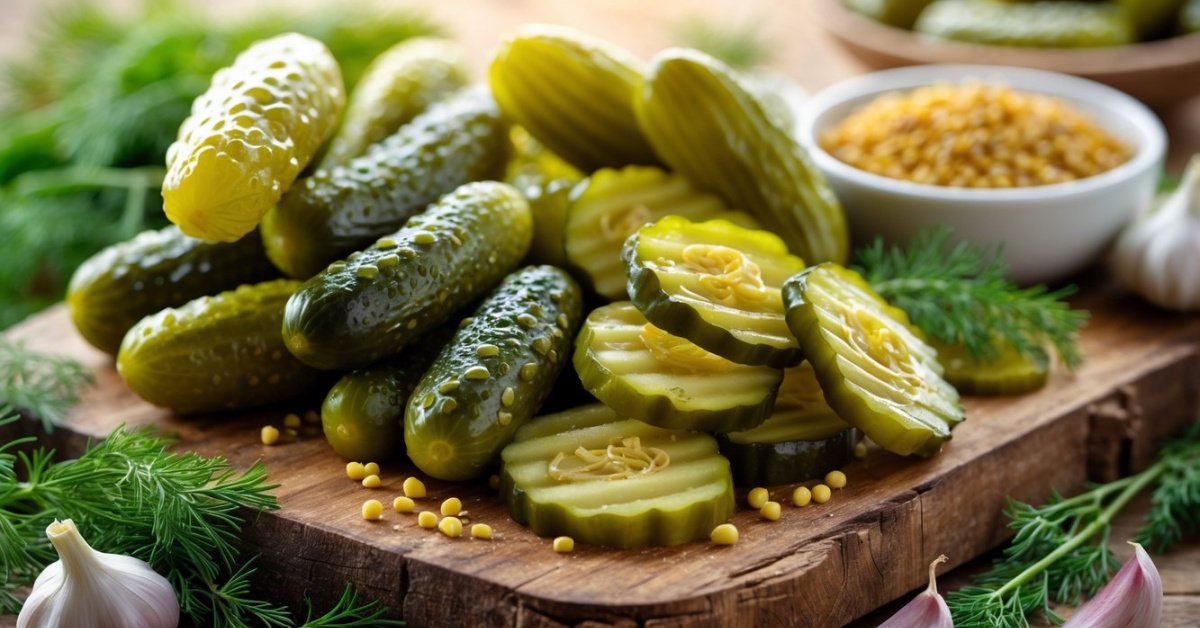
I’ve always loved the tangy crunch of a good pickle, but I never imagined just how many people around the world share my passion. From bustling street fairs in India to quirky celebrations in small-town America, pickle festivals have popped up in the most unexpected places. These lively gatherings aren’t just about food—they’re a unique blend of tradition, community, and a bit of friendly competition.
Every country seems to have its own spin on honoring pickles, with recipes and rituals passed down through generations. I can’t help but be fascinated by how a simple preserved vegetable has inspired so many cultures to come together and celebrate. Let’s take a quick journey through the surprising and delightful history of pickle festivals around the globe.
Origins of Pickle Festivals
Early pickle festivals date back centuries, rooted in the harvest celebrations of agrarian societies. Ancient communities in Mesopotamia, Greece, and India held gatherings around seasonal bounty, pickling surplus cucumbers, mangoes, and cabbages to extend their shelf life. I find these origins tie directly to my passion for gardening and food preservation, as pickling methods allowed families to enjoy garden harvests year-round.
Cultural rituals shaped early pickle festivities. Indian villages organized “achar melas,” which featured public tastings and exchanges of spiced pickles made from regional produce like lime, chili, and carrot. In Eastern Europe, fall harvest festivals highlighted sour dills and sauerkraut, with towns in Poland and Hungary arranging pickling contests and parades. Here in the US, early settlers adapted these customs, especially during autumn fairs where homemade pickles were judged and bartered alongside other preserves.
Traditional pickle festivals often featured communal elements including recipe sharing, fermentation demonstrations, and folk songs celebrating preservation skills. Community cohesion strengthened as families exchanged techniques for lacto-fermentation or vinegar brining, important skills for self-sustainability before the advent of refrigeration. These communal practices remain integral to modern pickle festivals I attend, where there’s a vibrant exchange of heirloom recipes and growing advice from passionate picklers like me.
Earliest records show pickle festivals thrived wherever pickling provided a key method of food security and cultural identity. I see their continuation as a testament to the enduring social bonds forged through shared food traditions and a mutual respect for self-sustained lifestyles.
Early Pickle Celebrations Around the World
Pickle festivals didn’t start as commercial events—they grew from ancient harvest celebrations where preservation marked survival and gratitude. These gatherings shaped how communities used pickling as both a tradition and a means of sustainable living.
Ancient Traditions and Regional Variations
Early pickle celebrations reflect diverse gardening and food cultures. In India, I’ve seen achar melas where families bring their best mango, lemon, or mixed pickles for tastings. In Eastern Europe, my research highlights towns like Znojmo, Czechia, with cucumber festivals linked to Orthodox feasts. In Korea, kimjang festivals signal kimchi-making season, connecting neighbors through communal labor. Middle Eastern regions held olive and cucumber pickling events during harvest. Each celebration included contests, rituals, and story exchanges, helping families adapt recipes for their climates and available crops.
Influence of Preservation Methods on Festivities
Preservation techniques deeply impacted festival customs. Communities using salt brining, like in Poland or Russia, marked autumn with tastings of sour pickles, letting people compare lacto-fermentation outcomes. Vinegar-pickling, more common in Western Europe and North America, shaped events around the tang and variety of vegetables from summer gardens. In places where sun-drying or oil-cured pickling dominated, such as Iran and Southern Italy, festivals coincided with peak sun or olive oil harvests. These preservation styles made every regional festival distinct, highlighting sustainability practices before refrigeration entered daily life.
Expansion and Popularity in the 20th Century
Pickle festivals reached new heights in the 20th century as urbanization and modern transportation spread culinary culture further than ever before. I noticed festivals multiplying and traditions blending as pickled foods began representing not just preservation but also community pride.
Growth in Europe and North America
Pickle festivals flourished in Europe and North America during the 20th century. In Poland, thousands gathered for Ogórki Day in Kiszkowo, centered on sour and barrel-aged pickles. Germany’s Spreewald region drew crowds to its annual Gurkenfest, with locals showcasing unique gherkin varieties and fermenting methods. By the 1930s, American towns like Winchester, Indiana, and Rosendale, New York, hosted large pickle festivals attracting farmers, home canners, and visitors eager to taste award-winning recipes. I watched as gardening shows, recipe swaps, and competitive tastings became festival staples, reflecting the region’s immigrant influences and agricultural revival.
Cultural Exchange and Festival Evolution
Cultural exchange and festival evolution transformed pickle celebrations after the mid-20th century. As communities became more diverse, Japanese tsukemono, Korean kimchi, and Indian achars found new appreciation at international pickle festivals in cities like New York and Toronto. For example, the Lower East Side Pickle Day in Manhattan united hundreds of vendors from different heritages, introducing kimchi pancakes, achar-spiced chutneys, and classic kosher dills into one vibrant event. I found collaborations between chefs, farmers, and cultural organizations helped expand the spectrum of pickled foods on offer, creating fusion recipes and new rituals. Global communication enabled me and others to swap fermentation secrets, compare heirloom cucumber strains, and build self-sustaining food networks rooted in respect for tradition.
Modern-Day Pickle Festivals Across Continents
Modern pickle festivals now span continents, reflecting global enthusiasm for pickles, pickling, and gardening. I witness how these events connect urban food lovers, home gardeners, and culinary adventurers through shared traditions and inventive new customs.
Unique Customs and Activities
Festival organizers incorporate communal tables for tasting pickles side-by-side, often inviting participants to bring their homemade jars. I see competitive pickling contests at events in the US, South Korea, and Poland—entries judged by tang, crunch, and creativity. Workshops teach attendees brining, fermenting, and vinegar pickling techniques using seasonal produce from local gardens. Pickle parades and pickle-eating contests, like those in Texas and Lithuania, draw large crowds, many dressed in themed costumes. Children’s areas often offer quick-pickle demonstrations, encouraging families to try home pickling.
Notable Global Pickle Festivals
| Festival Name | Location | Key Features |
|---|---|---|
| International Pickle Festival | Rosendale, NY, USA | 75+ vendors, regional pickles, garden produce competitions |
| Lower East Side Pickle Day | New York City, USA | Street festival, global pickles, chef demos |
| Achar Utsav | Hyderabad, India | Traditional achar stalls, cooking demos, heirloom vegetables |
| Gurkenfest | Spreewald, Germany | Gherkin tastings, pickling workshops, cucumber harvesting |
| Kimjang Festival | Seoul, South Korea | Community kimchi making, gardening talks, fermented foods |
| Picklefest | Atkins, Arkansas, USA | Pickle eating, recipe swap, cucumber races |
| Ogórki Day | Stara Łubianka, Poland | Local ogórki (cucumber) pickles, folk music, farming displays |
Festival participants share gardening tips and food preservation skills, highlighting the continued importance of self-sustainable food practices. Event planners often include educational booths led by expert picklers like me, demonstrating the latest trends in fermentation and home canning. Every region infuses local crops, spices, and traditions, making each festival a reflection of its unique food culture.
The Cultural Impact of Pickle Festivals
Pickle festivals influence communities and popular culture beyond food. I see their reach in local economies, neighborhood traditions, and even media representations.
Community Involvement and Economic Significance
Pickle festivals support community bonds and stimulate local economies. Event organizers invite residents, artisans, and growers to participate, fostering local pride and collaboration. Volunteers coordinate contests and workshops, and small-scale farmers sell cucumbers, cabbages, radishes, and other fresh produce. Local markets see increased foot traffic and sales, especially for homemade pickles and canning supplies.
Vendors at major festivals, like the International Pickle Festival in Rosendale, New York, report attendance spikes of up to 5,000 ticketed visitors (Rosendale Chamber of Commerce, 2022). Regional events in India, such as Mumbai’s Achar Mela, feature home-based producers who form cooperatives to meet festival demand, strengthening small business networks.
Many attendees join recipe exchanges, gardening workshops, and fermentation demonstrations—practical sessions that extend knowledge on food preservation and edible gardening. I find young gardeners, families, and seasoned picklers sharing strategies, from composting cucumber peels to proper salt ratios for lacto-fermentation. Economic benefits become evident when local pickle businesses secure wholesale deals or restaurants add specialty brines to menus following festival exposure.
| Festival & Location | Typical Attendance | Main Economic Activities |
|---|---|---|
| International Pickle Festival, NY | 5,000+ | Vendor sales, product launches, workshops |
| Achar Mela, Mumbai | 10,000+ | Homemade pickle sales, small producer booths |
| Ogórki Day, Poland | 2,000–3,000 | Farmers’ market sales, canning supply market |
| Gurkenfest, Germany | 4,000–6,000 | Pickle tastings, gardening tool retailers |
Pickle Festivals in Contemporary Pop Culture
Pickle festivals appear in television, social media, food magazines, and culinary competitions. Episodes from series like “Chef’s Table” and Food Network’s festival coverage document iconic pickle contests, highlighting their colorful entries and creative brining methods. Festival hashtags, including #picklefest and #brinebattle, trend on platforms such as Instagram and TikTok every year in July and November, as people share recipes and event highlights.
Modern celebrity chefs—examples include Vivian Howard and Brad Leone—feature pickle festival segments in cooking shows, demonstrating techniques passed down through generations. Regional festivals attract travel bloggers and influencers, who document tasting challenges and unusual pickled ingredients, such as pickled watermelon rind or spicy daikon, exposing wider audiences to traditional skills and joyful community spirit.
Pickle-themed fashion, art installations, and even music acts surface at major festivals. Merchandise, from pickle hats to enamel pins, appears in pop-up shops. School art contests and youth events co-located with festivals support the intergenerational transfer of pickling know-how and local heritage, connecting daily gardening with sustainable living.
Conclusion
Exploring the world of pickle festivals has truly deepened my appreciation for how food connects us all. I’m amazed at the creativity and warmth these gatherings inspire whether it’s a small-town celebration or a bustling city event.
Every time I see people come together over jars of pickles I’m reminded that traditions can be both delicious and meaningful. There’s something special about sharing recipes stories and laughter that keeps these festivals thriving year after year.