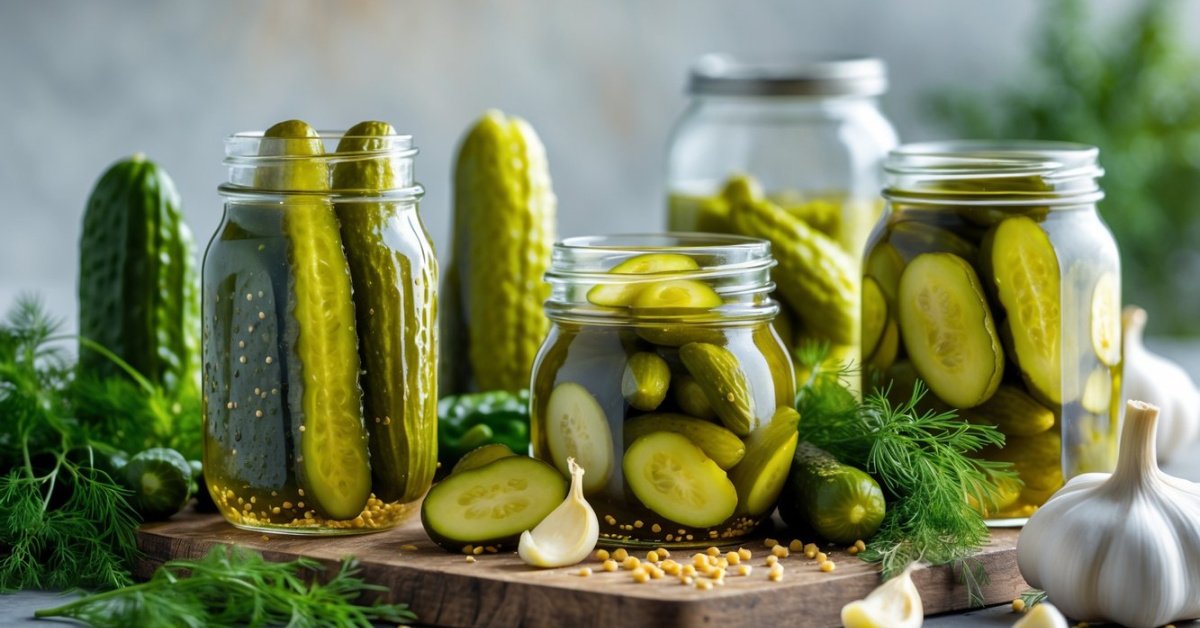
When I want something quick and satisfying for lunch I always reach for a classic tuna salad sandwich. But lately I’ve been craving a little extra crunch and tang in every bite. That’s where pickles come in—they take the humble tuna salad to a whole new level.
There’s just something about the combination of creamy tuna and zesty pickles that makes this sandwich irresistible. It’s the kind of meal that feels both nostalgic and fresh at the same time. If you’re looking to shake up your lunch routine with a twist on a favorite this recipe is about to become your go-to.
Overview of the Pickle and Tuna Salad Sandwich Recipe
Pickle and tuna salad sandwich recipes use crisp pickles, flaked tuna, and creamy dressing for balanced flavor and texture. I always choose homemade pickles from my garden since they’re reliably crunchy and packed with bright vinegar notes. Basic tuna salad recipes blend light tuna, mayonnaise, diced celery, and sometimes red onion for the base. When I add chopped pickles, I boost acidity, depth, and snap with briny complexity—dill pickles or bread and butter varieties both work.
Sandwiches hold flavor better on hearty bread slices like sourdough or whole wheat; these prevent sogginess and let the filling shine. Garden lettuce, sliced tomatoes, or extra herbs (like chives from my backyard) lift the freshness. I prefer assembling just before eating to keep every layer crisp.
For anyone exploring pickling, this recipe demonstrates how simple pickled vegetables enhance everyday meals. Using homegrown or store-bought pickles yields bright tang, proving pickles’ versatility beyond a basic side.
Key Ingredients and Substitutions
Every element in a pickle and tuna salad sandwich shapes its flavor, texture, and nutritional profile. I rely on garden-grown vegetables and hand-packed pickles, but plenty of store-bought and home-prepped alternatives work if supplies run low.
Essential Ingredients
- Tuna
Flaked light tuna in water delivers a lean texture and clean flavor. I prefer line-caught or U.S.-sourced brands for sustainability. Oil-packed tuna adds richness if excess moisture isn’t a concern.
- Pickles
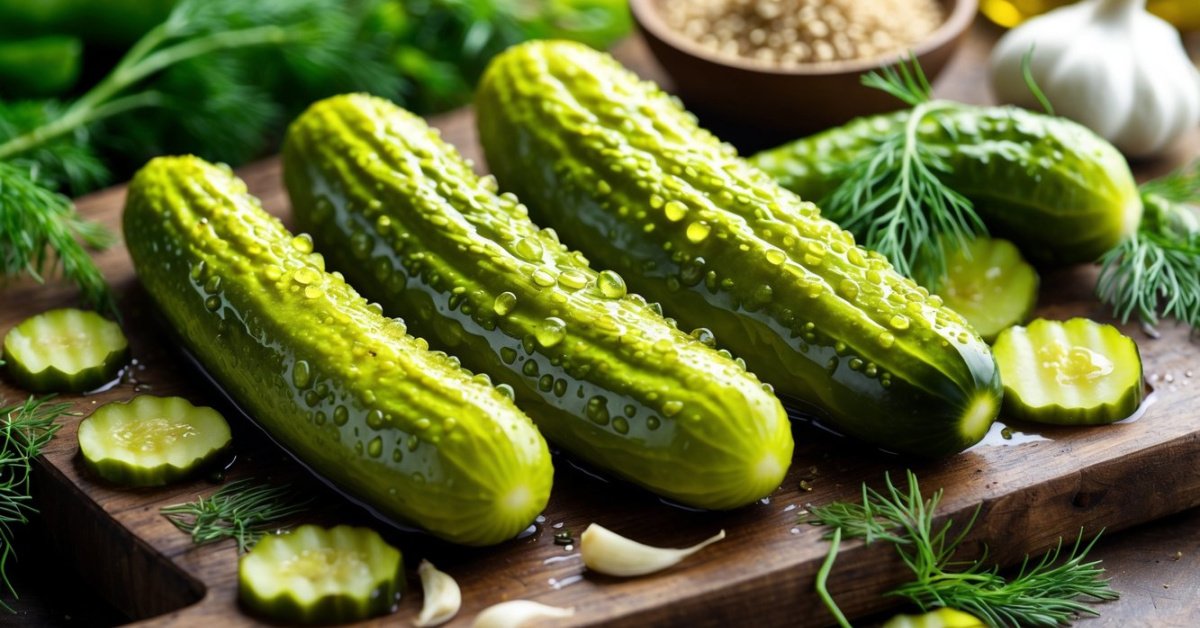
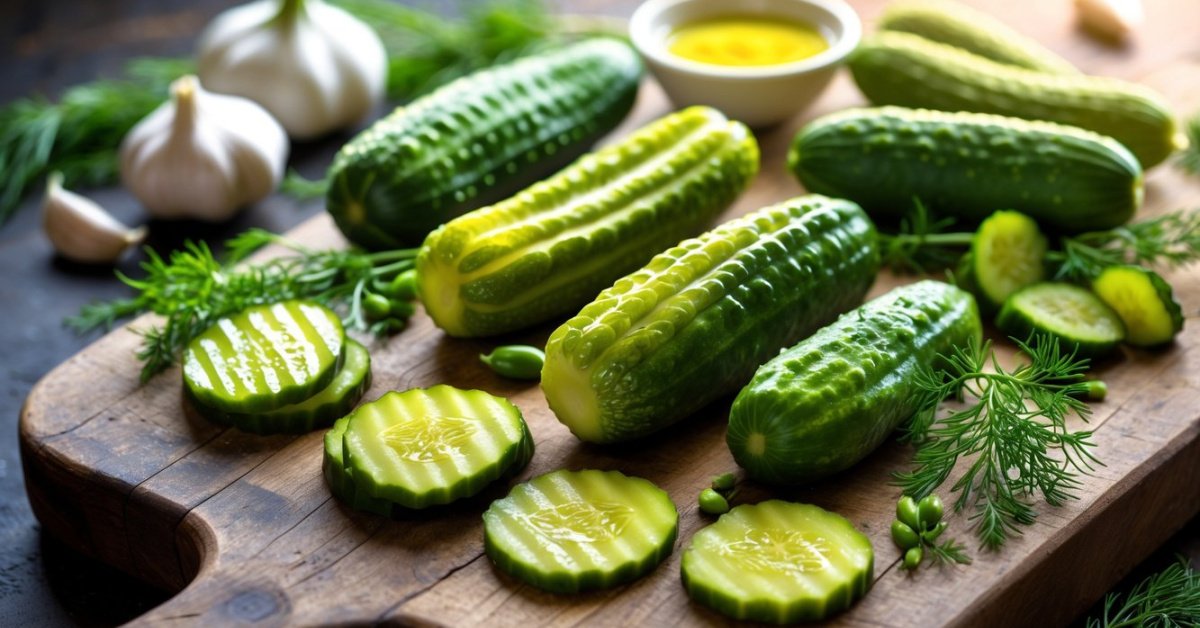
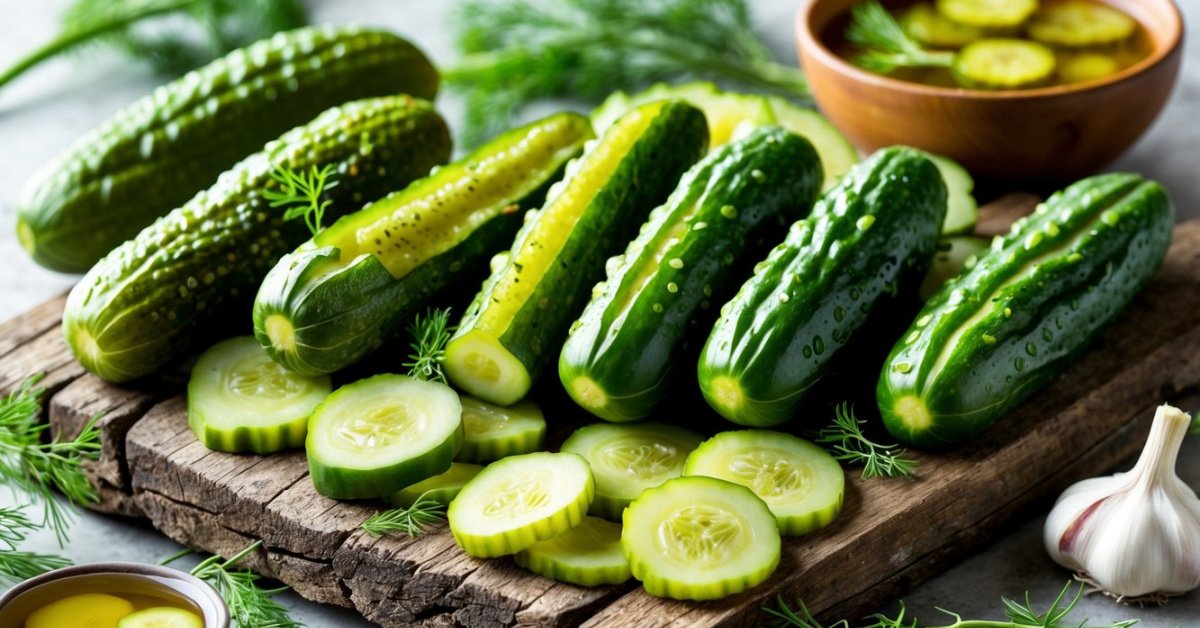
Diced dill pickles give this salad its signature tang and crunch. I use my small-batch, garlic-brined cucumber pickles; bread-and-butter or spicy varieties create new flavor notes. In their absence, chopped cornichons or even quick-pickled garden veggies substitute well.
- Mayonnaise
Full-fat mayo holds the salad together and softens sharper pickle acids. Greek yogurt or mashed avocado create lighter, creamy bases if wanted. I often blend in a teaspoon of my homemade pickle brine for extra zip.
- Celery and Red Onion
Crisp celery and finely diced red onion add sharpness and snap. Homegrown scallions or shallots work if red onion isn’t on hand.
- Bread
Thick-sliced sourdough or multigrain supports the fillings without turning soggy. Toasted rye complements deeply brined pickles. I sometimes bake my own loaves from scratch with flour milled from heritage grains in my pantry.
- Fresh Additions
Homegrown lettuce and tomato provide juiciness and balance. Snipped parsley or dill from my herb bed lifts the flavor.
Optional Add-Ins and Variations
- Eggs
Chopped hard-boiled eggs enrich the texture and boost protein—my hens’ eggs offer unmatched freshness.
- Mustard
Stone-ground or Dijon mustard cuts through the creaminess, and a dab of my homemade spicy brown mustard changes the character.
- Other Pickled Vegetables
Chopped pickled carrots, beets, or cauliflower bring color and extra tang when classic pickles run out.
- Cheese
Slices of sharp cheddar or provolone melt easily if I griddle the sandwich.
- Herbs and Spices
Fresh tarragon, chives, or a sprinkle of cracked black pepper tailor each batch. Dried dill seeds, saved from last year’s flowers, fit right in.
- Yogurt or Sour Cream
Plain yogurt or sour cream stretches the dressing and adds a slight tang if mayo feels too heavy.
Step-By-Step Preparation Guide
Crafting a balanced pickle and tuna salad sandwich takes a few precise steps. I use the freshest homemade pickles and garden produce for peak crunch and flavor.
Preparing the Tuna Salad Mixture
Flaking tuna thoroughly with a fork gives a light, even base before I start mixing. I add chopped dill pickles from my own brine—about 2 tablespoons per 5-ounce can—so each bite bursts with tang and crunch. I spoon in creamy mayo until the mixture binds without losing its flakiness; for lighter batches, I swap in thick Greek yogurt or mashed avocado. Finely diced celery and red onion go in next for extra bite and moisture. I always balance creaminess and acidity by stirring in a teaspoon of pickle juice from my latest jar. Fresh chopped garden herbs like dill or parsley round out the mixture, while a pinch of cracked black pepper finishes it.
Assembling the Sandwich
Laying out thick slices of homemade sourdough or dense whole wheat prevents sogginess under the juicy filling. I line each bread base with crisp garden lettuce or baby spinach, then evenly mound a generous scoop of the tuna salad on top. Sliced summer tomatoes or thin cucumber pickles from last season add extra crunch and brightness. If I have hard-boiled eggs or pickled peppers on hand, I layer those too for richness and tang. Topping with the second bread slice, I press firmly to hold the stack together, slice, and serve while the greens are still snappy. Each element in my sandwich comes straight from my garden and pantry, keeping flavor and sustainability at the heart of every bite.
Taste and Texture Review
Pickle and tuna salad sandwiches stand out for balanced flavor and satisfying texture. These qualities depend on the right choice of pickles and garden-fresh produce.
Flavor Profile
Bright, tangy notes from homemade dill pickles lead the flavor, with vinegar brine lifting the mild tuna and creamy dressing. Fresh, crunchy pickles (for example, Kirby or Persian cucumbers I cure myself) add acidity that balances mayonnaise richness and binds celery and onion sharpness. Garden herbs like dill, parsley, or chives accent each bite with subtle savor. Sourdough or multigrain bread delivers deeper, rustic flavor and holds up to the moist salad, making every mouthful complete.
Texture and Mouthfeel
Firm, flaked tuna forms a soft base, while diced pickles and crisp celery (harvested straight from my garden) deliver crunch. Thin-sliced onions integrate well, adding mild bite without overpowering the creamy elements. Moisture from pickles and fresh tomatoes keeps the sandwich succulent, though never soggy if assembled just before eating. Thick slices of robust bread stay sturdy under the weight of salad and vegetables. Each bite brings cool, creamy salad, sharp pickle snap, and hearty chew for a refreshing, layered eating experience.
Serving Suggestions and Pairings
A pickle and tuna salad sandwich offers a balanced canvas for thoughtful accompaniments. I like to highlight my favorite pairings that complement the crisp pickles and tangy, creamy filling:
- Soups: I serve garden tomato soup or cool cucumber-dill soup alongside to echo the fresh, acidic notes in the sandwich.
- Salads: I pair with fiber-rich sides like shaved radish and arugula salad, pickled beet slaw, or quick-pickled green beans to support the pickling theme and supply color.
- Chips and Pickles: I layer kettle-cooked potato chips or baked pita chips on the side, plus a trio of my latest homemade pickles—spicy carrot sticks, sweet bread-and-butter slices, and fermented garlic dills—so each bite has a unique crunch and tang.
- Beverages: I pour homemade kombucha, herbal iced tea with fresh herbs, or sparkling mineral water with cucumber slices to refresh the palate and elevate the picnic feel.
- Add-ons: I occasionally top the sandwich with a fried egg or roasted sweet peppers, drawing on my garden harvest for seasonal creativity.
My focus on pairing items that use homegrown or homemade produce means each meal feels rooted and resourceful. Sharing a meal built on my pickling and gardening brings the experience full circle—from soil to table—while reinforcing sustainability and flavor variety.
Nutrition and Health Considerations
Pickle and tuna salad sandwiches deliver balanced nutrition when prepared with wholesome ingredients. I choose light tuna in water since it’s naturally lean, with 22g protein and 1g fat per 3oz serving (USDA). Homemade dill pickles contribute negligible calories, but provide electrolytes like sodium—typically 250mg to 400mg per spear, depending on brine strength. Fresh vegetables like celery and red onion add fiber, vitamins, and crunch without extra sodium or fat.
Bread selection directly affects nutrition. I use thick-cut whole wheat or multigrain from my garden’s grain, yielding 3g fiber and 5g protein per slice, plus sustained energy from complex carbs. Classic mayonnaise brings flavor and richness, but for a lighter salad I often substitute my home-cultured yogurt or mashed avocado which reduces saturated fat and increases micronutrients like potassium and calcium.
I favor adding pickled vegetables beyond cucumbers. Pickled carrots, beets, and even green beans from my root cellar introduce antioxidants and trace minerals. These homemade varieties stay free of artificial preservatives or added sugars, which commercial pickles may contain.
Tuna sources matter for health and sustainability. I select skipjack or pole-caught albacore, since large species sometimes have higher mercury levels (FDA). Protein, omega-3s, and key minerals like selenium support a healthy diet and complement homegrown leafy greens on the sandwich.
Garden herbs and crisp produce boost micronutrient content and flavor. By using fresh dill, parsley, and green onions, I increase vitamin K, C, and folate, all while enhancing the overall freshness of the sandwich.
I track sodium and fat content, especially when serving others. For lower sodium, I rinse canned tuna or control salt levels in my brine recipe. For lower fat, I adjust the ratio of mayo to yogurt or use homemade pickled eggs for added creaminess. These small changes let me enjoy pickle and tuna salad sandwiches that stay aligned with my sustainability and wellness goals.
| Ingredient | Key Nutrients | Typical Values (Per Serving) |
|---|---|---|
| Light Tuna (3oz) | Protein, Omega-3, Selenium | 22g protein, 1g fat, 0g carb |
| Homemade Pickles | Sodium, Electrolytes | 250-400mg sodium |
| Whole Wheat Bread | Fiber, Protein, B Vitamins | 3g fiber, 5g protein (per slice) |
| Mayonnaise (1 tbsp) | Fat, Vitamin E, K | 10g fat, 90 calories |
| Greek Yogurt (alt) | Protein, Calcium, Probiotic | 5g protein, 60 calories |
| Garden Veggies | Fiber, Vitamin C, Folate | Varies, low calorie |
My approach to the pickle and tuna salad sandwich emphasizes freshness, nutrient density, and low waste. By growing, pickling, and crafting every component, I create a sandwich that sustains both body and land.
Conclusion
There’s something so satisfying about transforming simple pantry staples and garden-fresh produce into a meal that feels both nostalgic and new. I love how a few crisp pickles can brighten up the humble tuna salad sandwich and turn it into something truly special.
Whether you’re packing lunch for work or planning a picnic, this recipe always hits the spot. I hope you’ll give it a try and maybe even put your own spin on it. Happy sandwich making!