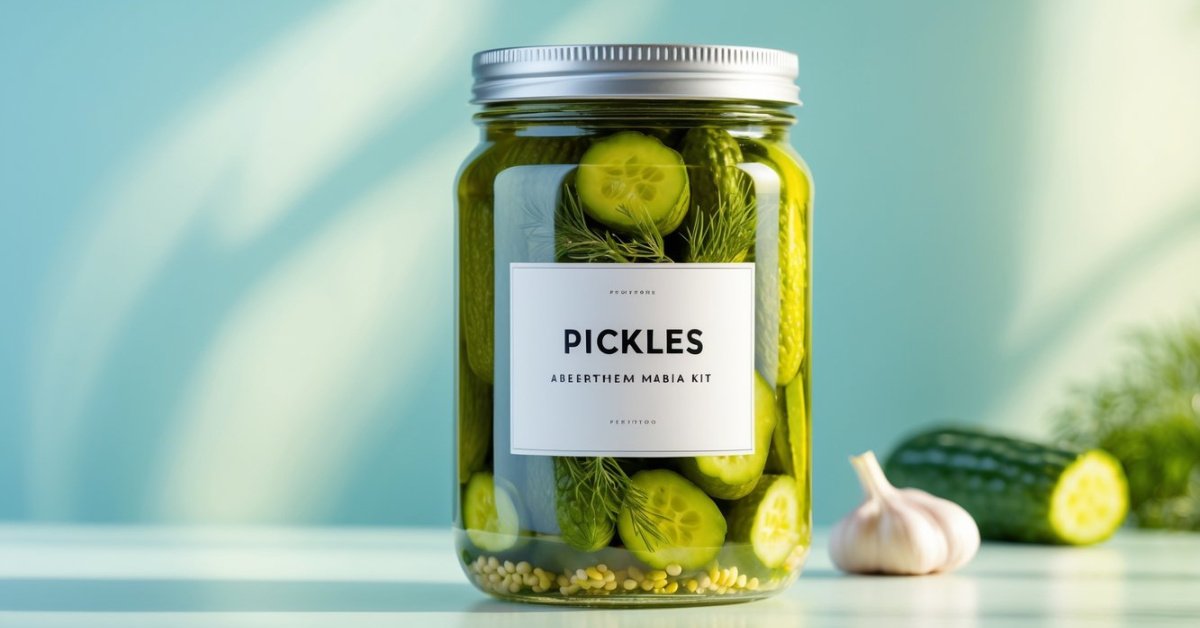
Whenever I’m looking for a crunchy snack that won’t wreck my calorie count pickles always catch my eye. There’s something about their tangy flavor and satisfying bite that makes them hard to resist. But lately I’ve wondered if these briny treats really have a place in a weight loss plan or if it’s just wishful thinking.
I’ve seen plenty of claims online about pickles being a secret weapon for shedding pounds. Some people swear by their appetite-suppressing powers while others warn about hidden pitfalls. So what’s the real story? I decided to dig into the facts behind pickles and weight loss to find out if they’re truly a diet-friendly snack or just another food myth.
What Are Pickles?
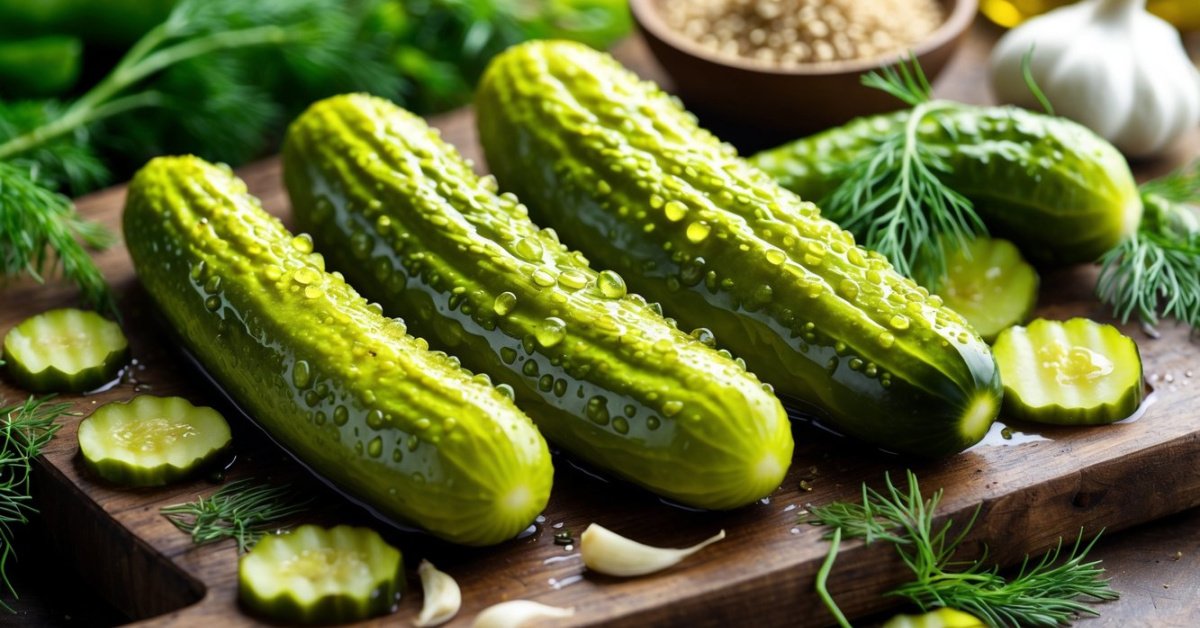
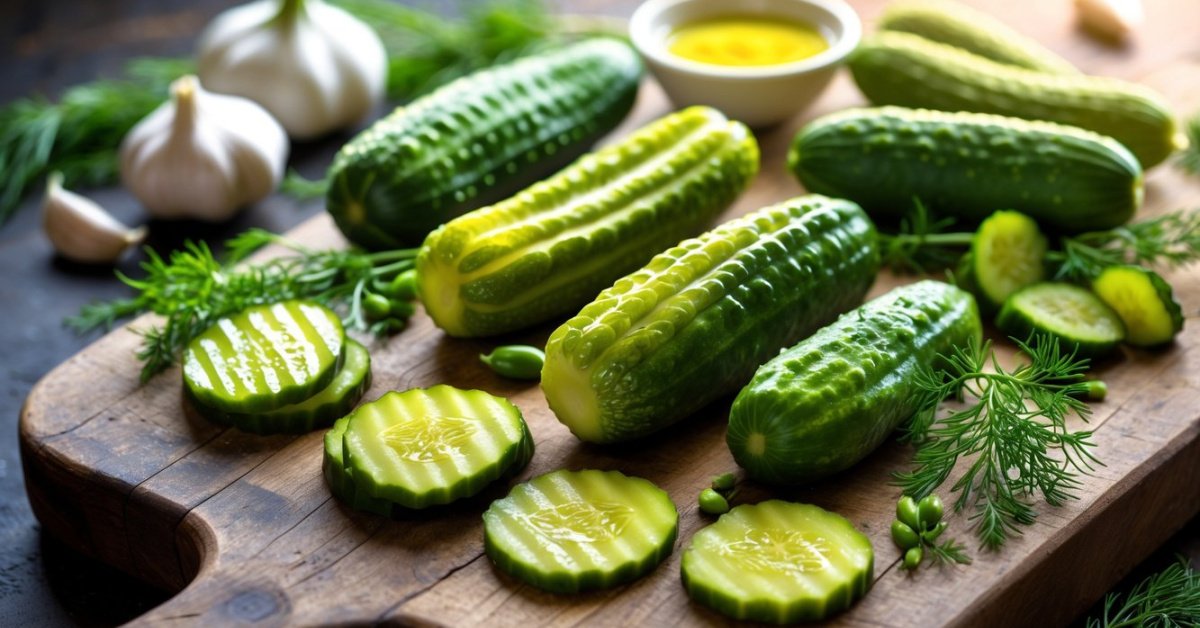
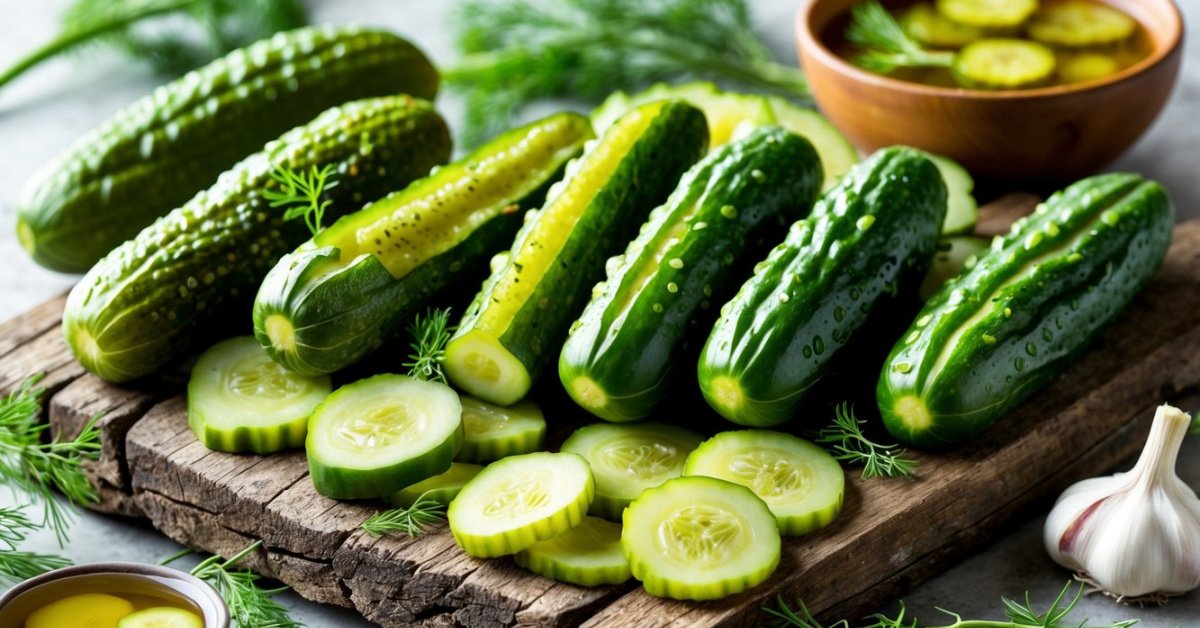
Pickles are vegetables or fruits, like cucumbers and green beans, that I’ve preserved in solutions of vinegar or brine. These acidic or salty liquids encourage fermentation or act to keep foods shelf-stable for months. Most pickles in stores use vinegar-based brines for quick preservation, while traditional recipes favor lactic acid fermentation, which lets good bacteria, like Lactobacillus, develop naturally.
I prepare pickles by combining garden-grown produce with salt, vinegar, spices, or herbs such as dill, garlic, and mustard seeds. The pickling process not only transforms texture and flavor but also changes the food’s nutritional profile. Fermented pickles, for example, contain probiotics.
Pickles appear in many global cuisines, featuring signature tastes and preservation styles. These range from Korean kimchi to Indian achar and classic American dill cucumber spears. By pickling, I’ve found ways to reduce food waste and enjoy seasonal produce year-round while customizing each batch for unique tang, spice, or crunch.
Nutritional Profile Of Pickles
As a passionate pickler and gardener, I always look at the nutritional makeup of each batch. Pickles offer unique nutrients thanks to both their base ingredients and the preservation methods used.
Calories And Macronutrients
Calories in pickles stay low because I use mostly non-starchy vegetables like cucumbers, carrots, or green beans. A typical dill pickle spear contains around 5 calories, based on USDA data. Carbohydrates rarely go above 2 grams per spear, fat content remains negligible unless oil is added, and protein sits under 1 gram per serving. These values make pickles a light snack, especially compared with energy-dense processed foods.
| Pickle Type | Calories (per spear) | Carbs (g) | Protein (g) | Fat (g) |
|---|---|---|---|---|
| Dill (cucumber) spear | 5 | 1–2 | <1 | 0 |
| Bread-and-butter spear | 20 | 4–5 | <1 | 0 |
Vitamins, Minerals, And Probiotics
Vitamins and minerals in pickles come mainly from the base vegetable and pickling brine. My pickles offer vitamin K, vital for blood health, and trace B vitamins. Sodium often jumps above 250 mg per spear due to salt, so I always advise moderate intake. Minerals like potassium and calcium appear in small amounts, especially in pickles made from homegrown produce.
Probiotics flourish in fermented pickles—like classic half-sours—thanks to lactic acid bacteria. These beneficial microbes don’t survive in vinegar-brined pickles, so only naturally fermented varieties offer gut health support, as confirmed in scientific reviews (e.g., Frontiers in Microbiology 2019).
Nutritional profiles vary with the recipe, batch, and vegetable type, and I always select homegrown produce for better aroma, flavor, and nutrient content.
Do Pickles Aid Weight Loss?
Pickles appear often in diet conversations, especially among people aiming for low-calorie snacks or digestive benefits. I’ve spent years pickling homegrown produce, so my insights draw from both tradition and current research.
Low-Calorie Snacking Potential
Pickles provide a low-calorie option for snacking. One spear, like my favorite garden dill, has about 5 calories with no fat or added sugar. I find them handy for curbing cravings between meals without adding bulk to daily calorie counts. Many dieters use pickles—dill, garlic, or spicy—as substitutes for higher-calorie munchies like chips or crackers.
Appetite Suppression And Satiety
Pickles sometimes help me feel fuller thanks to their crunch, high water content, and sharp acidic flavor. Research links acidic foods, such as fermented pickled cucumbers, to a temporary drop in appetite due to slowed stomach emptying and stimulation of satiety signals (Appetite, 2014). When I add a pickled treat to meals, I often eat less because the flavor intensity satisfies my senses.
Gut Health And Metabolism
Fermented pickles from my crocks contain natural probiotics, like Lactobacillus, which support the gut microbiome. A balanced gut flora, as shown in recent studies (Nutrients, 2022), correlates with better metabolism and, in some cases, helps regulate weight by improving nutrient absorption and reducing inflammation. Non-fermented, vinegar-packed pickles don’t offer those same microbial benefits but still suit low-calorie diets. I focus on fermentation for the strongest link between pickling, gut health, and potential metabolic improvements.
Common Misconceptions About Pickles
- Pickles Melt Fat Directly
I often hear claims that eating pickles burns body fat on its own. No compound in pickles directly increases fat oxidation. Weight loss depends on maintaining a calorie deficit rather than targeting foods like pickles for “fat burning.”
- Low Calorie Means Unlimited Snacking
Pickles contain very few calories—5 per spear on average—but they’re high in sodium. Eating large amounts, for example, a whole jar daily, increases sodium intake far above American Heart Association recommendations of 1,500 mg per day, which may impact blood pressure.
- All Pickles Are Fermented and Probiotic-Rich
Not every pickle provides probiotics. Only naturally fermented pickles, like those brined with saltwater and allowed to develop natural lactic acid bacteria, contain gut-friendly microbes. Most store-bought shelf-stable pickles use vinegar and offer no live cultures.
- Pickles Cause Dehydration
Many people claim pickles cause dehydration due to their salty taste. Sodium attracts water in the body. Eating moderate portions, for example, one or two spears with a meal, doesn’t cause dehydration if someone stays hydrated throughout the day.
- Pickles Replace Fresh Vegetables
Pickles don’t substitute for fresh produce in my garden. Pickling preserves nutrients but also reduces vitamin C and other heat-sensitive compounds if processed, so pickles complement, not replace, a varied diet with fresh vegetables.
Potential Downsides Of Eating Pickles For Weight Loss
Pickles can jazz up a weight loss plan, but I’ve learned some trade-offs as a lifelong pickler and gardener. Understanding the downsides helps fit pickles into a balanced, mindful approach to eating.
Sodium Content And Water Retention
Pickles pack sodium, often 250-450 mg per medium spear. My homemade batches sometimes climb higher. High sodium draws water into the body to balance fluid levels, especially if anyone’s salt-sensitive. Swelling in fingers or toes, or seeing the scale jump—is often temporary water weight, not increased fat. People managing hypertension, kidney conditions, or following low-sodium diets should approach pickles cautiously in their weight loss journey. Commercial brands typically use more salt than small-batch homemade pickles, so always check labels if buying from the store.
Portion Control Considerations
Low in calories, pickles can seem easy to eat in large amounts. When I’m prepping for the farmers’ market or a preserving workshop, I remind folks that mindless munching can lead to surprising sodium intake and overwhelm tastebuds, sometimes even triggering cravings for salty or fatty snacks. While pickles fill a bowl quickly, I always pair smaller portions with fresh vegetables, lean proteins, or whole grains to support both satiety and nutritional balance. Keeping servings to one or two spears per meal works for most people, based on dietary guidelines and sodium recommendations.
How To Incorporate Pickles Into A Healthy Diet
Including pickles in daily meals boosts flavor and keeps calories in check. When I meal plan, I use homemade pickled cucumbers or green beans as a side dish with lunch or dinner. Sliced dill pickles go well with turkey wraps or grilled chicken, adding a refreshing crunch. Chopped pickles work in salads with mixed greens, chickpeas, and shredded carrots for extra zest.
Pairing pickles with balanced foods gives better nutrition than relying on them alone. I set out a small bowl of pickled vegetables, like radishes or cauliflower, alongside hard-boiled eggs or hummus for a satisfying snack. Adding a few fermented pickles, such as my lacto-fermented garlic dills, supports gut health while keeping sodium intake moderate.
Portioning pickles is key when managing sodium. I stick to 1-2 pickle spears or a quarter cup of sliced pickles per meal, checking sodium labels if using store-bought varieties. For lower sodium, I use my home-canned recipes with reduced-salt brines made from fresh garden produce.
Sandwich toppers like pickled red onions or banana peppers deliver flavor without heavy dressings or sauces. I garnish grain bowls, grilled meats, and tacos with small amounts of these zesty pickled foods. This lets me use the pickles’ tang to brighten meals while highlighting homegrown vegetables from my garden.
Eating fresh vegetables along with pickles supports fiber and micronutrient intake. I balance every plate with raw or steamed vegetables—like spinach, bell peppers, or tomatoes—alongside my favorite pickled accompaniments. This links the variety and color in my vegetable harvests to everyday, practical weight management.
Conclusion
Pickles can be a flavorful and satisfying addition to a weight loss journey when enjoyed in moderation. I’ve found that their crunch and tang make healthy meals more exciting and help me stay on track with my goals.
As with any food it’s all about balance and being mindful of how much you eat. By pairing pickles with nutrient-rich foods and paying attention to sodium intake I’m able to enjoy their unique benefits without worry.