Whenever I sit down to enjoy a crispy piece of fish, I can’t help but crave a tangy tartar sauce on the side. There’s just something about that creamy, zesty dip that brings out the best in every bite. But lately, I’ve discovered a simple twist that takes this classic sauce to a whole new level—adding extra pickles.
Pickle-enhanced tartar sauce packs a punch of flavor that regular tartar just can’t match. The crunch and sharpness of pickles add a fresh kick, making each mouthful more exciting. If you love bold flavors and want to give your fish a little upgrade, you’re in for a treat.
What Is Pickle-Enhanced Tartar Sauce for Fish?
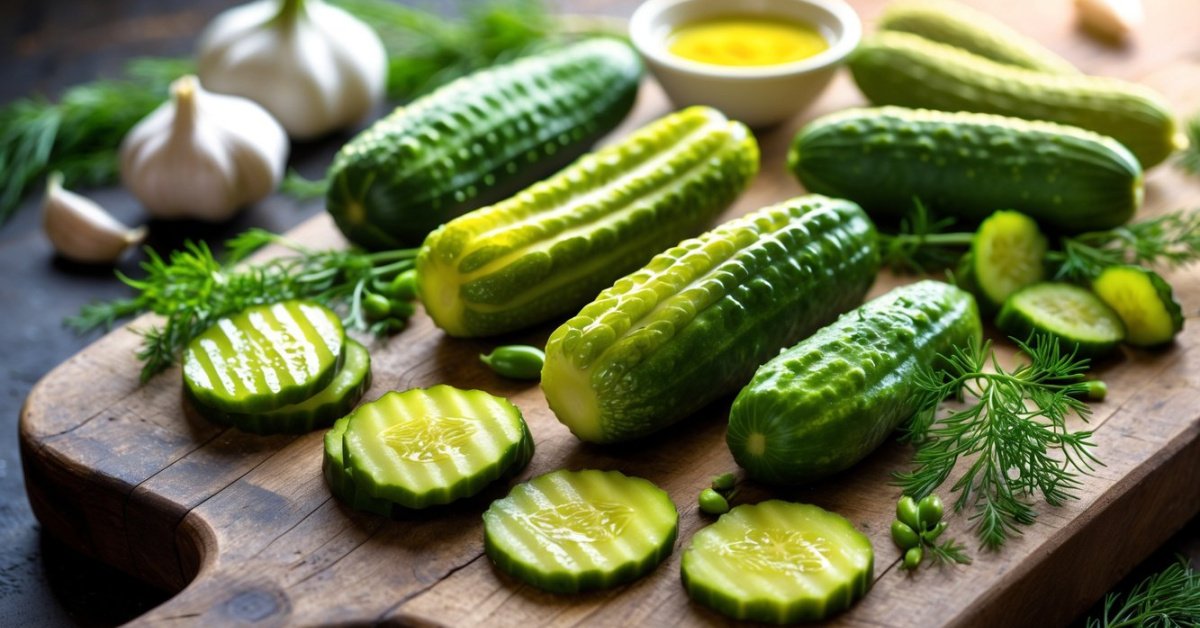
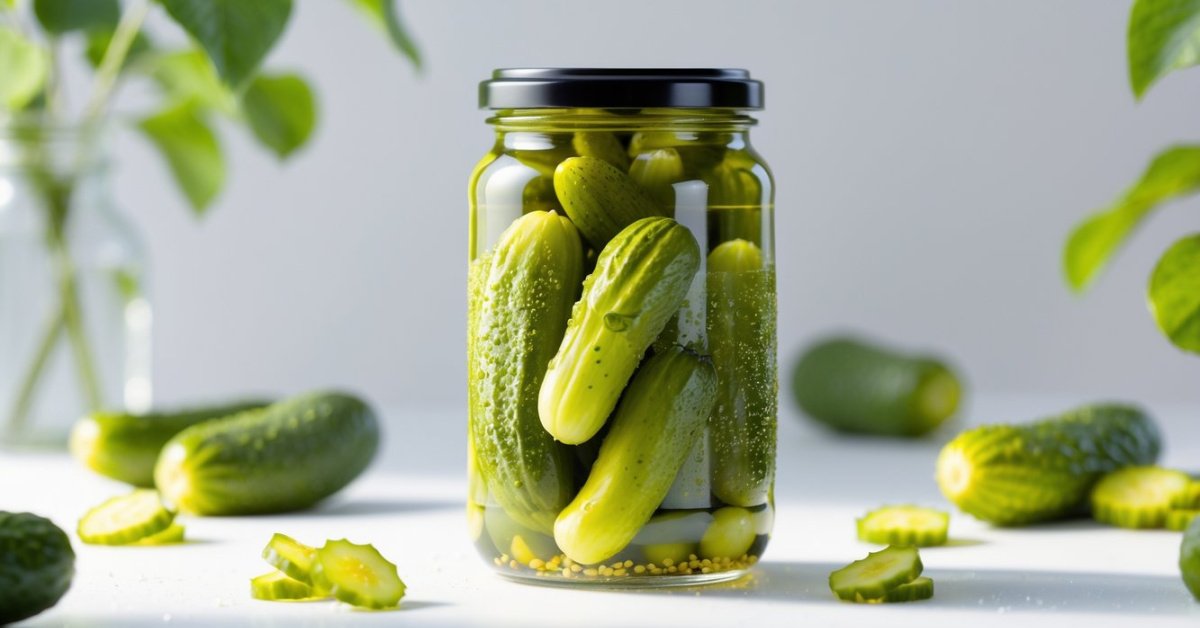
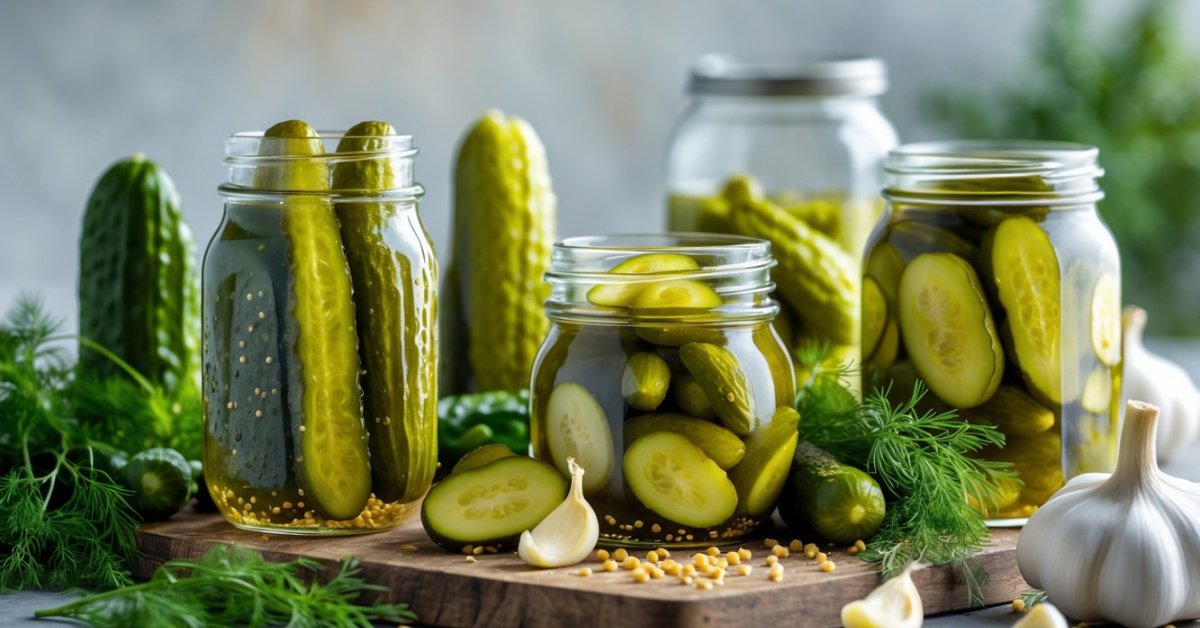
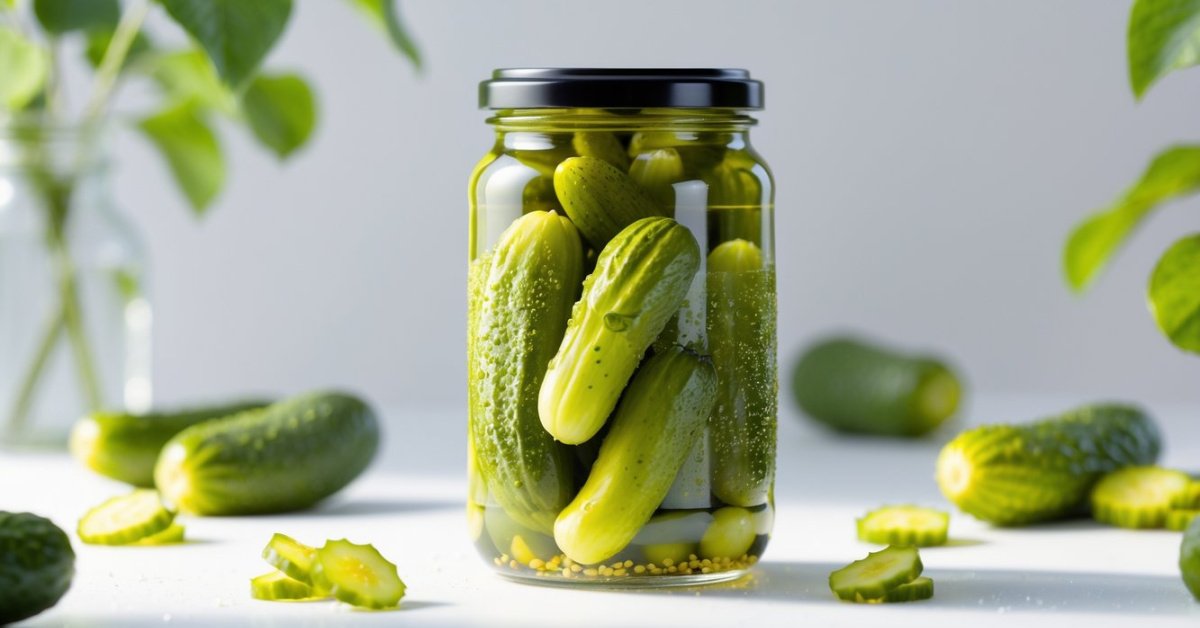
Pickle-enhanced tartar sauce for fish uses pickles as the star ingredient, adding brined vegetables like my homemade dill cucumber chips or chopped garden-fresh gherkins directly into a classic mayo-based sauce. Flavors from crisp, fermented pickles introduce extra acidity, deep umami, and a vibrant crunch, far surpassing the subtler notes from standard relish.
Classic tartar sauce blends mayonnaise, lemon juice, and herbs. My version intensifies these basics with additional chopped pickles, using even lacto-fermented types for those who prefer a naturally tangy, probiotic-rich bite. Including both the pickles and a splash of their brine lifts the profile further, connecting the bite unmistakably to the tradition of home pickling.
In every batch, I focus on fresh, self-sustained ingredients. Homegrown dill, hand-harvested onions, and those small-batch pickles I ferment in glass crocks make a huge difference. By building these layers, I create a tartar sauce that not only complements fried or baked fish but also celebrates the artistry of pickling and gardening each time I serve it.
Key Ingredients and Flavor Profile
Pickle-enhanced tartar sauce blends classic creamy elements with bold, tangy garden flavors. I rely on pickles and fresh herbs to shape its brightness while keeping every bite layered and complex.
The Role of Pickles in the Sauce
Pickles anchor every flavor note in this tartar sauce. I always chop lacto-fermented cucumbers, gherkins, or homemade dill chips for maximum tang and crunch. Including the brine deepens the acidity and infuses natural probiotics from wild fermentation. By using pickles straight from my garden, I ensure vibrant textures and a flavor punch that commercial brands can’t deliver. Homegrown pickles carry hints of fresh dill, garlic, and pepper—key contributors to a sauce built for flaky fried or baked fish.
Additional Flavor Boosters
Additional flavor boosters take the sauce from ordinary to standout. I add hand-harvested onions for a sharp, sweet bite and fresh garden dill for herbal depth. Chopped capers offer a splash of briny saltiness, while a squeeze of homegrown lemon juice brightens the mix. Sometimes I stir in chives or tarragon—these herbs lend an earthy, slightly sweet undertone. Mayo gives the base its creamy foundation, letting all my sustainable, home-cultivated flavors shine through.
How Pickle-Enhanced Tartar Sauce Pairs with Fish
Pickle-enhanced tartar sauce amplifies the flaky, delicate character of fish with sharp acidity and extra crunch. I find that my briny, garden-rich sauces wake up the mildest fish, turning simple meals into bold showcases of homegrown skill.
Recommended Fish Dishes
- Fried whitefish (cod, haddock, pollock): I like how the zest from my lacto-fermented cucumber pickles slices through the richness and cuts the oil, lifting every bite of golden, crispy fillets.
- Baked tilapia or flounder: My fresh garden dill and home-brined gherkins brighten these mild fillets, providing dimension where most tartar falls flat.
- Pan-seared salmon: I pair tartar packed with pickles and capers with hearty, oily salmon, where the extra acid and garden herbs complement the fish’s deep flavors.
- Catfish nuggets: I enjoy the combination of bold pickle crunch and local river fish, which creates regional comfort rooted in self-sustaining practices.
- Fish sandwiches: My tartar loaded with diced home-pickled onions and brine enhances crunchy filets or fish burgers with layered tang, crunch, and garden freshness.
Serving Suggestions and Tips
- Generous dollop: I spoon a thick layer of pickle-enhanced tartar across hot fish right after cooking, letting the creamy sauce melt slightly for a vibrant contrast.
- Side dipping: I serve tartar cold as a dipping sauce, adding pickle slices and fresh dill sprigs from my garden for texture and visual appeal.
- Spread for sandwiches: I slather thick tartar on homemade bread for fish sandwiches, tucking in extra pickle slices for intensified crunch.
- Garnishing: I finish with a scattering of diced gherkins or a drizzle of pickle brine, drawing out tart, fermented undertones and connecting every plate to the pride of home pickling.
- Serving temperature: I always chill the sauce before serving for optimal crispness and to highlight the fresh garden flavors.
By pairing pickled elements with fish, I craft meals that showcase not only preservation skill but also the rewards of sustainable, homegrown food.
Homemade vs. Store-Bought Options
Pickle-enhanced tartar sauce brings out the best in fish, but choosing between homemade and store-bought versions impacts flavor, freshness, and quality. I rely on years of pickling to analyze both paths for anyone passionate about pickles and self-sustained eating.
Pros and Cons of Each
Homemade Tartar Sauce
- Delivers control over ingredients, so I use organic cucumbers, homegrown dill, and fresh lemon.
- Showcases nuanced flavors, since lacto-fermented pickles offer unique tang and texture specific to small-batch fermentations.
- Preserves nutrients and probiotics, thanks to the absence of pasteurization found in commercial jars.
- Reflects seasonal gardening, where I blend onions, herbs, and pickles picked at their peak.
- Requires time for prep and fermenting, making it less convenient on busy days.
- Varies in consistency and flavor, with each batch reflecting garden yield and fermentation.
- Offers fast access and shelf-stable convenience, which some cooks prefer for speed.
- Ensures uniform flavor, batch after batch, using commercial mayo and processed pickles.
- Often contains preservatives, thickeners, and stabilizers, making acidity and texture less vibrant.
- Delivers less crunch compared with homemade pickles, since industrial pickling techniques soften cucumbers.
- Includes fewer fresh, garden-driven components, since mass production uses dehydrated or artificial ingredients.
- Lacks personalization, so it can’t showcase homegrown dill or custom pickle blends.
I balance both options but always favor the depth, complexity, and satisfaction I get from combining my own pickled goods with herbs and vegetables straight from my garden.
Taste Test: Our Review and Rating
I approached this pickle-enhanced tartar sauce with high expectations, knowing the direct impact lacto-fermented pickles and fresh garden produce have on flavor. I paired the sauce with classic fried whitefish, pan-seared salmon, and simple baked tilapia, applying a liberal dollop to each bite for consistency.
Texture added an unmistakable crunch, the hand-chopped pickles dispersing evenly through the creamy base. Acidity hit first, thanks to both brine and pickle flesh, sharpening the delicate fish flavors and cutting through any oiliness. Fresh dill, garlic, and onions came through in crisp undertones, every element emphasizing the homegrown difference. With salmon, the sauce’s pop of tang balanced the richness, while on mild whitefish and tilapia, the pickle notes took the lead and created bold contrasts.
Compared to conventional versions, my recipe delivered a pronounced garden-fresh vibrancy, each bite backed by real, whole vegetable textures. Probiotic character added depth, making the sauce bracing yet smooth. Store-bought tartar sauces, once compared side-by-side, tasted flatter and less lively, with less discernible crunch or herbal complexity.
I rated the pickle-enhanced tartar sauce based on several criteria:
| Criteria | Score (Out of 10) | Notes |
|---|---|---|
| Pickle Flavor | 10 | Dominant, fresh, and multidimensional with real brine clarity |
| Texture | 9 | Chunky, never watery, with distinct bits from home-chopped pickles |
| Versatility | 8 | Paired well with fried, baked, and grilled fish, though strongest on whitefish |
| Freshness | 10 | Vibrant garden notes, greatly enhanced by homegrown herbs and veggies |
| Overall Impact | 9.5 | Superior to store-bought, distinct from standard homemade |
This pickle-forward tartar sauce serves as a celebration of pickling expertise, gardening, and sustainable food—delivering taste, freshness, and texture only real pickles can provide.
Conclusion
Trying out pickle-enhanced tartar sauce has completely changed the way I enjoy fish at home. There’s something so satisfying about that extra tang and crunch from homemade pickles and fresh garden herbs.
It’s not just about the flavor—it’s about the joy of using ingredients I’ve grown and pickled myself. Every bite feels like a celebration of the garden and kitchen coming together.
If you’re looking to make your next fish dish more memorable give this tartar sauce a try. You might just find yourself reaching for another spoonful.