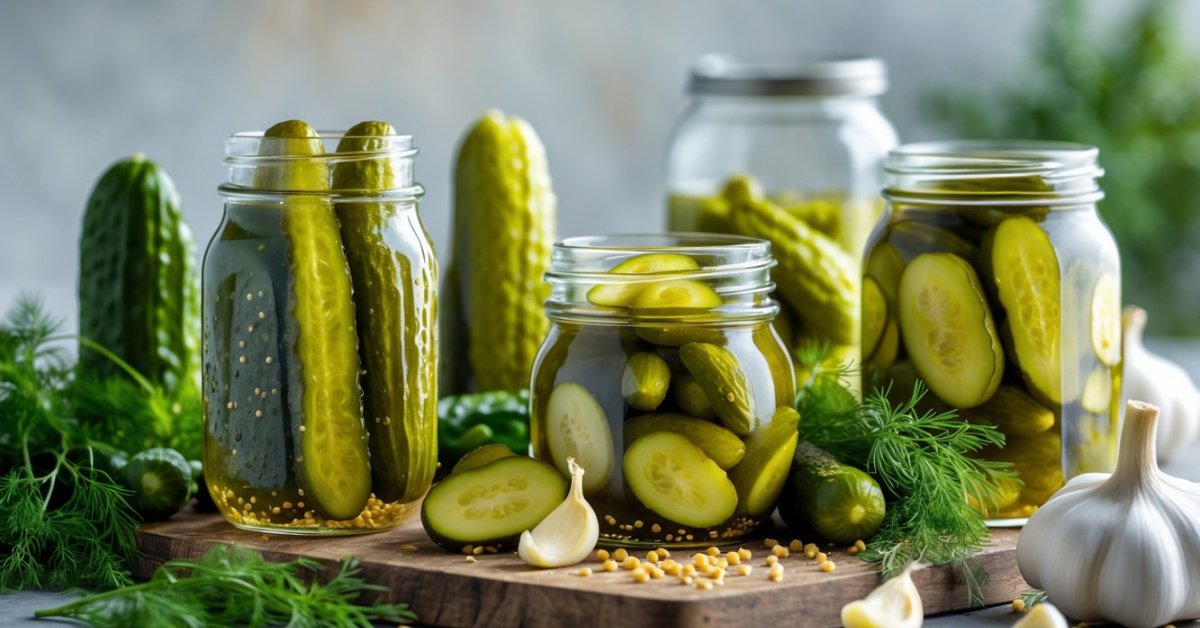
I never thought the leftover pickle juice in my fridge would be the secret to the crispiest most flavorful fried chicken I’ve ever made. It turns out that this tangy brine does more than just add a punchy kick—it works wonders on the texture too.
When I started experimenting with pickle juice brine I was just curious if it could really make a difference. After one bite I was hooked. The chicken turned out juicy on the inside with a crave-worthy crunch on the outside. If you’re looking for a new twist on a classic comfort food you’ll want to give this a try.
What Is Pickle Juice Brine for Fried Chicken?
Pickle juice brine for fried chicken uses the liquid left after finishing a jar of pickles to soak poultry before frying. I rely on the acidic, tangy brine—usually made with vinegar, salt, dill, garlic, and spices—to tenderize and flavor chicken. Soaking raw chicken in pickle brine, I create a juicier texture and a subtle, complex tang distinct from basic saltwater brines.
My favorite brines come from homemade or store-bought pickles like dill, bread-and-butter, or spicy varieties. Each imparts different notes to the meat. This pickling liquid’s natural acidity helps break down muscle fibers, improving juiciness, while salt and spices infuse layers of flavor. When I dredge and fry brined chicken, the result is a crisp outer crust with vibrant savory undertones and a succulent interior—a hallmark of expert pickling paired with classic fried chicken techniques.
How Pickle Juice Enhances Fried Chicken
I always look for ways to use every ingredient in my pantry, and pickle juice brings an extra dimension to fried chicken that other brines can’t match. This tangy liquid infuses chicken with vibrant flavors and transforms its texture, all through the expertise of a seasoned pickler.
Flavor Profile and Tanginess
Pickle juice creates a distinct flavor profile in fried chicken by layering acidity, salt, and aromatic spices from the pickling process. Brined chicken picks up notes of garlic, dill, and pepper, present in most dill pickle recipes. For example, brining with spicy pickle juice delivers a hint of heat, while bread and butter pickle brine adds subtle sweetness. Each batch reflects the pickles used, creating endless opportunities to experiment with homegrown herbs or garden spices.
Moisture and Tenderness Benefits
Pickle juice increases moisture and tenderness in fried chicken by leveraging its acidity and salt content. These components penetrate protein fibers, breaking them down and drawing in water. This results in chicken that stays juicy through frying, avoiding dryness common in unbrined poultry. In my kitchen, I’ve consistently pulled crispy, golden chicken with succulent interiors straight from the fryer, all thanks to leftover brine from my pickle jars.
How to Make Pickle Juice Brine for Fried Chicken
I rely on my pickle juice brine to transform ordinary fried chicken into a dish with layers of flavor and tender, juicy texture. This simple technique lets me use every part of my homemade pickles while honoring the craft of pickling.
Essential Ingredients and Steps
I start with leftover pickle juice, making sure it includes flavors I love—dill, garlic, and just the right amount of tang. For one batch of fried chicken, I use about 2 cups of strained pickle brine from any jar of my garden pickles—dill, spicy, or even bread and butter types all work.
- Pickle juice: I pour the juice through a fine mesh strainer to remove seeds and solids.
- Buttermilk (optional): For extra tenderness, I mix 1 cup buttermilk into the strained brine. This step works well for thicker cuts like bone-in thighs or breasts.
- Chicken pieces: I use about 2 pounds of bone-in or boneless chicken.
- Brining: I submerge the chicken fully in the brine, cover, and refrigerate it for 4 to 24 hours. Shorter soaks give subtle flavor, and longer ones add deeper pickle notes and juicier texture.
- Preparation for frying: I drain the chicken well and pat it dry with paper towels before dredging in seasoned flour or batter.
Tips for Best Results
- I always use fresh, homemade brine whenever possible for the most vibrant flavors.
- Thicker chicken pieces benefit from the longer end of the brining spectrum—12 to 24 hours—while tenders and cutlets only take 2 to 4 hours.
- Brining in non-reactive containers like glass or food-safe plastic preserves the freshness of the brine.
- Rinsing the brined chicken before coating is unnecessary; I find it best to simply pat dry to keep maximum flavor.
- For spicier fried chicken, I use brine from a batch of hot pickles that I’ve made with extra chili flakes or sliced jalapeños.
Taste Test: Does Pickle Juice Brine Make a Difference?
I’ve brined chicken with just about every mixture from cider vinegar and herbs to classic saltwater, but nothing delivers complexity quite like pickle juice brine.
Comparing with Traditional Brines
Pickle juice brine stands out against traditional saltwater or buttermilk brines. Classic salt brines, for example, create mild savoriness and might keep chicken moist, but they miss the sharp, layered flavors I’d expect in an exceptional fried chicken. Buttermilk brines tenderize with lactic acid, turning out juicy meat, but lack the herbaceous punch and acidity from my homemade brines fortified with dill, garlic, and spice. When I use pickle juice—especially those from my garden cucumbers—the acidity penetrates faster, bringing a subtle crunch and deeper seasoning than water-based brines.
Texture and Flavor Impressions
Pickle juice brine creates chicken that’s juicy even after frying, and the difference becomes clear after the first bite. I taste tangy undertones paired with savory notes from garlic and dill, a profile not found in salt or buttermilk brines. The crust holds firm, locking in moisture, while the interior stays tender. In pieces brined with leftover spicy dill juice, for instance, I’ll notice a gentle heat mingling with the vinegar brightness. Each brine batch adds its own signature to the chicken, letting me match fried dishes to the specific pickling herbs I grow each season.
Potential Drawbacks and Considerations
Salt Content
Pickle juice brine for fried chicken often carries high sodium levels due to the salt used in pickling. I see sodium content in my brines frequently exceed 800 mg per 1/4 cup, according to USDA nutrient data, which may not suit low-sodium diets. Excess salt can draw out moisture if brining goes too long, especially with thinner cuts like chicken tenders.
Flavor Intensity
Pickle juice flavors can overpower delicate herbs or mild seasonings in fried chicken. I’ve noticed brines from garlic-heavy or spicy pickles such as jalapeño or habanero create pronounced flavors that mask lighter herbs like tarragon or basil.
Acidity Impact
Vinegar in pickle juice raises the acidity, which may toughen chicken texture if left too long. With my home-canned pickles, I avoid brining past 24 hours to maintain tenderness and prevent a rubbery bite, particularly with lean chicken breasts.
Brine Consistency
Homemade pickle juice varies each batch, based on cucumber variety, brine recipe, and storage time. Lab analyses from food safety studies highlight differences in acid and salt levels even from jar to jar. These variances affect final chicken flavor, so I always taste-test my brine before using it in fried chicken.
Allergen and Additive Awareness
Store-bought pickle juice brines sometimes include preservatives, yellow dye, or sweeteners. Gardeners making pickles at home usually skip these, but I recommend checking ingredient lists on commercial jars for anyone with allergies or dietary concerns.
Texture Changes
Strong pickle juice brines soften skin and make chicken slippery for breading if not drained well. I pat each piece dry with a clean towel before dredging to help the breading stick and re-crisp in the fryer.
Food Safety
Reusing pickle brine without boiling may introduce bacteria, especially if fresh herbs, garlic, or pepper flakes were added after the initial pickle batch. I use fresh, refrigerated brine and discard any that’s cloudy, slimy, or smells off to avoid foodborne illness risks.
Conclusion
If you’ve never thought about using pickle juice for fried chicken brine you’re in for a treat. It’s a simple switch that can completely change your next batch of fried chicken. I love how easy it is to experiment with different pickle flavors and create something truly unique each time.
Whether you’re a fan of classic dill or want to turn up the heat with spicy pickles there’s always a new twist to try. Don’t be afraid to get creative and make this technique your own. Your taste buds will thank you.