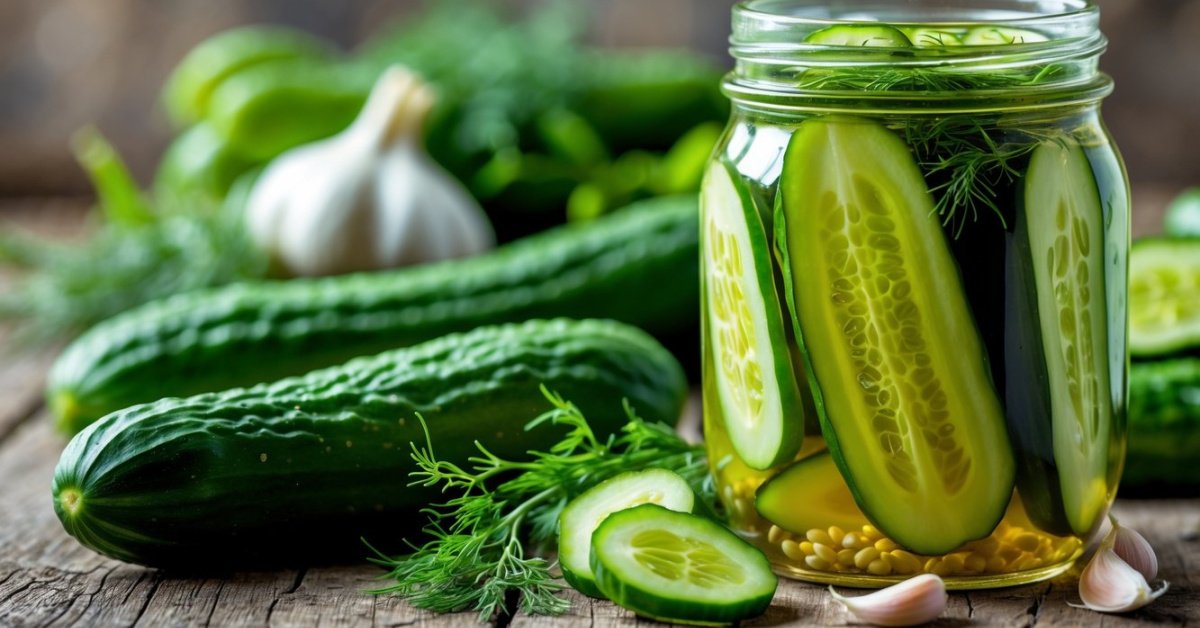
Whenever I’m craving a tangy snack with a little kick, pickled Brussels sprouts with black pepper always hit the spot. They’re crunchy, zesty, and have just enough spice to keep things interesting. I love how the sharpness of the pepper brings out the natural flavor of the sprouts without overpowering them.
Making these pickled veggies at home is easier than you might think. I find it’s a fun way to use up extra Brussels sprouts and add a flavorful twist to salads, sandwiches, or even a simple cheese board. If you’ve never tried pickled Brussels sprouts before, you’re in for a tasty surprise.
What Are Pickled Brussels Sprouts with Black Pepper?
Pickled Brussels sprouts with black pepper are whole or halved Brussels sprouts preserved in a vinegar brine with whole black peppercorns. I immerse fresh, firm sprouts harvested from my garden in a vinegar solution, then infuse black pepper to add sharp, aromatic heat. These pickles keep their crunch and offer a bold, tangy bite with earthy undertones unique to Brussels sprouts.
I use basic pickling ingredients for this mix: distilled vinegar, water, salt, garlic, mustard seeds, and black peppercorns. Each batch gains flavor depth as the black peppercorns blend zesty heat with the sprout’s natural nuttiness. These pickled Brussels sprouts pair well with charcuterie, liven up salads, or work as a flavorful snack.
Pickling Brussels sprouts lets me extend my garden harvest into colder months. Compared to cucumber pickles, pickled Brussels sprouts offer a denser texture and a heartier, more complex taste. Using black pepper as a key spice source sets this pickle apart from sweeter or milder varieties.
Flavor Profile and Texture
Pickled Brussels sprouts with black pepper deliver a tangy, savory bite layered with sharp, fragrant spice. I taste a punch of acidity from the vinegar brine first, followed by the earthy, nutty undertone unique to Brussels sprouts. Black peppercorns add persistent heat that stays on the palate, creating a dynamic contrast with each crunchy bite.
Brussels sprouts retain a firm, dense texture after pickling, unlike softer cucumber pickles. I notice each half or whole sprout snaps rather than yielding, making these pickles ideal for those seeking a crisper pickled vegetable. Using fresh, garden-harvested sprouts guarantees this signature crunch; softer or older sprouts can lose this structural integrity during the pickling process.
Garlic and mustard seeds boost the savory profile, balancing the vinegar’s sharpness and enhancing the pepper’s heat. These pickled Brussels sprouts hold up well on cheese boards, in salads, or as a crunchy snack—every bite features savory, spicy, and bright notes. If you’re seeking a pickle with robust flavor and satisfying texture, these deliver that experience.
How They Are Made
Making pickled Brussels sprouts with black pepper means starting with the freshest ingredients and a well-balanced brine. I rely on time-tested pickling techniques to ensure each batch comes out crisp, bold, and fully infused with peppery heat.
Key Ingredients
- Brussels sprouts: I choose small, tight heads (1–1.5 inches wide) for best texture and flavor retention.
- Distilled vinegar: I use 5% acidity vinegar to guarantee safe pickling and an assertive tang.
- Water: I blend in filtered water to mellow the brine.
- Salt: I add kosher or pickling salt (not iodized) to help preserve crunch and boost flavor.
- Black peppercorns: I use whole peppercorns for a deep, aromatic heat that disperses evenly in the jar.
- Garlic cloves: I smash fresh cloves to infuse the brine with savory depth.
- Mustard seeds: I sprinkle a teaspoon per pint jar for warmth and subtle earthiness.
- Optional spices: I might add chili flakes, dill, or bay leaf if I want extra complexity.
Pickling Process Overview
I trim stems and halve larger Brussels sprouts so brine penetrates evenly. I blanch sprouts for 2–3 minutes in boiling water, then cool them rapidly in ice water to lock in texture and vivid green color. I sterilize pint jars and lids to prevent spoilage. I pack jars with blanched sprouts, black peppercorns, garlic, and mustard seeds, leaving half an inch of headspace. I bring vinegar, water, and salt to a boil, pour the hot brine over the sprouts, then remove air bubbles and seal the jars tightly.
I process jars in a boiling water bath for 10 minutes for shelf stability—if I want quick refrigerator pickles, I skip this step and let the jars cure in the fridge for at least 48 hours. Longer curing (1–2 weeks) brings out the sharp tang, with black pepper infusing each sprout and amplifying their natural bite.
Taste Test and Serving Suggestions
Pickled Brussels sprouts with black pepper deliver bold flavor and lively crunch. I taste vibrant tang, layered savory notes, and the unmistakable warmth of pepper in every bite.
Pairings and Dishes
I pair pickled Brussels sprouts with black pepper alongside cured meats, sharp cheeses, and toasted bread on charcuterie boards. I slice them into grain salads like farro or wild rice bowls, where their acidity brightens whole grains and earthy vegetables. I layer halved sprouts in turkey sandwiches or add them atop deviled eggs, where their tartness balances creamy textures. I add chopped pickled sprouts to potato salad, lending bite and aromatic pepper heat. On cheese boards, I set them next to hard cheeses like aged gouda or crumbly cheddar for a contrast in density and flavor.
Best Occasions to Serve
I serve pickled Brussels sprouts most often during autumn and winter gatherings, when preserved garden vegetables bring freshness to the table. I find they suit holiday spreads, potlucks, and tailgates, where unexpected pickled vegetables spark conversation. I use them as a snack for preserving workshops, gardening events, and farm-to-table dinners, showcasing the intersection of self-sustainability and creative pickling. I offer them as palate cleansers between rich dishes during festive meals, especially when robust flavors stand out among assorted pickled vegetables.
Health Benefits and Nutritional Value
Pickled Brussels sprouts with black pepper offer a dense nutritional profile alongside their vibrant flavor. Each serving gives me fiber, vitamin C, vitamin K, and folate—essential nutrients for energy and cell protection. Just six Brussels sprouts (about 85 grams) deliver about 4 grams of fiber and 60 micrograms of vitamin K, supporting digestion and bone strength (USDA FoodData Central, 2023). Vinegar brine preserves these nutrients, especially when I’m quick-pickling and not using prolonged heat, which tends to deplete vitamin C.
Black peppercorns bring more than sharp spice—they add piperine, a compound shown in studies to help my body absorb key nutrients and antioxidants (Journal of Food Science, 2021).
Here’s a nutritional snapshot per 85-gram serving:
| Nutrient | Amount | Example of Benefit |
|---|---|---|
| Fiber | 4 g | Helps support digestion |
| Vitamin C | 75 mg | Contributes to the immune system |
| Vitamin K | 60 mcg | Essential for blood clotting |
| Folate | 55 mcg | Supports cell growth |
Pickling also introduces gut-friendly benefits. The acidic environment of vinegar inhibits spoilage, and when I use a quick pickling brine, some beneficial plant compounds remain unchanged. While refrigerator pickles don’t offer live probiotics found in fermented pickles, they maintain phytonutrients like glucosinolates, linked with cell protection (National Institutes of Health, 2022).
Including pickled Brussels sprouts with black pepper in my diet lets me add flavor without excess fat or sugar. I value having shelf-stable, low-calorie snacks and vibrant add-ins for meals, all from my homegrown harvest.
Pros and Cons
Pros
- Crunch and Texture: Pickled Brussels sprouts with black pepper keep a dense crunch, unlike softer cucumber pickles or quick radish pickles.
- Robust, Tangy Flavor: My pickled Brussels sprouts offer a bold, layered bite and a black pepper kick, which complements sharp cheese or charcuterie.
- Nutritional Benefits: Each serving supplies dietary fiber, vitamin C, vitamin K, and folate, as seen in USDA food data.
- Preservation Method: This pickling process lets me extend the harvest months beyond frost, helping me minimize waste with homegrown Brussels sprouts.
- Versatile Uses: I use these pickles in salads, sandwiches, cheese boards, and as palate cleansers with festive meals.
- Self-Sustainability: Pickling surplus sprouts means less food spoilage and more self-reliance from just one garden planting.
- Customizable Brine: The brine adapts well to extra spices like chili flakes, dill seeds, or bay leaf when I want to experiment.
Cons
- Preparation Time: Trimming, blanching, and brining take more time than making quick pickled onions or cucumbers.
- Brine Intensity: The pickled taste runs strong, which may overpower subtle dishes or milder palates, especially if left to cure over 7 days.
- Texture Variability: Over-blanching or using older sprouts leads to mushy pickles, so only firm, fresh sprouts yield best results.
- Salt Content: Traditional brines use more salt per quart than some quick pickles, so anyone watching sodium intake should check each batch.
- Limited Probiotics: Refrigerator pickles made with vinegar lack significant live cultures, although they still supply preserved micronutrients.
- Shorter Shelf Life (Refrigerator Pickles): Fridge pickled Brussels sprouts keep for 1–2 months, while shelf-stable jars processed with a water bath last up to a year when stored properly.
Where to Buy or How to Make Your Own
Where to Buy Pickled Brussels Sprouts with Black Pepper
Grocery stores often stock pickled Brussels sprouts in specialty or refrigerated pickle sections. I spot brands like Rick’s Picks and The Real Dill carrying these jars in urban markets and natural foods stores. Farmers’ markets sometimes feature small-batch versions from local producers with unique black pepper blends. Online retailers like Amazon and Goldbelly list options with clear brine details, variety packs, and artisan products for nationwide shipping.
How to Make Your Own at Home
Homemade pickling gives me full control over freshness, flavor, and black pepper intensity.
Basic Process:
- Select tight, bright-green Brussels sprouts for best crunch.
- Trim stem ends and halve larger sprouts for even pickling.
- Blanch sprouts in salted boiling water—about 2 minutes—then plunge into ice water.
- Sterilize half-pint or pint jars before packing.
- Add whole black peppercorns, smashed garlic, and mustard seeds to jars.
- Pack in cooled sprouts, keeping about ½ inch headspace.
- Prepare brine using distilled vinegar (5% acidity), filtered water, and pickling salt at a 1:1:0.05 (vinegar:water:salt by volume) ratio; heat to dissolve salt.
- Pour hot brine over sprouts, submerging fully but leaving headspace.
- Process jars in a boiling water bath for 10-12 minutes for shelf stability, or let cool and store in the refrigerator for quick pickles.
Yield Table Example:
| Amount Brussels Sprouts | Jar Size | Brine Needed |
|---|---|---|
| 1 lb | 2 pint jars | 2 cups (total) |
| 2 lbs | 4 pint jars | 4 cups (total) |
Flavor development deepens after 1 week, with black peppercorns infusing more heat and aroma over time. I often experiment with fresh dill, chili flakes, or lemon zest for seasonal twists. Growing and pickling my own sprouts keeps me self-sufficient and always stocked with zesty, garden-fresh snacks.
Conclusion
Pickled Brussels sprouts with black pepper have become one of my favorite ways to enjoy this underrated veggie. Their bold flavor and satisfying crunch never fail to brighten up my meals or snack boards. I love how easy it is to tweak the recipe and make each batch my own.
If you’re looking for a snack that’s both nourishing and full of character these pickles are a game changer. I hope you’ll give them a try and discover just how much fun pickling Brussels sprouts can be.