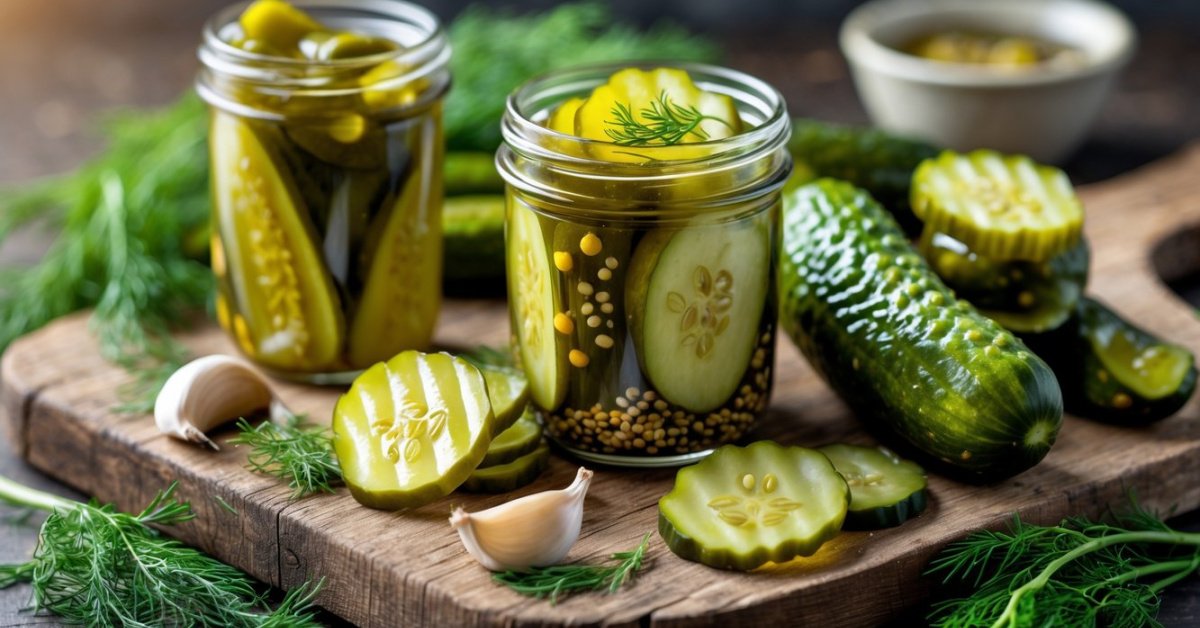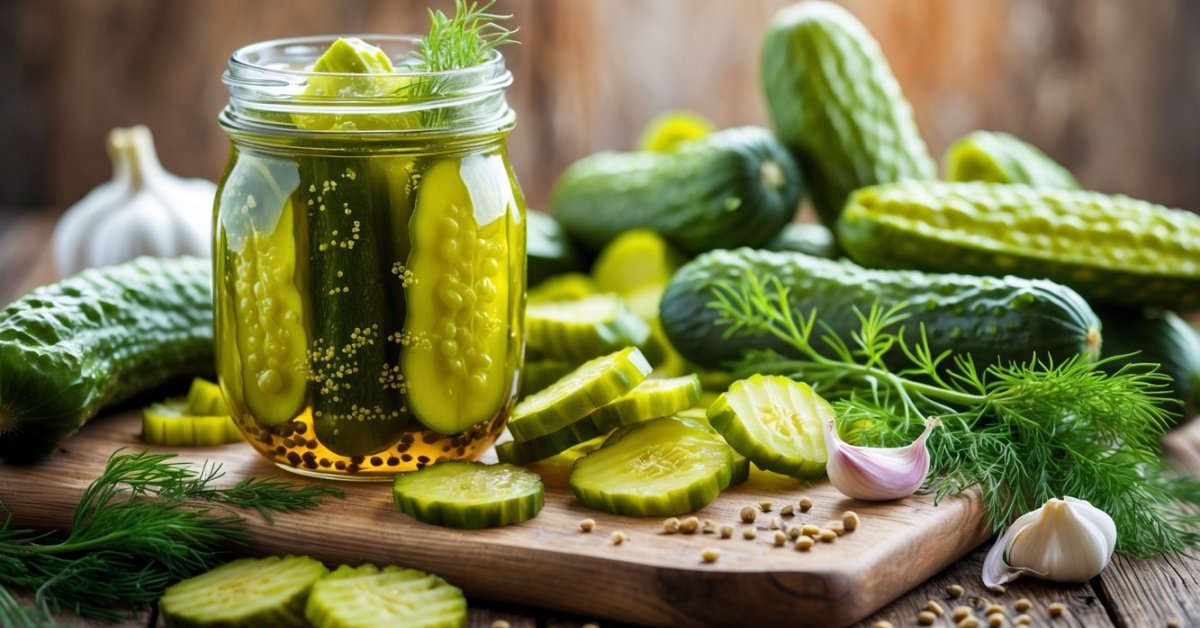
Whenever I bite into a crisp pickle I can’t help but wonder about its ancient origins. Pickling isn’t just a tasty tradition—it’s a clever solution people have used for thousands of years to keep food fresh long after harvest. Ancient Mesopotamia, with its bustling cities and fertile river valleys, was one of the first places where people mastered the art of preservation.
I’m fascinated by how early Mesopotamians turned simple ingredients into something that could withstand time and climate. Their pickling methods weren’t just about flavor but survival, helping families store food through harsh seasons. Exploring how they did it gives me a fresh appreciation for every tangy bite today.
The Origins of Pickling in Ancient Mesopotamia
Pickling practices in ancient Mesopotamia relied on salt and vinegar solutions. Clay tablets from 2,400 BCE mention brined cucumbers and other vegetables. Scribes in cities like Uruk and Nippur recorded recipes and preservation methods on cuneiform tablets.
Mesopotamian pickling supported both home storage and large-scale granaries. Markets along the Tigris and Euphrates traded jars packed with preserved vegetables, like turnips and melons. Households kept pickled foods as dietary staples for dry months.
My passion for self-sustainability echoes early Mesopotamian priorities. Pickling extended the harvest and reduced waste. Gardeners pickled surplus cucumbers or onions to last through times of scarcity.
Clay pots and bitumen-lined jars provided airtight storage for these early pickles. Archaeological finds show that households valued preservation vessels, often inscribing ownership marks on them.
Texts from the region highlight that pickling wasn’t only about taste. Reliable long-term food storage reduced the risks posed by droughts or crop failures. Pickled foods preserved in brine or vinegar meant nutrition during seasons when gardening couldn’t provide fresh produce.
Preservation Techniques Used by the Mesopotamians
Mesopotamian pickling laid the foundation for many modern preservation practices I use today. Their resourcefulness with simple materials inspires much of my own self-sustainable kitchen.
Salting and Brining Methods
Salt and brine formed the backbone of Mesopotamian pickling. I see clay tablets from about 2,400 BCE describe how they packed cucumbers and turnips in saltwater to pull out moisture and prevent spoilage. Salt quantities varied—sometimes coarse mineral salts from the valley, other times mixes with herbs like dill or coriander for added protection and taste. Brining times ranged from several days to weeks depending on available storage and the season. Recipes called for regular checking and top-off brine pours to keep vegetables submerged, which is a practice I still trust.
Types of Vessels and Storage Solutions
Storage depended on airtight clay pots and bitumen-sealed jars. Families in Uruk and Nippur used rounded pots with tightly fitting lids, often lined with a thin layer of natural tar to prevent leaks and contamination. Archaeological digs show these pots ranged from 2-liter to large 20-liter capacities, fitting both home and market scale needs. Buried storage in cool cellar pits extended shelf life, a practice I’ve tried with great results for my long-term pickles. Preservation jars were prized household items—passed down generations and mentioned in estate inventories—showing their central role in food security for ancient gardens and pantries.
Ingredients and Varieties of Mesopotamian Pickles
Salt dominated every brine I see referenced in cuneiform recipes, with sea salt from the Persian Gulf traded into urban centers. Vinegar, made from date palm sap or barley beer, joined salt as a vital agent in preservation. Water drawn from the Tigris or Euphrates completed most brines for everyday household pickling.
Cucumbers and turnips, the two most frequent pickled vegetables documented in clay tablets, anchored diets through lean months. Shallots, leeks, and garlic also appeared in brine jars, supporting market variety from city to countryside. Markets in Ur and Lagash displayed pickled ramps, wild onions, and celery, adding spice and flavor to daily meals.
Herbs like dill and coriander cropped up in preservation texts, used by families to impart unique flavors to their pickles. Fenugreek seeds, popular among Sumerian cooks, brought a subtle bitterness to some brined mixes I’ve tried to replicate in my own kitchen.
Tables below summarize key ingredients and varieties culled from primary Mesopotamian sources and modern archaeological analysis:
| Ingredient | Examples/Notes |
|---|---|
| Salt | Persian Gulf sea salt, inland mineral salts |
| Vinegar | Fermented date sap, barley beer vinegar |
| Vegetables | Cucumbers, turnips, shallots, garlic, leeks |
| Herbs & Spices | Dill, coriander, fenugreek |
| Water | Tigris/Euphrates river water |
| Variety | Description |
|---|---|
| Brined cucumbers | Packed in salted water, sometimes with dill or coriander |
| Pickled turnips | Layered with garlic, shallots, and fenugreek seeds |
| Mixed vegetable | Seasonal mixes using whatever grew in gardens, often celery, wild onions, leeks |
Ancient Mesopotamian pickling practices reflected adaptability—market offerings shifted with the seasons, and ingredient profiles followed the river valley’s cycles. I recognize that passion for using every garden surplus today, still echoing my desire for self-sustainability with each batch I make.
Cultural and Culinary Importance of Pickles
Pickles shaped both the flavors and traditions of ancient Mesopotamian life. I see echoes of these roots every time I reach for my own pickling jar.
Role in Daily Diet and Rituals
Pickled foods anchored the daily meals of families in Sumer and Akkad. Scribes listed pickles in records of temple rations, with portions of brined vegetables—cucumbers, turnips, and leeks—served alongside bread and stews. Dried months saw pickles become central protein substitutes when fresh produce ran out. In my own kitchen, I emulate this reliance, ensuring my pantry holds jars for year-round taste and nutrition.
Festivals, feasts, and rites often featured pickled items. Priests presented jars of salted vegetables at temple offerings, as documented on cuneiform tablets from Uruk. Housewives in city homes and rural farmsteads alike packed clay pots with preserved vegetables for ceremonies marking harvest, marriages, and seasonal changes. I value this continuity, setting pickled trays on my own table for ancestral celebrations.
Pickles in Trade and Economy
Markets along the Tigris and Euphrates brimmed with jars of pickled cucumbers and shallots, as traders exchanged these goods for fish, wool, or beer. Archaeological finds at Lagash reveal seals and contracts referencing bulk deliveries of brined vegetables. Pickle production reached industrial scale, with temple granaries overseeing the packing and shipping of salted goods to distant cities.
Pickles gave farmers a way to preserve surplus and stabilize income. Merchants relied on airtight clay vessels for safe transport over long distances, maintaining quality even in arid climates. I see direct parallels in today’s markets, where pickles extend the shelf life of homegrown harvests and bring extra value at roadside stands or urban co-ops. This economic strength and culinary value cemented pickles as essential to both ancient and modern food systems.
Legacy of Mesopotamian Pickling Methods
Mesopotamian pickling methods anchor much of my own approach to food preservation. These pioneers harnessed salt, vinegar, and airtight clay vessels—tools I trust in my kitchen—to preserve seasonal bounty and guarantee year-round nutrition. Whenever I layer cucumbers in brine or prepare turnips for storage, I echo those ancient traditions refined over millennia.
Written records from Uruk and Nippur highlight that careful brine maintenance and airtight storage allowed Mesopotamians to survive drought or failed harvests. My practice of checking pots for clouding or spoilage, adjusting salinity, and rotating jars comes directly from these early safeguards. They recognized the role of air exclusion in long-term preservation, especially when using bitumen-lined storage pots—concepts I see reflected in airtight glass jars and crocks today.
Herbs like dill and coriander enhanced flavor profiles in Mesopotamian pickles. I use garden-fresh herbs in the same way, understanding that preservation’s not only about surviving—it’s about enjoying food at its best. The adaptability I admire in their methods, substituting ingredients as harvests fluctuated, underpins my approach to recipe development and self-sufficient gardening.
Markets along the Tigris and Euphrates flourished because of expertise in food storage, just as community farmers’ markets today thrive on the diversity of preserved produce. Ancient trade depended on reliable pickle quality, which is why I strive for consistency and quality with every jar.
When I teach others to pickle or share surplus, I build on this Mesopotamian foundation. Their legacy shapes every batch, every preservation tip, and every shared meal. Mesopotamian pickling’s enduring value lies in the systems, habits, and culinary creativity that still inspire my daily practice.
Conclusion
Learning about pickles in ancient Mesopotamia has changed the way I see a simple jar of brined cucumbers on my kitchen shelf. Every time I reach for a crunchy snack or add pickles to a meal I feel connected to a tradition that stretches back thousands of years.
There’s something special about knowing that the methods I use today echo the ingenuity and resourcefulness of early civilizations. It inspires me to keep experimenting with preservation and to appreciate the humble pickle as both a culinary treat and a link to the past.