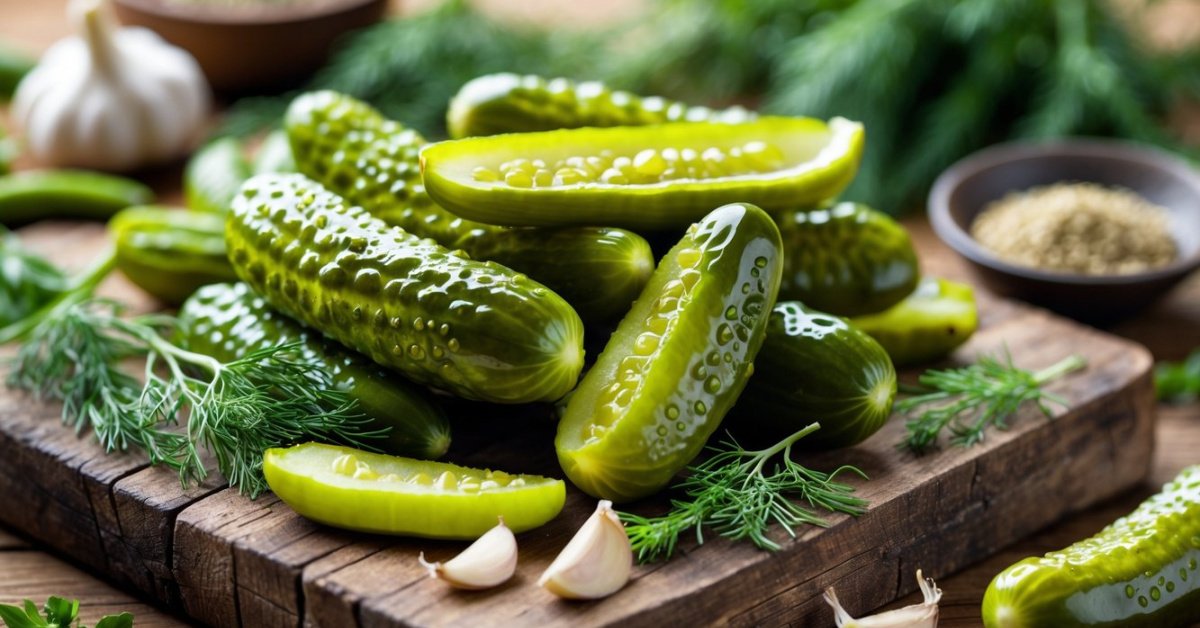
Whenever I sit down to a meal that includes pickles I can’t help but wonder about their journey across cultures and beliefs. Pickles aren’t just a tangy treat—they’ve got a place at the table in religious traditions around the world. From the crunch of kosher dills during Jewish celebrations to the spicy tang of achar in Indian rituals pickles have a way of making every meal feel special.
I’ve always been fascinated by how food connects us to something deeper. Pickles seem simple but their role in religious practices tells a much richer story. They’re more than just a side dish—they’re a symbol of tradition memory and sometimes even faith.
Historical Significance of Pickles in Religious Traditions
Pickles in religious traditions often symbolize preservation, purity, and the continuity of custom. Jewish communities count kosher pickles among key ritual foods, especially during Passover and Hanukkah; I notice how brined cucumbers align with kosher law by excluding vinegar and using only salt, garlic, and dill (source: My Jewish Learning). Hindu households commonly prepare lemon or mango achar for religious ceremonies, where pickles’ longevity and careful preparation reflect the importance of purity and ritual cleanliness (source: The Hindu).
Christian Orthodox fasting periods in Eastern Europe sometimes feature pickled vegetables like cabbage and beets, since fermentation supports dietary rules by enhancing plant-based sustenance (source: Orthodox Christian Information Center). Islamic kitchens often serve pickled olives, limes, or turnips during Ramadan meals, with pickles providing flavor diversity and aiding digestion after long fasts.
Buddhist monks in Japan and Korea turn to tsukemono and kimchi, as fermented pickles deliver nutrition and complement simple vegetarian meals prepared under spiritual guidelines. Ancient texts highlight how pickling enabled communities to store food across seasons, ensuring sustenance through times of scarcity, celebration, or ritual observance. Through each of these religious practices, I see that pickling emerges as more than a food technique—it’s a sustained connection to heritage, belief, and resilience.
Pickles in Hindu Food Practices
Pickling holds a central place in Hindu culture. I see pickles not just as condiments but as sacred foods connecting tradition, seasonality, and spirituality.
Types of Pickles Used in Rituals
Lemon achar, mango achar, and Indian gooseberry (amla) pickles mark the most common types involved in Hindu ceremonies. I prepare lemon pickle by sun-curing sliced lemons with salt and turmeric, a method used during Navratri offerings. Mango pickle features sliced unripe mangoes, mustard oil, and traditional spices, integral to summer rituals like Gudi Padwa. Amla pickle, loaded with vitamin C, appears during Makar Sankranti for symbolic purity and health. Mixed vegetable pickles, such as carrot and green chili achar, sometimes feature in community feasts (langars), especially in North Indian Hindu temples.
Symbolic Meanings and Festive Occasions
In Hindu rituals, I value pickles as symbols of renewal, cleansing, and abundance. Salt in pickles represents absorption of negativity, while sun-curing invokes the transformative power of Surya, the sun deity. During weddings, sharing mango or lemon achaars signifies joy and enduring family bonds. Festivals like Holi and Diwali highlight pickled foods on thalis to bless meals and invoke prosperity. For fasting days (vrat), I use satvik pickles without onion, garlic, or synthetic vinegar to maintain ritual purity, following norms described in Ayurvedic texts. Pickles connect generations, since family recipes pass down and accompany rites from birth to ancestor worship (shraddha).
Pickles in Jewish Food Customs
Pickles anchor countless Jewish meals and celebrations. I find that pickling traditions connect Jewish kitchens to ancient dietary customs and seasonal rhythms.
Kosher Pickles and Dietary Laws
Kosher pickles follow strict Jewish dietary laws, known as kashrut, which guide every stage of preparation. I use only kosher salt, ensuring no anti-caking additives or non-kosher ingredients. For brine, I never use vinegar in traditional kosher dills—fermentation relies on saltwater, garlic, dill, and whole spices. Equipment must be scrupulously clean, avoiding cross-contamination with non-kosher foods, as I maintain separate utensils for milk and meat foods in my kitchen (per the laws of separation). Pickled cucumbers, green tomatoes, and peppers—each made with supervision or rabbinic certification—populate deli fridges and Sabbath tables. By following these practices, I preserve both flavor and faith through every fermented batch.
Pickles During Religious Holidays
Pickles hold a central place during major Jewish holidays and life-cycle events. For Passover, I prepare pickles without leavening agents, using whole spices and salt brine ingredients that meet strict Passover standards. On Hanukkah, I serve tangy kosher dills and pickled beets alongside potato latkes and dairy foods, as their bright flavors cut through rich dishes. During Rosh Hashanah, sweet-sour pickled carrots or apples appear on my table as symbols of hope and renewal for the new year. At Purim feasts or bar/bat mitzvahs, assorted pickled vegetables complement traditional celebratory spreads. This cyclical sharing of pickles cements a sense of togetherness, memory, and continuity within Jewish life.
Pickles in Islamic Culinary Practices
Pickles carry deep meaning in Islamic kitchens, where I always see them served to refresh the palate, support digestion, and balance robust flavors. These tangy accompaniments show up on daily tables and during religious observances.
Pickles in Ramadan and Other Celebrations
Pickles appear daily during Ramadan iftar, and I always notice their role in easing fast-breaking across many regions. Families in Turkey, Egypt, and the Middle East offer torshi (mixed vegetable pickles), pickled lemons, and olives alongside dates and soup. I see pickled mango and carrots at Eid feasts, where they add sharp, bright notes to rice, lamb, and stews. Even during weddings and mawlid gatherings, people share pickles to symbolize blessings and hospitality, reflecting their status as a sign of abundance.
Preparation Methods According to Halal Guidelines
Halal pickling emphasizes lawful ingredients and cleanliness, and I always follow these rules in my own kitchen. I use fresh vegetables from my garden, clean water, non-alcoholic vinegar, halal spices (like coriander, cumin, garlic), and coarse salt without additives. Classic methods in my experience rely on lactic acid fermentation or vinegar brines, skipping any wine-based vinegars, gelatins, or cross-contaminated utensils. I sterilize jars and observe proper storage to maintain ritual purity. Every batch reflects mindfulness, respect for halal principles, and centuries-old food wisdom found in Muslim cultures worldwide.
Other Religious and Cultural Perspectives on Pickles
Many cultures beyond Hindu, Jewish, and Islamic traditions integrate pickled foods into daily and ceremonial life. I see pickles act as a common language among communities in East Asia, Eastern Europe, Africa, and the Americas, each with unique approaches.
- East Asian Pickles: Korean kimchi and Japanese tsukemono appear in both Buddhist and Shinto practices. Kimchi, especially napa cabbage or radish, aligns with ancestral rites like Jesa, while tsukemono, including takuan and umeboshi, enhances ritual vegetarian meals. Both reflect respect for seasonality and fermentation’s spiritual symbolism.
- Christian Orthodox Traditions: Slavic and Balkan countries use pickled vegetables—cucumbers, beets, and cabbage—during lengthy Lenten fasts. I note how strict fasts ban animal products, so home-pickled foods provide vital flavor and nutrition, reinforcing the link between preservation, abstinence, and faith.
- African Fermented Pickles: In Ethiopian and Eritrean Orthodox communities, I often find Torshi (pickled vegetables like carrots, cabbage, and beets) on religious fast days. These pickles, prepared without animal ingredients or added sugars, support the month-long fasting calendar while reflecting indigenous pickling knowledge.
- Indigenous American Adaptations: Native communities from Alaska to South America preserve wild-harvested foods—like seal intestines, wild garlic, and peppers—through pickling, ensuring sustenance for ceremonial feasts and communal meals. Here, pickling merges survival, respect for the land, and continuity of tradition.
- Southeast Asian Ceremonies: Filipino atchara (green papaya pickle) and Indonesian acar (cucumber, carrot, and shallot) are offered alongside festive dishes at baptisms, weddings, and major holidays. My experience shows pickled condiments signify abundance, hospitality, and mindfulness about seasonal produce.
Pickling methods adapt to regional climates, available produce, and spiritual guidelines. Salt-cured, lactic-fermented, and vinegar-brined styles connect gardeners, cooks, and religious communities in shared acts of preservation and celebration. Gardening for pickles supports self-sufficiency, and I find that home-pickled foods anchor my sense of belonging, tradition, and faith—across all cultures.
Modern Interpretations and Evolving Practices
Modern interpretations of pickled foods in religious practices blend tradition with innovation. I see synagogues, temples, and mosques globally now adapting pickled recipes to local produce—like quick-pickled radishes instead of traditional cucumbers, or using apple cider vinegar for kosher dills in American Jewish homes. Prep times shorten with refrigeration and pressure canning, while home gardeners—myself included—experiment with heirloom vegetables and organic spices to honor both sustainability and faith.
Contemporary practitioners integrate pickles into evolving dietary needs. For example, gluten-free communities request wheat-free spice blends for satvik pickles in Hindu fasts, while vegan Israelis opt for lacto-fermentation without animal byproducts during Passover. Artisan pickle makers—often from my gardening circles—use small-batch methods to create pickled relishes for Ramadan iftars and Diwali feasts, emphasizing both flavor complexity and clean living.
Religious rituals now inspire new pickling trends. Local community gardens host workshops on ethical sourcing for pickled items, connecting spiritual values to environmental responsibility. In my experience, more interfaith gatherings feature shared platters of pickles, from kimchi to kosher dills, celebrating culinary diversity while sustaining the symbolism of renewal and togetherness. Pickling still preserves more than food—it continues to adapt and nurture community, resourcefulness, and reverence in ever-changing contexts.
Conclusion
Discovering the world of pickles in religious food practices has shown me just how much meaning can be packed into a single bite. Every tangy crunch links generations and brings people closer to their roots and beliefs.
I’m always amazed by how pickles can transform simple meals into moments of reflection and connection. Whether shared at a festival, a family table, or a sacred ceremony, pickles remind me that food is never just about eating—it’s about honoring stories, values, and the bonds we share.