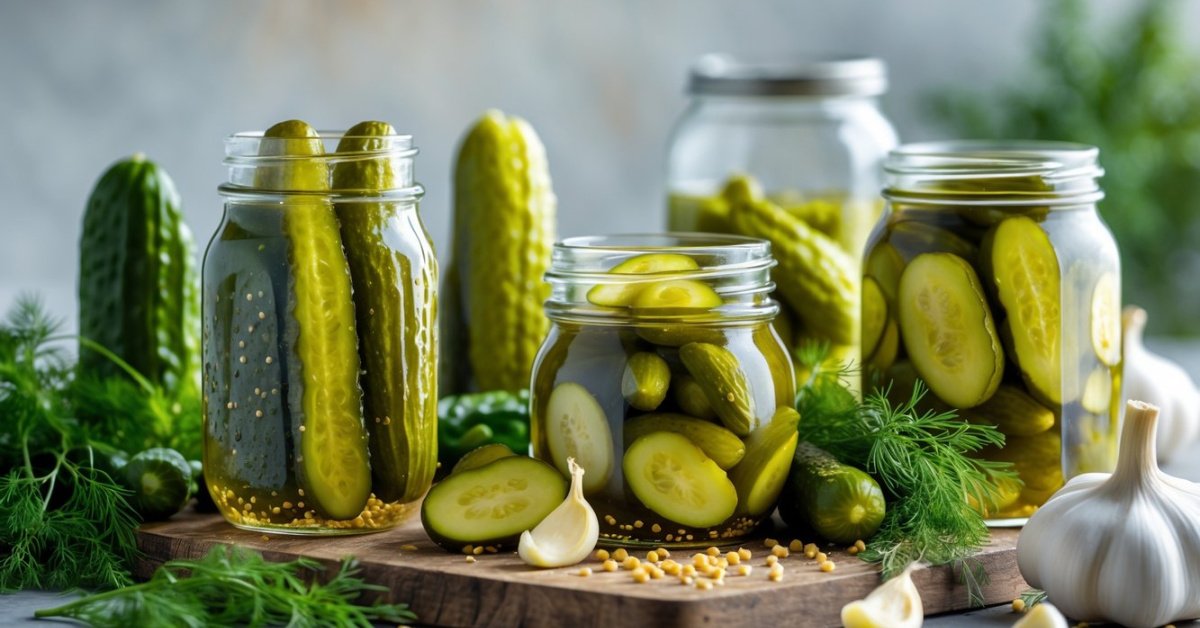
I’ve always loved the tangy crunch of a good pickle but finding options that fit a diabetic-friendly lifestyle can be tricky. Most store-bought pickles sneak in added sugars that just aren’t necessary for great flavor. That’s why I started making my own sugar-free pickles at home.
If you’re trying to manage your blood sugar or just want a healthier snack these recipes are perfect for you. With a few simple swaps and fresh ingredients you’ll have delicious pickles that everyone can enjoy—no sugar needed. Let’s dive into the world of homemade pickles that are just as satisfying as the originals.
Understanding Sugar-Free Pickles
Sugar-free pickles use vinegar, salt, and spices for preservation and taste, skipping processed sugars found in standard recipes. I’ve often found that omitting sugar doesn’t just lower the glycemic load—it also lets the true flavor of cucumbers, dill, garlic, and other homegrown ingredients shine.
Most sugar-free pickle recipes rely on apple cider vinegar, distilled white vinegar, or red wine vinegar for acidity. I always check that the vinegar has at least 5% acidity for safe pickling. Salt, I prefer non-iodized varieties like pickling salt or kosher salt, draws out excess moisture and creates a crisp texture in pickled cucumbers, green beans, and peppers. Common spices in my pantry—mustard seed, black peppercorns, coriander, and crushed red pepper flakes—enhance the profile of each batch without hidden sugars.
Commercial pickles often contain dextrose or corn syrup as sweeteners, which I avoid when prepping recipes for those with diabetes or folks preferring a natural diet. Instead, I sometimes add stevia or monk fruit, but usually skip sweeteners altogether when the end goal is a crisp, tangy snack.
I always source my produce from my garden for the freshest results, since fresher veggies absorb pickling brine more quickly and maintain better structure. Making sugar-free pickles offers a direct way to control all ingredients, remove unnecessary additives, and enjoy a healthier staple throughout the year.
Benefits of Sugar-Free Pickle Recipes for Diabetics
Sugar-free pickle recipes support blood sugar management since they don’t introduce added sugars that spike glucose levels. I use fresh cucumbers, vinegar, and aromatic herbs, keeping carbs low for anyone tracking glycemic impact.
Homemade sugar-free pickles offer control over ingredients, using garden-fresh produce and avoiding processed additives. When I grow my own cucumbers and garlic, I ensure peak nutrients and the best crunch while excluding unwanted chemicals.
Natural fermentation or vinegar-based recipes deliver gut-friendly probiotics and encourage healthy digestion, especially with raw garlic or dill. Nutritional research highlights that live cultures in pickles with no sugar added may help improve glucose balance for diabetics (source: American Diabetes Association).
Texture and flavor get enhanced in sugar-free recipes thanks to pure brines and spices. Pungent mustard seeds, peppercorns, and crisp vegetables shine when sweeteners aren’t masking them.
Sugar-free pickles become year-round healthy snacks or side dishes that fit into diabetic meal plans. My pantry is full of versatile jars that I grab for sandwiches, salads, and even snacking, confident that they keep my health and passion for pickling aligned.
Essential Ingredients and Tips for Sugar-Free Pickling
Perfect sugar-free pickles depend on fresh produce, the right brine components, and attention to detail. Through years of pickling and gardening, I’ve refined my process for deeply flavored, diabetic-friendly results that keep crisp in every jar.
Choosing the Right Vegetables
Firm, just-picked vegetables anchor high-quality sugar-free pickles. I always select cucumbers, green beans, cauliflower, radish, or carrots—examples like Kirby cucumbers and young green beans guarantee crunch. I wash and trim veggies right before pickling since even slight wilting lessens brine uptake. I source most from my own garden, where I control ripeness and pesticide use. If buying, I look for unblemished skin and uniform size, since these details yield even fermentation or pickling.
Safe and Natural Sugar Alternatives
Sweetness in pickling doesn’t need refined sugar. I use alternatives like stevia leaf, monk fruit extract, and erythritol—examples such as powdered erythritol or liquid monk fruit drop easily into brine without affecting acidity or texture. I always check that any alternative is heat-stable and doesn’t introduce aftertastes. When pickling for maximum probiotic benefit, I stick to traditional recipes using no sweetener, letting spices and aromatics contribute complexity. Examples like garlic, mustard seed, or dill used generously create balance and brightness without needing extra sugar.
Top Sugar-Free Pickle Recipes for Diabetics
I keep my sugar-free pickling simple, using time-tested methods and handpicked harvests from my garden. Each recipe below relies on vinegar, fresh vegetables, and pure spices, creating big flavors without raising blood sugar.
Classic Dill Pickles
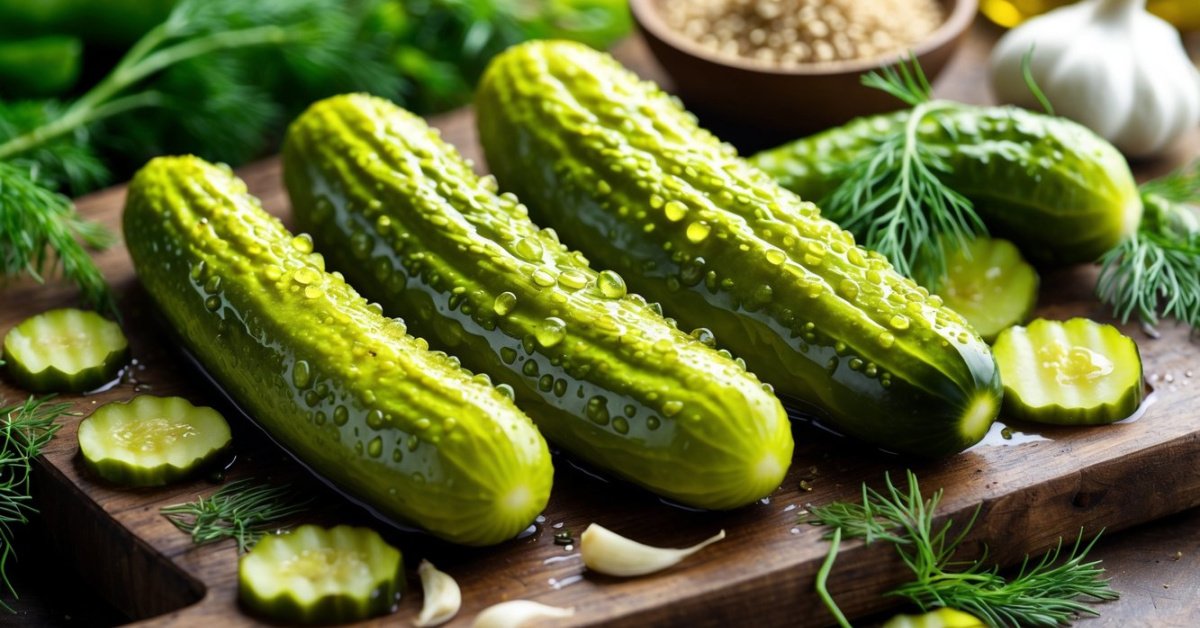
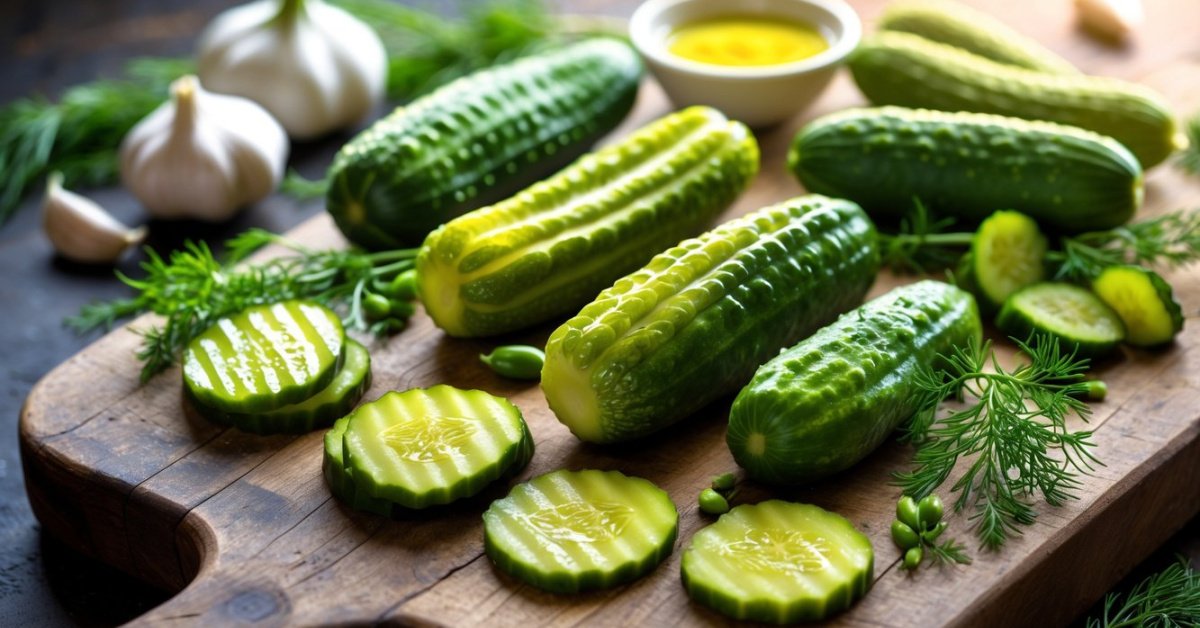
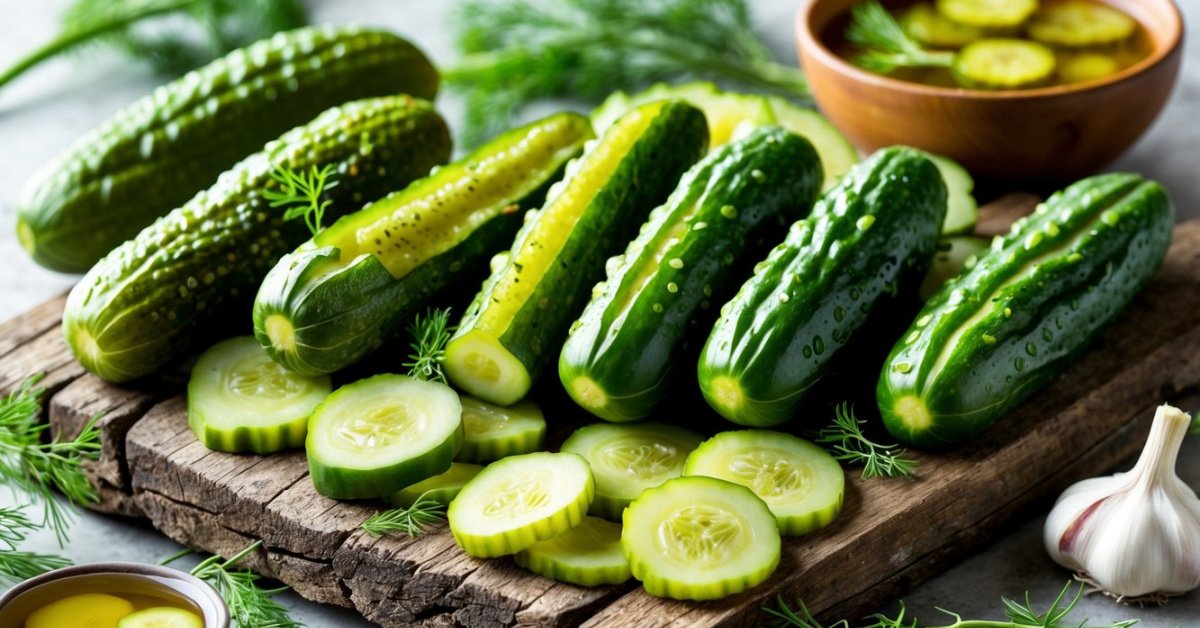
I slice Kirby cucumbers, packing them tightly with fresh garlic, dill sprigs, peppercorns, and a bay leaf. I cover them with a brine of 2 cups water, 1 cup vinegar (5% acidity), and 1.5 tablespoons non-iodized salt. I seal the jar and refrigerate it for at least 48 hours. These pickles keep their crunch and show off the herbal notes from garden dill and garlic. They stay free from sugars, relying on sharp vinegar for brightness.
Spicy Pickled Jalapeños
I use green jalapeños, slicing them with seeds for heat or deseeding for mildness. I combine 1 cup apple cider vinegar, 1 cup water, 1 tablespoon kosher salt, and add 1/2 teaspoon mustard seeds, 1/2 teaspoon coriander, and a smashed garlic clove. I let the jalapeños soak in this brine for 24 hours in the fridge. These pickled chilies make a topping for salads or tacos, delivering heat and tang with no sugar to interfere with the peppers’ bite.
Sweet and Sour Cucumber Pickles without Sugar
I mix thinly sliced cucumbers and red onions, sprinkle with salt, and let them drain for 30 minutes. I make a brine using 1 cup white vinegar, 1/2 cup water, 1/2 teaspoon stevia leaf (or monk fruit extract), and a mix of celery seed and mustard seed. I pour the brine over the veggies and chill for 24 hours. The natural stevia keeps these pickles bright and lightly sweet, balancing vinegar’s acidity for a classic sweet-and-sour taste backed by garden freshness.
Storing and Serving Sugar-Free Pickles
Proper storage of sugar-free pickles keeps their crisp texture and bright flavor intact. I always use sterilized glass jars with tight-fitting lids, as these block unwanted bacteria and maintain freshness. For vinegar-based sugar-free pickles, I store jars in a cool, dark pantry for up to 12 months if the seal remains unbroken. Once opened, I refrigerate the jar and consume the pickles within 2 months to ensure the brine stays potent and the vegetables don’t soften.
Fermented sugar-free pickles, like traditional sour dills or pickled radishes, require a different approach. I store them in the refrigerator after fermentation finishes, usually at the tanginess I prefer, which takes between 1 and 3 weeks. Keeping fermented jars sealed in the fridge slows further fermentation, preserving taste and crunch for up to 4 months. I always check for cloudy brine or off smells as signs of spoilage, discarding any pickles that smell musty to protect health.
When serving sugar-free pickles, I use chilled pieces straight from the fridge for best flavor and snap. I like providing mixed pickle trays with dill pickles, spicy vegetables, and fresh pickled herbs, making sure each piece delivers distinct textures and taste. For gatherings, I slice large pickles into spears or chips, portioning for easy snacking or layering on sandwiches. I sometimes sprinkle minced fresh herbs over pickles before serving, enhancing aroma and appearance without adding sugar or calories.
Keep tongs or clean forks on hand for pickles at the table or buffet. I never return used utensils or uneaten pickles to the storage jar, since this keeps brine uncontaminated and pickles fresh. Sugar-free pickles pair well with hearty breads, lean meats, or light salads, adding a crisp, tangy bite that’s both satisfying and diabetes-friendly.
Conclusion
Making sugar-free pickles at home has opened up a whole new world of flavor and creativity for me. I love knowing exactly what goes into each jar and being able to enjoy crunchy, tangy pickles without worrying about added sugars.
If you’re looking to support your health or just want a fresher take on a classic snack, homemade sugar-free pickles are a simple and rewarding choice. I hope you’ll give these recipes a try and discover just how easy and delicious healthy pickling can be.