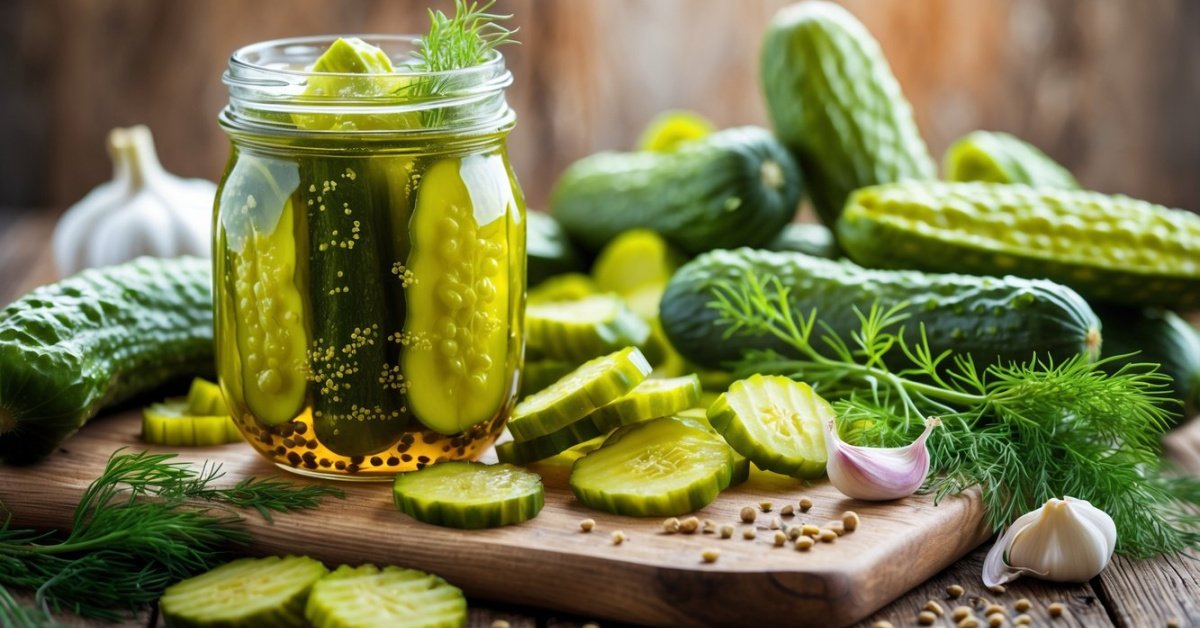
There’s something special about biting into a crisp dill pickle that I made myself. The tangy crunch brings back memories of summer picnics and family gatherings, and I love knowing exactly what’s gone into every jar. Making classic dill pickles at home isn’t just fun—it’s surprisingly simple and incredibly rewarding.
I used to think pickling was complicated or required fancy equipment, but I quickly learned that anyone can do it with just a few basic ingredients and a little patience. If you’ve ever wanted to try your hand at homemade pickles, you’re in for a treat. Let me show you how easy it can be to create your own batch of classic dill pickles right in your own kitchen.
Why Make Classic Dill Pickles at Home
Control stands out as the key benefit when I make classic dill pickles at home. I choose every cucumber, measuring freshness by the firmness and color of each one from my garden or local market. Flavor customization lets me adjust garlic, dill, and spice levels, yielding jars that match my taste exactly, unlike standardized store-bought versions. Quality assurance means I skip preservatives and questionable additives, using only vinegar, salt, and herbs.
Self-sufficiency matters in home pickling. Preserving homegrown cucumbers helps me reduce food waste and extend my harvest season. Sustainable food storage supports my goal of minimizing dependence on commercial products and ensuring I know what’s in my food.
Cost savings quickly add up. Bulk ingredients like cucumbers, vinegar, and canning salt cost far less than premade pickles, especially when I use produce I grow myself.
Pride in the process makes home pickling deeply satisfying. Sharing jars with friends, using pickles in recipes, or simply enjoying them straight from the fridge offers a daily reminder of my gardening and pickling skills.
By controlling every variable, maximizing quality, and supporting self-reliance, I find homemade classic dill pickles far surpass anything I could buy.
Essential Ingredients and Tools
Every batch of classic dill pickles starts with the right ingredients and kitchen basics. I always keep these on hand for consistent flavor and results.
Key Ingredients for Authentic Flavor
- Cucumbers
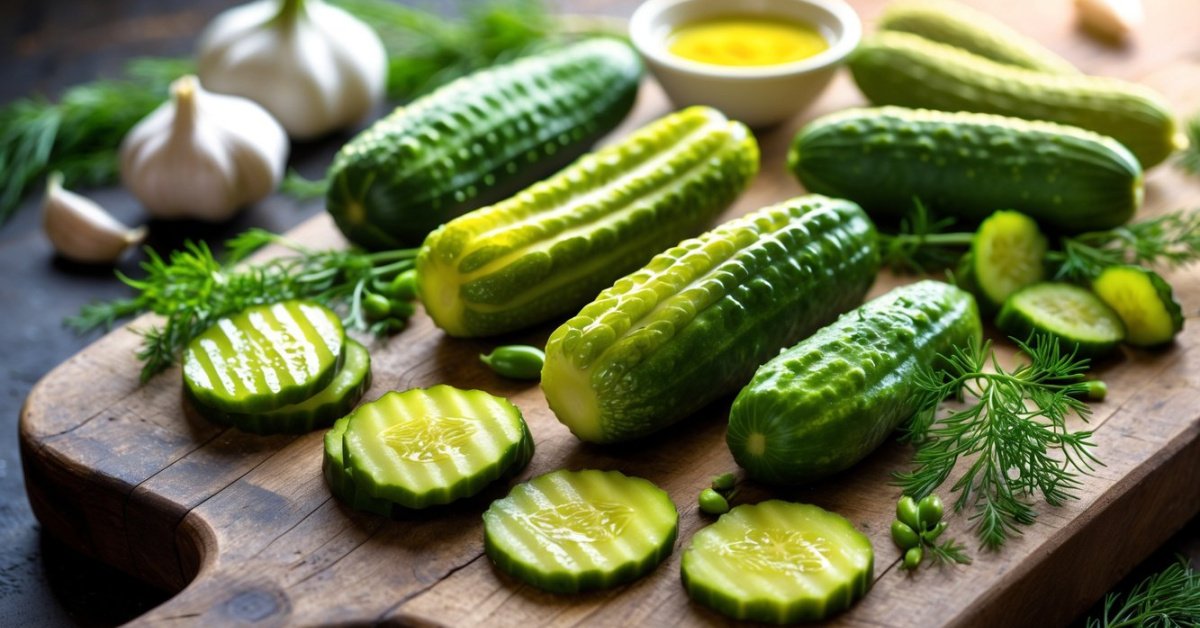
Fresh, firm pickling cucumbers, like Kirby or Boston pickling types, stay crisp and hold flavor best. I choose uniform sizes, ideally 3–4 inches long, for even pickling.
- Fresh Dill
Fragrant dill heads or sprigs deliver robust classic taste. I use mature seed heads from my garden or purchase bunches at local farmers’ markets.
- Garlic
Whole, peeled garlic cloves infuse each jar with a sharp bite. For stronger flavor, I crush the cloves lightly before adding.
- Vinegar
Distilled white vinegar with 5% acidity preserves color and shelf life. Occasionally, I use apple cider vinegar for a subtle sweetness.
- Water
Filtered water prevents minerals from clouding the brine. For consistent results, I avoid hard tap water.
- Pickling Salt
Pure pickling or canning salt, which is free of additives, keeps the brine clear. Table salt often contains anti-caking agents that affect texture.
- Spices
Mustard seeds, peppercorns, and crushed red pepper flakes boost the flavor profile. I adjust for batch size and spice preference.
Equipment You’ll Need
- Glass Jars with Lids
Wide-mouth pint or quart Mason jars make packing cucumbers easy. I always check lids and bands for tight seals before use.
- Large Pot
A heavy-bottomed stockpot, at least 6 quarts, handles the brine. I use stainless steel to avoid flavor transfer from reactive metals.
- Canning Funnel
A wide-mouth funnel keeps jars clean when pouring hot brine.
- Tongs or Jar Lifter
Heatproof tongs or a proper canning jar lifter safely move hot jars.
- Measuring Cups and Spoons
Accurate measurements guarantee proper ratios for brine, vinegar, and salt.
- Clean Kitchen Towels
Lint-free towels help wipe jar rims to ensure a tight seal.
I rely on these simple components and tools every time. This setup creates reliable pickling results, batch after batch.
Step-By-Step Guide: How to Make Classic Dill Pickles at Home
Creating classic dill pickles at home always comes down to method and patience. I rely on proven steps to lock in flavor and crunch using simple, well-chosen tools.
Preparing the Cucumbers
I start my process by selecting small, fresh pickling cucumbers—typically 4–5 inches long—for crisp results. I wash each cucumber thoroughly, then trim a thin slice from the blossom end, since the blossom contains enzymes that soften pickles. Once dried, I keep cucumbers cold until brining, ensuring maximum crunch.
Making the Brine
I combine 2 cups distilled white vinegar, 2 cups filtered water, and 2 tablespoons pickling salt to create a classic dill pickle brine. I stir the mixture in a non-reactive saucepan and bring it to a gentle boil, stirring until salt dissolves completely. Sometimes, I add 1 tablespoon mustard seeds and 1 teaspoon black peppercorns for aromatic depth.
Packing and Sealing the Jars
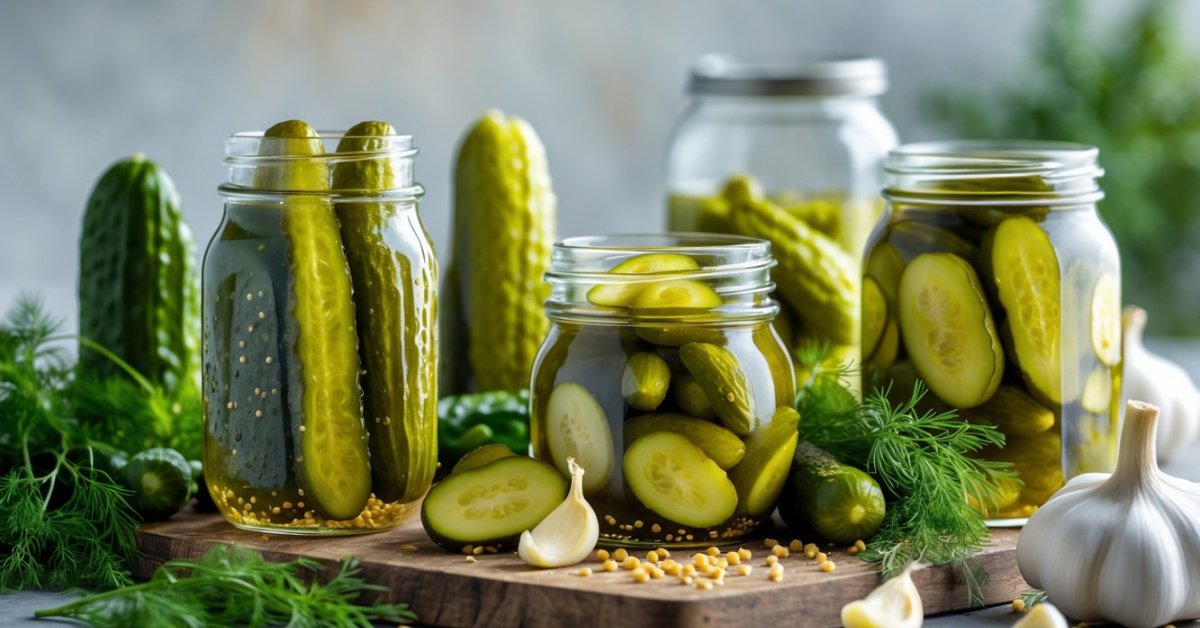
I place 2–3 garlic cloves and a generous bunch of fresh dill in each clean glass jar. I tightly pack the prepared cucumbers upright, leaving about ½ inch of headspace at the top. I pour the hot brine over the cucumbers, covering them fully but leaving headspace. Using a clean towel, I wipe jar rims before sealing them tightly with lids.
The Pickling Process
I allow the jars to cool to room temperature, then store them in the refrigerator or process them in a boiling water bath for shelf-stable results. Pickles reach peak flavor in about 7–10 days under refrigeration. For shelf storage, I process jars in a boiling water bath for 10 minutes, confirming lids seal fully by checking for an indented center after cooling. I label jars with the packing date for easy rotation.
Tips for Perfect Homemade Dill Pickles
Small adjustments and close attention to detail unlock classic dill pickles with crisp texture and bold flavor. I always maximize each batch by focusing on balance, freshness, and method.
Flavor Variations and Add-Ins
Flavor combinations let me personalize every jar. I use extra garlic cloves, sliced jalapeños, or red pepper flakes for a zesty kick. Coriander seeds, bay leaves, or fresh sprigs of tarragon deepen the herbal profile. I sometimes add thinly sliced onions, horseradish slices, or grape leaves for subtle differences in crunch and taste. Whole black peppercorns, mustard seeds, or a hint of celery seed round out the blend.
Common Mistakes to Avoid
Cucumber choices affect crunch. I never use waxed or overripe cucumbers; only firm and small ones stay crisp. Hot brine poured over cool cucumbers minimizes softening. I avoid iodized salt and stick with pure canning or pickling salt to prevent cloudiness or off flavors. Careful removal of air bubbles from the jars protects against spoilage. I always ensure jars, lids, and utensils are sterilized before packing for food safety and lasting shelf life. Overpacking jars or rushing the pickling time causes uneven brining and limp pickles, so I give each batch enough space and 48 hours minimum before tasting.
How to Store and Serve Your Dill Pickles
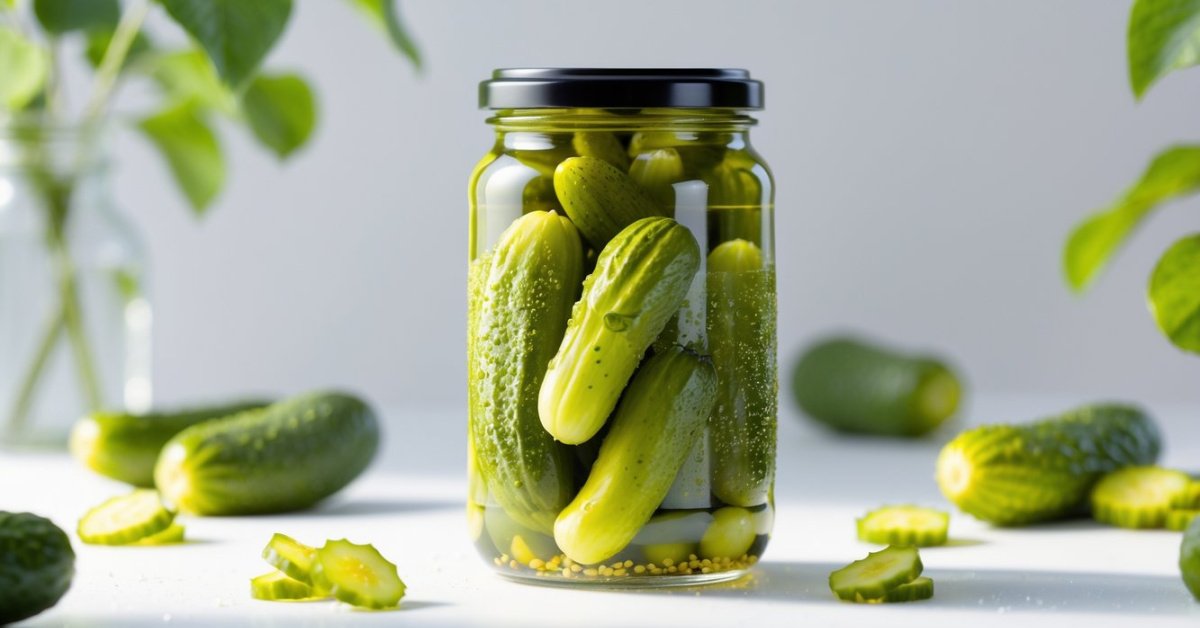
Proper storage keeps classic dill pickles crisp and flavorful. I always keep refrigerator pickles in sterilized glass jars with tight-sealing lids. I store them in the fridge at or below 40°F (4°C), making sure they stay submerged in brine at all times to prevent spoilage. Refrigerator pickles reach peak flavor after 1-2 weeks and stay fresh for up to 2 months; pickles processed in a boiling water bath last about 1 year when kept in a cool, dark pantry. I write the date on each jar to track freshness.
Serving dill pickles brings out their tangy, garden-fresh snap. I slice spears, halves, or rounds for sandwiches and burgers. I chop pickles into relish for potato salad, egg salad, or deviled eggs. Whole pickles make easy snacks alongside cheese, charcuterie, or roasted nuts. I use the leftover brine for chicken marinades, salad dressings, or a pickle-flavored Bloody Mary.
Display matters at gatherings. I arrange pickle spears in shallow trays or mason jars with fresh dill sprigs and garlic cloves for an inviting presentation. Small dishes at each table let guests enjoy pickles as a tangy palate cleanser between courses. I offer different shapes, spice levels, and varieties to showcase the diversity possible with home pickling.
Maintaining quality means checking every jar before serving. I never serve pickles if the brine appears cloudy, if the lid bulges, or if there’s any off-odor; this ensures food safety every time.
Conclusion
Making classic dill pickles at home has brought so much joy and flavor to my kitchen. Every jar feels like a little celebration of fresh ingredients and simple pleasures.
If you give it a try I think you’ll be surprised by how easy and fun the process can be. There’s something extra special about sharing a crunchy homemade pickle with friends and family.
So grab some cucumbers and your favorite spices and start your own pickling adventure. Before you know it you’ll have a batch of tangy crisp pickles that you can truly call your own.