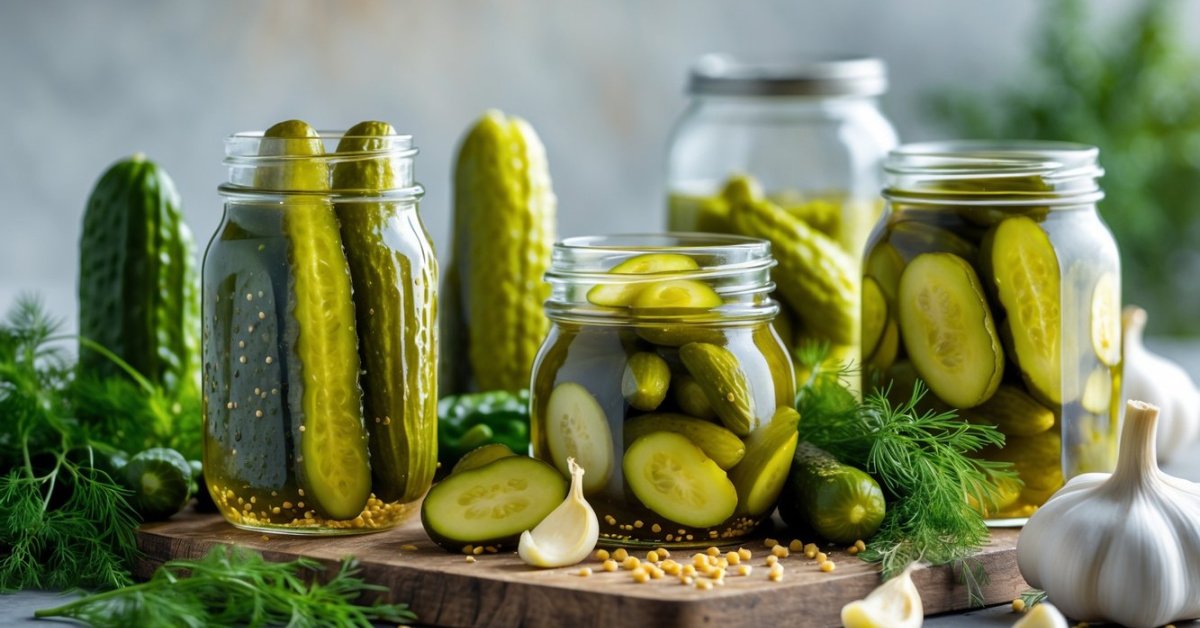
I’ve always loved the bright punch of pickles and the creamy comfort of risotto, so one day I thought, why not bring them together? The idea of tangy brine swirling into tender rice sounded a little wild at first, but I couldn’t resist giving it a try.
The result? A risotto that’s lively, unexpected, and totally addictive. If you’re looking to shake up your weeknight dinners or impress friends with something new, this pickle-infused risotto is just the ticket. I promise it’s easier than it sounds and delivers a burst of flavor in every bite.
Overview of Pickle-Infused Risotto Recipe
Pickle-infused risotto offers a direct way to introduce fermented flavors into a classic creamy rice dish, using both pickle brine and chopped pickles for maximum impact. The brine, taken from homemade jars, gives the arborio rice a tangy brightness that offsets the dish’s natural richness. Chopped pickles, folded in just before serving, give crisp bursts of tartness and a compelling aromatic profile.
Risotto absorbs the pickle flavors well due to its starches and open grain. When cooked slowly, the rice develops an even texture as it releases starch and binds with the tang of the brine. For the base, I use broth, pickle brine, and reserved pickle juice in measured amounts to balance acidity.
I find the best results with homegrown dill pickles, using brine crafted from my dill, garlic and garden cucumbers. If you want something spicier, you can swap in brine from pickled jalapeños or add hot pepper flakes to the rice. Cheese types matter too—aged parmesan or sharp cheddar add savory notes that match the pickle tang without overpowering it.
Serving this pickle-infused risotto warm highlights the brine’s brightness and the pickles’ crunch. This technique spotlights how pickling can enrich not only condiments but main dishes, opening new directions for those passionate about fermenting and gardening.
Ingredients and Preparation
My pickle-infused risotto recipe lets home picklers spotlight preserved flavors using simple techniques and fresh garden harvests. This method maximizes taste and texture by integrating both brine and pickles for full-bodied depth.
Key Ingredients
- Arborio rice—short-grain and high-starch varieties yield a creamy texture. I use arborio from my own garden for best results.
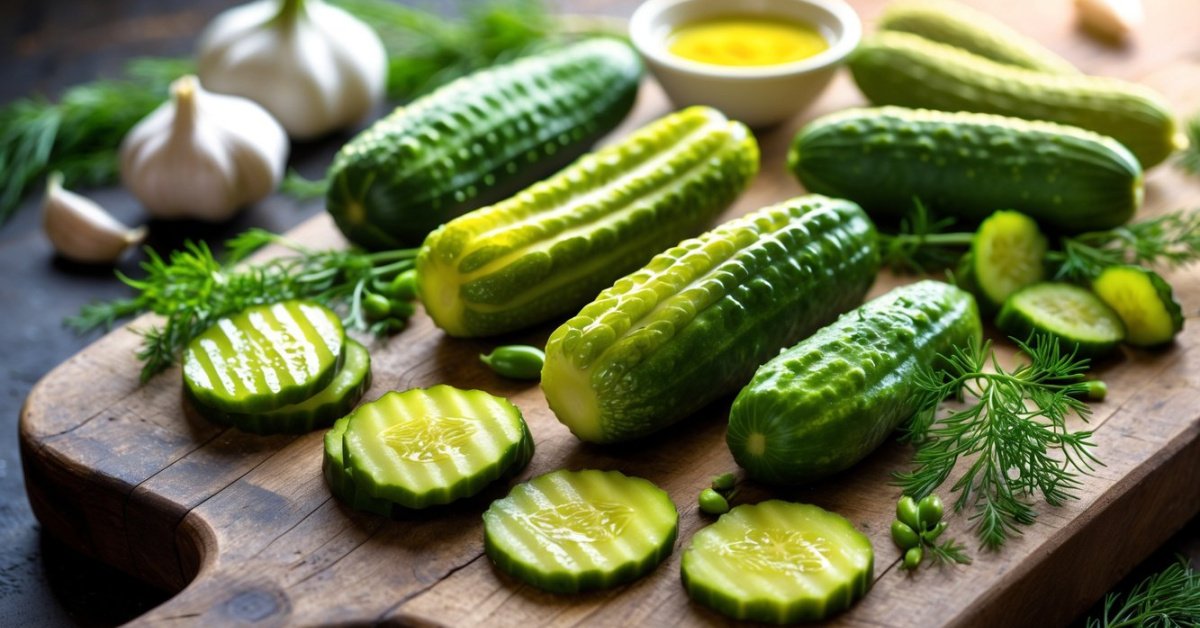
- Homemade dill pickles—crisp spears or chips sliced finely, whether classic, spicy, or garlic-heavy, work well.
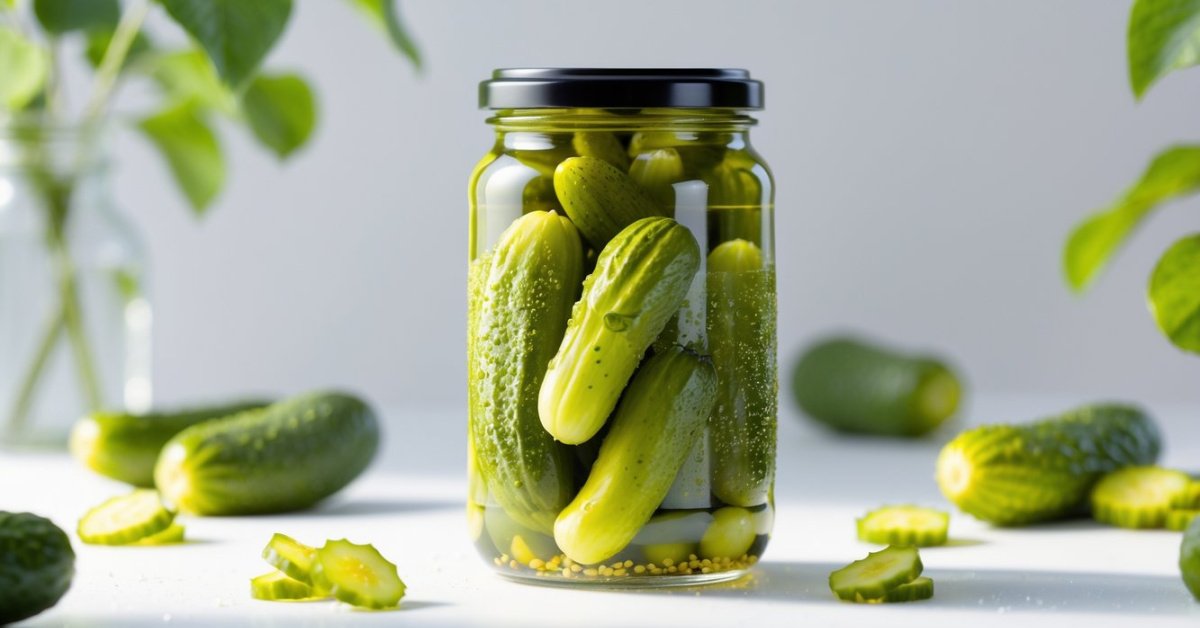
- Pickle brine—tangy liquid left from homemade jars brings acidity and a unique salt profile.
- Vegetable broth—homemade from scrap vegetables like onion skins and carrot tops balances the briny notes.
- Yellow onion—finely diced, sautéed to a translucent finish.
- Garlic—minced to highlight fermented flavors.
- Parmesan cheese—freshly grated to meld the grain with the punchy brine.
- Butter—unsalted, for creaminess and to finish the risotto.
- Fresh dill—snipped tops reinforce garden herb brightness.
- Black pepper—freshly cracked, for aromatic depth.
Step-by-Step Preparation Process
- Sauté aromatics. Melt butter, add yellow onion, then garlic, stirring until translucent, not browned.
- Toast rice. Stir in arborio rice, coating grains until edges shine and a nutty fragrance develops, about 2 minutes.
- Deglaze with brine. Pour ¼ cup pickle brine into the pan, scraping the bottom to capture fond and distribute acidity.
- Add broth gradually. Ladle warm vegetable broth, stirring constantly, letting rice absorb liquid before adding more. Repeat for 15–18 minutes, using about 3–4 cups.
- Fold in pickles. Add diced pickles during the last 5 minutes, allowing them to retain crunch but release flavor.
- Finish with cheese and herbs. Remove from heat, stir in parmesan and chopped dill, season with pepper, and adjust salt after tasting—brine provides its own salinity.
- Serve warm. Plate immediately for best texture, garnishing with extra pickles or dill.
This process unlocks layers of pickle character in every bite, making every harvest and every jar count in my kitchen.
Taste and Texture Analysis
Pickle-infused risotto delivers a layered flavor profile and pleasing texture, balancing tangy brine with creamy rice. Each forkful highlights both the qualities of pickling and the careful method used during preparation.
Flavor Profile
Pickle-infused risotto features tang, umami, and fresh herbal notes. Dill pickles and their brine contribute sharp acidity and gentle sweetness, with every spoonful reflecting pickled cucumber’s iconic zest. Fresh dill amplifies green aromatics while Parmesan cheese rounds out the dish with salty depth. The rice absorbs these pickle flavors due to its high amylopectin content, creating bold, persistent bursts of savoriness. I’ve found homemade pickles created with my own garden-grown cucumbers deepen the complexity markedly compared to store-bought jars. I sometimes layer in jalapeño brine or garlic pickles for additional dimension and heat.
Texture and Consistency
Pickle risotto achieves characteristic creaminess, punctuated by crisp-tender pickle pieces. The arborio rice, cooked slowly in brine and broth, becomes rich and velvety without turning mushy. Chopped pickles retain crunch, creating contrast with the luxurious starch. Butter and Parmesan cheese ensure a silky finish, but the brine keeps the overall dish from feeling heavy. I prefer to serve the risotto while it’s hot, maximizing both the crunch of the vegetables and the rice’s creamy emulsion. When I use thicker-sliced pickles or different cucumbers, the texture shifts subtly, always giving a new way to experience my garden’s harvests through the art of pickling.
Serving Suggestions and Pairings
Pickle-infused risotto stands out in any meal thanks to its punchy, garden-grown brightness. I find the right serving choices let the tang and texture shine while celebrating everything pickling does best.
Best Accompaniments
- Roasted Vegetables
I pair pickle-infused risotto with roasted root vegetables like carrots, beets, and parsnips to echo garden-fresh flavors and balance the tang with earthy, caramelized notes.
- Seared Proteins
I serve grilled chicken thighs, pan-seared fish fillets, or crispy tofu beside the risotto, as clean proteins let the briny bite stand front and center.
- Fresh Salads
I set out garden salads dressed simply with olive oil, red wine vinegar, and more fresh dill to amplify herbal layers without adding heaviness.
- Fermented Relishes
I spoon kraut, giardiniera, or pickled onions on the side for those who appreciate a full, flavorful pickling spectrum alongside each bite of risotto.
Presentation Tips
- Family Style Plating
I mound the risotto in a wide shallow bowl, then scatter fresh dill sprigs and extra pickle slices on top for vibrant color and an irresistible, aromatic garnish.
- Individual Serving
I use smaller bowls, topping each serving with a parmesan crisp or a pickle chip for contrasting texture and a garden-inspired look.
- Table Display
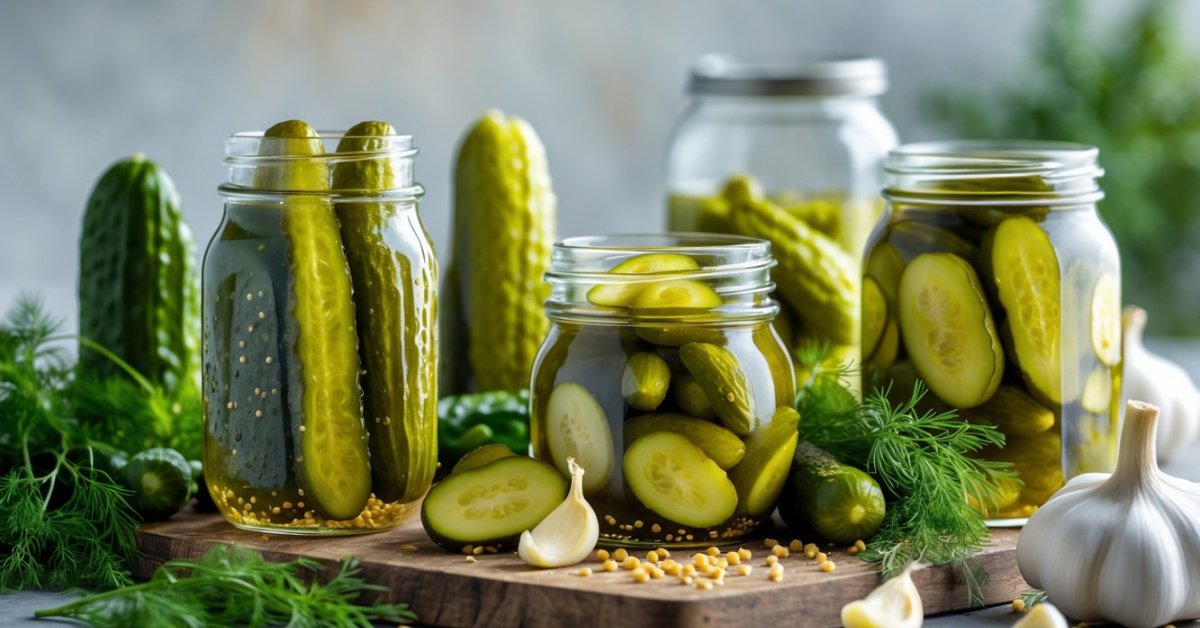
I set out jars of assorted homemade pickles, letting guests sample their favorites as add-ins or crunchy toppers, which also showcases the possibilities of pickle preservation in every course.
Each pairing supports the core flavors of the garden, fermentation, and self-sufficient, vibrant eating—just how I love to feature pickles at my table.
Pros and Cons of the Recipe
Pros
- Distinct garden-fresh flavor
I consistently get vibrant, tangy notes from the pickle brine and pieces, creating a bright contrast to risotto’s richness. Pickle enthusiasts and fermentation fans, for example, notice deeper, layered flavors unavailable in store-bought sides.
- Versatility for home picklers
I find the recipe adapts easily to any homemade pickle style—dill, spicy, or garlic. Gardeners with extra cucumbers, for instance, use their own preserves, guaranteeing a closed-loop, waste-free kitchen.
- Nutrient retention from fermenting
I maintain probiotic benefits and vitamin content, especially when adding fermented pickles in the last stage. Fermented pickles—like lacto-fermented garlic dills—give more value than those exposed to higher cooking temperatures.
- Sustainability and self-sufficiency
I use my own homegrown herbs, garden onions, garlic, and preserved brines, making this recipe a prime candidate for homesteading or seasonal eating enthusiasts. Every ingredient can reflect the garden’s output from my jars and beds.
Cons
- Acquired taste for new eaters
I’ve observed that the tang may surprise traditional risotto lovers or those new to pickles, especially if they expect mild comfort food. Less adventurous palates, like guests not used to fermentation, sometimes find the acidity intense.
- Ingredient specificity
I rely on fresh, high-quality pickles and brine for optimal taste. Store-bought, shelf-stable pickles—such as mass-produced spears—don’t provide the nuanced flavor of small-batch, home-fermented jars.
- Texture contrast may be divisive
I notice some diners prefer smooth risotto. Crisp pickle pieces, for example, disrupt the uniform creaminess, which isn’t everyone’s preference in classic risotto.
- Short shelf life for leftovers
I find that rice absorbs more brine over time, so leftovers might turn soggy or too sharp by day two. Unlike traditional risotto, pickle-infused versions—especially with fresh herb garnish—taste best fresh from the pan.
Conclusion
Trying out pickle-infused risotto has completely changed the way I think about comfort food. I love how this dish brings a playful twist to something classic and gives me a chance to use my favorite homemade pickles in a new way.
If you’re up for a little kitchen adventure or just want to surprise your taste buds, this recipe is worth a try. I can’t wait to hear how it turns out for you and what fun variations you discover along the way!