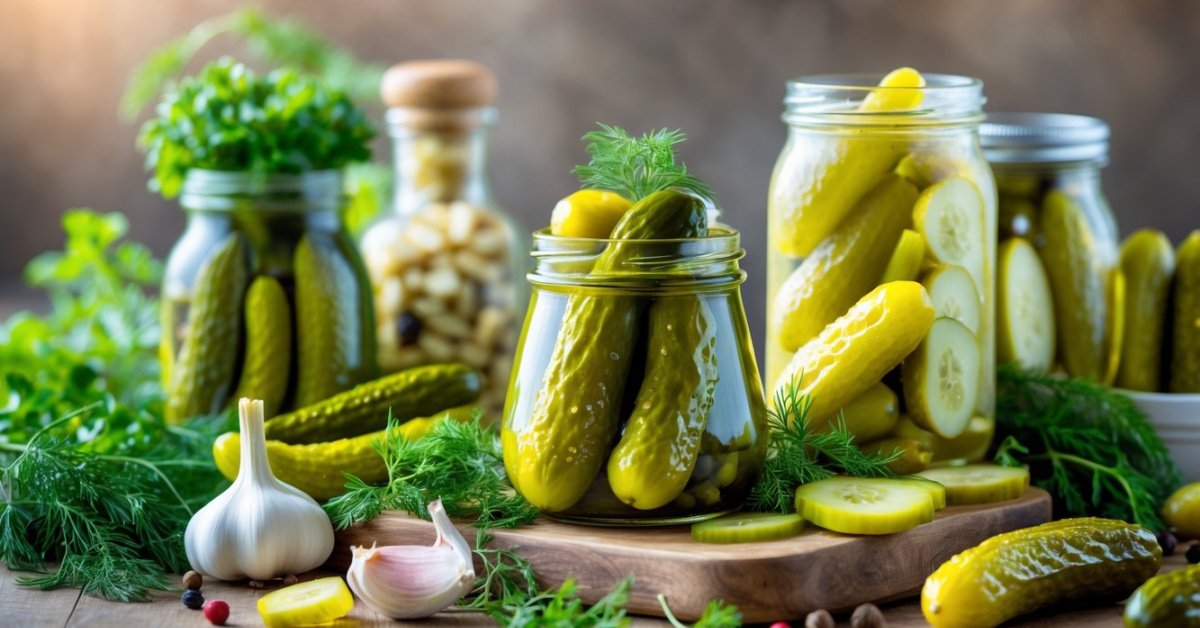
I’ve always loved discovering new ways to add bold flavors to my meals and pickled garlic cloves quickly became one of my favorite finds. They’re not just for garlic lovers—these tangy little gems bring a punch of flavor to just about anything. Whether I’m tossing them into salads or using them as a zesty topping for pizza they never disappoint.
What I enjoy most is how pickled garlic transforms an ordinary dish into something unforgettable. It’s got the right balance of sharpness and sweetness and it’s surprisingly easy to keep on hand. If you’re curious about elevating your everyday meals with a simple yet powerful condiment you’re in for a treat.
What Are Pickled Garlic Cloves?
Pickled garlic cloves are whole or sliced garlic bulbs preserved in a vinegar-based brine. I create mine using fresh garlic harvested from my garden, then immerse each clove in a solution often made with distilled white vinegar, water, and salt. Some recipes include herbs, like dill or thyme, or spices, like peppercorns, to add complexity.
Pickling softens garlic’s natural sharpness and brings out a gentle sweetness while infusing every clove with tangy flavors. I store my pickled garlic in airtight glass jars for long-term pantry use. Results depend on garlic freshness, brine composition, and pickling duration. My batches taste crisp and aromatic after two to four weeks of curing.
Pickled garlic cloves, unlike raw bulbs, become perfect for snacking, topping sandwiches, finishing salads, or chopping into dips. My pantry always holds several jars ready for a quick burst of bright, savory depth.
How Pickled Garlic Cloves Are Made
Pickled garlic cloves depend on a careful balance of simple ingredients and precise preparation methods. I rely on trusted pickling techniques passed down among seasoned picklers and gardeners for consistently crisp and flavorful results.
Key Ingredients
- Fresh garlic cloves: Garden-harvested or market-fresh garlic offers the best texture and flavor. I typically use hardneck varieties for their robust taste.
- Vinegar: Distilled white vinegar ensures clear brine and reliable preservation. Some batch variations use apple cider vinegar for mild sweetness.
- Water: Filtered or spring water prevents brine cloudiness and off-flavors.
- Salt: Non-iodized pickling or sea salt keeps brine pure while drawing excess moisture from the garlic.
- Herbs and spices: Black peppercorns, dried chili, dill seeds, or bay leaves add aromatic complexity and depth.
The Pickling Process
I peel garlic cloves and rinse them thoroughly to remove dirt or papery residue. Boiling jars in water for 10 minutes ensures a sterile pickling environment. I bring vinegar, water, and salt to a boil to create the brine, then pack garlic cloves and chosen herbs or spices into hot jars. I pour hot brine over the contents, leaving half an inch of headspace to ensure safe sealing.
Once lidded tightly, I cool jars at room temperature for a few hours before refrigerating or storing them in a cool, dark place. Properly pickled garlic develops its full flavor after two to four weeks, with textures remaining crisp and profiles mellowing sweetly.
| Step | Detail |
|---|---|
| Garlic prep | Peel, clean, and select firm, fresh cloves |
| Jar sterilization | Boil for 10 minutes |
| Brine preparation | Mix vinegar, water, salt; bring to a boil |
| Packing | Layer garlic, herbs, and spices in hot jars |
| Brine pouring | Fill jars, leave ½” headspace |
| Sealing & curing | Lid, cool, store, and cure for 2–4 weeks |
Flavor Profile and Culinary Uses
Pickled garlic cloves offer a deeply complex flavor that transforms recipes. I rely on their subtle bite and mellow sweetness to complement a range of savory dishes.
Taste and Texture
Pickled garlic cloves balance sharp acidity with mild, lingering sweetness. When I bite into a clove, I notice that the brining process softens raw garlic’s pungency, creating a smoother and less aggressive aroma. Texturally, my homemade pickled garlic maintains a satisfying crunch if cured for two to four weeks, far surpassing the soft texture found in most store-bought options.
Popular Dishes and Pairings
- Salads: I toss sliced pickled garlic into cucumber or tomato salads for a crisp, tangy kick.
- Charcuterie and Cheese Boards: I place whole cloves alongside aged cheeses and cured meats to cut through richness and cleanse the palate.
- Pizza and Flatbreads: I scatter chopped pickled garlic over fresh-out-of-the-oven bread for a bright, aromatic finish.
- Sandwiches and Wraps: I layer pickled garlic into grilled vegetable or roast beef sandwiches to add depth.
- Dips and Sauces: I blend cloves into hummus or aioli to give spreads a gentle, garlicky lift.
Pairing pickled garlic with Mediterranean vegetables like roasted eggplant, North African spice blends, or simple grain bowls enhances both flavor and nutrition. In my kitchen, I reach for pickled garlic when I want the bold presence of garlic without its overpowering raw edge.
Health Benefits of Pickled Garlic Cloves
Eating pickled garlic cloves provides unique nutritional benefits compared to raw or cooked garlic. High antioxidant content supports my body in fighting oxidative stress thanks to preserved allicin and polyphenols, as confirmed by the Journal of Food Science (2019). Allicin remains active in pickled garlic, especially when I use minimal heat and quick brining methods, preserving garlic’s core bioactives.
Digestive support arises from mild fermentation in home-pickled jars, introducing beneficial bacteria that boost gut flora. Unlike raw garlic, pickled cloves offer these advantages without harsh stomach effects, according to several pickling studies published in Food Microbiology (2015). My gut tolerates pickled varieties better, especially when I snack straight from the jar.
Immune support links directly to garlic’s sulfur compounds. Pickling draws out these elements while softening garlic’s sharpness, letting me enjoy larger quantities without discomfort. Research in Molecules (2020) highlights that preserved garlic still packs immune-activating potential when consumed regularly.
Sodium intake stays lower in homemade pickled garlic compared to commercial varieties. By carefully controlling my brine recipes, I avoid excess salt, supporting healthy blood pressure. Every time I use fresh, garden-harvested cloves, I guarantee both flavor and nutritional advantage.
Flavorful garlic pickles supply vitamins C and B6 along with trace minerals like selenium and manganese. These micronutrients remain stable because I store pickled garlic in cool, dark spaces, minimizing degradation. My pickling method lets me access these vitamins year-round, long after the harvest ends.
Where to Buy and How to Store
Finding quality pickled garlic cloves depends on choosing the right sources. Specialty grocery stores and farmers markets carry small-batch pickled garlic from local producers. International markets and Mediterranean grocery stores usually stock imported varieties, including brands like Roland, Mezzetta, and DeLallo. I often browse online retailers, such as Amazon or specialty food shops, for unique flavors and bulk packs if I can’t source from my garden.
Storing pickled garlic cloves involves temperature and container control. I always use airtight glass jars, as plastic can transfer odors and affect quality. Unopened jars stay shelf-stable for up to one year in a cool, dark pantry, provided that they’re properly hermetically sealed. Refrigerate opened jars immediately. My pickled garlic maintains flavor and crunch for up to six months in the fridge, as long as the cloves are always submerged in brine. For longer storage, I check jar seals frequently and discard any with cloudiness, off-odors, or bulging lids.
Proper handling preserves texture and taste. I use clean utensils when removing cloves since introducing bacteria shortens shelf life. Homemade batches last longer if processed in a boiling water bath and stored in sterilized containers. Labeling jars with pickling dates allows me to use older batches first for maximum freshness.
Conclusion
Pickled garlic cloves have truly become a staple in my kitchen and I love how they add a pop of flavor to just about any meal. Whether I’m reaching for them as a quick snack or using them to brighten up a dish I always appreciate their unique taste and satisfying crunch.
If you haven’t tried making or using pickled garlic yet I hope you’ll give it a shot. It’s a simple way to add something special to your cooking and enjoy a condiment that’s both delicious and nourishing.