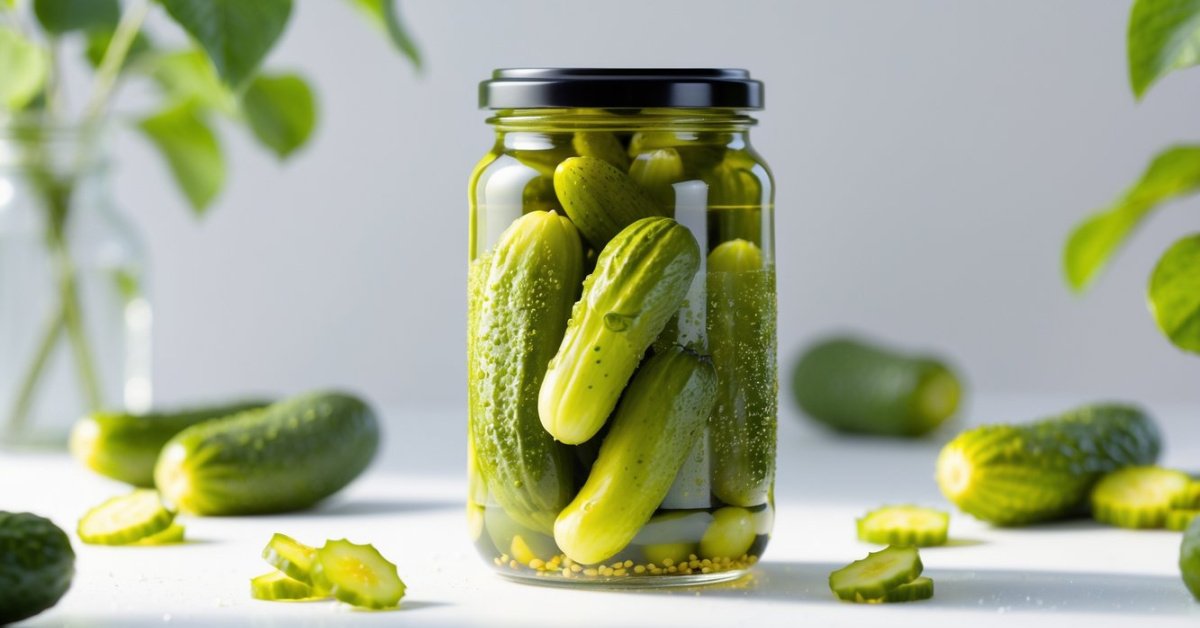
I love a good chicken salad but sometimes the classic recipe just needs a little extra zing. That’s where pickles come in. Their tangy crunch can totally transform an ordinary dish into something you’ll crave again and again.
When I first tried adding pickles to my chicken salad I couldn’t believe how much brighter and more flavorful it tasted. The combo of juicy chicken creamy dressing and that unmistakable pickle bite just works. If you’re ready to shake up your lunch routine this pickle-enhanced chicken salad is about to become your new favorite.
What Makes a Pickle-Enhanced Chicken Salad Unique
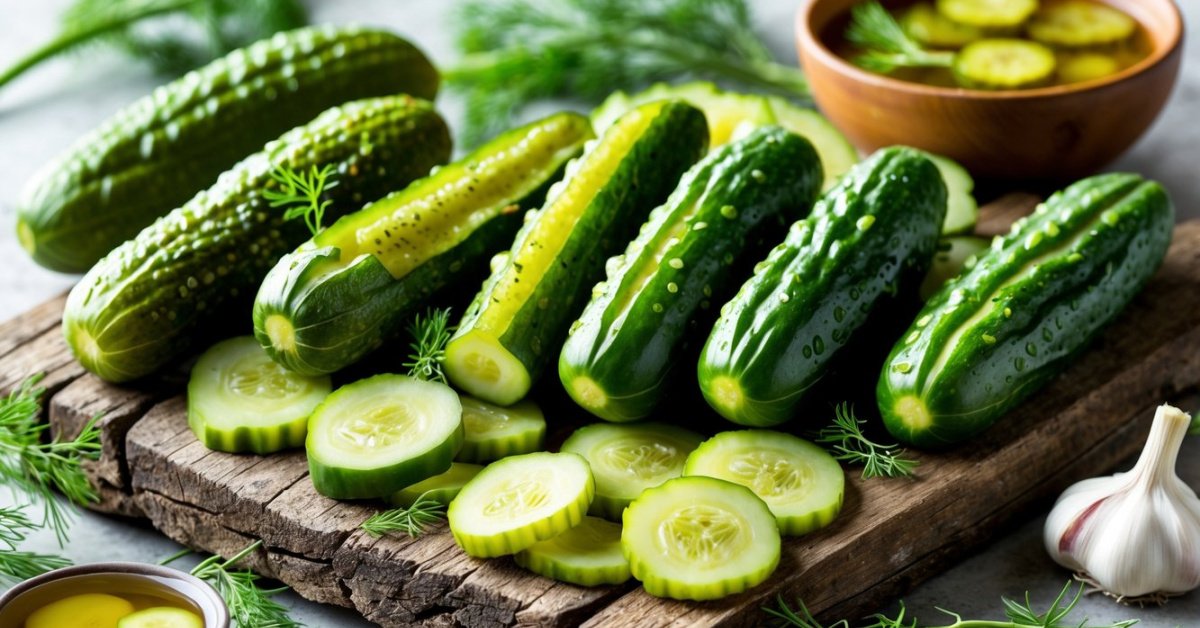
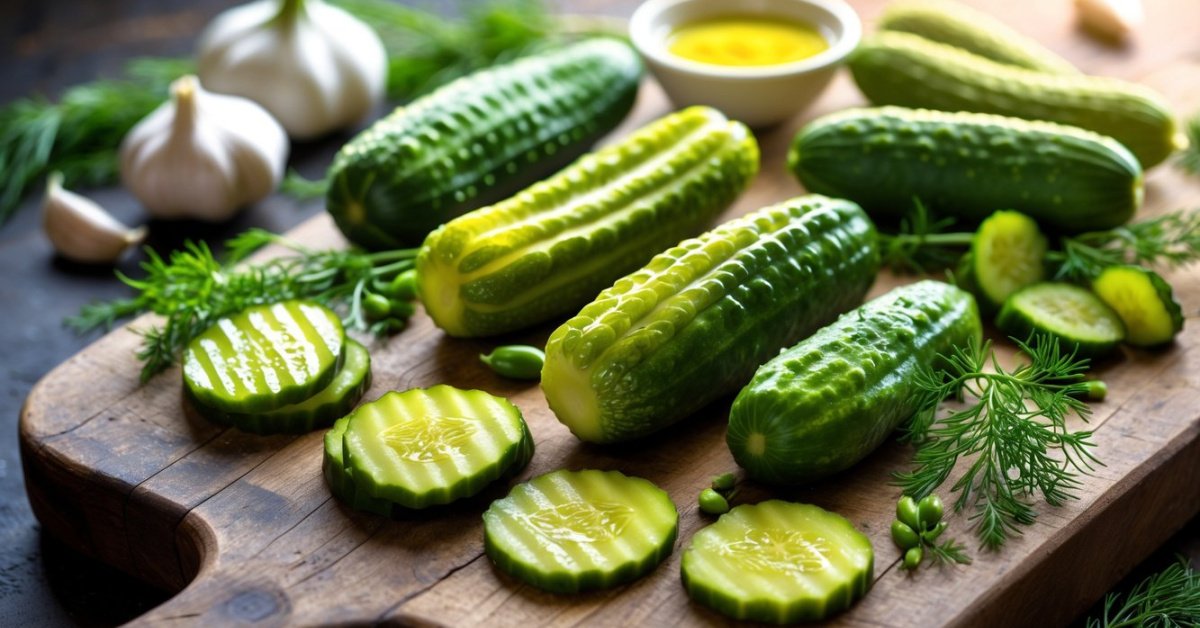
Pickle-enhanced chicken salad delivers layered flavors that traditional chicken salads lack. I combine my homegrown cucumbers, pickled in brine with fresh garlic, dill, and peppercorns, with tender shredded chicken. These tangy, crunchy bits create a balance between creamy and acidic notes in every bite.
Texture shifts in pickle-enhanced recipes draw attention—firm chicken meets crisp pickles, making each forkful distinct. Texture contrasts like these set pickle-forward dishes apart from classic versions with only soft ingredients like mayonnaise and celery.
Flavor profiles vary since different pickling methods introduce unique tastes. My garlic-dill pickles highlight herbal brightness, while bread and butter pickles deliver sweet and tart accents. Altering the pickling spices lets me refresh the salad by the season or the garden’s current yields.
Pickling also adds complexity with subtle fermented notes. Lactic acid fermentation creates a mild tang that complements lean chicken, making the salad both fresher and more satisfying. This touch of acidity helps preserve the chicken salad longer than non-pickled versions.
Nutrient density rises since pickles retain vitamins present in the vegetables—especially vitamin K and antioxidants found in cucumbers and fresh herbs. Home-pickled ingredients provide probiotic benefits that support gut health, creating a chicken salad that’s both flavorful and nourishing.
Key Ingredients in a Pickle-Enhanced Chicken Salad Recipe
A pickle-enhanced chicken salad centers on crisp vegetables and whole-food protein lifted by the nuanced flavors of homemade pickles. My focus rests on three ingredient pillars: pickles, chicken, and specialized mix-ins.
Choosing the Right Pickles
Brined cucumbers drive a pickle-enhanced chicken salad by delivering acidity and crunch. I ferment my cucumbers in a 3% saltwater brine with garlic, dill, and peppercorns—each inclusion shifts the finished profile. Garlic-pickled spears add sharp, savory notes; dill infuses freshness; peppercorns introduce mild heat. I slice pickles into ¼-inch coins for consistent tang in every bite. Smaller Kirby cucumbers keep the flesh crisper after pickling, perfect for salads. Homemade pickles, preserved using lacto-fermentation, supply probiotics and deepened garden flavor, though store-bought kosher dills offer convenience.
Selecting the Best Chicken
Shredded chicken, preferably from pastured birds, forms the protein base of this salad. I poach chicken breasts with onion, bay leaf, and peppercorns for moisture and subtle aroma. Dark meat brings richer taste, while white meat yields a lighter texture. If using leftovers, I ensure the chicken isn’t overseasoned to avoid masking the pickles’ complexity. Roasted or slow-cooked methods create firmer shreds that absorb brine and dressing. I chill chicken thoroughly before mixing to keep the salad crisp.
Complementary Add-Ins and Mix-Ins
Fresh garden produce and pantry staples round out the salad. I add diced celery or kohlrabi for crunch and mild sweetness, then toss in slivered red onion for bite. Chopped fresh herbs—dill, parsley, or tarragon—echo the pickles and heighten the aroma. Sunflower seeds, hard-boiled eggs, or diced apples introduce further texture and balanced flavor. For the dressing, I whisk together homemade mayonnaise, a spoonful of pickle brine, cracked black pepper, and a pinch of smoked paprika. Every ingredient choice considers the synergy between the tangy pickles and seasonal bounty from my garden.
Step-by-Step Preparation Guide
Pickle-enhanced chicken salad delivers bold texture and signature tang in every bite. I rely on my pickling expertise and garden produce throughout this process.
Preparing the Chicken
I poach pasture-raised chicken with bay leaf, peppercorns, and garden garlic for 20 minutes until just cooked through. I drain and cool the chicken fully before shredding it by hand to maintain juicy strands. Shredding by hand prevents the dry, stringy texture caused by over-chopping or using a food processor. I always let the chicken rest uncovered to preserve its natural surface texture, which helps the creamy pickle-mayo dressing adhere better.
Mixing in the Pickles and Other Ingredients
I dice my home-fermented dill pickle spears into even ¼-inch pieces to guarantee consistent crunch and sour pop. I mix the pickles with shredded chicken, a quarter cup of finely sliced garden celery, two tablespoons of chopped dill, and one tablespoon of toasted sunflower seeds for earthy depth. I blend homemade mayonnaise with two tablespoons of reserved pickle brine, then fold this dressing into the chicken mixture until every piece is coated. Brine sharpens flavor and anchors the herbal, vegetal, and fermented notes pulled from the garden.
Tips for Perfect Texture and Flavor
I always use cold ingredients, which lock in crispness and prevent the salad from going mushy. I add pickles just before serving to preserve their structure. I adjust the amount of pickle brine in the dressing based on the batch’s acidity—less if I’m using extra tart gherkins, more with mellow lacto-fermented spears. I avoid overmixing to prevent the chicken from compacting, which keeps every forkful light, full, and loaded with pickle character.
Taste Test and Serving Suggestions
Pickle-enhanced chicken salad lets pickles shine as more than just a supporting ingredient. I rely on my garden harvest and pickling expertise to create a salad that always surprises with its vibrant flavors and satisfaction.
Flavor Profile and Texture
Brined cucumbers bring a zesty tang that complements rich, hand-shredded chicken. Crunchy bits of pickle contrast each tender bite, letting garlicky dill notes stand out against the creamy dressing. Fermented pickles add a mild effervescence I can taste, giving the salad a gentle lift. Balanced acidity from the pickle brine sharpens each forkful, with fresh herbs like dill or tarragon providing a green finish. When I use red onions, celery, or toasted seeds, their textures layer with the pickles, creating a multidimensional experience.
Creative Ways to Serve
Lettuce wraps keep the salad crisp and let the pickle flavors shine, making a light lunch. Whole-grain bread holds the chunky salad well and absorbs extra brine, perfect for hearty sandwiches. Cucumber cups or tomato halves turn the salad into finger food for gatherings. Stuffed pitas with microgreens and extra pickle slices boost both tang and nutrition. I also enjoy adding it atop baked potatoes or mixing with spiralized zucchini for a low-carb dinner. Every presentation highlights the distinct, pickle-forward layers I obsess over in my kitchen and garden.
Health Benefits and Nutritional Highlights
Pickle-enhanced chicken salad combines my passion for pickles, gardening, and self-sustainable eating with real nutritional advantages. I grow my own cucumbers to pickle, which lets me control exactly what goes into each jar for maximum nutrient retention and flavor.
Protein fuels muscle recovery and supports immune function—shredded chicken in my salad provides 24 grams per 3-ounce serving, according to USDA FoodData Central.
Probiotics from fermented pickles assist with gut health. Naturally fermented pickles—like those I make with salt brine—introduce Lactobacillus bacteria that may aid digestive balance, as detailed by Harvard’s T.H. Chan School of Public Health.
Vitamins in garden cucumbers and herbs persist through the pickling process. Sliced pickles in each serving contribute vitamin K, supporting normal blood clotting, and vitamin A, which benefits vision and skin.
Essential minerals stay present in both chicken and pickles. Chicken supplies selenium and phosphorus, while brined cucumbers add potassium and small amounts of iron.
Fat and calories remain moderate with homemade dressings. I use mayonnaise made from local eggs and cold-pressed oil plus just a splash of brine, keeping the total per serving close to 250 calories and 16 grams of fat—lower than store-bought chicken salads, according to the USDA.
Fiber from fresh mix-ins (like celery, red onion, and microgreens) improves fullness and steadies blood sugar levels.
Pickle brine offers extra advantages, including natural electrolytes. After strenuous gardening or kitchen work, a bit of brine in my salad helps with hydration and recovery.
All these elements create a chicken salad that’s more than just a tasty meal—each bite draws on the health benefits of homegrown and homemade components for a nutrient-rich, pickle-forward experience.
| Nutrient Highlights | Chicken (per 3 oz) | Homemade Pickles (per 1 spear) | Salad Mix-ins (average per serving) |
|---|---|---|---|
| Protein | 24g | <1g | 1-2g |
| Probiotics | 0 | Yes (fermented only) | 0 |
| Vitamin K | 0.9mcg | 25mcg | 10mcg |
| Fiber | 0g | 0.2g | 1.5g |
| Calories | 128 | 5 | 50-80 |
| Fat | 3g | 0g | 0-5g |
| Potassium | 223mg | 30mg | 120mg |
Conclusion
I love how a simple twist like adding pickles can breathe new life into a classic chicken salad. It’s amazing how something so easy can make every bite more exciting and satisfying.
If you’re looking for a fresh take on your lunch routine or just want to experiment with bold flavors pickles are a game-changer. Give it a try and see how this tangy upgrade can become a staple in your kitchen too.