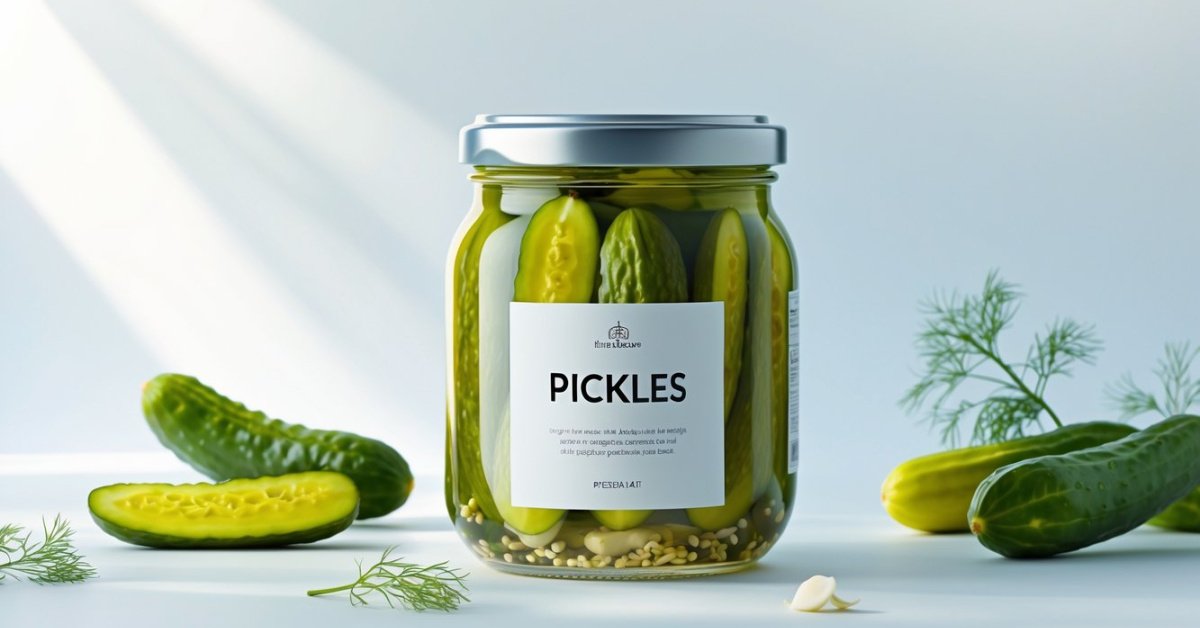
I’ve always loved classic deviled eggs but sometimes I crave a little extra zing. That’s when I turn to my favorite twist—pickle-infused deviled eggs. There’s something about that bright tang of pickles that takes this timeless appetizer to a whole new level.
Why Try Pickle-Infused Deviled Eggs
Pickle-infused deviled eggs bring the fermented brightness of garden-fresh pickles straight into the heart of a classic dish. I get extra depth from the pickle brine, mixing tang and subtle spices with the creamy yolks. These deviled eggs stand out at gatherings, since their flavor layers outshine plain versions.
Adding pickled ingredients helps me use more of my homegrown vegetables, maximizing sustainability and reducing waste. I often mix in diced dill pickles, brined jalapeños, or even a little fermented garlic for unique local flavor profiles.
Texture improves when I add finely chopped pickled vegetables, balancing creamy yolk and tender white with some crunch. Pickle-infused deviled eggs also provide probiotics from live-culture brine, if I use fermented pickles made with traditional methods.
Guests often want the recipe when I serve these at potlucks or garden parties. For anyone serious about pickling or creative food preservation, these eggs keep showing just how versatile homemade pickles can be.
Ingredients Needed for Pickle-Infused Deviled Eggs Recipe
Pickle-infused deviled eggs showcase layers of flavor and celebrate the best of home-pickling traditions. Every ingredient plays a key role, from the farm-fresh eggs to the tart, effervescent pickles.
Choosing the Right Pickles
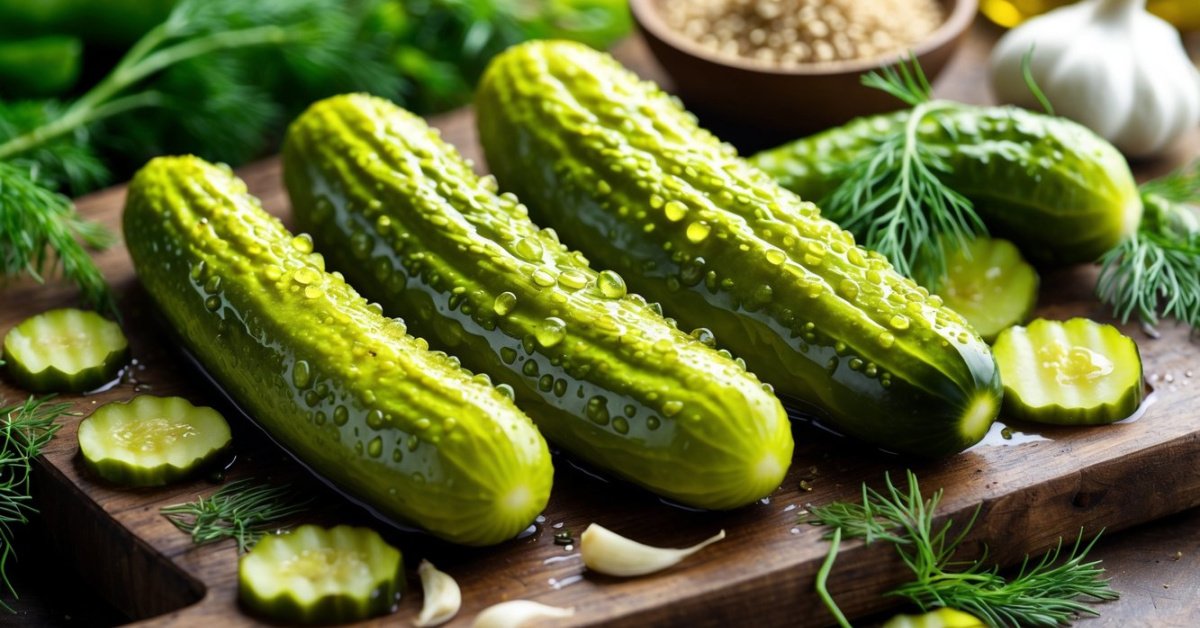
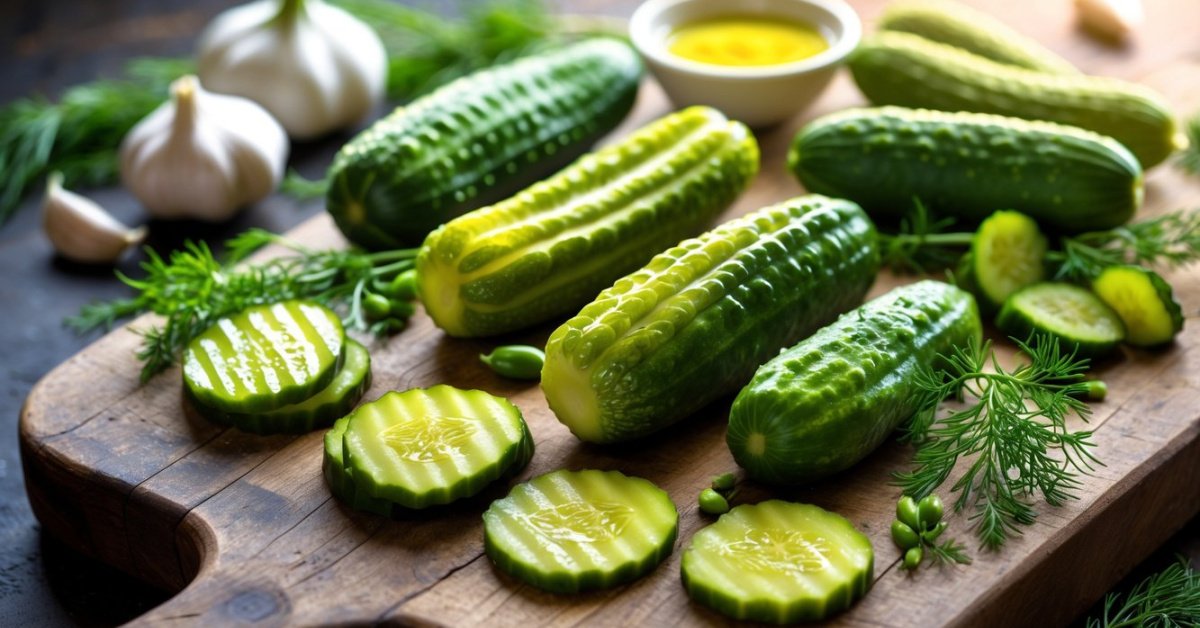
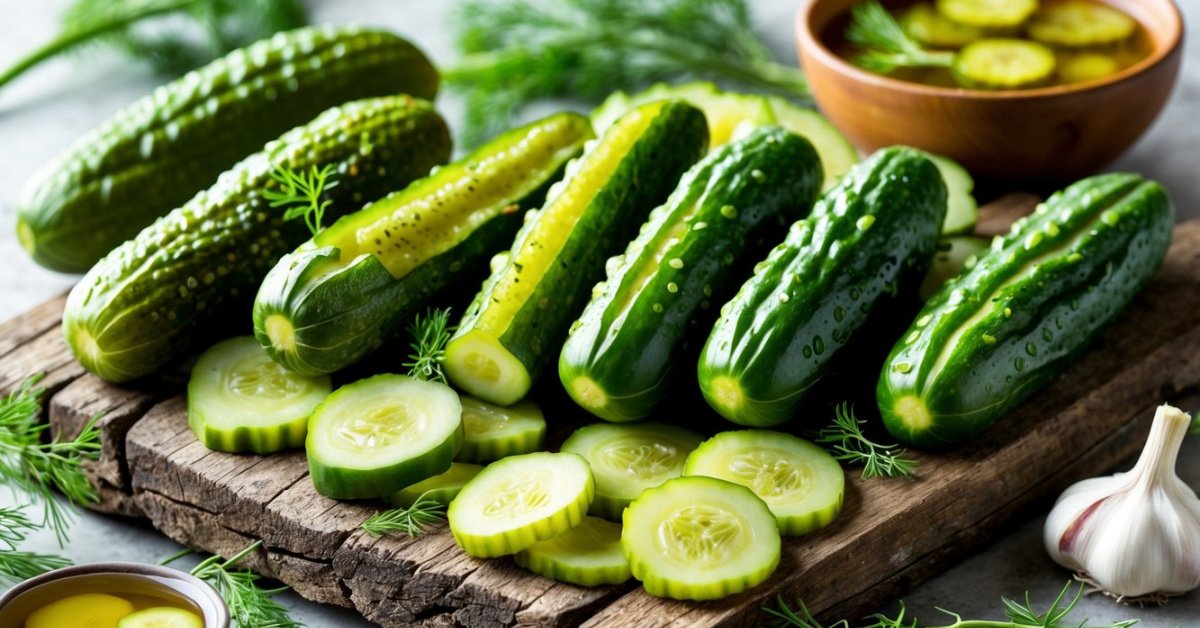
Fermented dill pickles create the brightest flavor and enrich the probiotic content. I use whole, crunchy spears from small-batch jars, especially those made from homegrown cucumbers. Bread-and-butter slices give a mild, sweet note, while garlic-heavy half-sours add boldness. Always select pickles with visible spices—mustard seeds, peppercorns, or fresh dill tops. Finely chopped pickle pieces blend better and leave no sogginess in the yolk mixture. Brine from lacto-fermented pickles brings depth, unlike vinegar-only products.
Suggested Egg Types and Other Essentials
Opt for pasture-raised eggs with deep golden yolks, preferably collected within three days of laying for best structure. Duck eggs work for a richer taste, though I prefer classic chicken eggs for balance. Essentials include high-fat mayonnaise, Dijon mustard, and ground black pepper. A splash of pickle brine replaces vinegar or lemon juice. I finish with chopped fresh herbs, usually chives and dill snipped from my kitchen beds. Using home-pickled vegetables, such as carrots or onions, intensifies the flavor and honors years of pickling practice.
Step-by-Step Preparation Guide
I rely on careful methods and a pickler’s intuition to balance pickle brine and fresh herbs in every batch of deviled eggs. Consistency in each step lets the pickle flavors brighten the eggs without overpowering the classic base.
Boiling and Prepping the Eggs
I always start with pasture-raised or homegrown eggs for maximum freshness. I place eggs in a single layer in a saucepan, cover with at least one inch of cold water, and set over medium heat. Once the water simmers, I cover the pan, turn off the heat, and let the eggs sit for 10-12 minutes. After cooking, I transfer eggs to an ice bath to stop the cooking and make peeling easy. Once cooled, I peel each egg and slice lengthwise, gently popping yolks into a bowl. Clean whites are essential for a smooth, neat filling.
Making the Pickle-Infused Filling
For the filling, I mash yolks using a fork until fine. I blend in 2 tbsp high-fat mayonnaise, 1-1.5 tsp Dijon mustard, and 1-2 tbsp strained pickle brine. I finely chop fermented pickles—typically garlic-heavy half-sours or classic dills—and add 2 tbsp to the mixture. I balance the texture with a pinch of homemade pickling spice, sometimes adding minced chives or dill, and mix until smooth. I taste and adjust salt or brine, reminding myself that tang and creaminess should come forward without intrusion from vinegar or excess moisture.
Assembling and Garnishing
I scoop or pipe the filling into the hollows of the egg whites, aiming for generous, mounded portions. Finely chopped pickled vegetables—like golden beets or carrots from last year’s jars—make colorful and probiotic toppers. I garnish with herbs such as chives, dill fronds, or a sprinkle of smoked paprika. I plate the eggs just before serving, ensuring crisp garnish and vibrant flavor, knowing that pickle brine’s brightness is at its peak in the first hour after assembly.
Taste Test and Texture Review
Pickle-infused deviled eggs give an immediate tang that blends with the mellow richness of the yolk base. I notice a distinct brightness from the fermented brine that sets these eggs apart from standard versions. Fresh dill and chive toppings highlight sharp, herbal undertones. Each bite gives a layered flavor. Pickled vegetable bits add an acidic crunch that contrasts with the creamy yolk and mayonnaise blend.
Texture offers small bursts from chopped pickles—examples include lacto-fermented garlic dills and home-canned half-sours—without making the filling soggy. The yolk filling stays smooth due to careful straining of pickle brine. Egg whites remain tender, thanks to slow simmering and immediate cooling in the prep stage.
Aroma reveals the mingling of garden-fresh herbs and aromatic pickle spices, from coriander seeds to black peppercorns. These elements amplify the sensory experience and reinforce the connection to homegrown, sustainable ingredients.
Guest reactions at tastings confirm that this pickle-centric approach delivers a heightened bite, distinguishing my deviled eggs at any event centered on preserving and sharing home-pickled harvests.
Tips for Serving and Variations
Keeping pickle-infused deviled eggs vibrant starts with chilled presentation. I serve them on a platter topped with cracked ice or a chilled tray, especially for outdoor gatherings or summer potlucks. This helps the filling stay firm and the flavors lively, even after an hour at room temperature.
Enhancing the pickle flavor works well with a garnish bar. I set out small dishes of my garden-pickled red onions, half-sours, and jalapeños so guests can customize each bite. Chopped pickled radishes or green tomatoes offer a different tang for those interested in trying fermentations beyond cucumbers.
Stuffing hollowed egg whites ahead of time helps streamline prep, though I always wait to add toppings until just before serving. This preserves crunch in pickled garnishes and keeps herbs bright.
Swapping pickle types shapes the final flavor. Fermented garlic dills deliver bold zest and beneficial bacteria, while pickled bread-and-butter chips add sweetness for guests less keen on sour profiles. Smoky, spicy pickled okra or carrots from last season’s garden boost both color and probiotic diversity on the buffet table.
Scaling this recipe lets me match every event. For large crowds, mini quail eggs with a sharp, garlicky brine fill appetizer trays quickly. For smaller gatherings, I focus on duck eggs and milder sweet pickling spice blends.
Table: Serving Suggestions and Variation Pairings
| Variation | Pickle Type | Herb Garnish | Occasion |
|---|---|---|---|
| Classic Fermented Dill | Garlic dill spear | Fresh dill, chives | Potluck, Picnic |
| Sweet & Tangy Bread-and-Butter | Bread-and-butter | Minced parsley | Brunch, Family meal |
| Spicy Garden Vegetable | Jalapeño, carrots | Cilantro, basil | Backyard BBQ |
| Probiotic Crunch | Mixed fermented veg | Dill, radish sprouts | Fermentation seminar |
Offering these combinations highlights the creativity and sustainability of home pickling, turning deviled eggs into a showcase for seasonally preserved harvests.
Conclusion
Pickle-infused deviled eggs have become one of my favorite ways to showcase the magic of home-pickled vegetables and the flavors of the season. Every bite feels like a celebration of tangy brine bright herbs and creamy yolks coming together in a way that’s both nostalgic and new.
If you love experimenting with classic dishes or want to impress guests with something unexpected this recipe is sure to spark conversation and smiles. Give it a try and let your next gathering savor the garden-fresh twist that pickles bring to the table.