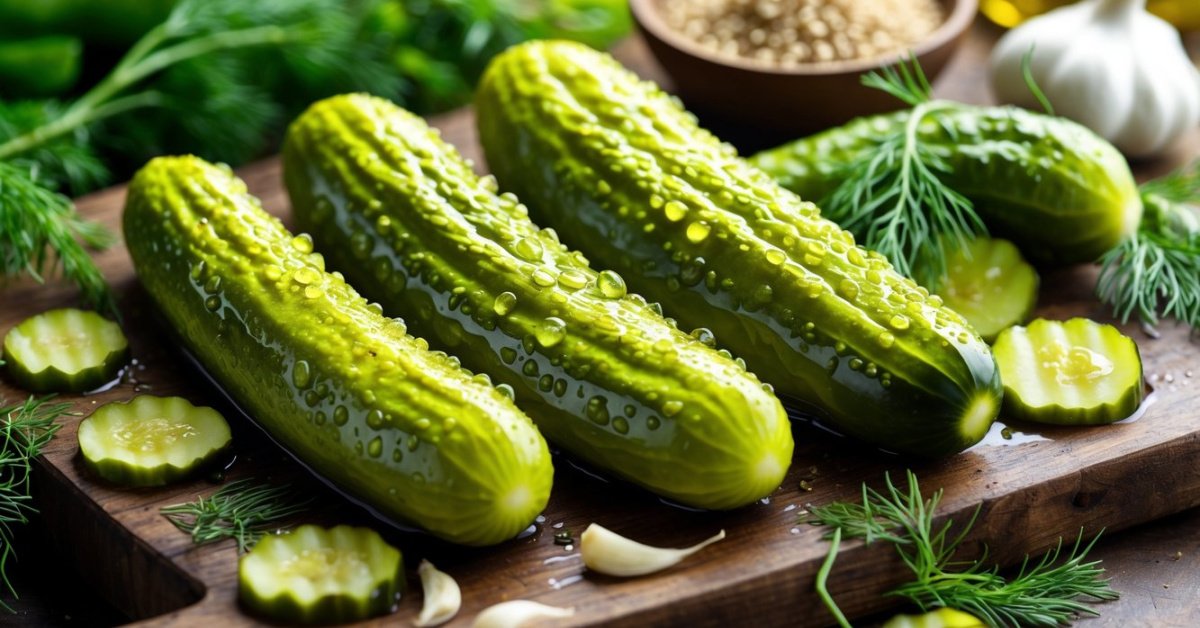
Whenever I want to give my sandwiches a little extra zing I reach for pickled bell peppers. Their tangy crunch and vibrant color make even the simplest lunch feel special. I love how just a few slices can transform a plain turkey or veggie sandwich into something I actually crave.
Making pickled bell peppers at home is easier than most people think and I get to control the flavors and the level of sweetness or spice. Plus I always feel good knowing exactly what’s in my jar. If you’ve never tried pickled bell peppers on your sandwiches you’re in for a treat.
What Makes Pickled Bell Peppers Ideal for Sandwiches
Pickled bell peppers transform sandwiches by adding sharp acidity, crisp texture, and bursts of color. I get these results each season by using bell peppers from my garden, letting me control ripeness, size, and variety for consistent pickling. Tangy brine cuts through fatty deli meats like ham or turkey, while the balance of sweet and sour lifts roasted vegetables or classic cheese sandwiches.
Crunch stays intact in homemade batches if I slice peppers evenly and avoid overcooking during the pickling process. Texture contrasts become sharper with each sandwich bite, making each mouthful more interesting compared to raw or cooked peppers. Bright reds, yellows, and oranges draw eyes to the plate and help create appetizing layers.
Shelf stability makes pickled peppers useful. Jars tucked in my pantry last months if I water-bath process them properly, so I always have a ready flavor boost. Adjusting brine recipes lets me create sweet-hot profiles, garlic-forward options, or classic dill blends, so I tailor peppers to match sandwiches from Mediterranean-style to smoky grilled chicken.
Low-calorie, high-flavor content suits health-focused eating. One tablespoon of pickled peppers adds only about 5-10 calories and minimal fat, based on USDA nutrition data, making them a smart, sustainable choice for building better sandwiches batch after batch.
Flavor Profile and Texture
Pickled bell peppers add a balanced combination of freshness and complexity that sandwiches often lack. I select homegrown peppers and tailor the brine for optimal sweetness, sharpness, and crunch.
Sweetness and Tanginess Balance
Pickled bell peppers deliver a precise sweet-and-tart interplay. I harness the natural sugars from ripe red and yellow peppers, then offset them with vinegar-based brines for a bright tang. My batches highlight nuanced fruitiness and a clean acidity, creating a profile that stands out next to fattier sandwich fillings. This contrast draws out subtle notes in meats, cheeses, and roasted vegetables. For example, a dash more sugar deepens the warmth while a splash of apple cider vinegar intensifies the bite.
Crunch Factor in Every Bite
Pickled bell peppers retain a satisfying, snappy crunch when processed properly. I slice peppers uniformly and use a quick, cold brine method to lock in texture and prevent sogginess. Thin strips add crispness without overpowering the sandwich build. The crunch offers a dynamic contrast against soft bread and creamy spreads, elevating the overall eating experience. Even after weeks in the jar, a good pickled pepper should crack audibly when bitten—this is the signal of well-executed texture preservation.
How to Use Pickled Bell Peppers in Sandwiches
Pickled bell peppers add brightness and texture to sandwiches, seamlessly elevating both classic and modern combinations. I rely on them to introduce tang, color, and satisfying crunch to every layered bite.
Classic Sandwich Pairings
- Turkey Sandwiches
I layer pickled bell peppers over sliced turkey and Swiss cheese for extra acidity, balancing richer deli flavors.
- Italian Subs
I scatter them across salami, ham, provolone, and shredded lettuce, where their tang softens fattier cured meats.
- Grilled Cheese
I tuck sliced pickled peppers between sharp cheddar and sturdy bread; their briny bite cuts through creamy, melted cheese.
- Veggie Sandwiches
I pile cucumbers, hummus, sprouts, and peppers on whole grain, letting the peppers’ snap and tartness stand out among milder vegetables.
Creative Recipe Ideas
- Breakfast Sandwiches
I add chopped pickled bell peppers to scrambled eggs and sharp cheese on an English muffin for a morning burst of flavor.
- Wraps and Flatbreads
I sprinkle them into grilled chicken or falafel wraps, their vivid strips complementing fresh greens, tahini, or tzatziki.
- Open-Face Tartines
I top seeded rye or sourdough with goat cheese, smoked fish, and fine-sliced pickled peppers for layered flavors and striking presentation.
- Vegan ‘Cheese’ Melts
I spread cashew-based cheese on toasted bread and add pickled peppers, bringing brightness and crunch to dairy-free sandwiches.
- Picnic Banh Mi
I use quick-pickled bell peppers with cucumbers, cilantro, and spicy tofu to reimagine this Vietnamese classic with garden ingredients.
I incorporate pickled pepper slices, rings, or strips for varied textures in each recipe, using my home-pickled jars for consistent results every time.
Homemade vs. Store-Bought Pickled Bell Peppers
Homemade and store-bought pickled bell peppers deliver unique qualities for sandwich lovers. I rely on both, but each plays a different role in my pickling routine.
Pros and Cons of Each Option
- Homemade Pickled Bell Peppers
I control the brine’s salt, sugar, and spice levels, customizing flavors for standout sandwiches—like smoky chipotle for BBQ chicken or extra-garlic for Italian subs. I use freshly harvested bell peppers for the crunchiest texture. Small-batch pickling rewards me with superior color and lasting vibrancy. However, homemade batches take active prep time, require storage space, and lose optimum texture after several months in most home pantries.
- Store-Bought Pickled Bell Peppers
I grab store-bought jars for convenience, consistent flavor, and extended shelf-life. National brands pasteurize for food safety and texture durability. Texture is reliable but rarely as crisp as home-canned jars. I notice a uniform brine in mass-produced peppers, which sometimes lacks complexity. Ingredient transparency varies by brand, making it tricky to avoid additives or excess sugars.
| Aspect | Homemade | Store-Bought |
|---|---|---|
| Flavor Customization | Extensive (fresh herbs, spices) | Limited (fixed recipes) |
| Texture | Crisp (when fresh) | Softer, reliable |
| Convenience | Low (prep time) | High (ready-to-use) |
| Shelf Life | Short/Moderate (2-6 months) | Long (up to 2 years) |
| Additive Control | Full (no preservatives) | Variable (may contain additives) |
Recommended Brands and Recipes
- Recommended Brands
I choose Mezzetta Deli-Sliced, Jeff’s Garden, and 365 by Whole Foods for pure ingredient lists and firm, bright peppers. Most of my favorite stores offer bell peppers in both sliced and whole-ring formats—great for layering sandwiches or dicing into spreads.
- Favorite Homemade Recipes
I pickle with apple cider vinegar, bay leaves, whole garlic cloves, peppercorns, and a touch of honey for sandwiches like turkey clubs. For herbaceous notes, I add fresh thyme or oregano from my garden. Classic hot-packing preserves crunch; I process small jars for maximum freshness.
Here’s a core recipe vector:
- 3 cups sliced bell peppers (assorted colors)
- 1 cup apple cider vinegar
- 1 cup water
- 2 tbsp honey
- 1 tbsp sea salt
- 2 cloves garlic, smashed
- 1 tsp peppercorns
- 2 bay leaves
- Fresh thyme or oregano, to taste
Specific combinations work best when matched with deli meats or plant-based fillings, keeping sandwich flavors lively and satisfying.
Tips for Storing and Serving Pickled Bell Peppers
Keep pickled bell peppers vibrant and crisp with proper storage. I always use sterilized glass jars with tight lids, whether I’ve canned the peppers or just made a quick fridge batch. I label each jar with the date and brine style, so I track freshness and flavor variations easily. Store sealed jars in a cool, dark pantry spot for up to 12 months if they’ve been processed using a water-bath canner. I move opened or quick-pickled jars straight to the fridge, where they stay fresh and crunchy for 2 to 3 months. I check for off smells, mold, or softening before serving, discarding jars immediately if any appear.
Serve pickled bell peppers in ways that maximize texture and brightness. I drain or gently blot the pepper slices before layering on bread to avoid sogginess. For sandwiches with spreads, like hummus or cheese, I arrange the peppers so their juices brighten the filling rather than dilute it. I slice them into strips, rings, or dice, depending on the sandwich—thin rings for subs, strips for wraps, chopped for egg salad. I top off grilled cheese and melts with extra peppers just before serving for a crisp finish. For guests, I serve the peppers in small bowls alongside a build-your-own sandwich platter, letting everyone choose their tangy level.
I get creative with leftover brine; I drizzle it into vinaigrettes or use a splash to perk up coleslaw and salads, boosting those garden flavors throughout my meals.
Conclusion
Pickled bell peppers have truly transformed the way I build my sandwiches. Their punchy flavor and satisfying crunch never fail to brighten up my meals and keep things interesting.
If you haven’t tried adding them to your favorite sandwich yet you’re in for a treat. There’s something special about that sweet-tart bite nestled between layers of bread and cheese or crisp veggies.
Experimenting with new brine flavors and sandwich combos keeps things fun in my kitchen. I hope you’ll give pickled bell peppers a spot in your next sandwich and enjoy the delicious difference they make.