I’ve always loved the bold flavors of Korean cuisine and nothing wakes up my taste buds quite like a crunchy bite of kimchi-style cucumber pickles. These pickles pack a punch with their spicy tang and refreshing snap making them the perfect side for just about any meal.
Whenever I’m craving something vibrant and zesty I whip up a batch of these quick pickles at home. They’re easy to make and bring a little bit of Korea’s famous food culture right to my kitchen. If you’re looking for a simple way to add excitement to your plate you’ll want to give these a try.
What Are Korean Kimchi-Style Cucumber Pickles?
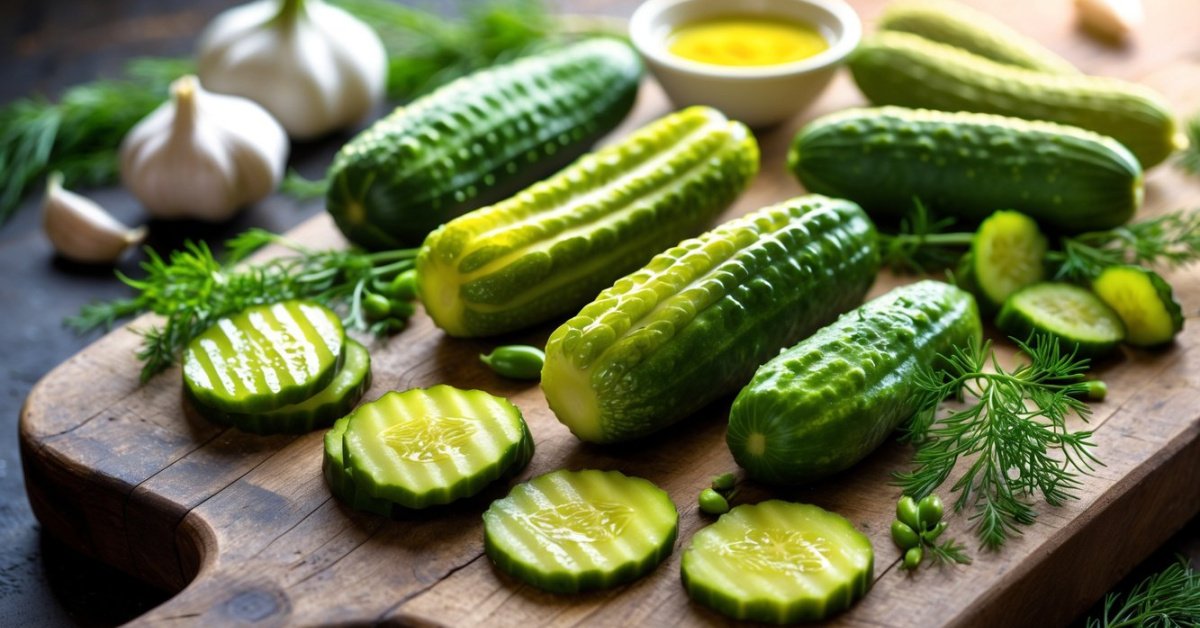
Korean kimchi-style cucumber pickles combine key elements of classic kimchi with crisp fresh cucumbers. I use sliced or whole cucumbers—usually Korean or Persian varieties for their thin skins and crunchy texture—then toss them with salt, garlic, ginger, and gochugaru (Korean red pepper flakes). Fermented flavors come from adding fish sauce or soy sauce, plus a touch of sugar, scallions, and sometimes carrots. These pickles develop their punch in just a few hours or overnight, unlike traditional cabbage kimchi that takes days.
My process creates a tangy, spicy, and refreshing pickle that holds the essential traits of kimchi: lacto-fermentation, bold seasoning, and vivid color. I typically serve these kimchi cucumbers as banchan (Korean side dishes) alongside grilled meats, rice bowls, or even tucked into wraps. Their rapid pickling method appeals to those wanting quick results, a distinct contrast to sour dills or vinegar-heavy American pickles. This style brings together pickling, Korean ingredients, and sustainable gardening, since homegrown cucumbers consistently make the snappiest, most vibrant results.
Flavor Profile and Texture
Korean kimchi-style cucumber pickles offer a complex balance of spicy, tangy, and umami notes. Gochugaru delivers a vibrant heat, while garlic and ginger add earthy, aromatic undertones. Sugar brings subtle sweetness, and fish sauce or soy sauce contribute savory depth. Salt rounds everything, sharpening flavors without overwhelming the cucumbers’ natural taste.
Crispness defines the texture of these pickles. Fresh cucumbers maintain a snappy bite even after seasoning. Rather than softening fully like long-fermented cabbage kimchi, these pickles stay bright and juicy inside. Quick pickling preserves the vegetables’ structure so each slice breaks cleanly with a satisfying crunch.
Juiciness stands out after a few hours of marinating. The salt draws out moisture, creating a mildly briny, seasoned brine. Every piece absorbs these flavors fast, producing pickles that burst with seasoned liquid at first bite.
Brightness makes these pickles ideal as palate cleansers. Their sharp flavors contrast rich grilled meats or starchy rice. Colorful additions such as carrots or scallions enhance not just taste but visual appeal. These qualities set Korean kimchi-style cucumber pickles apart from vinegar-based or sour American dill varieties, both in taste and in eating experience.
Ingredients and Preparation Process
Korean kimchi-style cucumber pickles come together with a handful of essential ingredients and a fast, hands-on process. I rely on garden-fresh cucumbers and a few select Korean pantry staples to create maximum flavor in minimal time.
Key Ingredients
- Cucumbers: I use Korean or Persian cucumbers for their thin skin and reliable crunch, picking them straight from the garden for best results.
- Gochugaru: I add Korean red pepper flakes to deliver gentle heat and deep color.
- Garlic and Ginger: I grate fresh cloves and knobs to infuse bold, earthy notes.
- Scallions: I slice scallions thin for a mild pungency and a boost of color.
- Fish Sauce or Soy Sauce: I choose fish sauce for a savory depth, swapping in soy sauce for a vegan alternative.
- Sugar: I use a small amount of sugar, usually cane sugar, to balance salt and spice.
- Salt: I prefer kosher salt for its clean taste and ability to draw moisture.
- Optional Carrots: I julienne carrots for extra crunch and sweetness when the garden’s bounty allows.
Step-By-Step Preparation
- Slice and Salt Cucumbers: I halve or slice the cucumbers and toss them generously with salt, letting them rest for 20-30 minutes to draw out excess water.
- Mix Seasoning Paste: I combine minced garlic, ginger, gochugaru, fish sauce or soy sauce, sugar, and scallions in a bowl, mixing until a vibrant red paste forms.
- Drain and Rinse Cucumbers: I drain the salted cucumbers and rinse off any excess salt, then pat them dry with a clean towel.
- Combine and Toss: I add the cucumbers (plus carrots if I’m using them) to the seasoning paste, using gloved hands to coat every piece completely.
- Rest and Chill: I pack the coated cucumbers into a container and let them chill in the fridge for 2-4 hours or overnight, until the flavors meld and the cucumbers stay crisp.
These steps create kimchi-style cucumber pickles that burst with homemade, garden-inspired flavor.
Taste Test and Serving Suggestions
Freshly made Korean kimchi-style cucumber pickles deliver an intense, multi-layered flavor that instantly stands out on any table. I always find their complexity and crispness elevate both simple home meals and elaborate spreads.
Taste and Aroma
Crisp cucumber slices take on a spicy, garlicky aroma when blended with gochugaru, ginger, and scallions. Bright chili heat, faint sweetness, and subtle fermented umami create a refreshing bite that sparks the palate. Each batch bursts with garden freshness if I use cucumbers picked that morning. Garlic and scallion fragrance build as the pickles sit, while the ginger adds a sharp, clean finish. Tanginess stays balanced—never overwhelming—so the aroma doesn’t overpower other dishes.
Best Ways to Serve
Small banchan plates showcase these pickles best when served alongside grilled short ribs (galbi), pork belly (samgyeopsal), or bulgogi. I stack them on rice bowls or tuck slices into lettuce wraps for a vibrant, crisp contrast. Quick kimchi pickles also refresh the palate between bites of fried chicken or spicy soups. For gatherings, I pile them onto communal platters with other pickled vegetables—such as radish and carrots—for a bright, garden-inspired centerpiece. In summer, these pickles pair especially well with cold noodle salads or as a topping for bibimbap, where their flavors enhance each vegetable in the bowl.
How Korean Kimchi-Style Cucumber Pickles Compare to Traditional Kimchi
Korean kimchi-style cucumber pickles and traditional cabbage kimchi share core techniques and flavor foundations, yet they differ in ingredient choice, preparation duration, and eating experience.
- Vegetable Base
I use cucumbers for these pickles, while traditional kimchi relies mostly on napa cabbage or radish. Fresh cucumbers—especially Korean or Persian types—retain much more crunch and absorb seasoning quickly compared to denser cabbage leaves.
- Fermentation & Pickling Time
Kimchi-style cucumber pickles need just a few hours or overnight to develop their characteristic flavor, whereas classic kimchi undergoes fermentation from 3 days up to several weeks. This speed suits gardeners and pickling enthusiasts who enjoy spontaneity or have fresh cucumber harvests.
- Texture & Appearance
My kimchi-style cucumber pickles keep a crisp, snappy bite, even after marination. Traditional kimchi tends to soften and releases plenty of briny liquid during fermentation. With these pickles, I get vibrant green slices infused with chili paste, while cabbage kimchi offers translucent, wilted layers stained with spice.
- Flavor Profile
Both use garlic, ginger, scallions, chili (gochugaru), and fish sauce or soy sauce for deep umami. However, the cucumber’s raw freshness delivers a lighter, juicier taste, while fermented kimchi’s lactobacillus bacteria create pronounced tang and deeper complexity. Quick pickles deliver bold upfront flavors without fermentation’s sour edge.
- Longevity & Storage
Kimchi-style cucumber pickles taste best within 2-4 days, since their fresh nature means they soften quickly. Traditional kimchi actually improves in flavor for months as it ferments. I store cucumber pickles in the fridge and eat them quickly, while cabbage kimchi serves as a long-lasting side.
Here’s a comparison for clarity:
| Feature | Kimchi-Style Cucumber Pickles | Traditional Kimchi |
|---|---|---|
| Main Vegetable | Cucumber (e.g., Korean, Persian) | Napa cabbage, radish |
| Preparation Time | 2-24 hours (quick pickling) | 3 days to months (fermented) |
| Texture | Crisp, fresh, juicy | Soft, more wilted |
| Flavor Intensity | Spicy, tangy, fresh, umami | Spicy, tangy, deep, sour |
| Storage Duration | 2–4 days (best taste) | Weeks to months |
I use both styles in my kitchen—kimchi cucumbers for quick snacking or when cucumbers are in season, and fermented cabbage kimchi when I want deep, complex flavor and long shelf life. Experienced picklers often alternate between the two, depending on garden yield and meal plans.
Health Benefits and Nutritional Value
Korean kimchi-style cucumber pickles offer both flavor and nutrition from ingredients like cucumbers, garlic, ginger, and gochugaru. Fresh cucumbers provide hydration, with water making up about 95% of their weight, and deliver vitamin K and potassium, according to USDA sources. I favor these hydrating cucumbers from my garden for their naturally crisp texture and minimal calories.
Fermented ingredients such as garlic and ginger support digestion with beneficial phytonutrients. Garlic contains allicin, which the National Institutes of Health notes supports cardiovascular health. Ginger offers gingerol for antioxidant benefits, and both contribute distinctive umami and a zesty kick.
Gochugaru, or Korean red pepper flakes, adds capsaicin that may help support metabolism. Scallions and carrots, which often accompany my cucumber pickles, supply additional fiber, vitamin A, and vitamin C, offering immune support.
Low in fat and sugar, these pickles fit well into low-calorie meal plans. Quick pickling retains the vegetable’s crunch and most nutrients, although it doesn’t develop live probiotics like fermented kimchi. I value these pickles for complementing a balanced, plant-forward diet, along with the enjoyment of harvesting cucumbers I grow myself.
Conclusion
Making kimchi-style cucumber pickles at home always feels rewarding and a little bit magical. I love how just a few humble ingredients come together so quickly to create something vibrant and full of character.
These pickles never fail to brighten up my table and add a burst of flavor to even the simplest meals. If you’ve never tried making them yourself I hope you’ll give it a go and enjoy the fresh crunch and spicy kick as much as I do.