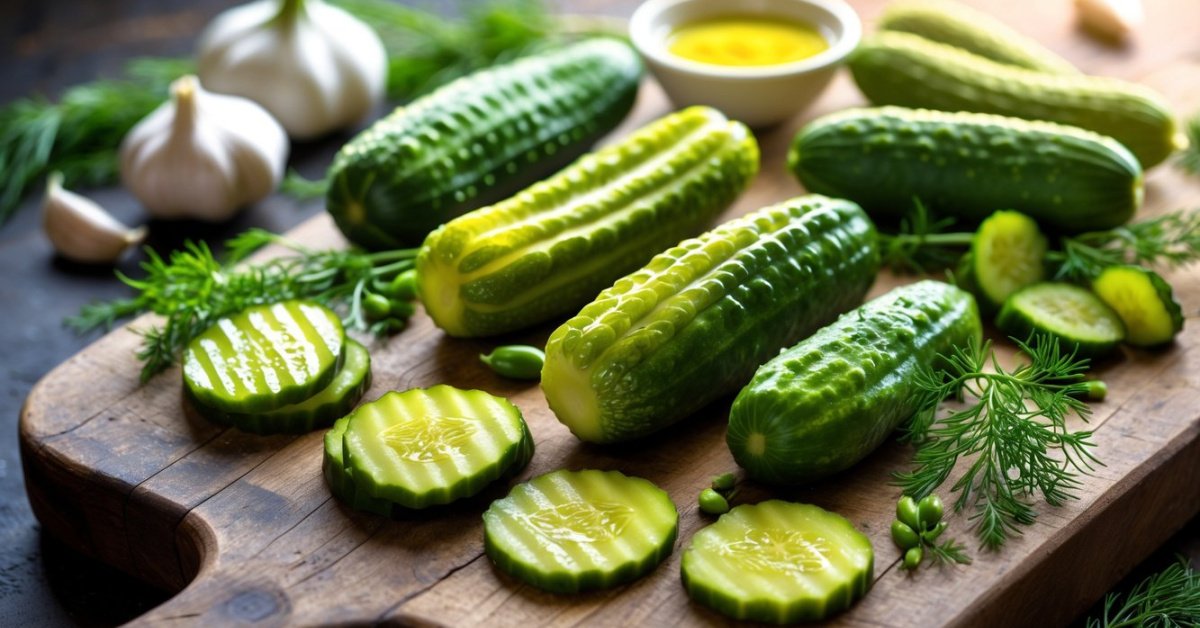
I’ve always loved the bold tang of pickles and the nutty bite of quinoa, so I figured why not bring them together in one fresh and zesty salad? There’s just something about that pickle brine that wakes up all the flavors and turns a simple bowl of grains and veggies into something you’ll actually crave.
This pickle-infused quinoa salad is my go-to when I want something light but still packed with flavor. It’s quick to toss together and perfect for lunch, picnics, or anytime I need a little crunch and zing in my day. If you’re a pickle lover like me, you’re going to want to make this on repeat.
What Is Pickle-Infused Quinoa Salad?
Pickle-infused quinoa salad blends cooked quinoa grains with diced pickles, pickle brine, and fresh garden vegetables. I use home-pickled cucumbers to infuse the salad with bright acidity and crisp texture. Fresh dill and brine from the pickling jar deepen the salad’s tang while complementing the subtle, nutty notes of quinoa.
Stringently, pickle-infused quinoa salad features distinct sour and herbal notes, unlike traditional grain salads which use only oil or vinegar dressings. Common ingredient examples include carrots, radishes, red onions, and pickled garlic from a home garden. I dress every salad batch with a mixture of brine, olive oil, and mustard, then top it with fresh chopped herbs like parsley or chives to amplify flavor and nutrition.
People try this salad for several reasons—it’s a use for leftover pickle juice, it brings probiotics from fermented pickles, and it celebrates sustainability with ingredients from home gardens. Consistently, the joy comes from watching homegrown produce mingling with preserved pickles to create a dish that’s zesty, crisp, and vibrant.
Key Ingredients In Pickle-Infused Quinoa Salad Recipe
Every ingredient in pickle-infused quinoa salad plays a role in texture, flavor, and character. I select every element with pickling, sustainability, and vibrant taste in mind.
The Role Of Pickles
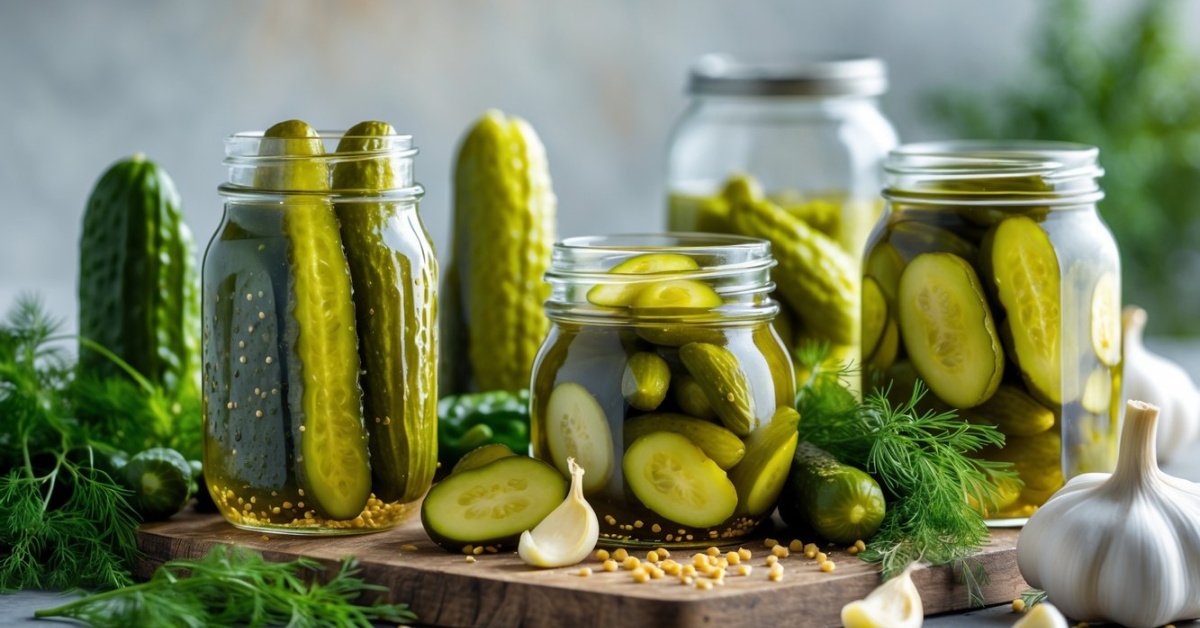
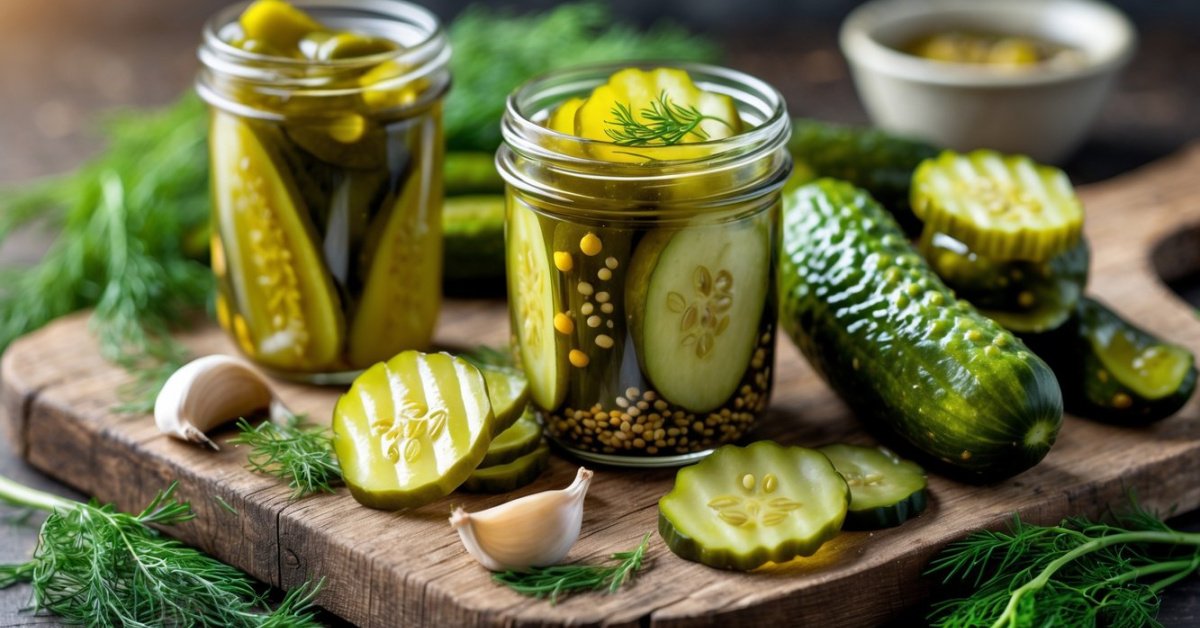
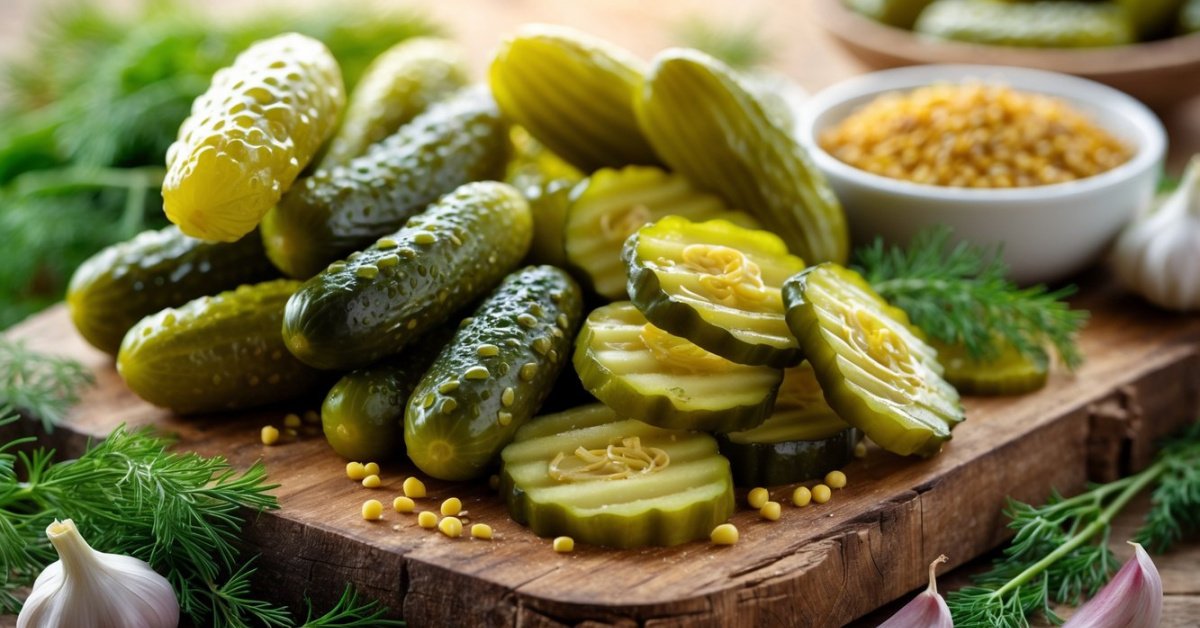
Pickles anchor the salad, bringing brine-rich tang and satisfying crunch. I use home-pickled cucumbers since their crispness and acidity enhance every forkful. Diced pickles, spoonfuls of brine, and sometimes pickled garlic, fennel, or peppers set a strong pickle-forward profile. Each pickle’s unique spice blend—dill, mustard seed, garlic—adds distinct notes that commercial versions often miss. Fermented pickles give a probiotic boost, which I favor for gut health.
Choosing The Right Quinoa
Quinoa choices affect texture, color, and taste. I prefer tri-color or red quinoa for nutty flavor and visual appeal, though any organic variety holds brine well. Rinsing thoroughly removes bitterness and lets the grains soak up the tangy dressing. I cook the quinoa until fluffy but slightly toothy to keep the salad from turning mushy once dressed.
Fresh Add-Ins And Flavor Boosters
Fresh garden vegetables add crunch, color, and seasonality. I pick carrots, radishes, and red onions for their bite and natural sweetness. I include homegrown herbs like dill, parsley, and chives for bright, green flavor and aroma. For extra depth, I whisk together brine with olive oil and strong Dijon mustard, yielding a bold, creamy coating. Sliced pickled garlic or fennel adds complexity for those who appreciate deeper pickling notes. With each harvest, I adjust the mix to match what’s thriving in my beds, giving every salad a hyper-local, sustainable touch.
Step-By-Step Preparation Guide
Pickle-infused quinoa salad starts with attention to detail during each step, highlighting crisp acidity and garden freshness. My years of pickling and gardening go into every bite, ensuring dynamic tang and texture from the first forkful.
Cooking The Quinoa Perfectly
I always rinse my quinoa thoroughly using cold water in a mesh sieve, removing any bitterness and ensuring a clean, nutty flavor. For every 1 cup of quinoa, I use 1.75 cups of filtered water to achieve a balanced, fluffy texture. After bringing the water and quinoa to a boil, I lower the heat, cover, and let it simmer about 15 minutes. Once the liquid absorbs, I keep the lid on and let it steam off heat for 5 minutes—this ensures every grain stays separate and light, ready to take on pickling flavors.
Making The Pickle-Infused Dressing
For the dressing, I rely on robust brine pulled straight from my own pickle jars. I start by whisking together 3 tablespoons of pickle brine, 2 tablespoons of extra-virgin olive oil, and 2 teaspoons of Dijon mustard. I add in finely minced pickled garlic or shallot if available. Chopped fresh dill connects the brine to bright herbal notes harvested from my backyard plot. Salt and ground pepper come last—always added to taste, since both the pickles and brine bring plenty of zest and seasoning on their own.
Mixing And Serving Tips
I toss the cooled quinoa gently with diced home-pickled cucumbers, carrots, radishes, and red onion. Every vegetable gets diced for even distribution of flavor and texture in each bite. I pour in the dressing and toss until every kernel glistens. Before serving, I always let the salad chill 20-30 minutes in the fridge to give the flavors time to mingle and deepen. When ready to serve, I finish with extra fresh dill, chopped parsley, or garden chives for an herbaceous burst. For the best crunch and tang, eat the salad within a day while the vegetables’ snap and the brine’s vibrancy remain at their peak.
Taste And Texture: What To Expect
Pickle-infused quinoa salad delivers a bold, tangy bite and lively crunch in every forkful. I notice the briny brightness from home-pickled cucumbers hits first, spreading a mouthwatering sour note that lingers. Each quinoa grain stays fluffy yet tender, soaking up the sharp flavors from the pickle brine and mustard for a savory profile that exceeds bland grain salads. Red and tri-color quinoa provide not only heartier texture but also a subtle nuttiness that plays well with acidic elements.
Vegetables like carrots, radishes, and red onions contribute crispness and natural sweetness. Diced pickles and pickled garlic add more layers of chew and zest, ensuring every mouthful pops with garden freshness. When I use homegrown herbs like dill, chives, or parsley, the earthy notes balance out the vinegar tang, rounding out the tangy spectrum.
The salad holds its structure thanks to each ingredient’s water content—if I toss it gently and serve soon after chilling, the texture stays at its peak. Fine-tuning brine, olive oil, and mustard ratios transforms the base from just bold to deeply savory. I find this dish most appealing when the quinoa is cool and the pickles retain crunch, reinforcing my obsession with the fresh-snappy satisfaction that only home-pickled produce gives.
Health Benefits Of Pickle-Infused Quinoa Salad
Pickle-infused quinoa salad packs a broad spectrum of nutrients that support wellness and sustainable eating habits. Quinoa offers complete protein, providing all nine essential amino acids in a plant-based form for muscle maintenance and energy. A single cup of cooked quinoa delivers approximately 8g of protein, 5g of fiber, and key minerals like magnesium, iron, and zinc, according to the USDA.
Fermented pickles supply beneficial probiotics, if made without vinegar, as seen in traditional lacto-fermentation. These live cultures promote gut microbiome balance—something deep fermentation enthusiasts like me value for digestive health and immunity support. Commercial vinegar pickles usually lack these probiotics, so I always recommend using home-fermented batches whenever possible.
Pickle brine, especially from home-pickled cucumbers, contains electrolytes such as sodium, potassium, and trace minerals. These help maintain hydration and aid muscle function, especially important in warmer months or after gardening. My brine’s naturally tangy base eliminates the need for heavy salad dressings, cutting saturated fat and added sugar from the diet.
Fresh garden vegetables—carrots, radishes, onions—introduce antioxidants, vitamin C, vitamin K, and plant fibers. These nutrients enhance cardiovascular health, support immune response, and assist regular digestion. Herbs like dill or parsley grown in my own garden contribute polyphenols, which act as anti-inflammatory agents and flavor amplifiers.
Homegrown salad ingredients maintain higher micronutrient content due to minimal transport and storage time. Eating what I grow, pickle, and prepare reduces my carbon footprint, supporting local biodiversity and healthier soil.
My pickling and gardening practice means I regularly reintegrate surplus vegetables and herbs into dishes like this one, minimizing food waste and closing the loop in my home food system—a genuine boost to physical health and environmental sustainability.
Creative Variations To Try
- Pickled Vegetable Medleys
I swap classic cucumbers for home-canned pickled beets, okra, or cauliflower to build extra tang and color. Pickled carrot rounds and spicy pickled green beans both create new twists that showcase what I’ve harvested and preserved from my garden.
- Fermented Funk Upgrades
I fold in lacto-fermented vegetables like kimchi, sauerkraut, or pickled radish slices for added probiotics and complexity. These bring a deep sourness that changes the whole salad profile—especially if I use brine from wild-fermented pickles.
- Grain Alternatives
I trade quinoa for homegrown millet, farro, or barley when I’ve got other grains ready. Each brings a unique chew and taste, giving me ways to use up small harvests from my garden beds.
- Vegan Protein Boosts
I add chunks of smoked tofu or a handful of roasted chickpeas tossed in brine dressing for protein-rich options that fit plant-based diets. These absorb the pickle flavors well while increasing nutrition.
- Bold Herb and Spice Swaps
I experiment with fresh tarragon, coriander, or spicy mustard greens instead of dill or parsley from my garden. I blend in crushed mustard seeds or chili flakes for heat if I crave extra depth.
- Global Flavor Fusions
I blend in pickled jalapeños, preserved lemons, or Japanese-style pickled daikon to take the base salad in a new direction. These pickled ingredients let me explore other food cultures while remaining rooted in the home-pickling process.
- Zesty Fruit Additions
I toss in pickled cherries or quick-pickled apples for a sweet-tart balance. These are great during harvest time when I’m looking for new ways to enjoy fruit gluts before they spoil.
I connect each creative adaptation with sustainable home pickling, using pantry staples and garden gluts while maintaining the vibrant tang and crunch anchoring this quinoa salad genre.
Conclusion
I love how this pickle-infused quinoa salad brings a burst of flavor and crunch to any table. It’s a dish that always surprises guests and satisfies my own craving for something bright and unique.
Whether I’m tossing in garden veggies or experimenting with new pickled additions there’s endless room for creativity. This salad is now a staple in my kitchen and I hope it inspires you to play with your own favorite flavors too.