
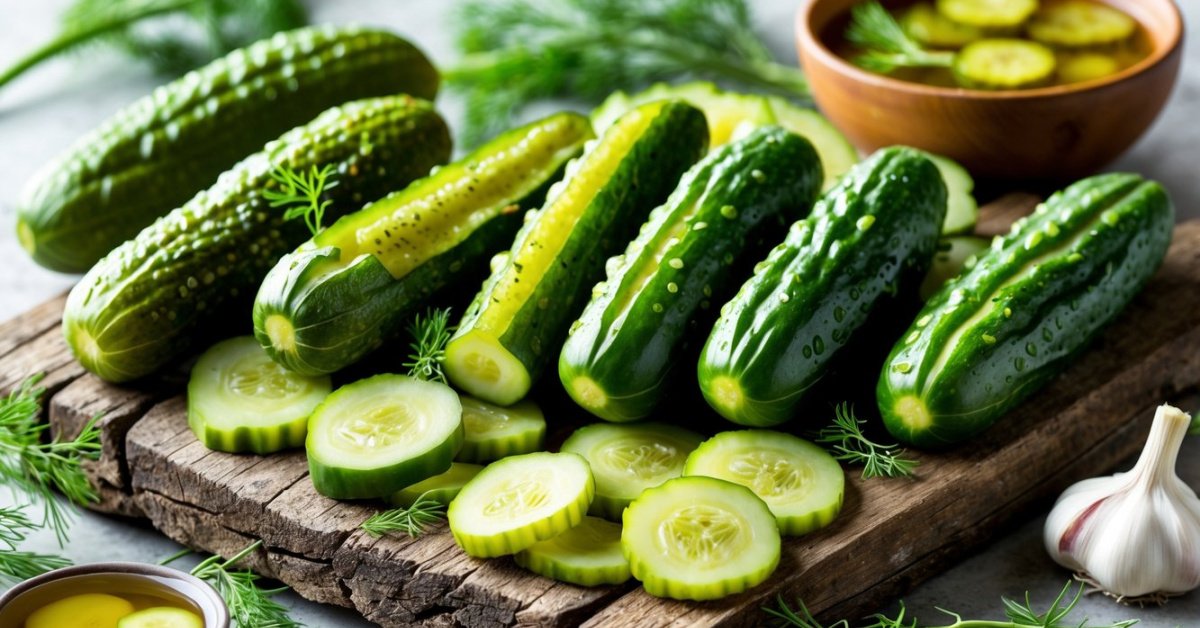
When I’m craving something tangy and refreshing, nothing hits the spot like a pickle and feta cheese salad. The crunch of pickles mixed with creamy feta creates a flavor combo that wakes up my taste buds and keeps me coming back for more. It’s the kind of salad that turns a simple meal into something special.
I love how easy it is to toss together with just a few ingredients from my fridge. Whether I’m looking for a quick lunch or a crowd-pleasing side dish, this salad never disappoints. If you’re ready to try something a little different and totally delicious, you’re in the right place.
What Makes Pickle and Feta Cheese Salad Unique
Briny Pickle Depth
I find that layered pickle flavors bring a sharp, tangy note to the salad, making each bite memorable. Variations like garlic dills, bread-and-butter chips, or fermented cucumbers give options for tailoring sourness and funk.
Creamy Feta Contrast
I use feta’s crumbly texture and rich, salty flavor to balance the brightness of pickled vegetables. Sheep’s milk feta from Greece stands firm in cubes, while domestic cow’s milk versions blend easily for a creamier finish.
Garden-Fresh Vibrance
I choose fresh garden vegetables—cucumbers, bell peppers, or cherry tomatoes—to brighten the salad with crispness and color. Homegrown produce, when possible, maximizes flavor and sustains my self-reliant kitchen.
Satisfying Crunch
Pickled items, such as carrots or green beans, add satisfying crunch alongside fresh greens. Combining textures creates a dynamic mouthfeel with every forkful.
Easy Preservation Element
I love that pickled ingredients make the salad both a celebration of preserved harvest and an invitation to experiment with home-canning recipes. Incorporating jars from my shelf supports my self-sustaining lifestyle through every season.
Key Ingredients in Pickle and Feta Cheese Salad Recipe
Every ingredient in this salad amplifies my passion for vibrant pickles, creamy feta, and crisp, garden-fresh vegetables. Attention to sourcing and preparation shapes the final flavor and texture.
Choosing the Right Pickles
Pickles shape the salad’s tang and crunch. I always rely on homemade cucumber pickles, pickled carrots, and green beans, using brines seasoned with garlic, dill, and peppercorns. I source cucumbers from my own garden for small, firm varieties like Cornichons or Kirby, if available. For color and zest, I add slices of my pickled peppers or cauliflower. All pickled vegetables stay crisp and bright-tasting when brined in a vinegar solution with <4% acidity (USDA, 2023).
Selecting Quality Feta Cheese
Feta cheese brings creamy, tangy notes that balance sharp pickles. I pick full-fat, block-style feta packed in brine, as pre-crumbled feta dries out and lacks flavor. I prefer feta made from sheep’s milk for rich, velvety texture and characteristic salty tang. Salinity and texture matter most, so I either buy from a local cheesemaker or import from Greece when possible.
Fresh Add-Ins and Optional Ingredients
Fresh vegetables create crunch and freshness in the salad. I always include my homegrown cherry tomatoes, bell peppers, and thinly sliced cucumbers for color and sweetness. Optional add-ins like red onions, fresh dill, or chopped parsley add herbal accents. For a protein boost, I’ll top with cooked chickpeas or hard-boiled eggs. Olives or capers contribute briny depth for variety. I use only the freshest produce from my garden or nearby farms for the brightest flavor and best texture.
Step-By-Step Preparation Guide
I keep my preparation method efficient and focused, letting the bold flavors of fresh pickles and creamy feta shine. My garden harvests and home-canned jars make every salad layered, tangy, and vibrant.
Mixing and Layering Techniques
I always start with the freshest ingredients. I chop pickled cucumbers, carrots, and green beans into bite-sized pieces. I cut feta into ½-inch cubes for even distribution. I slice fresh vegetables—cherry tomatoes, bell peppers, and cucumbers—to match the pickles’ size, helping each bite pack both crunch and creaminess. I layer pickled vegetables first, topping them with the crumbled feta and fresh vegetable medley. I gently toss all ingredients by hand in a large bowl to combine while keeping the feta cheese intact.
Tips for the Perfect Salad Texture
I maintain crispness by patting the pickled vegetables dry before adding them in. I avoid overdressing—just a drizzle of extra-virgin olive oil balances the brine and brings the salad together without turning it soggy. I add the feta last to prevent crumbling from excess tossing. I recommend assembling the salad right before serving for peak texture, especially if using high-moisture pickles. I find mixing fresh herbs in at the end preserves their aroma and snap, lending the final touch to the salad’s satisfying crunch and tang.
Flavor Profile and Pairings
Pickle and feta cheese salad brings a vibrant taste that centers on tangy brightness and smooth creaminess. I rely on proven ingredient combinations that let pickled vegetables shine while balancing bold flavors with subtle undertones.
Balancing Tanginess and Creaminess
Balancing tanginess and creaminess defines the essence of this salad. Brined pickles—like cucumber, carrot, and green bean—infuse sharp, zesty notes that immediately awaken the palate. I cut these with the rich, briny depth of block-style feta, which delivers a creamy texture and gentle saltiness. This interplay keeps every bite lively without overwhelming. Fresh garden vegetables—such as sweet cherry tomatoes or crunchy peppers—provide mellow contrast, keeping the tang from dominating the dish. I sometimes sprinkle in just-picked dill or parsley; these herbs layer fresh, leafy flavors over the tart and creamy mix.
Best Dishes to Serve With This Salad
Pairing this salad complements a range of meals and highlights its flexibility as a side or starter. Grilled meats—examples include lamb kebabs or herbed chicken breasts—benefit from the cool acidity and crunch. I find the salad cuts through fatty richness, especially in charcuterie or sausage platters. Light grain dishes—think bulgur pilaf or quinoa salad—absorb the pickle brine’s tang and offer earthy balance. Savory pastries such as spanakopita or cheese pie gain freshness served with this salad on the side. For a casual spread, I serve small bowls alongside sandwiches or garden-fresh egg dishes to let the pickle-forward flavors shine.
Health Benefits and Nutritional Value
Pickle and feta cheese salad delivers a concentrated source of nutrients drawn from the pickles, feta, and fresh vegetables. I rely on this salad as a nourishing part of my regular garden-to-table meals.
Probiotic Content in Pickles
Fermented pickles, like my lacto-fermented cucumber or green beans, contain live cultures. Probiotics support digestive health by maintaining a balanced gut microbiome, according to Harvard Health Publishing. If pickles are vinegar-based, they offer less probiotic activity but still provide acetic acid, which supports blood sugar regulation.
Calcium and Protein from Feta Cheese
Feta cheese, especially the authentic Greek style I use, contains about 140 mg of calcium and 4 grams of protein per 1-ounce (28 gram) serving, based on USDA FoodData Central. Calcium is essential for bone strength, while protein aids tissue repair. Feta’s lower fat content compared to hard cheeses offers a lighter nutritional profile.
Antioxidants and Vitamins from Garden Vegetables
Garden produce like cherry tomatoes and bell peppers supplies vitamin C, beta-carotene, and other antioxidants. For example, half a cup of chopped bell pepper provides about 47 mg of vitamin C, covering over 50% of the daily requirement for adults, according to the National Institutes of Health. These nutrients protect cells from oxidative stress and enhance immune defense.
Low Carb, High Fiber Crunch from Pickled Veggies
Homemade pickled carrots, green beans, and cucumbers are low in carbohydrates but high in fiber. One medium pickled cucumber offers 1-2 grams of fiber, which supports satiety and gut health. I dry my pickled veggies before adding them to the salad to avoid excess brine, preserving the fiber content and accentuating their crunch.
Sodium Awareness in Preserved Foods
Pickles and feta naturally contain higher sodium. My salt ratio in brines typically yields 200-300 mg sodium per serving. I balance sodium by pairing the salad with unsalted grain dishes or rinsing pickles lightly before use, helping maintain overall dietary sodium goals.
| Ingredient | Key Nutrients (per serving) | Health Benefit |
|---|---|---|
| Pickled Cucumbers | Probiotics, fiber, vitamin K | Gut health |
| Feta Cheese | Calcium, protein, B vitamins | Bone strength, muscle repair |
| Bell Peppers | Vitamin C, beta-carotene | Immune support, antioxidants |
| Cherry Tomatoes | Vitamin C, lycopene | Heart health, cell protection |
| Pickled Carrots | Fiber, vitamin A | Digestive health, eye health |
My focus on home-grown, home-pickled, and unprocessed ingredients makes the pickle and feta cheese salad a nutrient-dense, functional dish that supports a sustainable, health-conscious lifestyle.
Conclusion
If you’re looking for a salad that’s as bright and bold as it is simple to make this pickle and feta cheese salad is one that never disappoints. I love how it brings together the best of tangy pickled veggies and creamy feta for a dish that’s both nourishing and full of personality.
Give it a try with your favorite pickles and fresh herbs or play around with what you have on hand. I hope this recipe inspires you to get creative in your kitchen and enjoy every crunchy bite.


