
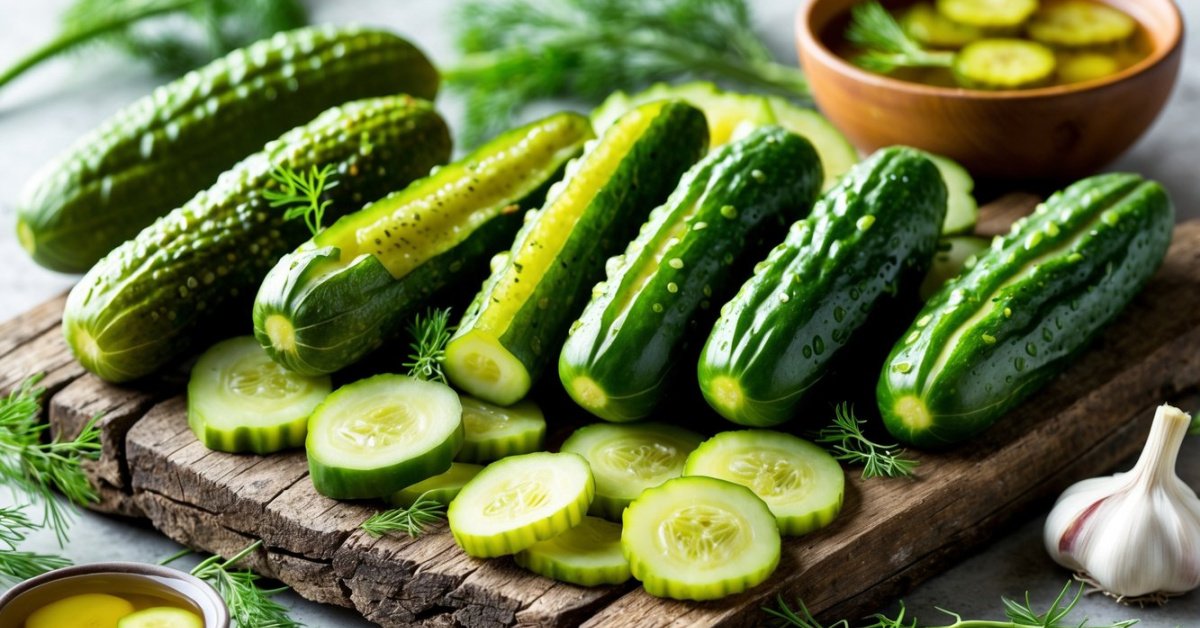
I’ve always loved the crisp crunch of coleslaw at summer cookouts but sometimes I crave a little extra zing. That’s when I discovered the magic of adding pickles to the mix. Suddenly this classic side dish turned into something bold and unforgettable.
If you’re a fan of tangy flavors and crave something different for your next barbecue you’ll want to try this twist. Pickle-infused coleslaw brings together the best of both worlds—fresh veggies and that unmistakable pickle punch. Trust me once you taste it you’ll be hooked.
Why Pickle-Infused Coleslaw Stands Out
Pickle-infused coleslaw delivers distinct freshness not found in classic versions. Brined cucumbers bring sharp tang and subtle sweetness, amplifying natural crunch in cabbage and carrots. I select homegrown pickles for brighter, garden-derived flavor notes that elevate each forkful.
Flavor complexity increases with each variety of pickle. Dill pickles add herbal layers, bread-and-butter pickles introduce mild spice, and fermented pickles offer gentle umami. These nuanced differences cater to every palate, connecting the salad directly to seasonal harvests.
Fermentation enhances probiotic content. Unlike regular mayonnaise-based coleslaw, a pickle-rich recipe naturally boosts lactic acid bacteria from brined vegetables. Consuming these live cultures links each serving to gut-friendly benefits, especially when I use unpasteurized pickles from my kitchen.
Vibrancy of pickle brine transforms the dressing. Infusing brine alters both acidity and salinity in the coleslaw base, allowing me to reduce added sugars and salt while still achieving bold, lasting flavor. Each ingredient harmonizes with the others, creating a self-sustaining dish grown and preserved from my own garden.
Key Ingredients For Pickle-Infused Coleslaw
Pickle-infused coleslaw draws its signature tang from carefully chosen ingredients. I always maximize flavor by selecting pickles and produce straight from my garden or pantry.
Choosing The Right Pickles
- Variety: Dill, garlic, bread-and-butter, and fermented cucumber pickles create different flavor profiles. I prefer whole dill pickles from my latest batch for sharper notes, but bread-and-butter round slices add a bit of sweetness.
- Brine: Bright, high-quality pickle brine acts as a base for the dressing. I use cucumber brine that’s rich in dill, garlic, and mustard seeds to enhance depth.
- Fermentation Level: Fully fermented pickles give a probiotic boost and amplify sourness. I add my oldest, tangiest jars when I want sharper complexity.
- Texture: Crisp pickles maintain crunch after mixing, so I choose small-firm varieties or cut spears from the upper half of each jar before adding to the bowl.
Essential Vegetables And Add-Ins
- Cabbage: Firm green or red cabbage makes up the bulk. I shred mine thin for even texture and color.
- Carrots: Sweet garden carrots, grated fresh, balance the brine’s acidity with gentle earthiness.
- Onions: Red onion or shallot, sliced fine, adds mild bite and color. I sometimes use pickled onions for extra tang.
- Peppers: Red bell, poblano, or banana peppers—chopped small—boost crunch and provide bright visual contrast.
- Herbs: Dill, chives, or parsley make the slaw herbal and fragrant. I use whatever’s freshest from my herb bed.
- Seeds: Celery seed or mustard seed echoes pickle flavors and supports texture in each bite. I sprinkle these directly in for subtle bitterness.
All ingredients reflect my dedication to sustainable food and the powerful possibilities of the pickle jar.
Step-By-Step Guide To Making Pickle-Infused Coleslaw
I always start my pickle-infused coleslaw by drawing out the full potential of every ingredient. Texture, acid, and garden freshness drive the whole process from my kitchen to the table.
Preparing The Dressing
I whisk together ½ cup mayonnaise, 3 tablespoons pickle brine, 2 tablespoons whole-grain mustard, and 1 tablespoon apple cider vinegar. I add 1½ teaspoons honey for balance, then stir in ¾ teaspoon celery seed and ½ teaspoon black pepper. For a boost of tang, I mince ½ cup of my favorite pickles—fermented garlic dills work best for depth—and mix them right into the dressing. I rely on the brine’s salt and skip extra added salt until tasting. If I want brighter color or sharper acidity, I sometimes blend in 1–2 teaspoons finely chopped fresh dill.
Mixing And Chilling The Slaw
I combine 6 cups shredded cabbage, 1 cup grated carrots, and ¼ cup finely sliced sweet onion in a large bowl. I pour the dressing over the vegetables, toss gently, and make sure every strand gets coated. I cover the bowl and place it in the fridge for at least 1 hour; chilling melds the flavors while keeping the slaw crisp. I always stir right before serving, and if the mix looks a little dry after chilling, I splash in an extra tablespoon of pickle brine. For extra color and bite, I top with thinly sliced pickles or a handful of chopped pickled peppers from my pantry.
Taste And Texture: What To Expect
Crunch defines the foundation of pickle-infused coleslaw. I notice every fresh batch delivers pronounced crispness from hand-chopped cabbage and carrots, enhanced by the snappy bite of sliced pickles. Tang marks every chew, with brine and pickled vegetables infusing the veg with sharp, vibrant notes—dill pickles impart an herbal edge, bread-and-butter pickles add sweetness, and fermented pickles create subtle complexity. Balance follows: sweetness from carrots and a touch of honey in the dressing offsets sharp vinegar and salt, preventing the flavors from overwhelming the palate.
Creaminess rounds out the experience when I mix my favorite homemade mayo into the dressing, while tiny bits of pickle add texture variations throughout each forkful. Cohesion emerges after chilling, when flavors meld without sogginess, thanks to water content from vegetables and brine. Serving my coleslaw cold amplifies the refreshing aspect, making it lively rather than heavy, perfect for summer spreads or root-vegetable harvests. Each element in my garden-grown or home-pickled slaw celebrates the satisfying relationship between crisp produce and tangy, nuanced pickles.
Serving Suggestions And Pairings
Pickle-infused coleslaw pairs seamlessly with dishes that celebrate preserved flavors and seasonal harvests. Grilled sausages, like bratwurst or kielbasa, gain brightness from the tang and crunch of my slaw. Pulled pork sandwiches or smoked brisket benefit from its acidity, which cuts through richness and balances bold meats.
I serve it alongside fried fish, especially catfish and cod, where the slaw’s crisp texture stands out against flaky fillets. Tuck it into fried chicken sandwiches or wraps for a garden-fresh, punchy bite that complements crispy coatings.
For a picnic spread, I combine pickle coleslaw with deviled eggs, pickled beets, and potato salad to create a lineup showcasing different home-pickled vegetables. Pickle fans can spoon it over burgers with extra dill pickles or stuff it into pitas with chickpea or lentil patties for a vegetarian option.
If you enjoy fermenting, pair the slaw with lacto-fermented pickles or sauerkraut to build a probiotic-rich plate. My homegrown lettuce wraps with grilled tofu and a scoop of pickle coleslaw make a light, garden-to-table lunch that highlights both garden and jar.
Here’s a quick table with pairing ideas:
| Dish Category | Examples | Why It Works |
|---|---|---|
| Grilled & Smoked Proteins | Bratwurst, brisket, pulled pork | Tangy crunch balances savory, fatty bites |
| Fried & Breaded Foods | Fried fish, chicken sandwiches | Coleslaw’s moisture and acidity add contrast |
| Picnic & Potluck Sides | Potato salad, deviled eggs, pickled beets | Supports medleys of homemade pickled fare |
| Vegetarian & Garden Plates | Falafel wraps, lettuce wraps, veggie burgers | Amplifies freshness of plant-based dishes |
| Fermentation Pairings | Sauerkraut, lacto-fermented pickles, kimchi | Creates a probiotic-boosted tangy platter |
With each serving, I highlight the synergy between preserved vegetables and peak-season produce, letting my passion for pickling and gardening shine through every bite.
Tips For Customizing Your Coleslaw
- Variety Pickle Types
Pickle type selection changes the flavor profile of coleslaw. I use crunchy dill pickles for brightness, bread-and-butter pickles for mellow sweetness, and fermented pickles for tangy depth. Mixing types boosts complexity.
- Brined Vegetable Add-Ins
Adding pickled onions, jalapeños, or green beans builds bold flavor. I chop pickled okra or carrots for extra zest. Choose add-ins with brines that complement the main pickles.
- Brine Experimentation
Swapping different brines in the dressing formula shifts the flavor. I use brines from spicy garlic pickles when I want more heat or swap in sweeter brines from bread-and-butter pickles for milder coleslaw.
- Garden-Fresh Ingredients
Shredding garden-grown cabbage and carrots gives crisper texture. I chop chives, parsley, or dill from my beds for herby notes. Combining fresh with pickled vegetables highlights seasons and preserves.
- Vegan and Dairy-Free Options
Using plant-based mayo and maple syrup instead of honey lets me offer vegan versions. For creaminess, I whisk in a little cashew yogurt or silken tofu blended with pickle brine.
- Texture Adjustments
Hand-shredded vegetables keep texture firmer than bagged slaw mixes. I slice pickles and onions thick for more bite. Toasted sunflower seeds or pepitas sprinkled on top create extra crunch.
- Heat and Spice Customization
Spicy pickle brines or a splash of my homemade hot sauce add fire. I slice in pickled peppers or mix in a pinch of ground mustard for heat.
- Sweetness Balancing
Sweetness tuning happens with honey, agave, or a tablespoon of my bread-and-butter pickle juice. I start with small amounts, because intensity varies by pickle batch.
- Fermentation Probiotics Boost
When I want probiotic benefits, I choose fermented pickles and kraut-style cabbage. These additions help gut-friendly bacteria thrive and taste more complex.
- Seasonal Produce Rotations
Substituting kohlrabi, radishes, or fennel in late summer and fall uses what my garden yields. Different vegetables shift texture and flavor, maintaining variety across seasons.
Conclusion
Pickle-infused coleslaw has become one of my favorite ways to add a punch of flavor to any meal. It’s amazing how something as simple as pickles can elevate a classic side into something unforgettable.
If you love experimenting in the kitchen or want to impress at your next cookout give this recipe a try. You might find yourself reaching for the pickle jar more often—just like I do.


