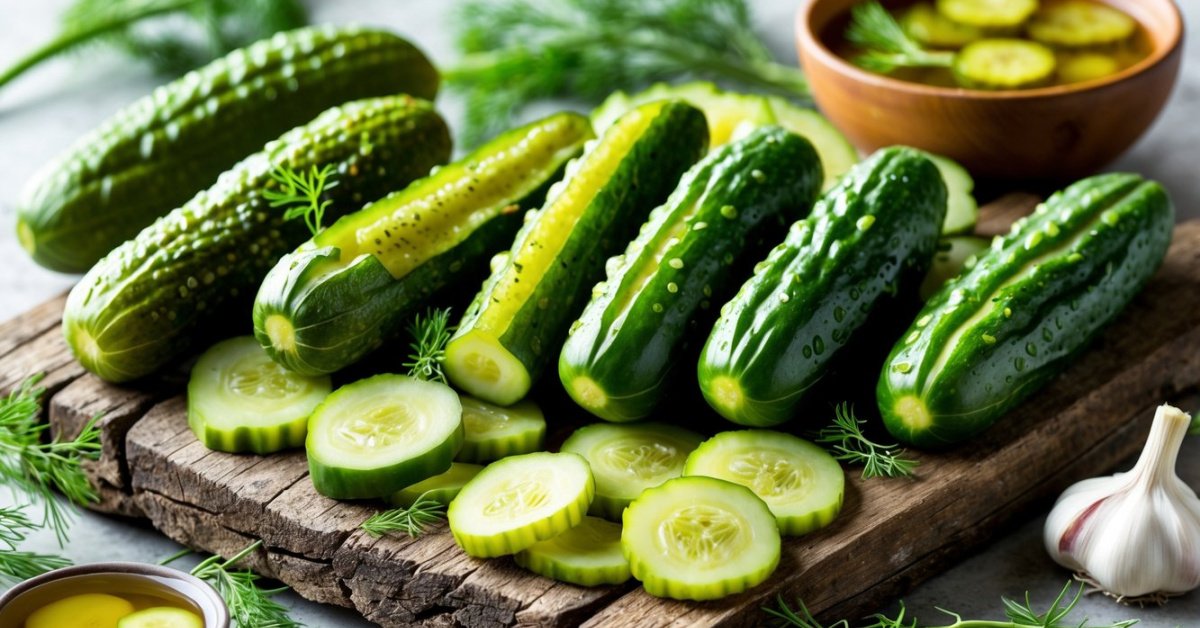
There’s something magical about a bowl of gazpacho on a hot day. I love how it’s cool crisp and packed with fresh flavors that wake up my taste buds. But sometimes I crave a little extra zing—something unexpected that takes this classic soup to the next level.
That’s where pickles come in. Adding them to gazpacho gives the soup a tangy twist that’s both refreshing and bold. If you’re ready to shake up your summer meals this pickle-enhanced gazpacho might just become your new favorite way to beat the heat.
What Makes Pickle-Enhanced Gazpacho Soup Unique
Pickle-enhanced gazpacho soup blends pickles’ sharp acidity with the chilled freshness of vegetables. Pickles introduce lactic acid from natural fermentation, which brightens the soup’s flavor profile and amplifies crispness. I find the nuanced tang from homemade cucumber pickles contrasts the mellow sweetness of ripe tomatoes, producing a lively balance. Brined vegetables, like dill pickles or pickled onions, add depth and complexity that canned or bottled acids can’t match.
Fermented pickle brine intensifies umami, especially when I use small-batch, garden-grown varieties. Brine also contributes healthy probiotics, setting this gazpacho apart from conventional cold soups. I always use crunchy pickles to maintain texture, avoiding mushiness that dulls the signature mouthfeel.
Gardeners who value self-sustainability enjoy this soup for its reliance on preserved produce. Gazpacho becomes a showcase for peak summer harvests and handcrafted pickles, linking flavor and sustainability. Using pickles preserves excess cucumbers and peppers—two prolific crops—while infusing the soup with individuality, since every batch of homemade pickles tastes unique.
Key Ingredients in the Pickle-Enhanced Gazpacho Soup Recipe
Pickle-enhanced gazpacho pulls its lively character from clear key ingredients. I focus on vegetables at their peak, bright brined additions, and vibrant garnishes drawn from my garden and pantry. Each element connects pickling, gardening, and self-sustainability in every spoonful.
Fresh Vegetables Overview
Tomatoes, cucumbers, and bell peppers form the foundation of pickle gazpacho. I harvest tomatoes (such as Early Girl or Cherokee Purple), English cucumbers (for minimal seeds), and sweet red or yellow peppers. I add a small red onion, a peeled clove of garlic, and a little celery for depth—my staples for robust vegetable flavor. All produce comes straight from my summer vegetable plots, where I use organic growing methods that encourage peak ripeness, indispensable for both fresh eating and successful pickling.
The Role of Pickles in the Recipe
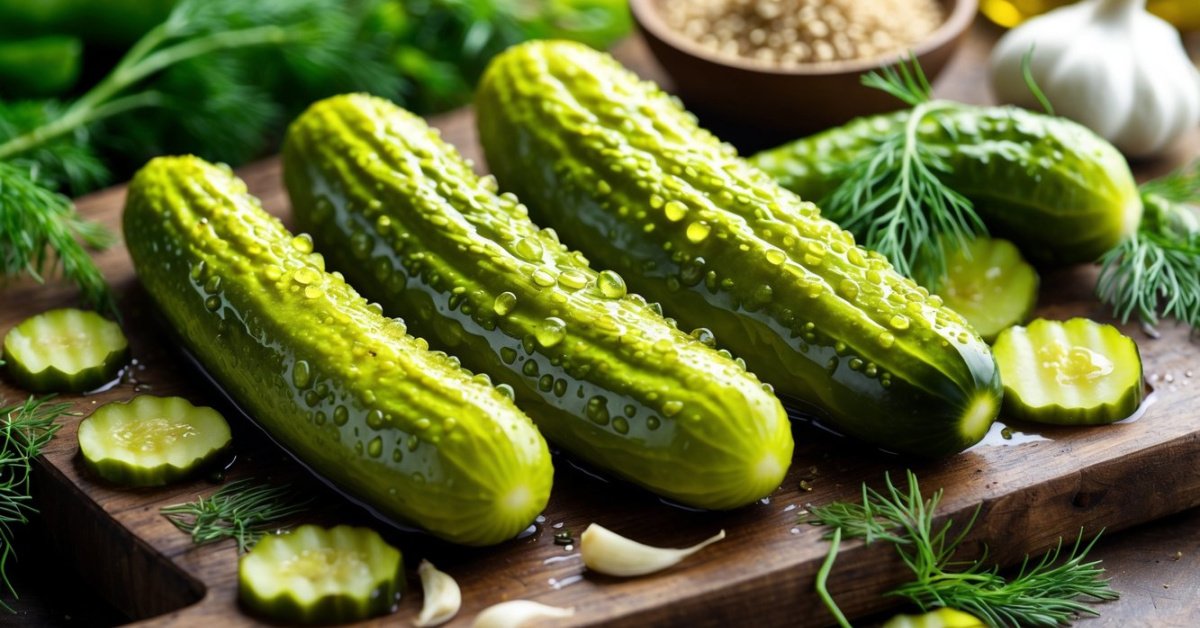
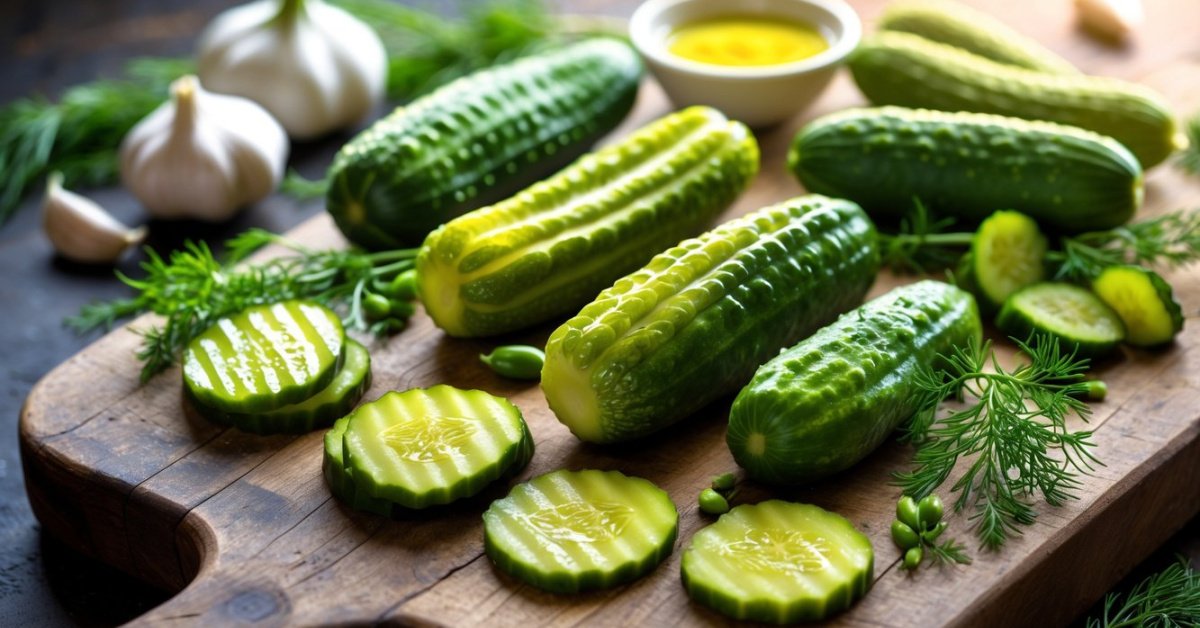
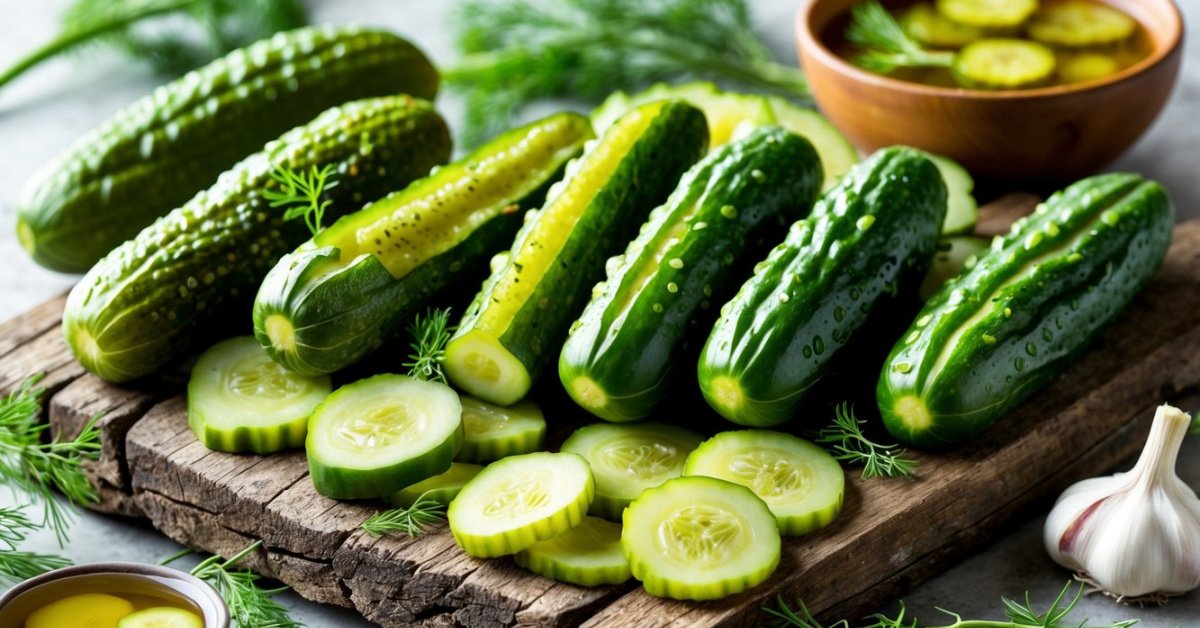
Pickles transform the flavor profile of gazpacho. I chop 2-3 homemade dill cucumber pickles and add 2-4 tablespoons of their brine for a tangy punch. Brined elements such as fermented garlic dill slices, spicy pickled peppers, or pickled red onions—each a product of old family pickling traditions—intensify acidity and layer in complexity. My pickles deliver probiotics from wild fermentation and create a distinctive, bold undertone that highlights the garden-fresh base. If my pickles contain mustard seeds, garlic, or fresh dill, those flavors subtly infuse the soup and elevate every sip.
Optional Garnishes and Add-ins
Garnishes emphasize texture and brightness. I top each bowl with diced pickled vegetables—like okra chips, jalapeño slices, or carrot sticks from my canning pantry. A drizzle of extra-virgin olive oil, a few fresh dill sprigs, or a sprinkle of smoked paprika showcases personal preserving choices. Toasted sourdough croutons or a dollop of yogurt heighten creaminess and crunch, while a spoonful of kimchi juice or pickled green tomato relish provides adventurous layers for pickle enthusiasts craving even more tang.
Step-by-Step Preparation Guide
I combine my pickling expertise and garden-fresh produce to build layers of flavor in every bowl. Below I break down my step-by-step approach for crafting pickle-enhanced gazpacho from scratch.
Prepping the Vegetables and Pickles
I harvest tomatoes, cucumbers, and peppers at peak ripeness for full flavor. I wash all produce thoroughly to remove dirt and garden residue. I chop tomatoes, peel cucumbers if the skins are tough, dice peppers, and slice onions. I save extra cucumbers to use as homemade dill pickles, which I make in small batches every week during summer. I dice these pickles finely so their acidity disperses evenly. For added tang, I drain 3-4 tablespoons of pickle brine from my freshest batch and set aside. I measure out vegetables and pickles by weight for consistency in every batch.
Blending and Seasoning Tips
I use a high-powered blender to pulse tomatoes, cucumbers, peppers, onions, garlic, diced pickles, and pickle brine. I blend in short bursts, as over-blending crushes nuanced textures from home-pickled vegetables. I avoid excess aeration by keeping speeds low. I taste, then season with kosher salt, black pepper, and a small pinch of smoked paprika for depth. I add more brine for brightness if the soup lacks tang. If the gazpacho seems thick, I add a few ice cubes or chilled filtered water for correct consistency without diluting pickle flavor.
Serving Suggestions
I chill bowls for one hour before serving to let flavors meld fully. I top my pickle-enhanced gazpacho with diced pickled cucumber, garden herbs like dill and chives, and a drizzle of extra-virgin olive oil for nuance. I add toasted sourdough croutons or pickled shallots on top for crunch. I garnish with a sprig of fresh dill and a splash of extra brine for those who want a stronger pickle punch. I often serve small bowls as an appetizer for summer gatherings, letting guests get creative with toppings.
Flavor Profile and Texture Analysis
Pickle-enhanced gazpacho delivers a sharp, layered flavor profile centered on pickling traditions. I get a crisp snap of acidity from brined cucumbers in each spoonful. That acidity boosts the sweet richness of ripe tomatoes and garden peppers. Savory notes from garlic, onions, and olive oil blend into the brighter pickle tang. Dill and mustard seed, common in my homemade pickles, weave subtle herbal and earthy undertones through the base. If I use red onion or pickled peppers as garnish, they inject pops of bite and heat.
Texture in this gazpacho tracks with both freshness and pickling methods. Diced or chunky cucumber pickles keep the soup crunchy and cooling, while blended brine smooths the base. Croutons or crumbled bread on top deliver a contrasting, rustic chew. I finish with chopped chives, fresh dill, or a splash of pickle brine for a refreshing, layered finish.
Eating this soup highlights the interplay of silky vegetable purée and crisp, pickle-like bites. With each bite, I taste the summer harvest lifted by fermentation’s brightness. Gardeners and pickling fans—like me—notice that every batch is a little different, shaped by whatever’s thriving in the soil and the subtle shifts in each homemade brine.
Pros and Cons of the Pickle-Enhanced Variation
Pros
- Flavor Complexity: Pickle pieces and brine introduce a layered sharpness to gazpacho, balancing sweet tomatoes and peppers with a pronounced tang. This makes each bowl distinct—homemade brined cucumbers and pickled onions, for example, offer nuanced acidity that deepens the soup’s profile.
- Probiotic Benefits: Fermented pickles and brine contribute live cultures, supporting gut health. If I use my lacto-fermented cucumber pickles, the soup gains the added bonus of good bacteria.
- Sustainability: Pickle-enhanced gazpacho reduces waste by using excess garden cucumbers, peppers, and herbs. I frequently preserve late-season harvests through pickling, ensuring nothing from my organic beds goes unused.
- Creative Expression: Each batch lets me experiment—dill, garlic, spicy chiles, or mixed vegetables each bring unique strengths, letting this soup showcase the full spectrum of homemade pickle traditions.
- Acidity Sensitivity: Some diners find sharp pickle brine overpowering, especially if sensitive to fermented or vinegar-forward foods. If I include extra brine, those unaccustomed to tang may find the flavor too assertive.
- Texture Changes: Pickled vegetables add crunch, which can interrupt the smoother consistency that gazpacho fans expect. If I want a silkier finish, I blend pickles thoroughly, but that can mute their presence.
- Salt Content: Brined vegetables boost sodium, which may not suit those seeking lower-salt recipes. Homemade pickles let me adjust the salinity, though reducing salt risks affecting preservation.
- Ingredient Variability: Homemade pickles vary in acidity, spice, and salt, so gazpacho results aren’t always uniform. I test and adjust each batch, but different brines make consistent results more challenging.
Conclusion
Pickle-enhanced gazpacho has become one of my favorite ways to celebrate summer’s bounty. There’s something so satisfying about blending my garden’s freshest veggies with the zesty punch of homemade pickles.
If you’re curious or just want to shake up your usual cold soup routine give this twist a try. You might discover a new seasonal staple that’s as playful as it is refreshing. I can’t wait to hear how your own batches turn out and what creative spins you bring to your bowl.