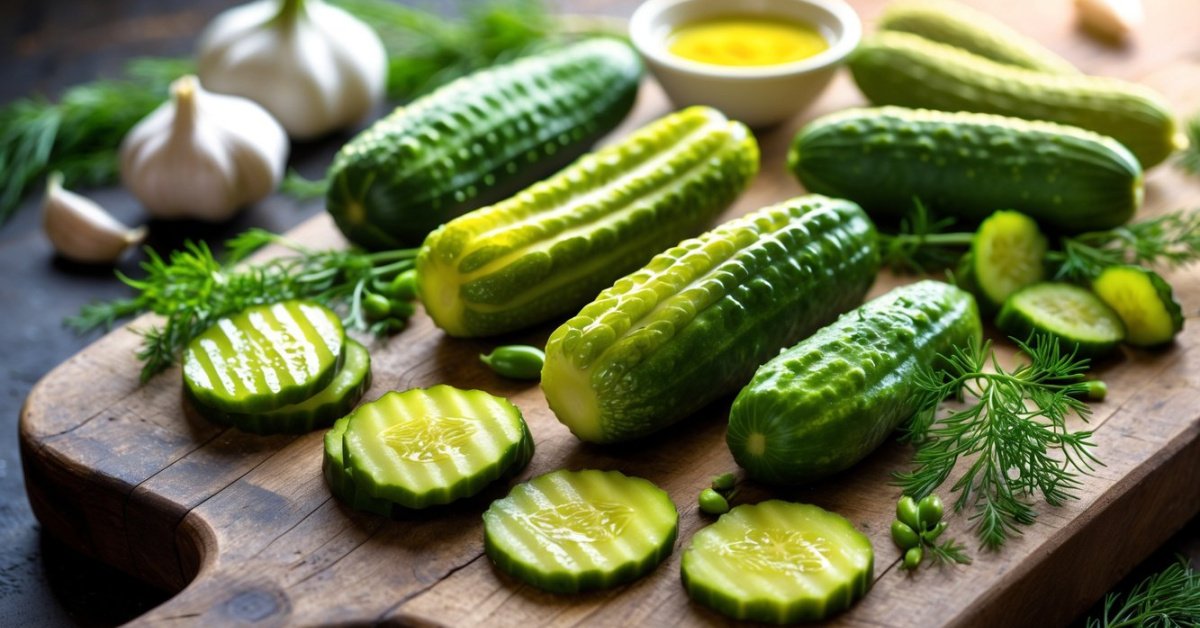
Whenever I want to add a burst of flavor and crunch to my meals I reach for giardiniera. This colorful mix of pickled vegetables isn’t just a treat for the eyes—it’s a staple in Italian kitchens and a secret weapon in my own. Whether I’m topping a sandwich or serving up an antipasto platter giardiniera brings a zesty kick that wakes up any dish.
I love how each bite delivers something different. The tangy vinegar and blend of spices make even the simplest veggies taste exciting. If you’ve never tried giardiniera or only know it from the grocery store shelves you’re in for a delicious surprise.
What Is Giardiniera: Italian Mixed Pickled Vegetables?
Giardiniera means “from the garden” in Italian, echoing my love for homegrown produce and preservation. I always craft giardiniera by pickling a medley of vegetables like cauliflower, carrots, celery, bell peppers, and sometimes green beans or olives, all common picks for traditional recipes.
I slice or chop these vegetables, pack them into jars, then cover them with a tangy brine of vinegar, water, salt, and spices—usually peppercorns, oregano, and sometimes chili flakes for extra kick. Fermentation or quick pickling methods both fit classic giardiniera; I often use a vinegar-based quick pickle, giving vegetables their signature crunch and tart flavor within hours.
Giardiniera typically graces antipasto platters and sandwiches across Italy, especially in the north, but also features in American adaptations—Chicago-style giardiniera swaps traditional vinegar for oil, adding sport peppers and giving an extra savory dimension for hot dogs and Italian beef.
I value giardiniera for its versatility, vibrant appearance, and the way it preserves seasonal vegetables for months. If you pick fresh vegetables from your garden or local market, giardiniera transforms surplus harvests into a probiotic-rich, flavor-packed pickle that highlights both heritage and sustainability.
Origin and History of Giardiniera
Giardiniera traces its roots to Northern Italy, where gardeners like me found smart ways to preserve harvest abundance. Italians started pickling vegetables centuries ago; records from 17th-century cookbooks (source: Accademia Italiana della Cucina) describe mixed vegetable preserves using vinegar and local spices. People in rural regions used giardiniera at harvest’s end, capturing peak vegetable freshness for winter meals.
Immigrant waves brought giardiniera to the United States in the late 1800s, finding new homes in cities with large Italian-American communities like Chicago and New York. Chicago’s version transformed in the early 20th century when delis began adding oil-cured sport peppers and using sunflower or olive oil to enhance the bite, a key difference from traditional Italian-style vinegar brine.
Modern giardiniera remains a symbol of preservation and seasonality. Enthusiasts like me use it to celebrate self-sufficiency and gardening know-how. Its evolution connects generations, with every jar linking today’s pickling practices to ancestral roots. Giardiniera’s story reinforces core values in sustainable food traditions and skillful use of the garden’s bounty.
Traditional Ingredients and Variations
Giardiniera recipes adapt to regions and seasons, creating distinct blends and flavor profiles. I use each harvest as inspiration and appreciate how both tradition and creativity guide every batch.
Classic Italian Vs. Chicago-Style Giardiniera
Classic Italian giardiniera features vegetables like cauliflower florets, carrot slices, celery sticks, and bell pepper strips in a vinegar-forward brine. I often add pearl onions and small cucumbers for extra texture. These vegetables marinate in white wine vinegar, water, salt, and modest aromatics like bay leaves, black peppercorns, and sometimes cloves.
Chicago-style giardiniera originated as an Italian-American adaptation. I craft this style for those seeking more heat and richness. Chicago versions use many of the same vegetables but add green olives and crucially, sport peppers—both diced for spreadability. Instead of solely vinegar brine, I combine oil (often sunflower or olive) with vinegar. This oil-packed method intensifies savoriness and brings out the peppers’ heat, transforming the mix from a tangy condiment into a spicy, crunchy relish. Sandwich shops in Chicago serve this daily on Italian beef, sub sandwiches, and pizza.
Common Vegetables and Flavorings Used
I select vegetables at peak freshness for superior giardiniera texture and taste. My ingredient list includes:
- Cauliflower
Dense florets retain crunch and absorb brine quickly.
- Carrots
Diagonal cuts increase surface area for flavor infusion.
- Celery
Rib pieces maintain firmness in both vinegar and oil cures.
- Bell peppers
Red, yellow, and green varieties, diced or julienned, add sweetness and color.
- Sport peppers
Chicago batches rely on these spicy pickled peppers for signature heat.
- Pearl onions and gherkins
Small onions and baby cucumbers anchor traditional blends and supply bite.
- Aromatics and spices
Bay leaves, black peppercorns, mustard seeds, garlic cloves, and red chili flakes influence the brine’s aroma and complexity.
I use white wine vinegar and fine sea salt as a foundation for every batch. American giardiniera trades in vegetable oil to soften acidity and carry flavors, while Italian versions lean bright and herbal. My methods prioritize crispness—fast blanching and immediate brining protect high garden flavors, preserving every vegetable’s unique traits in the finished jar.
How Giardiniera Is Made
Crafting giardiniera blends hands-on pickling with fresh, garden-grown vegetables. I rely on tested preservation techniques to keep every batch crisp, colorful, and flavorful.
Pickling Process and Preservation Methods
Preparing giardiniera relies on simple, time-honored pickling processes. I always start by washing and uniformly chopping vegetables like cauliflower, carrots, celery, and peppers. I use a non-reactive bowl to toss my veggies with salt and let them sit for 8–12 hours. This draws out extra moisture and ensures a crunchy texture.
Brining comes next. I typically heat white wine vinegar and water in a 2:1 ratio and add pickling spices such as black peppercorns, mustard seeds, bay leaves, and sometimes garlic. I bring this mixture to a boil and then pour it directly over the salted vegetables. I quickly pack the vegetables and brine into sterilized glass jars.
For vinegar-based quick pickles, I simply seal the jars and refrigerate them immediately, preserving their crunch and bright flavors for up to 2 months. For shelf-stable preservation, I process the jars in a boiling water bath for about 10 minutes to ensure safety and longevity, following USDA home canning guidelines. Fermented giardiniera doesn’t use vinegar; instead, I let the vegetables brine in salted water at room temperature for up to 7 days, developing tang thanks to natural lactic acid bacteria.
Homemade Versus Store-Bought Giardiniera
Making giardiniera at home gives me full control over flavor, texture, and ingredient quality. I use vegetables straight from the garden when possible, selecting peak-season produce and spices. I can adjust salt and vinegar content, customize the spice level, and avoid preservatives and additives.
Store-bought giardiniera offers consistency and convenience, with brands like Mezzetta, Dell’Alpe, and Marconi leading in American markets. Commercial producers often add oils, stabilizers, or higher acidity for shelf life. Texture in mass-produced versions sometimes differs—homemade batches almost always stay crisper due to fresher vegetables and immediate processing.
Table: Homemade vs Store-Bought Giardiniera Differences
| Aspect | Homemade Giardiniera | Store-Bought Giardiniera |
|---|---|---|
| Vegetables | Fresh-picked, customizable | Pre-selected, mass-processed |
| Brine | Custom spices, vinegar-wine ratio | Standardized recipe, higher acidity |
| Additives | None or minimal | Preservatives, stabilizers |
| Texture | Crisper from fresh prep | Softer due to storage, mass prep |
| Oil Content | Optional | Often higher, especially Chicago-style |
| Flavor Control | Fully adjustable | Consistent but less customizable |
Giardiniera’s home preparation always lets me highlight my garden harvest while supporting sustainable food practices and maximum flavor.
Taste and Texture: What to Expect
Giardiniera delivers a bright, tangy profile with layered flavors in every bite. I find its vinegar-forward sharpness comes first, then aromatic herbs and spices—such as oregano, mustard seed, and bay leaf—add complexity. Typical vegetables like cauliflower and carrots contribute mild sweetness, while celery and peppers offer fresh, vegetal undertones. In classic Italian blends, the balance tips toward tart and slightly acidic, while Chicago-style oil-packed versions boost savory, garlicky, and sometimes spicy notes from sport peppers.
Crunch is the hallmark texture in any giardiniera. I always prioritize fresh, peak-harvest vegetables to capture that firm snap. Cauliflower florets and carrots stay crisp-tender, giving substantial bite. Celery and bell peppers retain juiciness without becoming mushy. When I make giardiniera by the quick-pickling method, I notice the brine locks in structure, while longer pickling times mellow the crunch slightly but build depth in flavor.
Texture can shift depending on vinegar strength, brine temperature, and the duration of pickling. Oil-cured versions soften a touch more but trade added chew for an unctuous, lush mouthfeel thanks to olive or sunflower oil. If stored at the right temperature and acidity, giardiniera maintains vibrant color and density for months. Whether topping a sandwich, layering on an antipasto board, or eating straight from the jar, I experience the interplay of crunch, tang, and subtle spice in every mouthful.
Culinary Uses and Pairing Suggestions
Giardiniera brings bold flavors and crisp textures to any meal. I rely on its versatility to transform both classic and inventive dishes with a burst of acidity and color.
Serving Ideas in Italian Cuisine
I serve giardiniera as a staple on antipasto platters, nestled between cured meats like prosciutto, salami, and mortadella. I layer it into panini for brightness, especially with creamy cheeses such as mozzarella or provolone. I scatter giardiniera atop pizza bianca, focaccia, or even traditional Margherita for texture and tang. I mix it into pasta salads to add crunch, pairing well with fusilli, penne, or farfalle tossed with olive oil and fresh herbs. In Italian-American kitchens, I spoon it onto beef sandwiches—such as Chicago’s Italian beef—for a spicy, pickled kick.
Creative Ways to Use Giardiniera
I add giardiniera to grain bowls with farro, brown rice, or quinoa for zest. I chop it finely and mix into deviled eggs or chicken salad for brightness. I stir giardiniera into hummus or yogurt dips for acidity and crunch. I spread it on grilled cheese sandwiches with sharp cheddar. I garnish roasted meats like pork loin, grilled chicken, or seared steak for contrast. I even blend a spoonful into tuna salad or layer it into wraps with roasted vegetables, using giardiniera’s tang to cut through richness. I top avocado toast or scrambled eggs, letting the vinegar and spice contrast the creaminess.
Health Benefits and Nutritional Information
Giardiniera offers a mix of health benefits through its blend of pickled vegetables, vinegar, and spices.
Nutritional Composition of Giardiniera
Giardiniera provides fiber, micronutrients, and antioxidants from its vegetable medley. For example, cauliflower delivers vitamin C, bell peppers add beta-carotene, and carrots contribute potassium and vitamin A. Pickle brine typically contains minimal calories and no fat, especially in vinegar-based versions. Oil-cured giardiniera contains higher fat and calorie content, with monounsaturated fats from olive oil.
Probiotic Potential
Fermented giardiniera contains live lactic acid bacteria, which promote gut health, if a traditional fermentation process is used instead of vinegar pickling. Quick-pickled, vinegar-cured giardiniera doesn’t contain probiotics.
Salt and Sodium Considerations
Giardiniera’s brine raises sodium levels, with most commercial or homemade batches containing 350–500 mg sodium per quarter-cup serving if salt isn’t kept minimal. Monitoring portion size or opting for a low-salt recipe helps those needing to control sodium intake.
Preservative-Free and Whole Ingredients
Homemade giardiniera uses fresh, whole vegetables, without artificial colors or preservatives if industrial canning practices aren’t used. Making my own allows me to avoid additives common in mass-produced pickles, ensuring a cleaner label and fresher taste.
Gluten-Free and Plant-Based
Vegetable-only giardiniera is naturally gluten-free and plant-based, provided no non-vegetarian flavorings or bread crumbs are added. This suits vegan, vegetarian, and gluten-intolerant diets.
Giardiniera Nutritional Snapshot
| Serving Size | Calories | Fat (g) | Fiber (g) | Sodium (mg) | Notable Micronutrients |
|---|---|---|---|---|---|
| 1/4 cup | 10–90 | 0–6 | 1 | 350–500 | Vitamin C, potassium, beta-carotene |
Values apply to different giardiniera styles: vinegar-based (lower end), oil-cured (higher end).
Giardiniera serves as a vibrant, nutrient-rich, garden-inspired food that supports seasonal eating and minimizes waste while enhancing meals with its flavor and nutritional diversity.
Where to Buy the Best Giardiniera
I find giardiniera in specialty Italian delis, independent grocers, and select online retailers that focus on authentic Mediterranean foods. Shelf-stable jars from brands like Mezzetta, Frank’s, and Marconi line shelves in Italian food shops and major supermarkets, especially in cities with strong Italian-American communities like Chicago, New York, and San Francisco. Chicago-style giardiniera pops up most often at local markets and sandwich counters known for Italian beef or sausage—Portillo’s and local delis stock several varieties.
I order small-batch or artisanal giardiniera online from producers who highlight traditional preservation or sustainable sourcing. Retailers such as Eataly, Italian Harvest, and specialty stores ship nationwide, offering mild to extra-hot blends in both vinegar and oil-based recipes. Subscription boxes with a Mediterranean or pickle focus often include regional giardiniera—highlighting products from craft makers like J.P. Graziano or Clemenza’s.
I check local farmers’ markets for homemade giardiniera during peak vegetable season. Vendors and urban gardeners sometimes sell small-batch jars, reflecting seasonal produce and unique spice blends—these often taste fresher and deliver crunchier texture than mass-produced versions.
I advise always reading ingredient lists when you shop for giardiniera, watching for preservatives and excess oils that can mask flavors. Real, fresh-tasting giardiniera centers on crisp vegetables, pronounced acidity, and complex aromatics without synthetic aftertastes.
I source the best giardiniera by balancing authenticity, quality of ingredients, and producer reputation, seeking out fermenters and canners that practice traditional methods or use homegrown produce for the most vibrant, garden-inspired pickled medleys.
Conclusion
Giardiniera has become one of those kitchen staples I always want on hand. Whether I’m looking to add a punch of flavor to a sandwich or brighten up a simple salad there’s just something about those tangy crunchy vegetables that makes every meal feel special.
If you’ve never tried making your own batch or picking up a jar from a local deli I hope you’ll give it a go. You might be surprised at how much joy a spoonful of giardiniera can bring to your table and your taste buds.