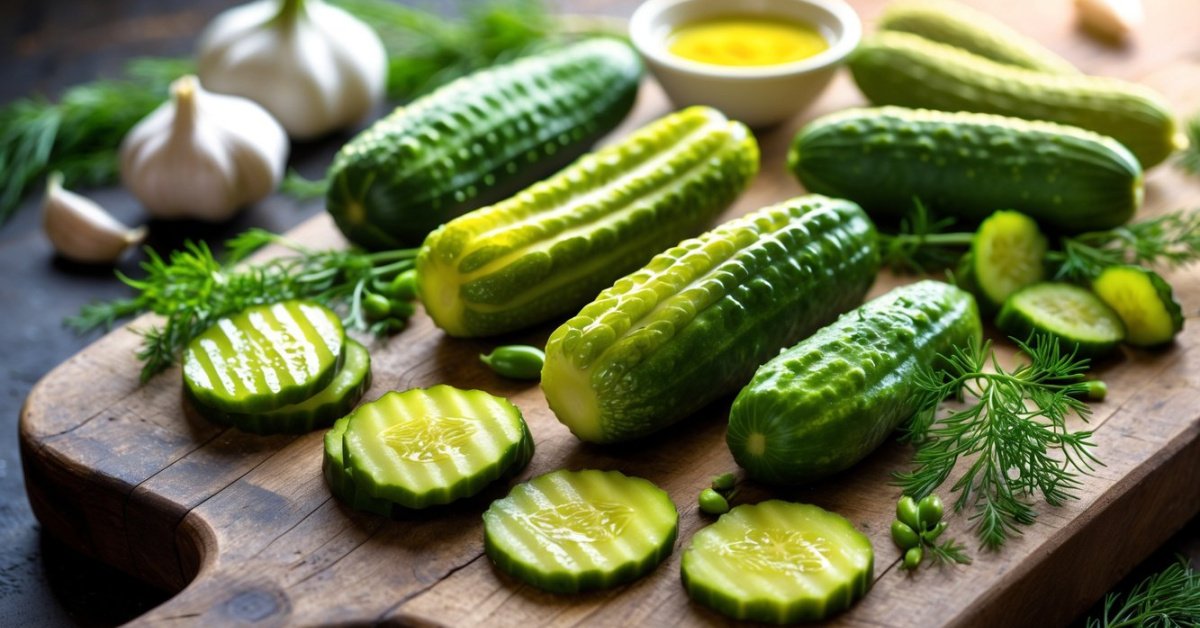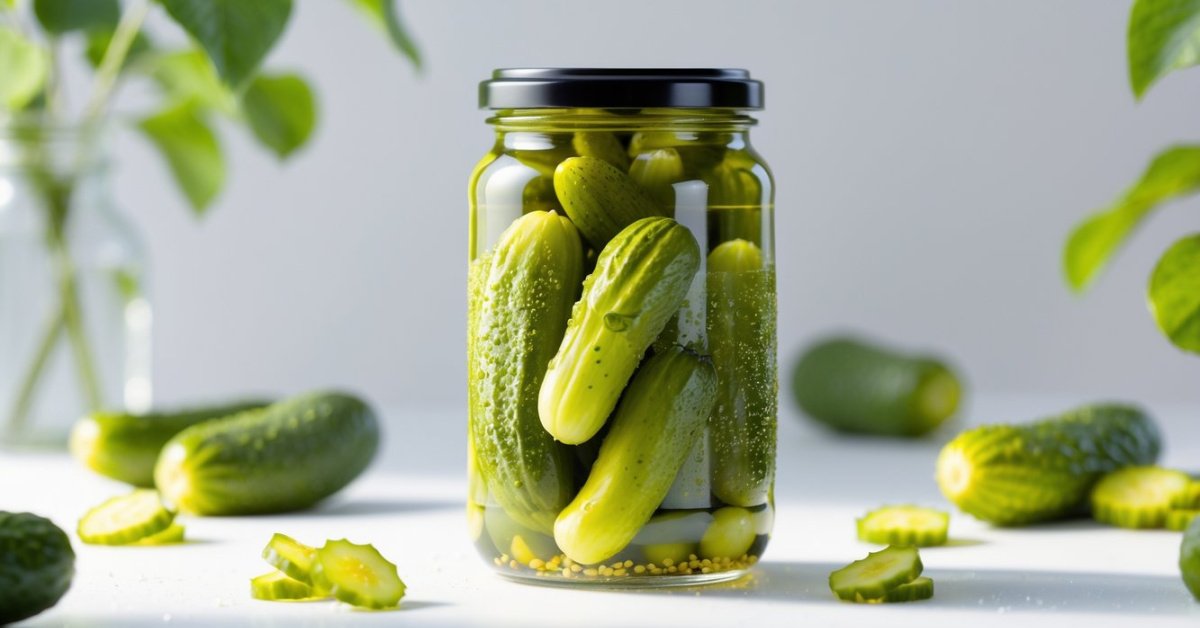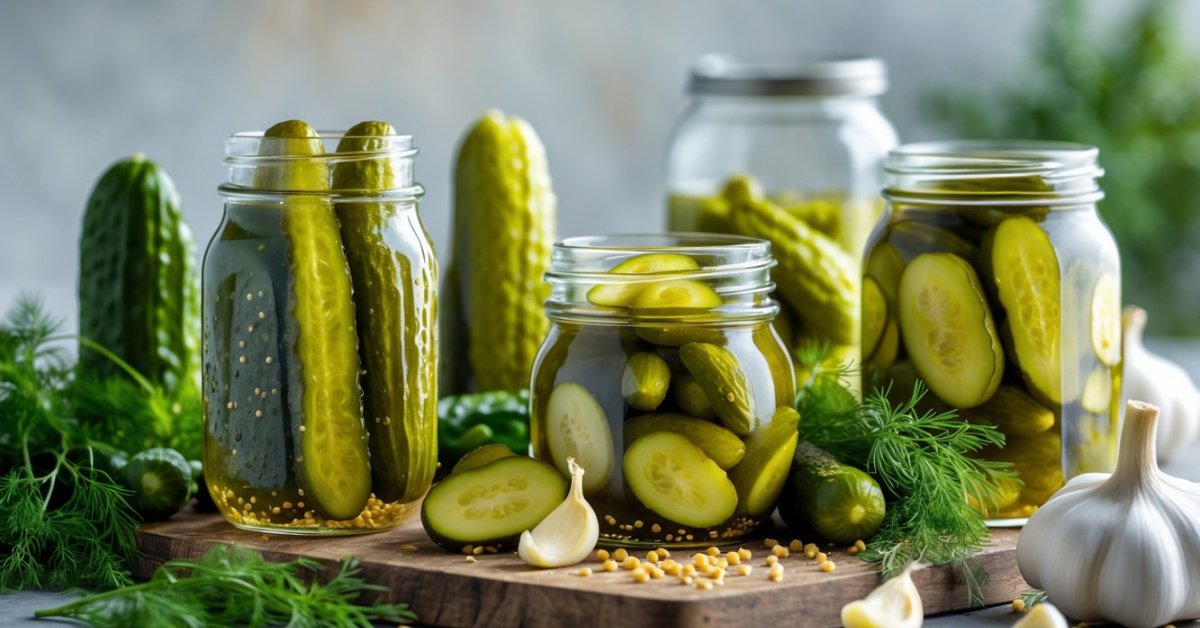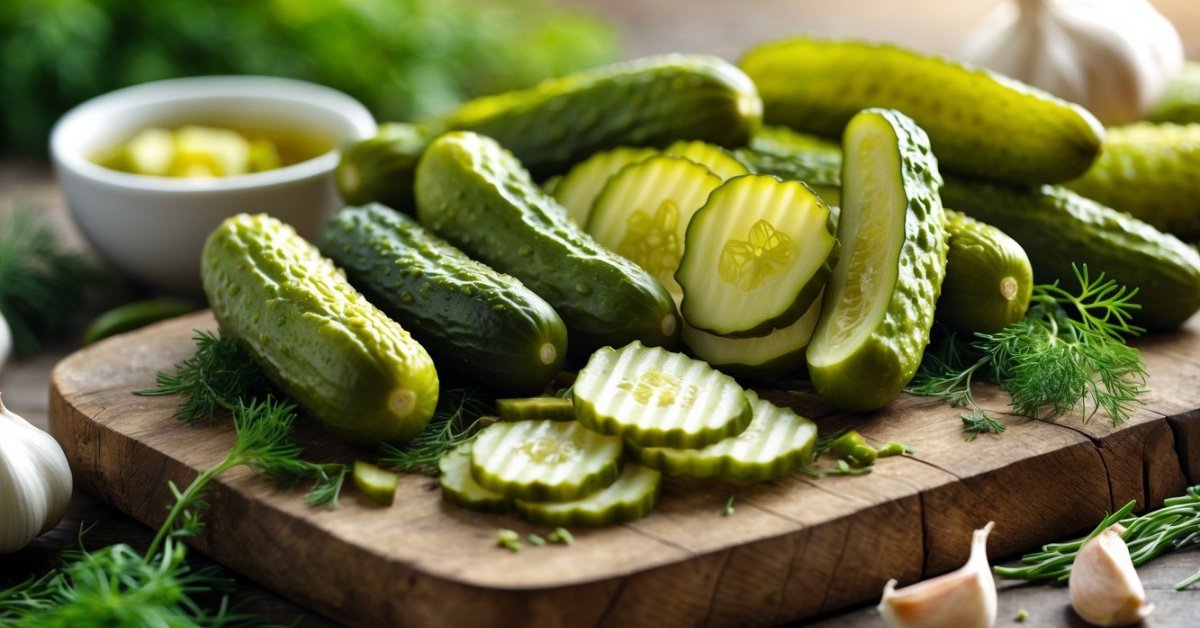
Whenever I sit down to a Japanese meal, I can’t help but notice the colorful array of pickled vegetables known as tsukemono. These crunchy bites add more than just flavor—they bring a sense of balance and harmony to every dish. It’s amazing how something so simple can hold such an important place on the table.
As I learned more about tsukemono, I discovered their deep roots in Zen culture. It’s not just about preserving vegetables—it’s about mindfulness, patience, and appreciating the beauty in everyday life. I find myself drawn to the quiet rituals behind pickling and how they reflect the Zen way of living.
The Significance of Tsukemono in Japanese Cuisine
Tsukemono anchor every traditional Japanese meal, from simple breakfasts to elaborate kaiseki. These pickled vegetables—like daikon, eggplant, and cucumber—bring color, crunch, and depth to plates. I use tsukemono for cleansing the palate and enhancing the gentle umami flavors in rice or miso soup.
Flavor balancing stands out as the main culinary role of tsukemono. Sourness from shibazuke, saltiness from umeboshi, and sweetness from nukazuke keep the meal vibrant without overwhelming. In my experience, this flavor contrast means even small servings of tsukemono elevate simple staple foods.
Table etiquette in Japan positions tsukemono as essential. It’s common to serve at least one kind of pickled vegetable with each meal. During formal kaiseki meals, several kinds—such as takuan and hakusai no sokusekizuke—provide keyed punctuation between courses. In home kitchens, I see tsukemono reflecting the seasons, with spring sansai and winter root vegetables always appearing pickled.
Nutrition also shapes tsukemono’s importance. I value their lactic acid bacteria, which aid digestion and support gut health, according to research published by the Japan Fermentation Society. Low in calories but dense in minerals, tsukemono help balance heavier or oil-rich foods.
Cultural context keeps tsukemono meaningful. Pickling traditions passed through generations build connection to regional identity and family history. For me, tending to a nuka-bed or preparing kasuzuke each season is both a meditation in patience and a way to preserve the flavor of homegrown harvests.
The Roots of Tsukemono in Zen Culture
Tsukemono emerged from centuries of tradition deeply shaped by Zen Buddhist principles. I see their history as a reflection of harmony between food preservation and mindful living.
Historical Origins and Buddhist Influence
Zen monks pioneered tsukemono as preserved vegetables aligned with vegetarian, seasonal monastic meals. Monasteries in the 13th century practiced pickling to extend the harvest, using simple ingredients like salt, rice bran, and miso. These basic methods kept the process sustainable and compatible with Buddhist values, which forbid waste and promote respect for life. Zen texts describe monks pickling daikon and turnips not only for nourishment but also to reinforce discipline, self-restraint, and gratitude for basic sustenance. This connection remains visible in temple cuisine, or shojin ryori, where tsukemono serves as an essential dish at each meal.
Mindfulness and Seasonality in the Pickling Process
Tsukemono-making embodies mindfulness in each step, from careful selection of firm, blemish-free vegetables to attentive fermentation. I harvest and pickle produce at its seasonal peak, as Zen tradition teaches respect for nature’s cycle and the impermanence of ingredients. The repetitive acts—washing roots, layering with salt, packing in jars—become a kind of meditation. These mindful practices help me focus fully on the preparation, echoing Zen’s encouragement to appreciate simple tasks. By pickling seasonally, I not only preserve my garden’s bounty but also participate in the centuries-old Zen pursuit of balance, presence, and sustainability.
Common Types of Japanese Tsukemono
Japanese tsukemono shows endless diversity, shaped by centuries of cultivation and local practices. I find their range—from crisp, raw styles to deeply fermented treasures—offers insight into Japan’s culinary and Zen traditions.
Notable Varieties and Their Characteristics
- Umeboshi (Pickled Plums)
Umeboshi, salty and tart, uses ume plums pickled in salt with red shiso leaves. I savor their puckering intensity, which brings contrast and color to rice and onigiri.
- Takuan (Pickled Daikon Radish)
Takuan, bright yellow and slightly sweet-sour, is made by drying daikon then pickling it with rice bran (nuka), salt, and sometimes sugar. These crunchy slices finish a meal cleansed and refreshed.
- Shibazuke (Mixed Vegetable Pickle)
Shibazuke combines cucumbers, eggplants, and shiso in a lactic acid fermentation. I recognize it by its vivid magenta hue and tang, mostly served with Kyoto meals.
- Fukujinzuke (Seven-Vegetable Pickle)
Fukujinzuke uses slices of daikon, lotus root, eggplant, cucumber, and other vegetables in a soy-based brine. Its mild crunch complements Japanese curry, adding both crunch and gentle sweetness.
- Hakusai no Tsukemono (Pickled Napa Cabbage)
Hakusai no tsukemono, made with napa cabbage, salt, chili, and sometimes kombu, brings refreshing crunch and mild brine. I often include it as a palate cleanser with steamed rice.
- Narazuke (Sake Lees Pickle)
Narazuke features gourds, melons, or cucumbers aged in sake lees (sake kasu) for up to several years. The deep brown hue and umami taste create a robust and earthy pickle, often found in Nara.
Regional Differences and Unique Ingredients
- Kyoto – Shibazuke and Senmaizuke
Kyoto produces shibazuke and senmaizuke. Senmaizuke uses thinly sliced turnip pickled with kelp and red chili. I observe how Kyoto’s unique climate produces soft-textured vegetables ideal for gentle pickling.
- Nara – Narazuke
Nara’s narazuke uses sake lees and local melon varieties, resulting in sweet, aromatic pickles historically tied to temple cuisine.
- Tohoku – Iburigakko
Tohoku’s iburigakko features smoked daikon pickled in rice bran. I recognize its smoky aroma, a product of the cold climate and preservation needs.
- Hokkaido – Matsumaezuke
Hokkaido’s matsumaezuke brings together squid, herring roe, konbu, and vegetables in a soy-based brine. Seafood and locally cultivated konbu create a savory, oceanic character.
- Local Specialties
Every prefecture cultivates vegetable and brine combinations—from Yamagata’s sun-dried persimmon pickles to Gunma’s savory miso-zuke. Home gardeners and small producers keep these traditions vibrant, often showcasing rare seasonal produce and family methods passed down for generations.
The Art of Making Tsukemono
Mastering tsukemono centers on patience and respect for each ingredient’s character. I’ve learned that this process combines time-honored skills with fresh innovation.
Traditional Pickling Techniques
Traditional pickling techniques for tsukemono rely on salt, rice bran (nuka), miso, sake lees (kasuzuke), or vinegar as primary agents. I pack vegetables tightly into a vessel with a weighted press, either ceramic or wooden, to draw out moisture and infuse them with transformative flavors. Salt-kneading uses coarse salt to massage sliced daikon, cucumbers, or eggplants, then weights extract water, resulting in crisp, savory pickles. For nukazuke, I maintain a rice bran bed—a living substrate that ferments cucumbers, carrots, or eggplant daily, developing tang and umami from lactic acid bacteria.
Sun drying certain vegetables concentrates flavor before pickling, as I often do with eggplant or daikon. Timing varies: asazuke (quick pickles) rest for hours, while umeboshi and narazuke might cure for months. Clean hands, precise salt ratios, and seasonal produce preserve flavor and ensure consistent results. My practice focuses on minimal seasoning, letting natural flavors shine, replicating what Zen monks refined centuries ago.
Modern Adaptations and Innovations
Modern tsukemono adaptations embrace new vegetables, fermentation techniques, and global influences while honoring tradition. I experiment with quick fermenters like kohlrabi, colorful radishes, or even chili peppers rarely seen in classic recipes. Vacuum-sealing and refrigeration accelerate brining, yielding satisfying crunch and acidity in just a day.
Creative home picklers blend rice vinegar with herbs or citrus, incorporating yuzu or ginger to brighten taste profiles. I sometimes use probiotic cultures for reliable lactic fermentation, especially outside traditional Japanese climates. Hybrid recipes combine Western and Japanese methods—think beetroot pickled with rice vinegar and shoyu, or cauliflower with kombu and chili threads.
These innovations reflect a self-sustaining mindset, where any garden harvest or kitchen scrap becomes an opportunity for new tsukemono. By balancing ancestral wisdom with experimentation, I keep pickling practices vibrant and personally meaningful.
The Role of Tsukemono in Zen Monastic Meals
Tsukemono hold deep meaning in Zen monastic kitchens. I see their presence not just as an accent, but as a foundation of daily temple nourishment.
Symbolism in Shojin Ryori (Zen Vegetarian Cuisine)
Shojin ryori, the vegetarian cuisine of Zen monasteries, centers on plant-based ingredients, and tsukemono provide essential variety. I find pickles like takuan (daikon), umeboshi (plum), and nasu (eggplant) on any Zen table, echoing respect for each season’s bounty. Tsukemono represent preservation, patience, and non-attachment—the core tenets in Zen. Their sour or salty notes remind me and fellow practitioners that even simple foods offer complexity without excess. In many temples, prepping tsukemono marks transitions between seasons, storing spring’s abundance for winter’s scarcity and reinforcing the mindful cycle of nature.
Enhancing Simplicity and Balance in Meals
Tsukemono elevate basic rice and vegetable dishes found in monastic meals. I serve crunchy cucumber pickles or briny hakusai no tsukemono to cut through the richness of miso or tofu, ensuring meals remain digestible and never monotonous. These pickles introduce acidity, umami, or sweetness to contrast steamed grains, often acting as a palate cleanser. When making tsukemono, I aim for harmony—never overwhelming but always noticeable. Monks value this practice for reinforcing the Zen principle of balancing the five flavors (sour, bitter, sweet, salty, umami) in every meal. I regard tsukemono as the quiet force sustaining both flavor and nutritional balance, especially during the demanding routines of temple life.
Conclusion
Exploring tsukemono has deepened my appreciation for the quiet artistry woven into everyday Japanese meals. I love how these pickles invite me to slow down and notice the subtle flavors and textures that might otherwise go unnoticed.
Every bite of tsukemono feels like a gentle reminder to honor the changing seasons and the care that goes into mindful preparation. It’s a tradition that connects me to the past while inspiring creativity and presence in my own kitchen.