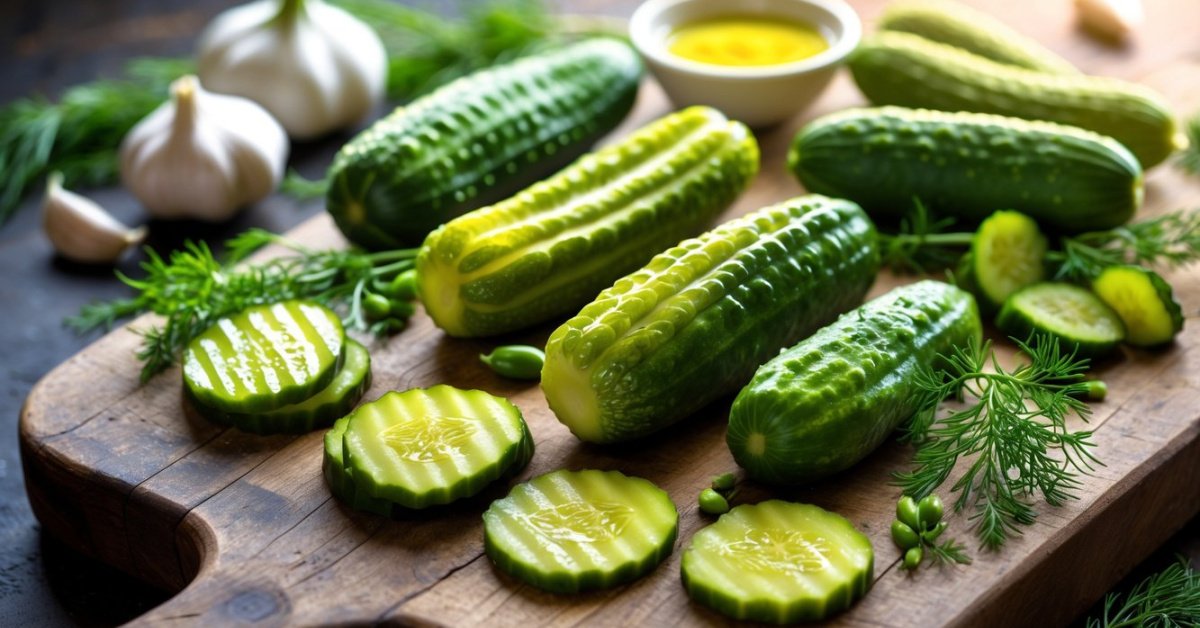
Whenever I think about the Mediterranean diet I picture vibrant plates filled with fresh veggies olive oil and bursts of flavor from unexpected places. One of my favorite surprises is how pickles sneak their way into so many classic dishes. They add a tangy crunch that wakes up my taste buds and brings meals to life.
I love how pickles aren’t just an afterthought in this way of eating—they’re a tradition. From zesty olives to pickled peppers and artichokes these little bites pack both flavor and history. Exploring their role in the Mediterranean diet always leaves me inspired to try new things in my own kitchen.
The Role of Pickles in a Mediterranean Diet
Pickles deliver bold, complex flavors to Mediterranean tables, featuring regularly in salads, meze platters, and side dishes. I rely on pickles made from cucumbers, turnips, carrots, and eggplant to add flavor contrasts and crunchy textures alongside ingredients like olives and roasted peppers.
Traditionally, pickles offer more than just taste. People in the Mediterranean region value their role in preserving harvests without refrigeration, as described by the Food and Agriculture Organization (FAO). Fermented pickles play a supporting role in gut health by supplying probiotics, as confirmed by a 2022 review in Nutrients. I use naturally fermented pickles, especially lactic acid-fermented options such as sauerkraut or brined vegetables, to support both flavor and well-being.
Table olives, pickled capers, and preserved artichokes exemplify the diversity of pickled foods. Each brings its own regional character and nutrient profile. For example, Kalamata olives offer monounsaturated fats and polyphenols, while pickled peppers supply vitamin C and potassium.
I prepare pickles to complement Mediterranean diet staples like whole-grain bread, chèvre, and grilled fish. When sharing meals, I include mixed house pickles, a lemony carrot salad, or classic giardiniera to brighten the spread. Pickling lets me harness seasonal produce from my garden, reinforce sustainable eating, and honor a tradition dating back thousands of years.
Types of Pickles Commonly Used
Pickles appear in almost every Mediterranean meal I prepare. These pickled foods showcase distinctive textures and bold flavors that complement fresh garden produce.
Fermented vs. Vinegar Pickles
Fermented pickles and vinegar pickles differ in both preparation and flavor. I rely on natural fermentation for classic Mediterranean pickles, such as olives and turnips, which develop complex flavors and beneficial probiotics through lactic acid bacteria. I use vinegar pickling when I want sharp, quick results, especially for vegetables like cucumbers or cauliflower. Fermented pickles usually require several days to several weeks in brine, while vinegar pickles are ready in hours or a couple of days. Health benefits vary; fermented options support gut health, whereas vinegar pickles maintain more of the original crispness.
Traditional Mediterranean Pickled Foods
Pickling traditions across the Mediterranean incorporate a diverse array of vegetables and fruits. I often prepare the following staples:
- Olives: Cured in brine for months, olives dominate tables from Spain to Greece.
- Turnips: Pink pickled turnips accompany Levantine dishes, colored naturally with beets.
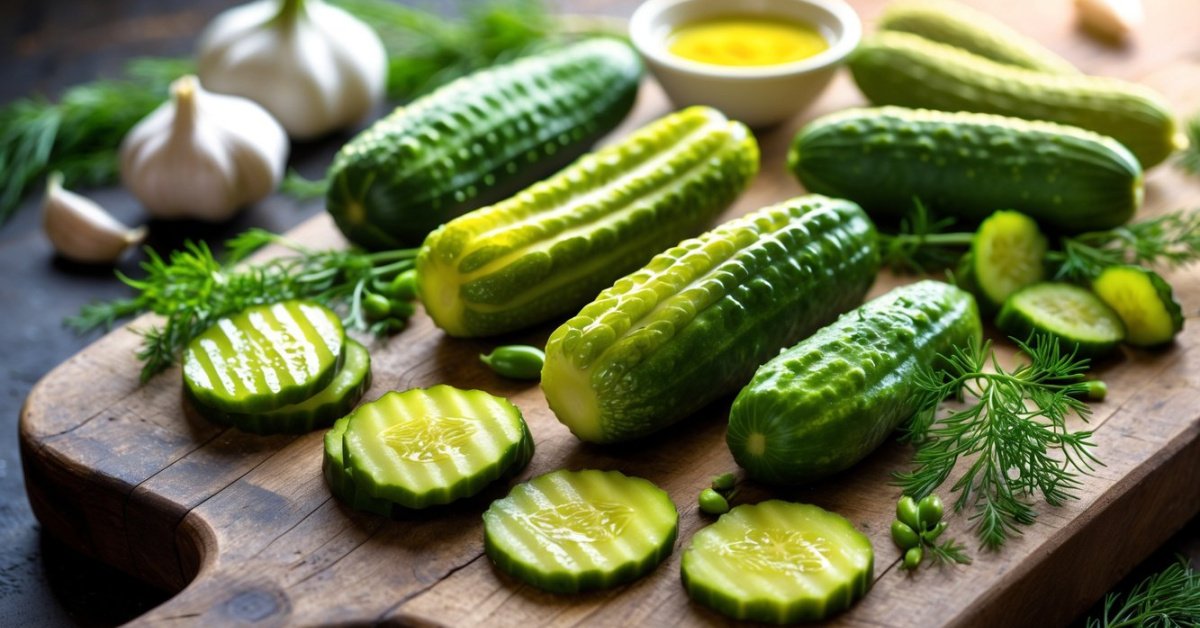
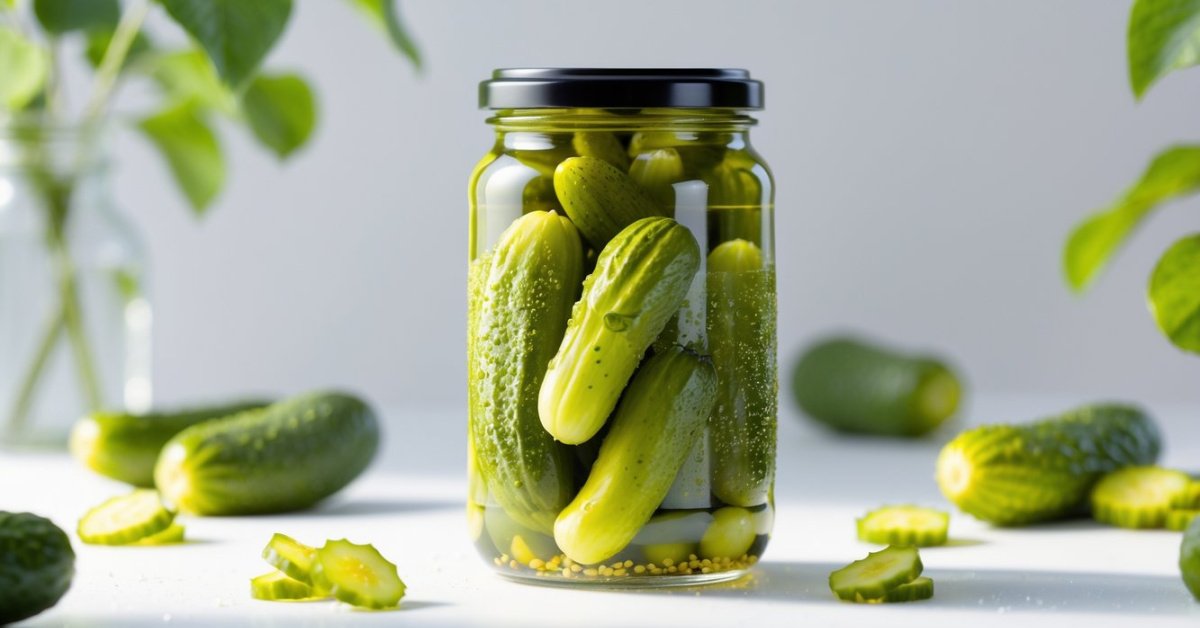
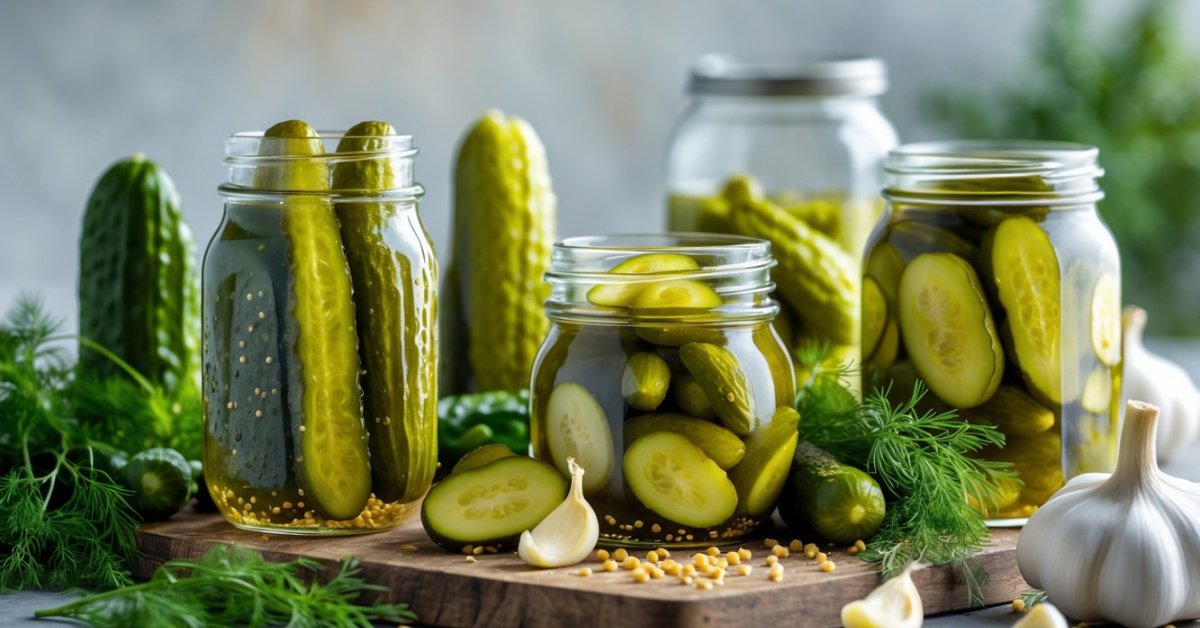
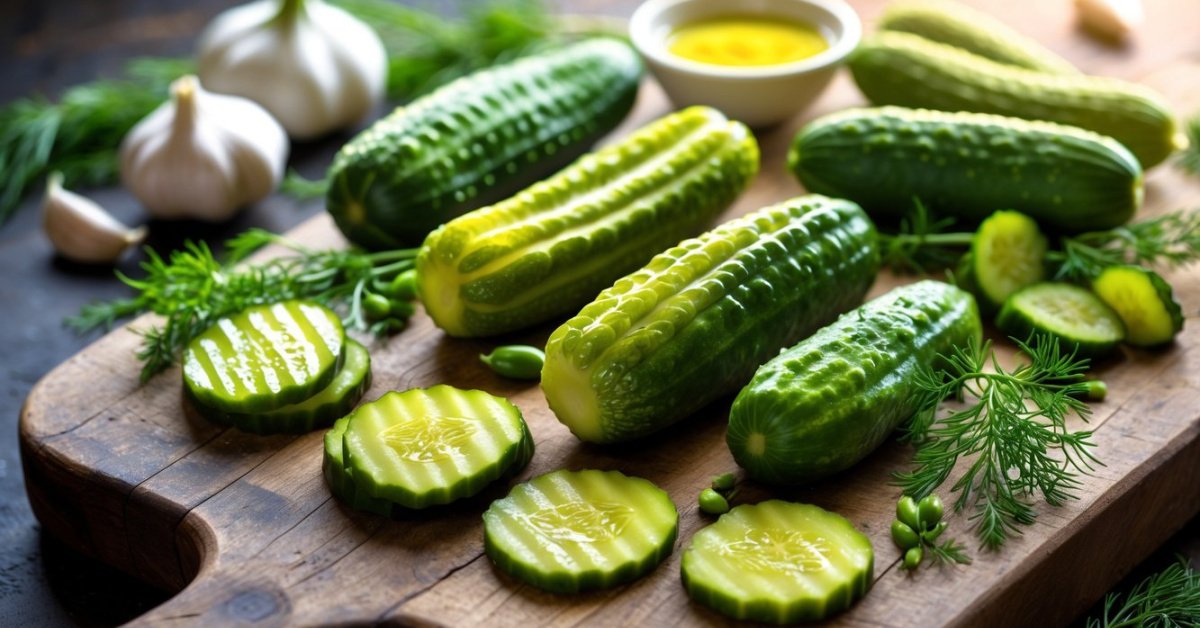
- Cucumbers: Small, crisp cucumbers become tart cornichons and gherkins in Turkey and North Africa.
- Eggplant: Stuffed with walnuts, garlic, and peppers, tiny eggplants are preserved in oil or brine, especially in Lebanon.
- Carrots and Cauliflower: Sliced carrots and cauliflower join peppers and celery in mixed pickled relishes across Italy and southern France.
- Artichokes: Preserved artichoke hearts appear in jars of herbed olive oil throughout coastal regions.
- Capers: Pickled caper buds and berries add briny bursts to pasta, salads, or grilled fish.
These pickled foods express regional variation yet all connect through meticulous garden stewardship and time-honored preservation.
Nutritional Benefits of Pickles
Pickles made in the Mediterranean tradition pack more than flavor—they offer unique nutritional value. I value pickling for more than preservation; my pickles carry health benefits that fit beautifully into a balanced Mediterranean diet.
Probiotics and Gut Health
Fermented pickles deliver living probiotics that support gut health. Each batch of naturally fermented cucumbers or turnips in my cellar contains strains like Lactobacillus that boost beneficial bacteria in the digestive tract. Probiotic pickles, including pink turnip pickles and brined olives, help promote microbiome diversity. I’ve seen improved digestion and reduced bloating after including fermented vegetables with lunch or dinner. If pickles use brine fermentation, not vinegar, they develop these live cultures.
Vitamins and Minerals Content
Pickled vegetables provide significant micronutrients. For example, my preserved artichokes contain fiber, potassium, and vitamin C, and my cucumber pickles offer vitamin K and trace amounts of calcium. Pickled peppers and carrots give vitamin A and antioxidants, especially when I use heirloom varieties from my garden. Brine preserves much of the original vitamin content, making pickled vegetables a valuable source of vitamins and minerals outside the fresh produce season. If using pickles as a snack or side, I get consistent nutrition throughout the year without relying on imported produce.
Potential Downsides and Considerations
Pickles in a Mediterranean diet add flavor and crunch, yet I always consider their nutritional trade-offs. My expertise in pickling and gardening uncovers a few important factors for anyone trying to make healthier choices or manage their sodium intake.
Sodium Content and Health Concerns
High sodium levels in most pickles, whether store-bought or homemade, present a key concern. Mediterranean-style pickles like olives and preserved cucumbers typically range from 700 to 1800 mg sodium per 100 g serving (USDA FoodData Central). Consistent consumption of high-sodium pickles, especially for those with hypertension or salt-sensitive conditions, raises health risks. I always recommend moderation and balancing meals with plenty of fresh vegetables to offset excess salt.
How to Choose Healthy Pickles
Careful selection of pickles for a Mediterranean diet means checking ingredients and preparation methods. I always look for naturally fermented pickles made without vinegar or artificial preservatives. Ingredient lists with only vegetables, water, salt, and spices signal traditional Mediterranean processes and often greater probiotic content. Homemade or local artisan pickles let me control salt levels and use organic, garden-fresh produce. Choosing options with lower sodium—ideally under 500 mg per serving—aligns with both Mediterranean practices and health guidelines. If using commercial pickles, I rinse them with water before serving to reduce excess sodium without losing flavor.
Ways to Incorporate Pickles Into Mediterranean Meals
- Add Pickles to Meze Platters
Meze platters gain boldness with sliced pickled cucumbers, olives, pink turnip spears, and capers. I group them alongside hummus, baba ghanoush, and cheeses to balance creamy textures with tart, crunchy bites.
- Mix Pickles Into Salads
Salads brighten up with chopped pickled peppers, turnips, or carrots. I dice pickled vegetables into tabbouleh or Greek salads to introduce acidity that cuts through olive oil–rich dressings.
- Serve Pickles with Grilled Dishes
Grilled meats, fish, or halloumi pair well with pickles. I plate pickled eggplant with lamb kebabs or serve pickled cauliflower next to grilled chicken, using their tang to offset charred flavors.
- Use Pickle Brine in Marinades and Dressings
Pickle brine gives marinades and vinaigrettes depth. I whisk a few tablespoons of brine from preserved lemons or cucumber pickles into olive oil, Dijon mustard, and fresh herbs for dressings with sharp, salty notes.
- Top Sandwiches and Flatbreads with Pickles
Sandwiches, wraps, and flatbreads get extra crunch with layered pickled vegetables. I pile pickled carrots and cucumbers onto falafel pita or sabich, ensuring vibrant taste and lively texture.
- Incorporate Pickles into Rice and Grain Dishes
Rice and bulgur pilafs enhance with finely chopped pickles. I mix preserved artichokes or pickled red onion into grain bowls for color and a punch of flavor.
- Offer Pickles as Sides for Stews and Legume Dishes
Stews and bean dishes like lentil soup or chickpea tagine taste richer with a pickle side. I always serve a few pickled vegetables to contrast earthy, hearty flavors and clear the palate.
- Garnish Soups and Purees with Pickles
Vegetable soups and purees benefit from a garnish of chopped olives or capers. I spoon brined capers on top of tomato gazpacho or eggplant puree, adding aroma and briny complexity.
These methods showcase how pickles boost diversity, balance, and nutrition in Mediterranean meals, using my harvest and traditional preservation.
Conclusion
Pickles have truly become one of my favorite ways to celebrate the Mediterranean diet. Their vibrant flavors and satisfying crunch always bring a special touch to my meals. I find so much joy in experimenting with different pickled vegetables and sharing them with friends and family.
Every jar I prepare feels like a small connection to tradition and a reminder of the seasons. If you haven’t yet explored the world of Mediterranean pickles I hope you’ll give them a try and discover how much they can brighten your table.