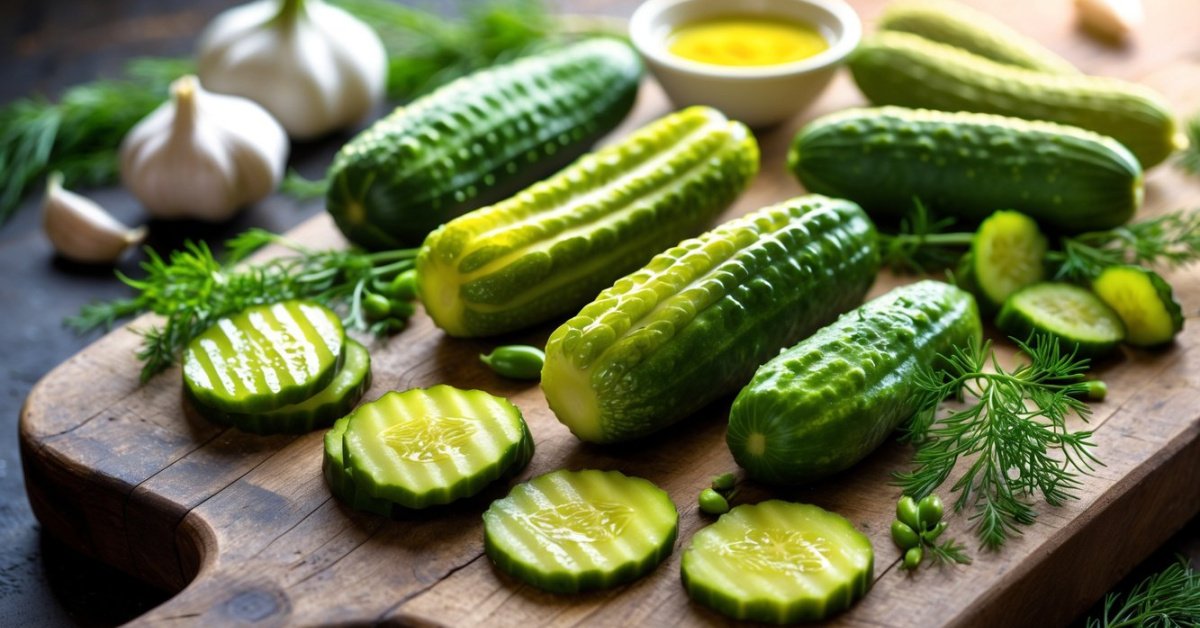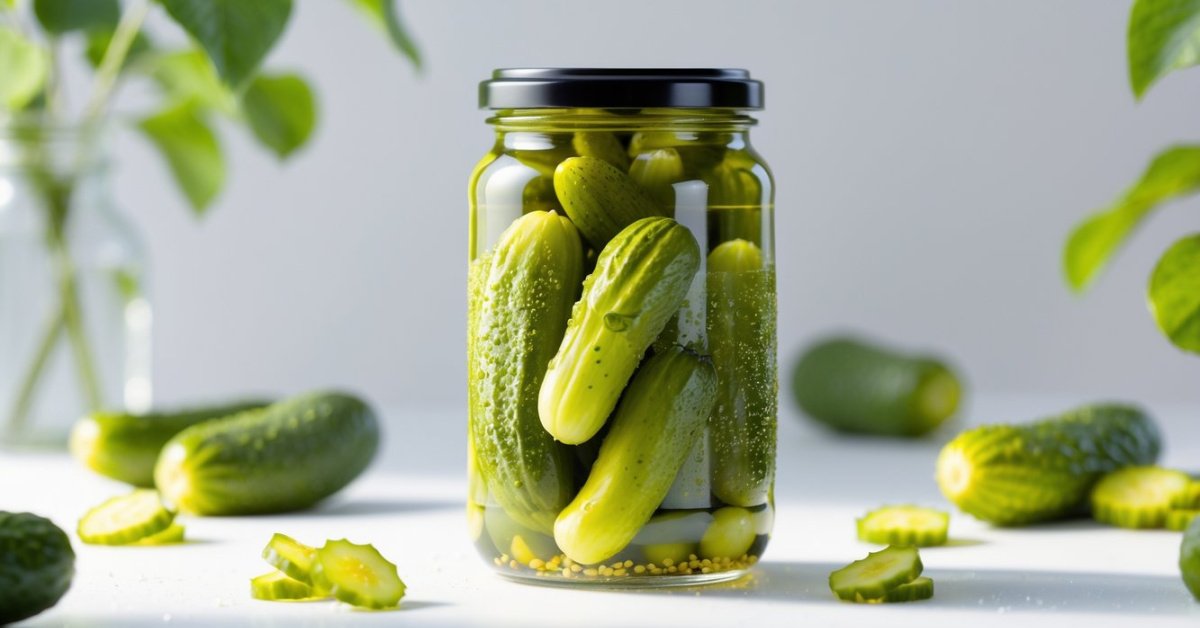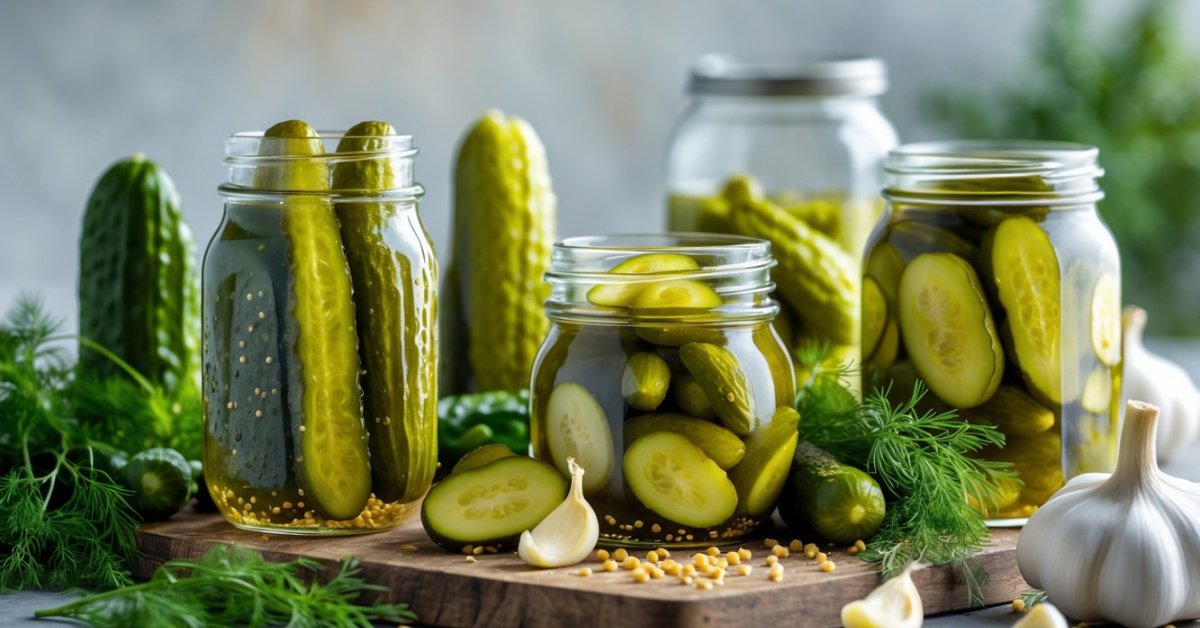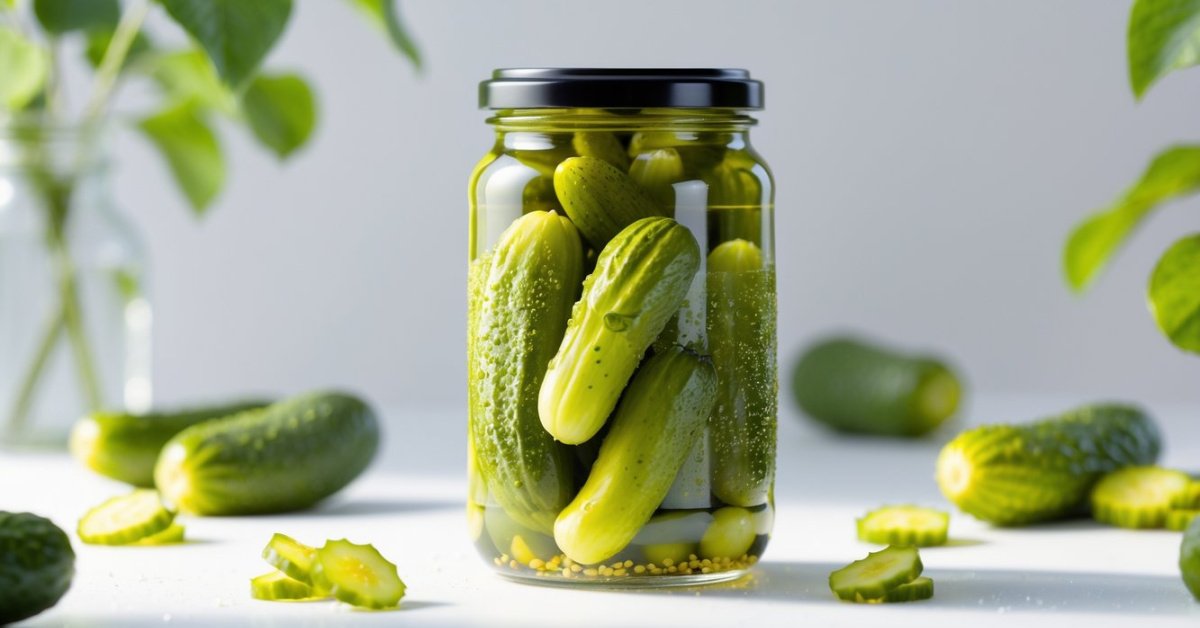
I’ve always loved the tangy crunch of pickles, but I never really thought about what makes them so special. It turns out vinegar isn’t just there for flavor—it’s the key ingredient that transforms cucumbers into the pickles I can’t resist. But there’s more to vinegar than just taste.
Lately, I’ve been curious about how vinegar in pickles might actually help with digestion. People have been enjoying pickled foods for centuries, and many believe there’s a real connection between vinegar and a healthier gut. I decided to dig a little deeper to see if there’s any truth behind the buzz.
What Makes Vinegar a Key Ingredient in Pickles
Acids in vinegar give pickles their signature tang and act as the main preservation agent. I use white distilled vinegar, apple cider vinegar, and rice vinegar when pickling cucumbers, carrots, and green beans because each brings a unique flavor note and acidity level. Acetic acid, about 5% by volume in most pickling vinegars, lowers pH so spoilage microbes can’t survive, according to FDA guidelines (FDA, 2023).
Flavor compounds in vinegar penetrate vegetable tissue quickly, infusing the pickles as they cure. Sourness balances other flavors like dill, garlic, and black pepper, keeping the whole profile vibrant. I notice that vegetables pickled with a high-acid vinegar hold their color and texture better than those in lower-acid brines.
Preservation processes driven by vinegar let me store pickled vegetables safely for months without refrigeration. When I use pickling vinegar, I don’t rely on added sugars or heat canning; proper acidity alone creates an unfriendly environment for harmful bacteria like Clostridium botulinum. This lets me keep my pantry stocked with crisp, probiotic-rich pickles all year.
How Vinegar Supports Digestive Health
I find vinegar’s role in pickles goes well beyond taste and preservation. Acetic acid, the main active compound in most pickling vinegars, interacts with gut health on several levels and helps me get more value out of every crunchy bite.
Promoting Healthy Gut Flora
Vinegar in pickles creates an acidic environment that supports the survival of lactic acid bacteria, like Lactobacillus species, found on cucumbers and in brines. These beneficial bacteria crowd out harmful microbes, giving me a jar full of live cultures, especially when using the right fermentation techniques and skipping pasteurization. Research from the International Journal of Food Microbiology shows pickled vegetables enriched with these bacteria contribute to the balance and diversity of my gut flora after I eat them.
Enhancing Nutrient Absorption
Acetic acid, present in every vinegar I use for pickling, can increase my body’s absorption of key minerals, such as calcium, magnesium, and iron. The acidic conditions help release minerals bound in the plant fibers of cucumbers and other vegetables, as reported by the Journal of Agricultural and Food Chemistry in 2020. My pickling process softens the cell walls, making these nutrients more available for absorption in my digestive tract.
Comparing Vinegar-Pickled Foods to Fermented Pickles
I compare vinegar-pickled foods and fermented pickles based on their ingredients, processes, and digestive impacts. Both methods preserve vegetables, yet they produce different qualities and benefits.
- Preservation Process:
I find vinegar pickling uses acids like acetic acid to create a low-pH environment instantly, while fermentation relies on natural bacteria, such as Lactobacillus, generating lactic acid over time. Vinegar-pickled cucumber slices take just 24 hours for full flavor. Fermentation usually lasts from three days to several weeks.
- Microbial Content:
I notice vinegar pickles don’t foster live probiotic bacteria after jarring, since the acidity inhibits microbial growth. Fermented pickles, such as traditional kosher dills or sauerkraut, retain live cultures if left unpasteurized. These microbes—namely, lactobacilli—support gut diversity, according to an article from Harvard T.H. Chan School of Public Health.
- Digestive Health Effects:
I see acetic acid in vinegar supports digestion by softening plant fibers and enhancing mineral availability. Fermented pickles provide probiotic bacteria that help maintain gut microbiota balance, supporting immune health and regularity, as demonstrated by a review from the journal Nutrients (2021).
| Aspect | Vinegar-Pickled | Fermented Pickles |
|---|---|---|
| Method | Acidic vinegar brine | Natural lactic acid fermentation |
| Time | 1 day to 2 weeks | 3 days to several weeks |
| Microbial Content | No live cultures in finished product | Retains live probiotic bacteria |
| Digestive Impact | Enhances mineral absorption, fiber | Provides beneficial probiotics |
| Texture & Flavor | Crisp, sharp tang | Crunchy, complex sour profile |
I enjoy both varieties for their unique character, preservation technique, and role in promoting digestive well-being, though I choose fermented pickles for live probiotics and vinegar pickles for rapid, reliable results.
Potential Downsides and Considerations
Excessive sodium levels in most vinegar pickles can raise concerns for those managing blood pressure. I frequently review ingredient labels on store-bought pickles and often see sodium content ranging from 250 to 400 mg per spear. Home pickling gives me control, though I still use kosher salt for most brines.
Digestive discomfort occasionally occurs if I eat large quantities of vinegar pickles in one sitting. Acetic acid, while helpful in moderation, can irritate sensitive stomachs and occasionally lead to symptoms like heartburn. I monitor serving sizes—two to three spears per meal work best for me.
Absence of probiotics sets vinegar pickles apart from fermented varieties. Vinegar brines, due to low pH, don’t support living beneficial bacteria after processing. I prefer fermented pickles when I want to boost my probiotic intake.
Added sugars, sometimes present in commercial bread-and-butter or sweet pickles, can counteract the health benefits. I avoid these or substitute with small amounts of honey from my garden’s beehive if I want a touch of sweetness.
Allergies sometimes relate to certain vinegar bases. Some people may react to apple cider or malt vinegar. I always recommend testing new varieties in small amounts and sticking with distilled white vinegar if sensitivities exist.
| Factor | Typical Value (per spear) | Considerations |
|---|---|---|
| Sodium | 250–400 mg | Affects blood pressure |
| Acetic Acid | ~0.5–1 g | May cause heartburn |
| Probiotic Content | None (vinegar pickles) | No live cultures |
| Added Sugar | 0–3 g | Check label; impacts calories |
| Common Allergens | Vinegar type varies | Test with small servings |
Practical Tips for Adding Vinegar-Pickled Foods to Your Diet
Pickle variety supports meal planning by offering options like classic cucumber spears, pickled carrots, and pearl onions. I swap pickled cucumbers into sandwiches, salads, and wraps for acidity and crunch, or serve them on snack boards beside cheeses, olives, and whole grain crackers.
Serving size moderation controls sodium intake, since just 1-2 spears, slices, or tablespoons of most vinegar pickles deliver distinct flavor without exceeding 400 mg sodium per portion. I alternate vinegar pickles with fresh vegetables at meals for balance, especially when pairing them with grilled proteins or grain bowls.
Homemade pickling lets me adjust ingredients, controlling salt, sugar, and vinegar type. I use fresh produce from my garden, trim sugars for savory pickles, and experiment with apple cider or rice vinegars for unique profiles. Labeling all jars with production date and contents helps me rotate my supply and enjoy them at their peak.
Culinary pairing boosts enjoyment and supports digestion. I top burgers and tacos with pickled onions, mix chopped pickles into coleslaw, or brighten quinoa salads with pickled okra. Vinegar-pickled foods add tang to dressings, relishes, and dips, extending their uses beyond direct snacking.
Careful label reading ensures ingredient awareness in store-bought brands. I watch for excess sugars, artificial additives, and common allergens like sulfites in commercial options, checking nutrition and ingredient panels before buying.
Children and newcomers to vinegar pickles often appreciate milder types, such as bread-and-butter slices or pickled sweet peppers. I introduce new tasters to small portions alongside other familiar foods, giving them time to develop a taste for brightness and acidity.
Conclusion
Exploring the world of vinegar pickles has made me appreciate how a simple ingredient can offer so much more than just flavor. While I love the tang and crunch they bring to my meals I’m also mindful of how they fit into my overall diet.
Finding balance is key for me whether I’m reaching for a classic dill spear or experimenting with homemade pickled veggies. There’s always room to enjoy the unique benefits of vinegar pickles—just as long as I listen to my body and savor them in moderation.