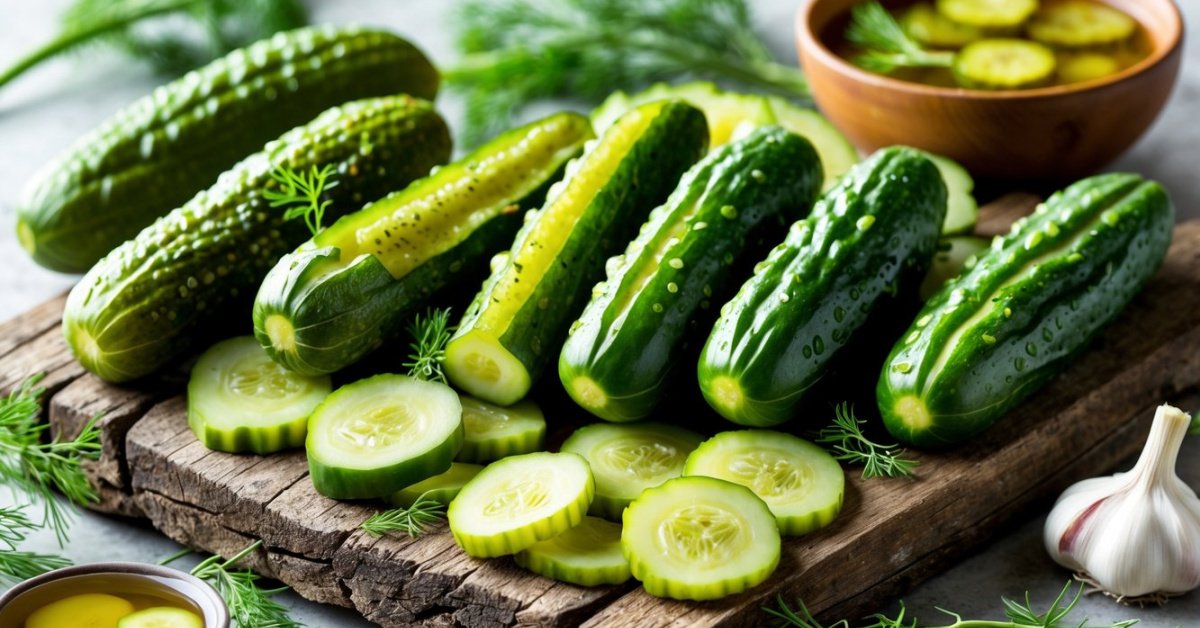
When I think about medieval Europe, my mind usually jumps to knights, castles, and grand feasts. But tucked away in the shadows of those bustling kitchens and storerooms lies a humble hero—pickles. These tangy treats weren’t just a side dish; they played a surprisingly important role in daily life.
I’m fascinated by how pickles helped people get through long winters and unpredictable harvests. They brought bursts of flavor to otherwise bland meals and offered a clever solution to food preservation before refrigeration existed. Exploring the story of pickles in medieval Europe gives me a fresh perspective on how people adapted to their world and made the most of what they had.
Historical Context of Pickles in Medieval Europe
Pickles became vital in medieval Europe, where preservation techniques like brining, salting, and vinegar-pickling thrived due to their effectiveness. Households routinely pickled cabbage, beets, cucumbers, onions, and turnips, using garden harvests and wild-foraged vegetables. Records from 9th-century Carolingian monasteries list pickled vegetables as dietary staples, especially in times when fresh produce disappeared from markets.
Trade routes expanded pickle diversity, introducing spices like mustard seed and dill from Mediterranean and Asian regions. Cities such as Lübeck and Venice imported salt and vinegar, making commercial pickle production possible. Archaeologists found ceramic pickle vats and brine barrels in households and marketplaces across England, France, and Italy, confirming widespread use (British Museum, Finds 198236.9; Carlin, Food & Cooking in Medieval Britain).
Monasteries relied on pickling to supplement fish and vegetable supplies during fasting, referencing pickled onions and preserved turnips in kitchen accounts. Nobles served pickled fruits and vegetables at feasts, valuing both storage life and flavor contrasts with roasted meats. My research into medieval garden plans reveals preserved plant varieties, noted for their suitability for pickling due to tough skins and firm flesh.
Pickling in medieval Europe represented more than food security; it anchored everyday meals and extended the bounty of the garden well past harvest.
Methods of Pickling and Preservation
Pickling methods in medieval Europe centered on making sure food stayed edible for months. I always find that understanding these traditions helps anyone interested in long-term self-sufficiency.
Common Ingredients and Techniques
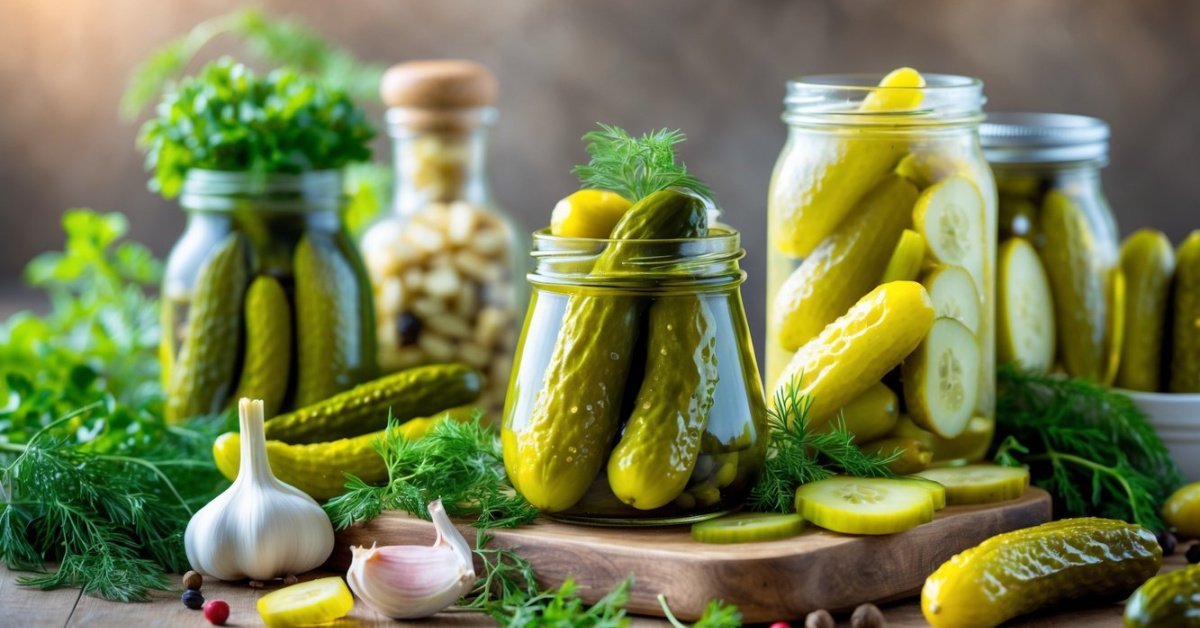
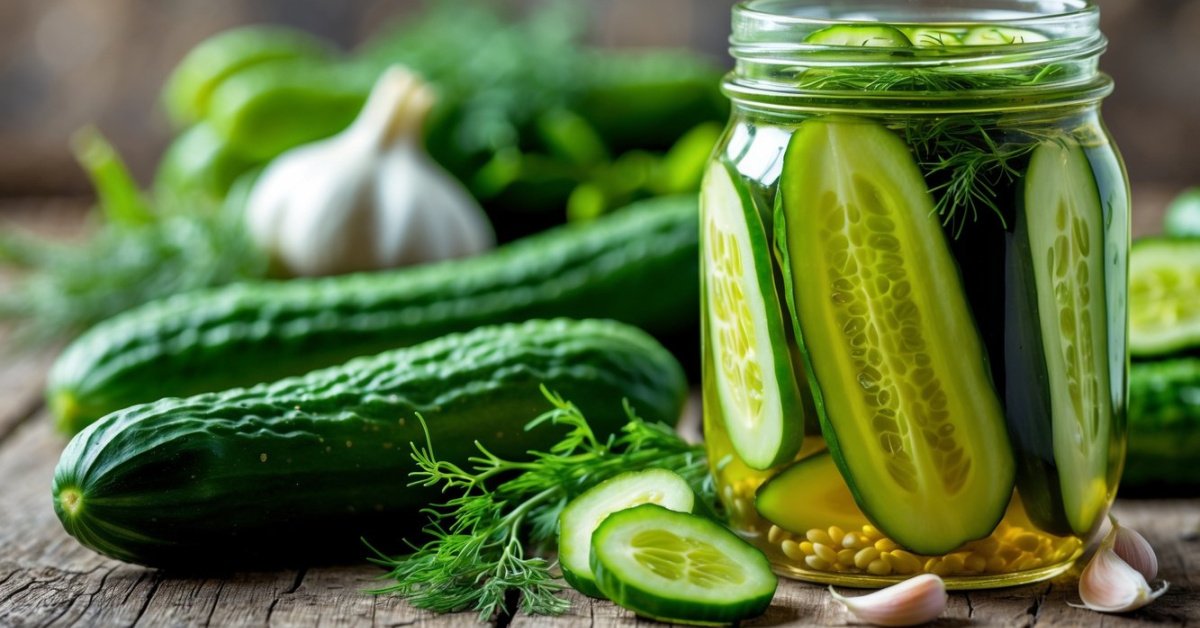
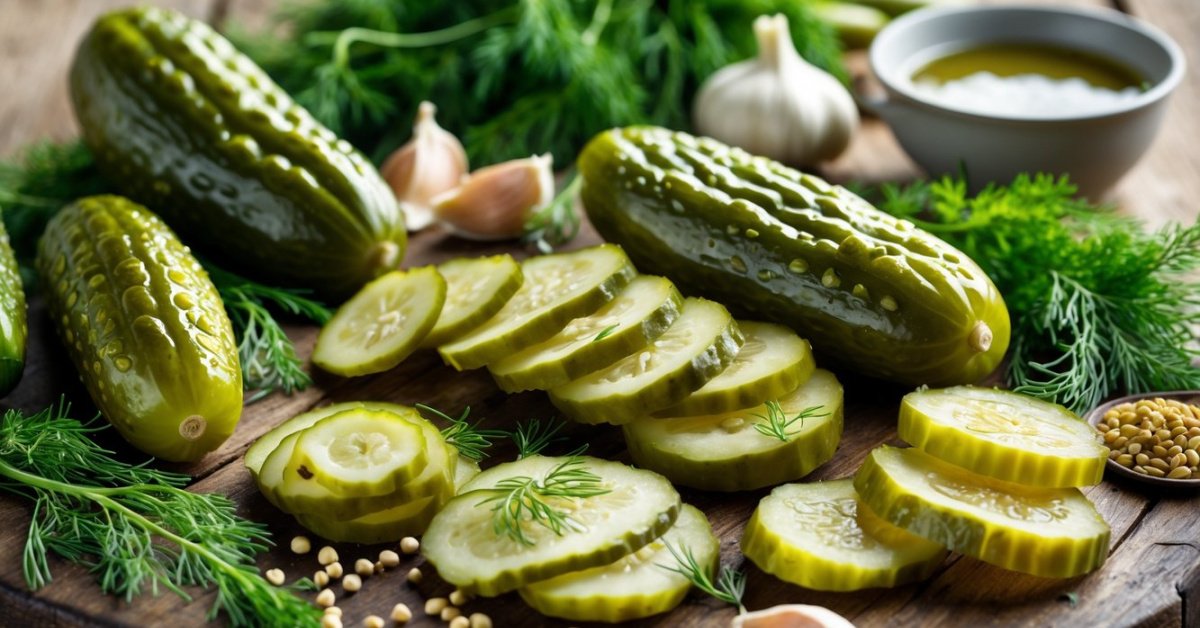
Medieval picklers relied on vegetables from kitchen gardens and seasonings available from trade or foraging. Common vegetables included cabbage, turnips, beets, cucumbers, and onions—examples like sauerkraut and pickled onions often appear in medieval records. I use salt, water, and vinegar for brines, just as medieval cooks did. They packed vegetables tightly in barrels or crocks, poured boiled brine over them, then sealed the vessels to limit air exposure. Spices such as dill, garlic, mustard seeds, and sometimes juniper berries went into pickling vats for extra flavor. Vinegar was produced by fermenting wine or ale, allowing an acidic environment that discourages spoilage.
Importance for Food Storage
Pickling preserved harvests into the lean seasons, letting families survive winter and unreliable growing years. I see how this ensured a steady supply of vegetables and nutrients long after fresh crops disappeared. Monasteries and rural homes kept pickled stores as a routine measure, with food security depending on each batch’s success. Families controlled spoilage with salt concentration, cool storage, and airtight containers. Through careful pickling, people extended the value of their gardens and secured nutrition for months, shaping both their diets and culinary traditions.
Culinary Uses of Pickles in Medieval Diets
Pickles played a practical and flavorful role in medieval European meals. I’ve seen their uses documented throughout various types of households, reflecting both necessity and creativity.
Pickles in Everyday Meals
People relied on pickles as core elements in their daily diets. I’ve found records showing pickled cabbage, turnips, and onions paired with dark breads and grain porridges. Peasants often ate simple fare, so pickles offered brightness and acidity that balanced heavy stews or salted meats. Folks sliced pickled beets onto barley or rye porridges, lending color and tang. Rural families kept crocks of pickled cucumber to eat alongside pottages—root vegetables and legumes simmered together. Pickles sometimes substituted for fresh salads, especially in late winter or early spring when garden produce wasn’t available. Mixing brined vegetables into bread, cheese, and ale meals made food more palatable, added variety, and ensured nutrients through the lean months.
Pickles at Feasts and Banquets
Noble households and monasteries served pickles at larger gatherings to impress guests and complement elaborate feasts. I know pickled walnuts, onions, and spiced root vegetables often appeared on platters beside roasted meats. At noble tables, these pickles signaled wealth and access to imported spices like cloves, ginger, and pepper. Monks laid out pickled vegetables during religious feasts, particularly on fasting days when animal products weren’t allowed. Slices of sweet-sour pickled beet accompanied pastry pies or freshwater fish. Pickles in banquets not only added brightness and depth to heavy foods but also demonstrated a cook’s skill with varied preserves, combining produce from kitchen gardens and treasures brought by traders.
Economic and Social Significance
Pickles shaped medieval Europe’s community and economy as much as its cuisine. I find their impact extended from bustling markets to grand feasts, influencing trade and even social hierarchies.
Pickles in Trade and Commerce
Rural and urban economies both depended on the consistent exchange of pickled goods. I often read about bustling market stalls lined with barrels of pickled cabbage, onions, cucumbers, and garlic—examples of staples locals traded year-round. Pickled foods lasted longer than fresh produce, so merchants transported them over great distances and through seasons. Customs records from the Hanseatic League show regional pickle trade volumes that reached several hundred tons annually.
Guilds specializing in pickling formed in major cities such as Paris and Cologne by the 14th century. They established trade standards and inspected barrel quality, ensuring safe preservation and fair pricing. Nobles and monasteries ordered preserved vegetables in bulk, while urban households bought smaller quantities for daily use. By leveraging pickling’s reliability, traders reduced loss and stabilized food supply, making pickles both a tool for commerce and a community resource against famine.
Symbolism and Social Status
I’ve noticed pickles serving as social markers in medieval Europe just as much as culinary ones. Wealthier households displayed imported pickled delicacies—capers, olives, and spiced fruits—as signs of prosperity. Chroniclers described banquet tables at noble courts, such as those in Burgundy, with gilded silver vessels full of exotic pickled foods. Owning or gifting rare pickles, especially those using costly spices like saffron or cloves, sometimes signaled political alliances or gratitude.
Meanwhile, monasteries and commoners shared more modest pickles, relying on traditional vegetables like turnip or beet seasoned with garden herbs. The quality and variety of pickled foods on a table subtly reflected a family’s connections, garden management, and access to trade. Throughout medieval society, pickling demonstrated a household’s resilience, creativity, and position within the wider economic network.
Health and Medicinal Beliefs Around Pickles
Pickles fascinated medieval healers and home cooks as both a nourishing food and a potential remedy. Medical practitioners often recommended pickles, especially those soaked in vinegar or brine, for their perceived ability to balance the body’s humors, a core belief in medieval medicine documented in texts like Hildegard of Bingen’s Physica. My love for old manuscripts introduced me to references that praised sour pickles for stimulating appetite when diners struggled with winter fatigue or poor digestion.
Physicians and herbalists infused pickling recipes with herbs like dill, garlic, and horseradish, believing these botanicals guarded against illness. For example, garlic-pickled vegetables appeared in monastic records as a tonic for “chill in the stomach” or minor infections. I regularly spot onion and beet pickles in herbal reference books from the 13th and 14th centuries—often prescribed to “cleanse” the digestion after rich meals or reduce fevers.
People in rural communities trusted pickles to prevent spoilage-related ailments, as vinegar brine helped inhibit harmful microbes before the principles of microbiology were understood. My practice of fermenting cabbage and turnips mirrors medieval strategies for promoting gut health during seasons with little fresh produce.
Households preserved natural remedies by pickling roots and seeds, sometimes believing these preserves carried stronger healing powers through the winter. Monastic herbal treatises describe jars of pickled horseradish or mustard seeds stored for brewing infusions during outbreaks of coughs or digestive troubles.
Although modern science may challenge some medieval beliefs, these traditions reveal an impressive understanding of seasonal nutrition and self-reliance. My own gardening and pickling habits echo these centuries-old insights, underlining just how deeply people valued pickles not only for taste and preservation but also for their link to health and well-being.
Lasting Influence of Medieval Pickling Practices
Pickling methods developed in medieval Europe continue to influence how I approach food preservation and sustainability. Brining, salting, and vinegar-based pickling remain at the core of modern homemade and artisanal pickling traditions. These foundational methods allow me to capture the flavor and nutrition of homegrown garden vegetables such as cabbage, onions, and cucumbers well past harvest—just as medieval families once did.
Flavor combinations inspired by medieval recipes bring depth to contemporary pickled vegetables. I use mixes of spices and herbs—dill, garlic, mustard seed, and black pepper—that echo the imported and foraged seasonings from medieval markets and gardens. Preserved mixtures, like pickled turnips with wild garlic or spiced beets, connect current techniques directly to practices from centuries ago.
Communal values from medieval pickling traditions shape the way I share and exchange pickles with neighbors and community groups. Guild practices from the past still live on in farmers’ markets, kitchen clubs, and online communities, where picklers discuss recipes, uphold standards, and trade unique jars throughout the year. I see how the act of trading and gifting homemade pickles continues a social currency that medieval towns once relied on.
Self-sufficiency practices rooted in medieval pickling motivate my modern gardening efforts. I rely on pickling to extend my harvest, store seasonal surpluses, and ensure a diverse, nourishing pantry through every season. The discipline medieval picklers showed in managing stocks and refining preservation skills directly inspires how I prepare and store my own food.
Health insights from medieval pickling also live on in my kitchen. I use brined vegetables and naturally fermented pickles for their probiotic qualities and their ability to keep food safe and wholesome. Medieval households’ trust in herbs, acetic acid, and fermentation as remedies and digestive aids reflects what I aim for in my own health-conscious pickling routines today.
These medieval pickling roots give every jar on my shelf history and purpose—flavor, sustenance, and resilience, passed on through centuries of practical knowledge and shared tradition.
Conclusion
Exploring the world of medieval pickles has given me a new appreciation for the simple jar tucked away in my fridge. Every bite connects us to centuries of creativity and determination. I find it inspiring that something as humble as a pickled turnip once symbolized both survival and celebration.
When I reach for a homemade pickle today I’m reminded of the resourcefulness that shaped our food traditions. There’s something special about knowing that these age-old methods still bring people together and add flavor to our lives.