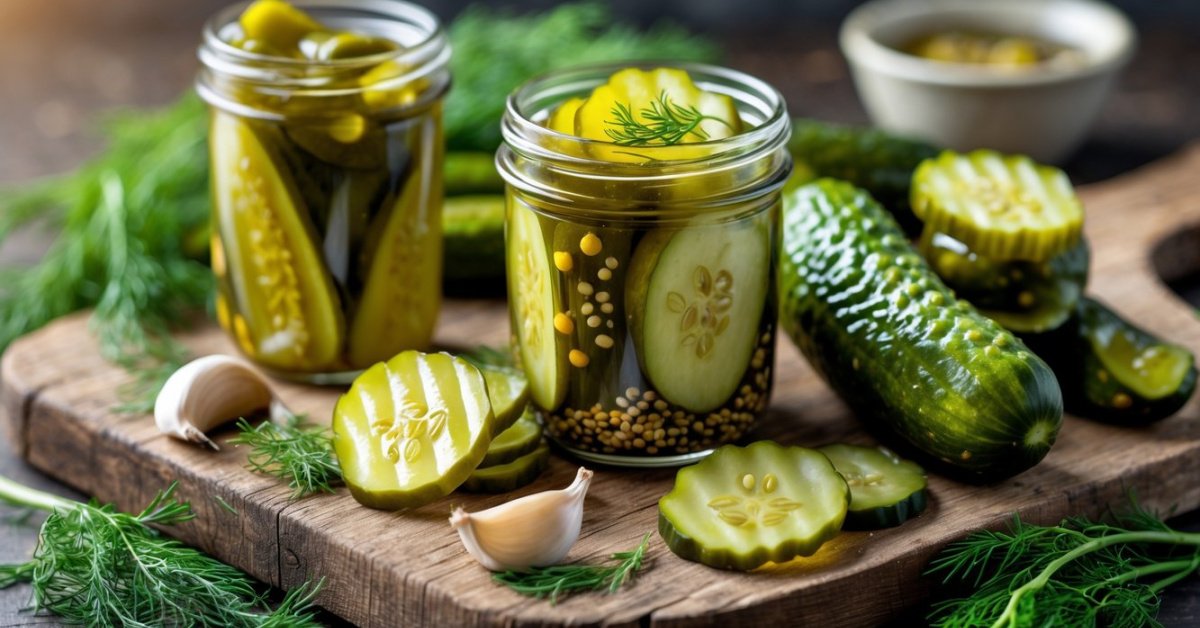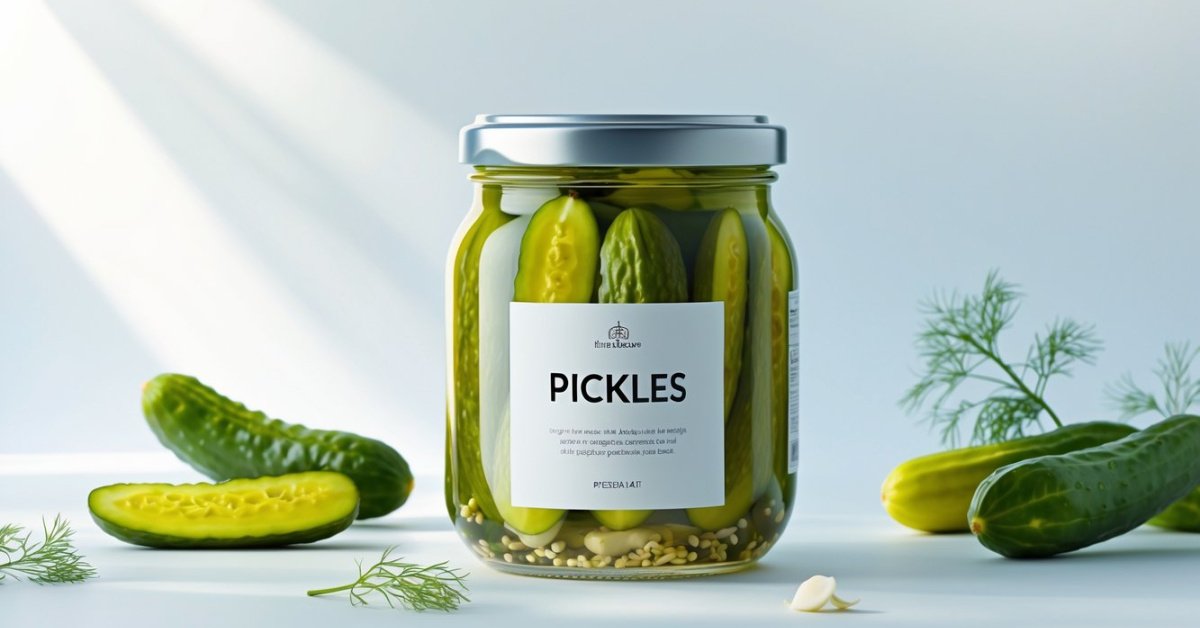
Whenever I think about the bold flavors that define today’s food scene, pickles always come to mind. There’s something irresistible about that tangy crunch that wakes up any dish, whether it’s tucked into a burger or scattered over a fancy plate at a trendy restaurant.
I’ve noticed chefs everywhere are getting creative with pickles, using them to add depth and excitement in ways I never expected. From classic cucumber spears to pickled fruits and even vegetables I’d never thought of pickling, these zesty bites are taking center stage. It’s clear that pickles aren’t just a sidekick anymore—they’re shaping the way we experience food.
Exploring the Historical Roots of Pickles
Preserving vegetables in brine or vinegar dates back over 4,000 years, with records from ancient Mesopotamia describing the earliest documented pickling methods. I see this practice reflected in many cultures—Egyptians pickled cucumbers around 2030 BCE, while Chinese sources indicate pickling of vegetables as early as 1100 BCE. Ancient Greeks and Romans valued pickles both for flavor and as a method to store seasonal produce through harsh conditions.
Pickles played a vital role in sustaining explorers and armies. Sailors carried pickled vegetables on long voyages to fend off scurvy, as documented in logs from Christopher Columbus’s expeditions. Napoleonic campaigns depended on barrelled vegetables, keeping troops fueled and healthy.
Home gardens long served as the source of pickling ingredients, allowing communities to stretch harvests into leaner months. I connect with this tradition in my gardening—harvesting excess cucumbers, beans, and onions for pickling directly supports year-round self-sufficiency. These roots in sustainability and practicality continue to influence modern gastronomy’s embrace of diverse pickled elements.
The Rise of Pickles in Contemporary Cuisine
Pickles have moved to the forefront of modern menus, gaining new attention as chefs and home cooks push boundaries. I see pickles used to shape flavor, texture, and even color in contemporary dishes.
Pickles in Fine Dining
Chefs in fine dining settings incorporate pickles for their complexity and visual impact. In Michelin-starred restaurants, I’ve seen quick-pickled ramps, compressed root vegetables, and lacto-fermented fruits appear in tasting menus. These pickles balance rich proteins and add acidity to buttery sauces, enhancing layered plates like duck with pickled cherries or wagyu carpaccio with pickled shiitakes. Restaurants such as Blue Hill at Stone Barns and Noma often list seasonal pickles among their signature items. Pickled garnishes appear on amuse-bouches, cheese flights, and dessert courses, widening the flavor landscape.
Pickles in Street Food and Casual Dining
Street food vendors and casual eateries embrace pickles for cost-effectiveness, bold identity, and craveable punch. I’ve noticed banh mi sellers layering pickled daikon and carrot, and taco spots topping their cochinita pibil with pickled red onions. Food trucks and fast-casual chains blend global influences, offering fried chicken sandwiches with spicy cucumber pickles or kimchi on loaded fries. Korean, Indian, and Middle Eastern stalls use pickled vegetables—like turnips, mangoes, or cabbage—as traditional condiments. In these settings, pickles become central, defining menu favorites and drawing crowds seeking vibrant flavor.
Culinary Innovations Inspired by Pickles
Pickles drive a wave of experimentation in contemporary kitchens. I’ve watched chefs and home cooks use pickled flavors to reimagine both classic and international dishes.
Fusion Dishes and Creative Pairings
Culinary fusion sees pickles transcend their traditional roles. I see banh mi sandwiches, typically Vietnamese, enhanced with crisp carrot and daikon pickles for vibrant acidity. Korean-inspired tacos combine spicy kimchi and pickled jalapeños with rich, grilled meats. Burgers and fried chicken sandwiches gain distinction with pickled red onions, green tomatoes, or even watermelon rind pickles. Pastry chefs bring pickled cherries or blueberries into desserts, balancing sweetness with savory notes. Cheese platters now feature pickled ramps, baby beets, or fennel, creating contrast in both texture and taste. These pairings open new sensory experiences and elevate simple ingredients.
Modern Pickling Techniques
Modern kitchens rely on faster and more controlled pickling methods. I often use quick pickling for vegetables like cucumbers, radishes, and onions because it retains crunch and color—a process achievable in under an hour with heated seasoned vinegar. For more complexity, lacto-fermentation produces lactic acid tang. This method requires brining vegetables in saltwater at room temperature for several days, encouraging beneficial bacteria. Vacuum pickling, seen in high-end restaurants, infuses flavors swiftly by removing air pressure around vegetables. Custom flavor profiles now combine herbs, citrus peels, and unconventional spices like Szechuan peppercorns or curry leaves. These approaches let pickle-makers adapt to menu changes and experiment with local, seasonal harvests from their gardens.
Health and Nutrition Perspectives
Pickles bring a set of health and nutrition benefits grounded in centuries-old preservation methods. By including pickled foods in my meals, I introduce probiotics, antioxidants, and essential micronutrients that support gut health and overall wellness.
Probiotics and Fermentation
Lacto-fermented pickles, such as sauerkraut and kimchi, provide live cultures that support digestive health, according to data from Harvard T.H. Chan School of Public Health. Probiotic bacteria—mainly Lactobacillus strains—populate these pickles, enhancing microbiome diversity. With homemade methods, I maintain the vitality of these strains without using excessive salt or vinegar, compared to some commercial brands.
Vitamins and Minerals
Pickled vegetables—examples include carrots, cucumbers, and beets—retain much of their original vitamin content after pickling. I increase my intake of vitamin K from pickled cucumbers and preserve vitamin C and potassium in pickled peppers. When pickling fresh produce from my garden, I optimize nutrient retention by using quick-brining techniques that limit exposure to high heat.
Sodium Content
Pickles typically contain high sodium content, since brine and salt serve as fundamental preservation agents. Commercial dill pickles, for example, hold 500–900 mg sodium per serving (USDA FoodData Central). I opt for lower-salt brines in my own recipes, balancing flavor with heart health concerns when preparing pickles for daily consumption.
| Pickled Food | Typical Sodium (mg/oz) | Key Nutrients | Probiotic Content |
|---|---|---|---|
| Dill Pickles | 300–400 | Vitamin K, Sodium | Low if heat-processed |
| Sauerkraut | 300–500 | Vitamin C, Fiber | High if unpasteurized |
| Kimchi | 250–350 | Vitamin A, Iron | High if unpasteurized |
| Pickled Beets | 150–250 | Folate, Manganese | Low |
Preservative-Free and Sustainable Eating
Homemade pickling allows me to eliminate artificial preservatives often found in store-bought varieties. I use homegrown herbs, fresh vinegars, and natural fermenting agents, resulting in pickles that fit self-sustaining and holistic diets. By preserving garden harvests as pickles, I extend seasonal produce availability and reduce food waste, supporting my nutrition goals year-round.
Dietary Preferences and Accessibility
Gluten-free, vegan, and low-calorie diets typically accommodate pickles—provided ingredient lists are checked for additives. Pickled cauliflower, onions, and green beans serve as examples in my pantry, ensuring broad appeal and nutritional value. By pickling diverse garden vegetables, I create variety while meeting a wide spectrum of dietary needs.
The Influence of Pickles on Modern Gastronomy Trends
My passion for pickling finds fresh excitement in today’s gastronomy trends, where pickles anchor innovation and redefine how chefs and home cooks construct flavors. Chefs in leading kitchens curate pickle-forward tasting menus, layering acidity, sweetness, and spice for distinct complexity. Modern restaurants showcase pickled beets, kohlrabi, or ramps alongside classic proteins—think smoked duck topped with pickled cherries—proving pickles no longer sit on the sidelines. Fine dining’s focus on fermentation has put lacto-fermented pickles like kimchi and curtido in the spotlight, with menus proudly listing house-made or locally sourced varieties.
Fusion cuisine now pivots on pickles, blending preserved ingredients from different regions. I’ve tasted dishes such as Japanese karaage with pickled daikon, Indian dosas accented by pickled red onions, and new-wave burgers with pickled pineapple or jalapeños. Cooks amplify tang and crunch with quick pickles, making global flavor more accessible and customizable.
Plant-based and health-conscious trends strongly align with pickles. Restaurants and home cooks use pickled carrots, radishes, or cucumbers to boost flavor without added fats or calories, while fermentation supports gut health—a top priority for many diners. I often see vegan charcuterie boards with pickled mushrooms or green beans standing in for meat, further proving the versatility of pickled ingredients.
Farm-to-table practices now integrate small-batch pickling as part of sustainable kitchen management. Chefs and gardeners—myself included—preserve harvest surplus through pickling, then serve these preserved vegetables throughout the year. Markets increasingly offer pickles crafted from heirloom produce, spotlighting local agriculture and minimizing food waste. Even cocktails find inspiration in these trends, with pickled watermelon rind or green tomatoes as drink accompaniments.
Pickles drive continuous culinary evolution by serving as both traditional staples and bold artistic elements, reflecting an ongoing shift toward sustainable, versatile, and globally-inspired food culture.
Conclusion
I love seeing how pickles have moved from humble origins to the center of so many creative dishes. Their ability to surprise and delight both chefs and diners keeps me excited about what’s next in the world of food.
Whether I’m enjoying a tangy bite in a fine dining setting or a crunchy topping on street food pickles always seem to bring something special to the table. I can’t wait to see how they’ll continue to inspire new flavors and spark culinary imagination everywhere.