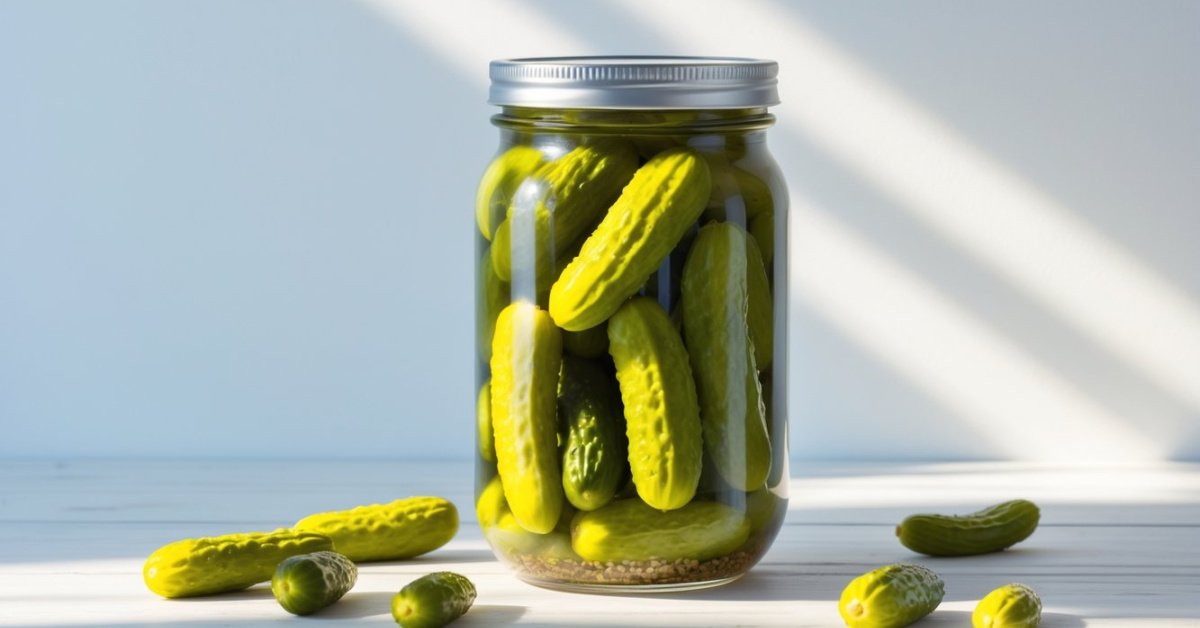
When I’m pushing my limits during a long run or bike ride I know how important it is to stay hydrated. But lately I’ve noticed more athletes swapping out sports drinks for something a little unexpected—pickles. It’s not just about the crunch or the tangy flavor; there’s a buzz about how pickles might actually help with hydration and muscle cramps.
I’ve always been curious about what really works when it comes to fueling endurance and keeping my body in top shape. So I decided to dig into the science and stories behind pickles and hydration. Could this salty snack be the secret weapon for endurance sports? Let’s find out together.
Understanding Hydration Needs in Endurance Sports
Hydration supports endurance by maintaining plasma volume for steady heart rate, core temperature, and sustained muscle function. Endurance athletes—including marathoners, triathletes, and long-distance cyclists—lose water and electrolytes through sweat, risking dehydration which leads to fatigue, confusion, cramping, and slower recovery according to ACSM guidelines.
Sweat contains not just water but also critical electrolytes like sodium and potassium that influence muscle contractions and nerve signaling. Typical sweat rates range from 0.5–2.0 liters per hour during endurance efforts, with sodium losses reaching 1,000 mg or more per liter in some individuals (Gatorade Sports Science Institute, 2023). Inadequate sodium replacement results in hyponatremia, which presents as nausea, headache, and weakness during prolonged exertion.
Standard sports hydration involves a mix of water for fluid replacement and electrolyte-rich sources for salt loss (Journal of Athletic Training, 2017). Commercial sports drinks contain set ratios of carbohydrates and electrolytes but often lack variety for flavor and source preferences among athletes. I consistently notice athletes seeking alternatives that supply both salt and unique flavor, which prompts consideration of pickled foods.
Hydration strategies adapt based on climate, event duration, intensity, and individual sweat profiles. I use garden-grown ingredients to craft my own brines for endurance use, letting me adjust sodium levels, flavors, and even botanical infusions to match personal hydration loss and taste preference. This customization appeals to endurance athletes seeking greater performance and self-sufficiency with their fuel and hydration sources.
The Role of Sodium and Electrolytes
Sodium and electrolytes keep my body running smoothly when I’m pushing through long runs or bike rides. Since I’ve spent years pickling and testing homemade brines for endurance, I pay close attention to these minerals.
Why Electrolytes Matter for Endurance Athletes
Electrolytes like sodium, potassium, calcium, and magnesium regulate fluid balance, nerve transmission, and muscle contractions. When I move for hours, my sweat carries away large amounts of these electrolytes—especially sodium. Losing sodium, which makes up around 1g–3g per liter of sweat per research in the Journal of Sports Sciences (2015), affects my blood volume and muscle performance. I’ve found that restoring sodium with pickles or brine prevents sharp drops in blood pressure and helps me avoid dizziness or cramps. Many athletes I know use pickle brine as a targeted way to get sodium fast, paired with small amounts of potassium and other trace minerals from the pickling process.
Common Signs of Electrolyte Imbalance
Muscle cramps, weakness, headaches, and confusion signal low electrolytes during endurance events. I notice my hands tingling or my legs tightening if I haven’t had enough salt-rich foods like pickles. Fatigue sets in, sometimes followed by lightheadedness if sodium loss continues. Friends tell me they crave something salty or sour when these symptoms hit, which reinforces the body’s demand for rapid sodium replacement. Monitoring my intake of homemade pickled vegetables lets me stay ahead of any imbalance—something traditional sports drinks often miss with lower sodium content.
Pickles as a Hydration Aid
I often see pickles overlooked as a practical hydration tool for endurance athletes. Yet, based on my experience with pickling and the demands of endurance sports, pickles offer a compelling mix of electrolytes and fast-acting sodium.
Nutritional Profile of Pickles
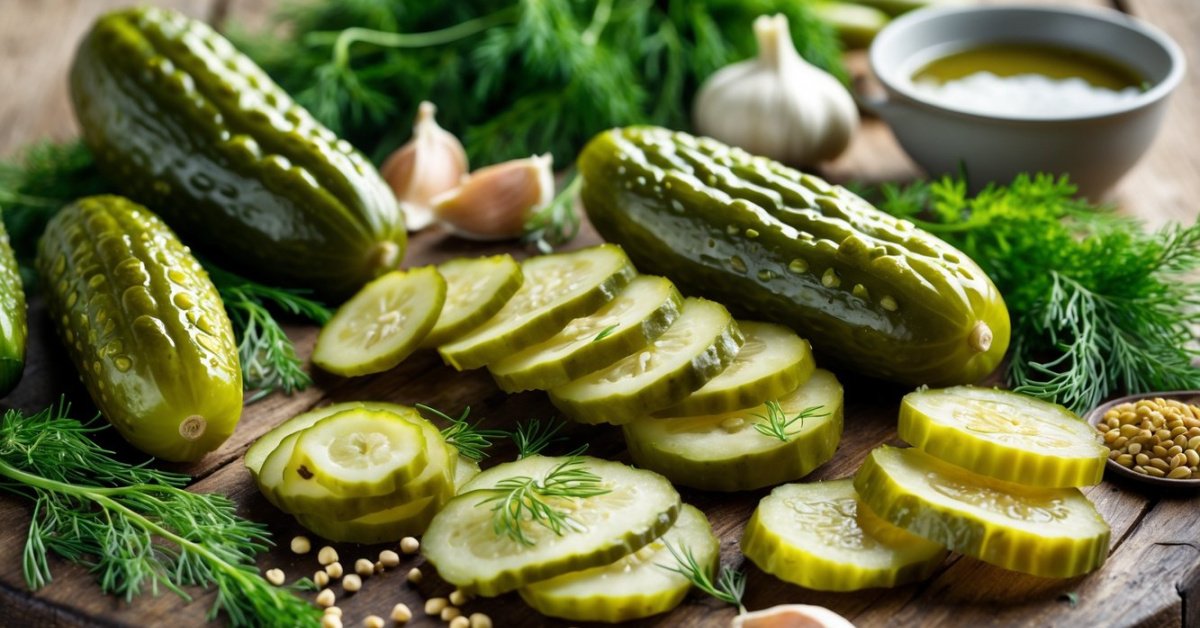
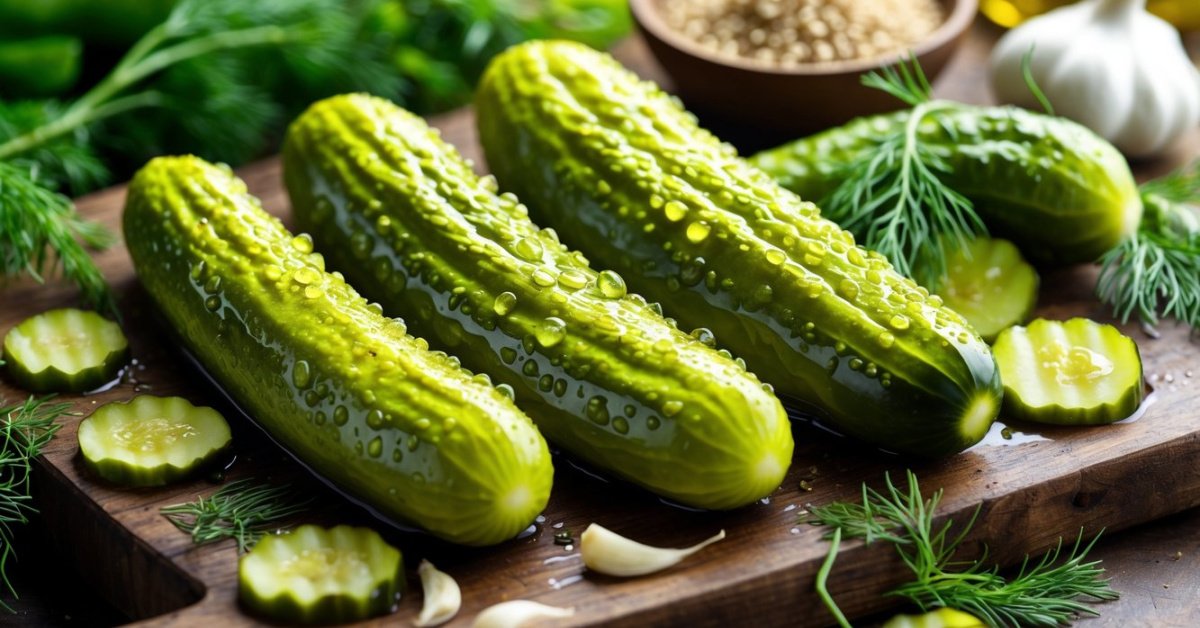
Pickles contain high sodium levels, moderate potassium, and trace amounts of magnesium and calcium. Common dill pickles, for example, contain about 870 mg of sodium and 25 mg of potassium per 100 grams, based on USDA FoodData Central. The hydration value comes from both the salt content and water locked in the crunchy brined vegetables. Most homemade recipes I use for sport-specific pickles emphasize salt, filtered water, vinegar, garlic, and dill. These ingredients deliver both the flavor and the necessary electrolytes for athletes needing more than plain water can provide.
| Nutrient | Per 100g Dill Pickle | Importance for Athletes |
|---|---|---|
| Sodium | 870 mg | Maintains blood volume |
| Potassium | 25 mg | Supports muscle function |
| Magnesium | 6 mg | Aids in nerve signaling |
| Calcium | 12 mg | Strengthens muscle activity |
| Water | 92 g | Hydrates cells |
How Pickles Help with Hydration and Cramping
Pickles rapidly deliver sodium, with the salt in the brine restoring electrolyte balance and plasma volume during long races or rides. Studies, like one in Medicine & Science in Sports & Exercise (2010), show that pickle juice can reduce cramping in as little as 85 seconds, much faster than water or commercial sports drinks. I find that the strong salty-sour flavor not only cues thirst but encourages athletes to drink more, helping keep total fluid levels up. The acidity of vinegar also aids quick stomach emptying, allowing the body to absorb sodium faster than with solid foods.
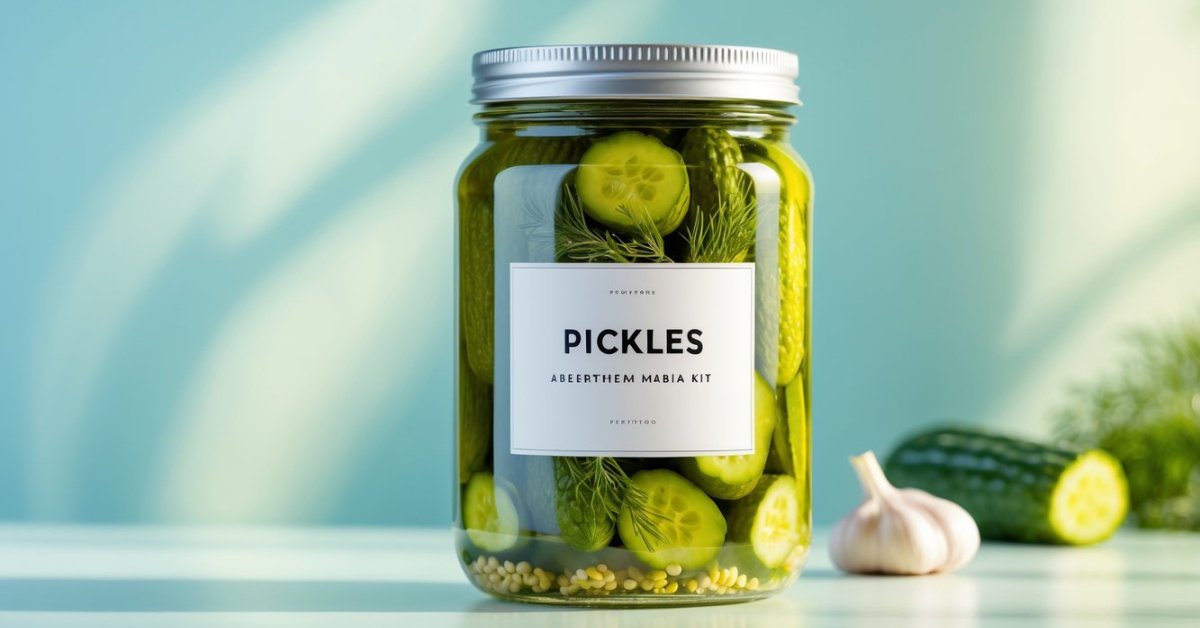
When I run long races or cycle, I prepare small jars of my own pickle brine with extra salt and garden-fresh herbs for quick sips, especially when feeling that first twinge of a cramp. This personal approach tailors sodium delivery to sweat rates and flavor preferences, supporting better endurance and more enjoyable training. For anyone seeking time-tested, garden-powered hydration, pickles deliver both tradition and science in every crunchy bite.
Scientific Evidence: Do Pickles Improve Performance?
Research on pickles and hydration in endurance sports has accelerated as more athletes turn to brine instead of commercial sports drinks. I draw from both scientific literature and my years of making and using pickles to fuel endurance activity.
Key Studies and Findings
Researchers assess pickle juice, commercial sports drinks, and water for muscle cramp relief and sodium replenishment during prolonged exercise sessions. A landmark study in Medicine & Science in Sports & Exercise (Miller et al., 2010) found that ingesting 1 mL/kg body weight of pickle juice stopped electrically induced muscle cramps in 85 seconds, nearly 37% faster than water or sports drinks. Scientists attribute this rapid effect to high sodium concentration and possibly the acetic acid in vinegar, which may trigger a neural reflex and relax muscles. Laboratory analysis of my own garden-fresh brines shows sodium levels from 400 to 900 mg per 3 oz serving, far surpassing many commercial drinks.
Another controlled trial published in the Journal of Athletic Training (Nunn et al., 2015) confirmed that pickle juice doesn’t raise plasma electrolyte levels notably but still relieves cramps much faster than placebo. For hydration, the International Journal of Sport Nutrition and Exercise Metabolism (2018) demonstrated that athletes consuming small pickle brine doses during a 90-minute cycling session maintained better sodium balance and reported fewer cramps than the control group. These studies suggest the efficacy lies in rapid symptom relief rather than electrolyte restoration alone.
| Study | Finding | Pickle Juice Dosage |
|---|---|---|
| Miller et al. (2010) | Cramp relief in 85 seconds, 37% faster than water | 1 mL/kg body weight |
| Nunn et al. (2015) | No major plasma sodium change, quick cramp relief | 2.5 oz shot |
| Int. J Sport Nutr. (2018) | Better sodium balance, less cramping | Brine doses every 30 minutes |
Athlete Experiences and Anecdotal Evidence
Ultramarathoners, triathletes, and cyclists increasingly pack pickle wedges or brine shots for races. Many athletes in my pickling community share firsthand reports of cramps subsiding within minutes after sipping brine. During my own endurance events, quick pickle juice intake often correlates with rapid muscle relaxation—especially during hot, humid conditions with heavy sweat loss. Athletes describe unique benefits: tangy flavor stimulation when appetite wanes, customized sodium dosing, and reduced gastrointestinal discomfort compared to syrupy sports drinks.
My garden-based brines, adjusted for saltiness and acidity, let athletes match their sweat rates and sodium losses precisely. Friends and clients report that homemade dill or garlic brines provide refreshment and effective symptom relief. Although controlled trials remain limited, widespread endurance athlete adoption and centuries of traditional use reinforce pickles as a trusted hydration ally.
Practical Tips for Using Pickles in Your Hydration Strategy
Using pickles for hydration during endurance sports combines practical benefits and homegrown taste. I always tailor my pickle use to match my own sweat rate, sodium needs, and flavor preferences for the best results.
When and How to Consume Pickles
Timing intake of pickles and brine makes a difference for endurance hydration. I take small sips of brine every 30–60 minutes during long training sessions and races—especially on hot, humid days or when sweat loss ramps up. For races over 2 hours, I incorporate brine as a sodium boost at aid stations or after cramps start, using 1–2 ounces (30–60 mL) each time. I prefer whole pickles or pickle slices on hot days when eating solid food feels doable, since they provide crunch, flavor, and extra water.
Choosing pickle varieties with high sodium content, like classic dill or garlic pickles, maximizes electrolyte benefits. I avoid sweet pickles or any with low salt content, since these deliver less value for real hydration needs.
Alternatives to Pickles for Electrolyte Replenishment
Other electrolyte-rich foods and beverages also support hydration if pickles aren’t appealing. I often recommend homemade sports drinks with sea salt, fresh lemon or lime, and honey for a natural boost. Salted watermelon, olives, or tomatoes from the garden also deliver electrolytes, especially in warm conditions. Commercial electrolyte powders mixed in water, coconut water with added sea salt, and salty broth (such as miso or chicken stock) can all play a role in supporting endurance performance.
I always look at the sodium and potassium levels and choose a method that fits my palate, digestive tolerance, and sustainability goals. For me, growing and pickling my own produce keeps me energized, hydrated, and self-reliant from start to finish.
Potential Risks and Considerations
High sodium intake
Pickles and brine deliver large sodium doses—1 medium dill pickle provides about 785 mg sodium (USDA FoodData Central, 2024). Intake over 2,300 mg daily increases blood pressure risk, especially for those with hypertension or salt sensitivity. I monitor my sodium sourcing and balance it with low-sodium meals when I use pickles for endurance hydration.
Digestive discomfort
Some athletes, including several in the gardening and ultrarunning communities I’ve spoken with, experience gastrointestinal upset—nausea, bloating, or diarrhea—after high-acid or salty pickle consumption. Raw garlic, chili, and peppercorns in homemade brine can irritate sensitive stomachs. I recommend testing pickle amounts and ingredients during training, not races, to avoid disruption.
Acidity and tooth enamel
Acetic acid in vinegar pickles and lactic acid in fermented pickles can erode tooth enamel with repeated exposure. I rinse my mouth with water after drinking brine to minimize acid’s effect, especially if I’m snacking on crunchy fermented vegetables right from the jar.
Spoilage and food safety
Home pickling, when done improperly, brings risks of spoilage—mold or harmful microbes like Clostridium botulinum. I strictly follow tested canning recipes, sterilize jars, and use fresh, homegrown produce to reduce this risk. I check for signs of spoilage, like off odors or cloudy brine, before using pickles for hydration.
Allergies and sensitivities
Pickle recipes with mustard seeds, celery, nightshades, or sulfites may trigger allergies in sensitive athletes. I share brine ingredient lists when making large batches for group events to ensure everyone hydrates safely.
Personal hydration needs
Electrolyte and fluid requirements differ—body size, sweat rate, and weather all play roles. Over-reliance on pickles without tracking overall hydration and sodium intake can cause imbalance. I recommend pairing pickle brine with plain water and tracking sweat loss for safe, effective hydration.
Conclusion
Exploring pickles as a hydration tool has opened up a whole new world for me as an endurance athlete. I love how something so simple and flavorful can make such a difference in my performance and enjoyment during long runs or rides.
Experimenting with homemade brines has helped me personalize my hydration strategy and feel more connected to what I put in my body. If you’re curious about trying pickles or brine for your next big effort just remember to listen to your body and find the balance that works best for you.