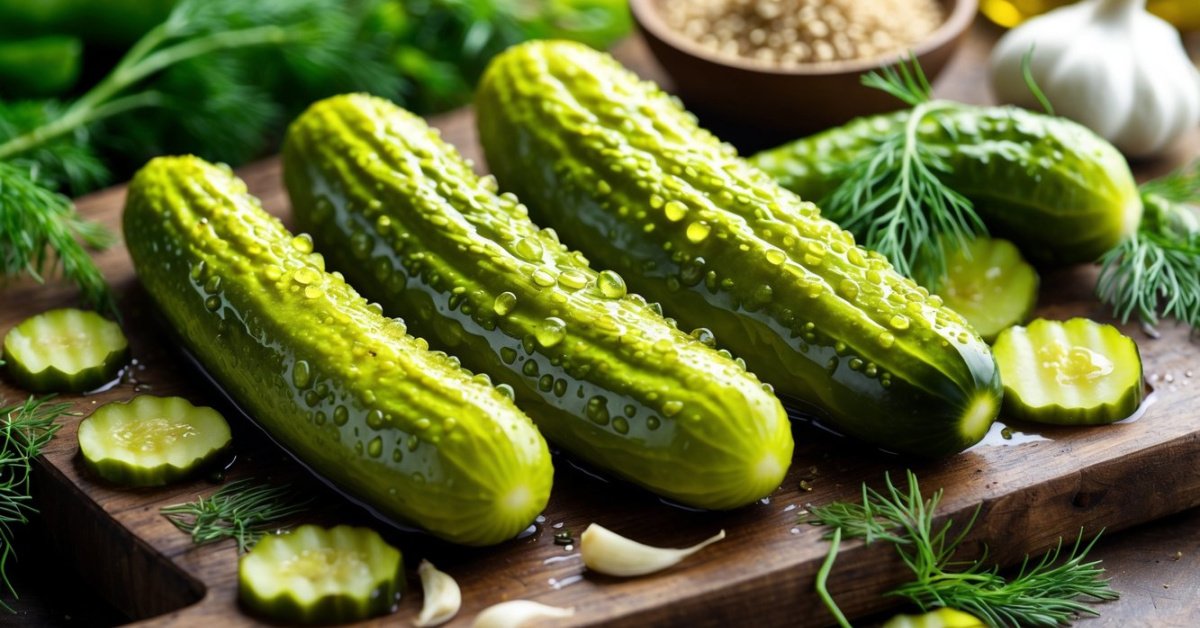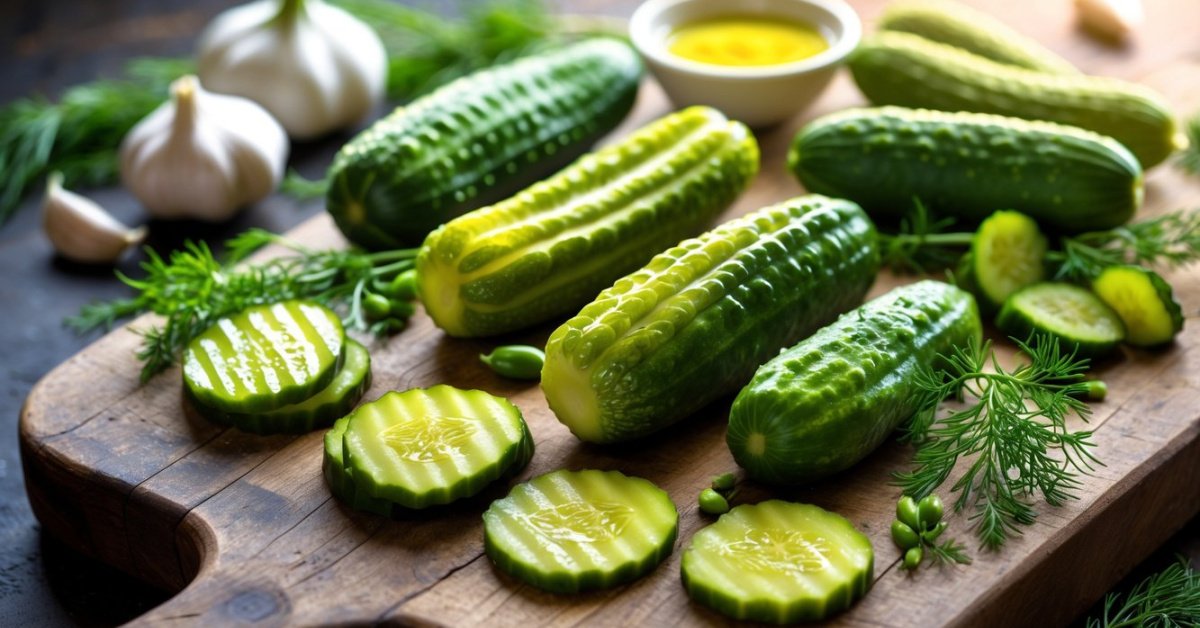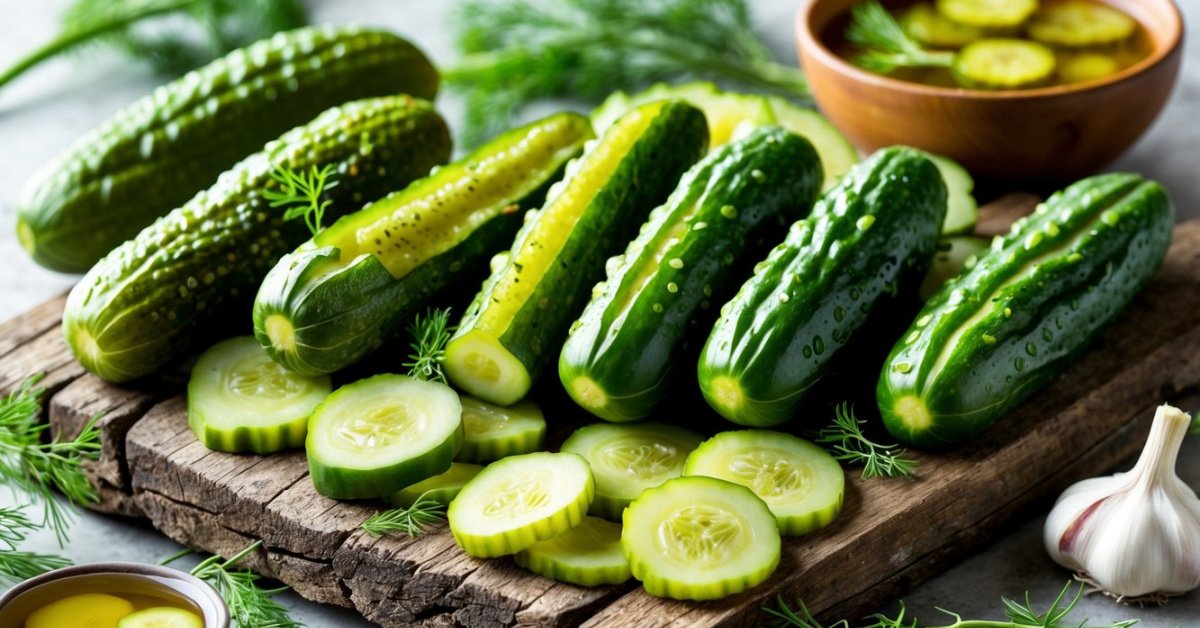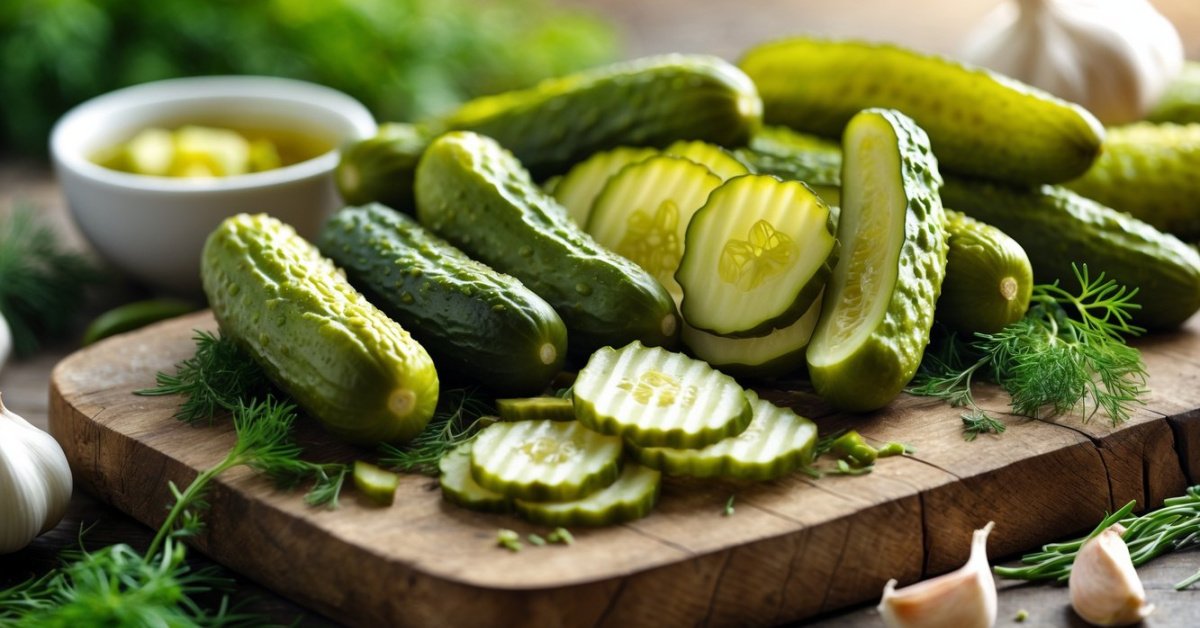
After a tough workout I’m always on the lookout for new ways to speed up my recovery. Lately I’ve been hearing a lot about pickle juice as a surprising remedy for sore muscles and cramps. At first I thought it sounded a little odd—after all it’s not your typical sports drink.
But as more athletes and fitness enthusiasts swear by this tangy green liquid I got curious. Could something as simple as pickle juice really make a difference after a workout? I decided to dig deeper into why so many people are reaching for that jar in the fridge instead of their usual recovery drinks.
Understanding Pickle Juice and Its Composition
Pickle juice contains water, vinegar, salt, and spices as its main elements. I use filtered water to ensure clarity. Vinegar gives pickle juice its classic tang; I often select distilled white vinegar or apple cider vinegar for distinctive flavor notes. Salt, specifically pickling or kosher salt, provides the brine’s preserving and hydrating properties. I avoid table salt due to anti-caking additives.
Spices and aromatics in pickle juice diversify flavor and offer additional benefits. I frequently add dill, garlic, peppercorns, mustard seeds, and occasionally red pepper flakes. These ingredients infuse both pickles and the brine with essential oils and micronutrients.
Electrolytes in pickle juice help explain its popularity among recovery beverages. Sodium, the dominant electrolyte in traditional recipes, supports fluid balance during and after exertion. Some batches also contain potassium and magnesium, from added spices or brined vegetables like cucumbers.
Acetic acid, a byproduct of vinegar fermentation, preserves the pickle juice and inhibits harmful bacterial growth. I rely on its antimicrobial properties as much as its taste contribution.
Each batch of pickle juice reflects its source vegetables. When I use cucumbers from my garden, the brine absorbs extra vitamins and phytonutrients, especially in small-batch, cold-packed varieties. This subtle complexity makes homemade pickle juice more than just a salty beverage—it’s a combination of simple, fresh ingredients preserved through a careful process.
The Science Behind Muscle Recovery
Muscle recovery after intense gardening or a long pickling session often hinges on what goes into the body as much as what effort gets put out. I always focus on the mechanisms behind cramps and the micronutrients critical to effective recovery.
Causes of Post-Workout Muscle Cramps
Cramps typically occur when my muscles lose fluid and electrolytes through sweat, especially sodium and potassium. Dehydration from spending hours tending to garden beds or stirring brine accelerates this imbalance. Rapid changes in activity or insufficient warm-up also prompt muscle fibers to contract uncontrollably. Researchers from the American College of Sports Medicine confirm that both electrolyte loss and overuse rank as primary triggers. In my experience, homemade pickle juice addresses both factors with its brine-rich profile.
Key Nutrients Involved in Recovery
Certain nutrients in pickle juice, which I craft from fresh garden produce, directly impact muscle repair and cramp prevention:
- Sodium and Potassium: My brines contain high sodium and trace potassium levels; both replenish what sweat depletes, supporting nerve signaling and muscle relaxation.
- Acetic Acid (Vinegar): The vinegar I use doesn’t just add tang—it also may stimulate nerve receptors in the throat, as documented by clinical studies (Miller et al., 2010), interrupting cramp signals.
- Magnesium and Calcium: Garden cucumbers supply small amounts of these minerals, essential for steady muscle contraction and the prevention of spasms.
- Water: My filtered water keeps the juice hydrating after labor-intensive pickle seasons.
I’ve always found that drinking my carefully balanced, home-brewed pickle juice after physical exertion supplies these nutrients in the forms most effective for fast recovery.
How Pickle Juice Aids Post-Workout Recovery
Pickle juice stands out as a hydrating, nutrient-rich drink that’s especially valuable after intense workouts. My years of crafting both classic and inventive pickle recipes have shown me how this brine supports the body beyond just pickling vegetables.
Electrolyte Replenishment
Pickle juice delivers a potent dose of electrolytes, with sodium being the most concentrated. After exercise, sodium levels drop significantly, especially if you sweat as much as I sometimes do during a summer day in the garden. A 2-oz serving of my homemade pickle juice often offers over 400 mg sodium, plus trace potassium and magnesium, depending on the vegetables and salt blend. That mix helps restore fluid balance more rapidly than plain water or most commercial sports drinks, according to the American College of Sports Medicine. Using filtered water, pickling or kosher salt, and home-grown cucumbers adds natural magnesium and calcium, especially when I leave skins on for extra minerals.
Potential Role in Reducing Muscle Cramps
Pickle juice’s fast-acting cramp relief gets a lot of attention among athletes and gardeners alike. Researchers from North Dakota State University have shown that swishing and swallowing pickle juice can stop electrically induced muscle cramps within about 85 seconds. My own experience, after hours of harvesting and tending to a large homestead plot, matches this science. Experts attribute the effect to acetic acid signaling the nervous system, rather than pure hydration, which is why a well-balanced, spiced brine from my favorite jars works quickly. The combination of sodium, acid, and small amounts of magnesium or calcium seems to help both rapid cramp relief and muscle relaxation.
Comparing Pickle Juice to Other Recovery Drinks
Pickle juice stands out from conventional recovery drinks because it combines electrolytes and vinegar, both rarely found together in a homemade beverage. I often compare pickle juice to sports drinks, coconut water, and protein shakes—each option suits a different recovery need, but none share my deep connection to the garden and pantry quite like what I make myself.
Advantages and Disadvantages
I find pickle juice quickly delivers sodium—over 400 mg in just 2 ounces of my brine—making it excellent for rapid electrolyte restoration after sweating. In contrast, sports drinks such as Gatorade or Powerade include sugars, food dyes, and typically only 160-270 mg sodium per serving. Pickle juice contains no added sugars, so it won’t spike blood sugar, but the high salt content means it’s best in moderation, especially for those sensitive to sodium.
Coconut water provides potassium—around 470 mg per 8 ounces—but lacks sodium unless fortified. Protein shakes target muscle repair with amino acids, yet provide little in the way of electrolytes or natural acids. Pickle juice’s unique advantage comes from the vinegar, which, based on North Dakota State University findings, can neutralize cramps much faster than any sweetened beverage.
Some downsides do exist: pickle juice’s acidity may cause heartburn for people with reflux, and commercial versions may contain preservatives or unnecessary flavorings. For me, making it at home means I control every ingredient, which appeals to my passion for sustainability and food transparency.
When to Choose Pickle Juice
I reach for pickle juice after gardening in hot weather, post-run, or after a particularly sweaty workout, when salt loss is highest—examples include summer harvesting, trail running, or long bike rides. If muscle cramps hit suddenly, the acetic acid in my homemade pickle brine acts within 85-120 seconds according to controlled studies, far exceeding the speed of relief from water or coconut water.
I pick other drinks when needing protein after strength routines or extra potassium after endurance events. For those craving garden freshness and real results straight from home pickling efforts, nothing matches the clean, zesty taste and quick relief of pure pickle juice.
Practical Tips for Using Pickle Juice After Exercise
I always pay close attention to how homemade pickle juice fits into post-workout routines—timing and serving matter just as much as the ingredients themselves. My years of pickling and gardening guide every tip I share for making the most of this briny, garden-fueled remedy.
Recommended Dosage and Timing
I use a 2-ounce shot of pickle juice right after finishing a strenuous workout or any physical task out in the garden that‘s left me sweaty. For those new to it, I suggest starting with 1–2 ounces, which delivers around 400–800 mg sodium per serving, plus trace potassium and magnesium (based on my standard garden cucumber recipe). I find the best effects come when I take it within 15 minutes after exercise, as that’s when electrolyte absorption helps most with fluid and cramp recovery—especially in hot weather or after longer sessions. I recommend limiting intake to no more than 4 ounces daily unless your doctor advises otherwise, since too much sodium can cause fluid retention for sensitive folks.
Possible Side Effects and Precautions
I watch closely for reactions in anyone trying my pickle juice, since its salt and vinegar content affect each body differently. Excess sodium, for example, may raise blood pressure in certain cases—especially if you’re prone to hypertension. Acidity from vinegar sometimes triggers heartburn or stomach upset, which is why I avoid using extra-strong vinegars or adding too much garlic. For people on restricted sodium diets or with kidney conditions, I suggest checking with a healthcare provider before adding homemade pickle juice as a regular recovery drink. In my experience, sipping slowly and starting with smaller doses helps most people gauge their tolerance, making the process both safe and enjoyable.
Conclusion
Trying pickle juice for post-workout recovery has been an unexpectedly rewarding journey for me. I love how a simple homemade beverage can offer quick relief and a burst of nutrients right when I need it most.
If you’re curious about new ways to support your body after exercise and enjoy experimenting in the kitchen, pickle juice might just become your next go-to. Just remember to listen to your body and enjoy the process—sometimes the best solutions really do come from the most unexpected places.