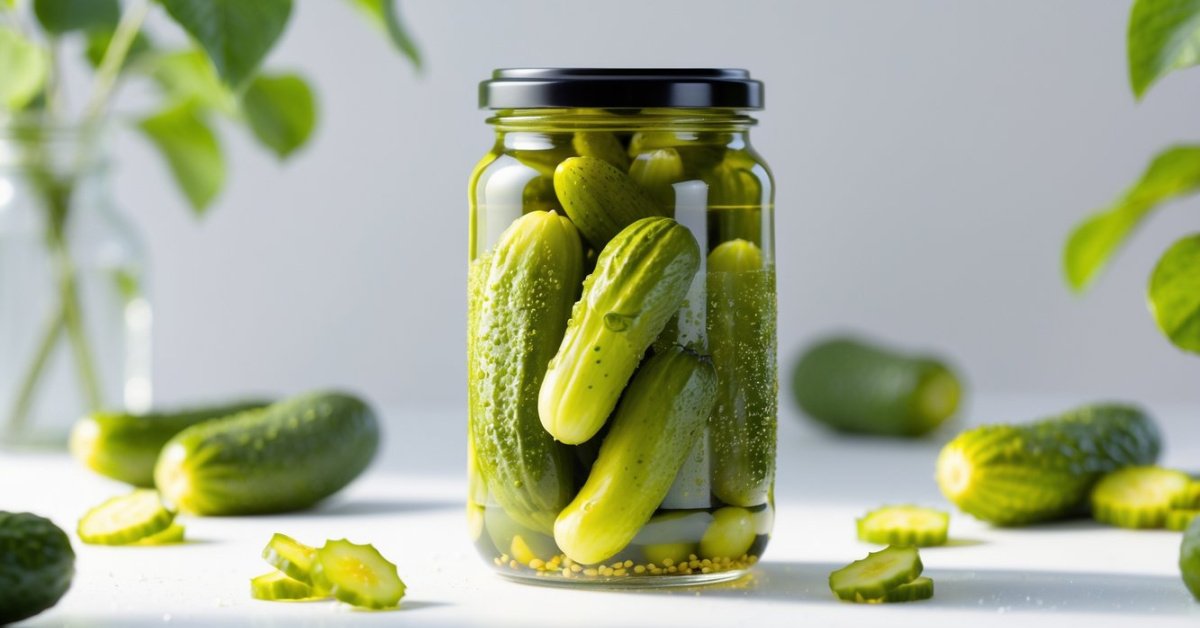
When I think about classic Southern snacks nothing brings back memories quite like a crisp bite of pickled okra. There’s something about that tangy crunch that just feels like summer on the porch with good company and a glass of sweet tea. It’s a staple at family gatherings and always disappears fast at potlucks.
I’ve noticed that every region—and sometimes every family—swears by their own favorite variety. Some folks love it spicy while others stick to a simple garlicky brine. With so many options out there I can’t help but get excited to share what makes each type of pickled okra unique and why it’s earned a special spot in Southern hearts.
What Makes Pickled Okra a Southern Favorite
Pickled okra stands out in Southern kitchens for its crisp texture and ability to balance tanginess with a mild, earthy flavor. Crisp pods keep their shape through brining, unlike cucumbers, which often soften. Southerners enjoy its crunch alongside classic meals like fried chicken and barbecue, making it a table staple at gatherings and picnics.
Tradition shapes every jar of pickled okra, with families in states like Georgia and Mississippi adding local spices to brines. Black peppercorns, garlic cloves, and whole red chiles often appear in these recipes, creating signature flavors from region to region. I’ve found that women in my family pass down spicy and garlicky brine methods, tying each batch to childhood memories and seasonal harvests.
Accessibility in the garden also helps explain pickled okra’s popularity. Okra thrives in Southern climates, yielding tender pods in hot summers. When baskets overflow, pickling becomes an essential preservation method. I pickle okra from my own garden to extend its short growing season and keep a bit of summer flavor through the winter.
Versatility boosts okra’s appeal with pickling fans. Pickled okra works as a quick snack, a relish tray star, or a bright garnish for drinks like Bloody Marys. Its edible seeds and slender size make it easy to use whole, eliminating extra prep steps for home picklers seeking efficiency.
Community ties deepen okra’s status as a Southern favorite. Exchanging pickled jars at church events, farmers’ markets, and family reunions builds connections. Sharing new batches lets others taste the results of heirloom seeds and homegrown brines, strengthening bonds with every crisp bite.
Classic Varieties of Pickled Okra
Classic pickled okra varieties showcase distinct flavors rooted in tradition and personal taste. I’ve made dozens of jars with nuanced brines and know each style offers unique character.
Traditional Dill Pickled Okra
Dill pickled okra uses a brine built around dill seed, garlic cloves, white vinegar, and mustard seeds. I harvest tender pods under 4 inches long from my garden for best texture. Crispiness stays intact when I use a hot water bath for less than 10 minutes. These spears bring a mild, tart flavor; dill and garlic accentuate okra’s earthiness without overpowering it. In my experience, classic dill pickled okra fits perfectly on a relish tray, and pairs with smoked meats or simple sandwiches.
Spicy Pickled Okra
Spicy pickled okra builds heat through additions like red chili flakes, sliced jalapeños, or whole cayenne peppers. I adjust intensity by varying pepper types and quantities in each batch. White vinegar, garlic, and a handful of peppercorns provide a bold, zesty brine. My favorite jars include extra hot Tabasco peppers for a punchier bite. I’ve found spicy pickled okra especially popular as a Bloody Mary garnish; it appeals most to heat-seeking snackers and often sparks lively conversations at the table.
Unique Regional Takes on Pickled Okra
Distinct pickling methods across the South give pickled okra its many personalities. I draw inspiration from these local twists to bring out bolder, nuanced flavors in every crisp pod.
Louisiana-Style Pickled Okra
Louisiana-style pickled okra stands out for its complex Cajun flavors. I always include cayenne, celery seed, whole garlic cloves, and fresh bay leaf in the brine. Spicy undertones blend with herbal notes from the bay, and the crunch stays sharp enough for a satisfying bite. Louisiana cooks often add a touch of sugar for subtle balance, making this style a popular companion for spicy crawfish boils or po’boy sandwiches.
Texas Heat Pickled Okra
Texas heat pickled okra reflects the state’s love for bold spice. I layer fresh jalapeños, serrano peppers, and crushed red pepper into each jar. Tangy cider vinegar enhances the zest and amplifies the okra’s natural earthiness. Some Texans use black peppercorns for extra warmth. This variation comes out especially well with younger, more tender pods; they hold their texture even when soaking up the potent flavor profile. I serve Texas-style pickled okra at backyard barbecues, where hearty smoked meats meet blistering, peppery crunch.
How to Choose the Best Pickled Okra
I start with visual cues when selecting the best pickled okra. Uniform pods, like young tender okra 2–4 inches long, signal top texture and crunch. Bright green coloring with firm skin points to freshness, while soft spots or dull hues often indicate overripe pods or brine exposure.
I read labels for brine composition, looking for simple ingredients like vinegar, water, salt, dill, or garlic. Short ingredient lists, without preservatives or artificial flavorings, usually mean a cleaner taste that enhances the okra’s natural flavor. When homemade or local jars appear in markets or swaps, I check for brine cloudiness or sediment; crystal-clear brine points to careful canning and no spoilage.
I always consider regional styles. Louisiana jars with bay leaf and cayenne, Texas blends heavy with jalapeño, or classic Southern dill with garlic all deliver distinct textures and flavors. If a jar notes its regional spicing, I use that info to match with specific meals or snack needs. For instance, I pair spicy okra with grilled meats and stick to dill-heavy jars for lunch trays.
Texture matters most. I test for crispness by pressing the okra gently; quality pickled okra resists mushiness and feels sturdy. At home, I rely on my own recipes from this criteria, always brining freshly picked pods on the same day.
I trust the reputation of producers at farmers’ stands or specialty markets. Picklers known for small-batch methods—like my gardening group who swap family brines—consistently provide superior jars.
Here’s a quick breakdown of top features I watch for:
| Feature | Why It Matters | Example Indicators |
|---|---|---|
| Pod Size | Crunchier texture, fewer seeds | 2–4 inch, uniformly sized pods |
| Brine Clarity | Freshness and safety | Clear liquid, no floating bits |
| Ingredient List | Pure flavor, minimal additives | Vinegar, water, salt, herbs, spices |
| Regional Flavor | Personal and meal pairing preference | Cajun for spicy, classic Southern for mild |
| Texture | Satisfying snap and structure | Firm when pressed, not soft or limp |
Applying these selection habits in my kitchen over decades, I always enjoy pickled okra that complements my meals and garden harvests.
Serving Suggestions and Pairings
Pairing pickled okra with Southern classics elevates flavors and textures. I add pickled okra to fried chicken platters, where its tang cuts through the richness of crispy poultry. I also layer it on barbecue plates or chop it into coleslaw for extra crunch and acidity.
Garnishing drinks with pickled okra adds depth. I often slide a pod into Bloody Marys or martinis, where the briny, spicy notes complement the savoriness of tomato or gin. On relish trays, I arrange okra alongside pickled beets, baby corn, and bread-and-butter pickles. This variety highlights okra’s crispness among other garden vegetables.
Slicing pickled okra into salads brings a punchy, vibrant twist. I toss sliced pods with cherry tomatoes and sweet onions or add them to chopped greens for additional snap and mild heat, especially with spicier varieties.
Pairing pickled okra with regional favorites expands meal options. I serve it alongside black-eyed peas, fresh cornbread, or smoked sausages at gatherings. When I host, friends love dipping pickled okra in creamy ranch or remoulade, turning it into a crowd-pleasing appetizer.
Including pickled okra in cheese boards adds contrast to rich, soft cheeses and cured meats. I place it next to sharp cheddar or smoky gouda, along with pecans and crisp apples, to create a Southern-inspired spread that celebrates the homegrown flavors I care about.
Conclusion
Every time I open a jar of pickled okra I’m reminded of the simple joys that come from Southern kitchens and family traditions. There’s something special about sharing these crunchy bites with friends or discovering a new twist at a neighbor’s table.
I love that there’s always a new flavor to try or a new way to serve pickled okra. Whether I’m reaching for a classic dill or a spicy Texas-style jar it’s clear that this Southern staple keeps bringing people together one pod at a time.