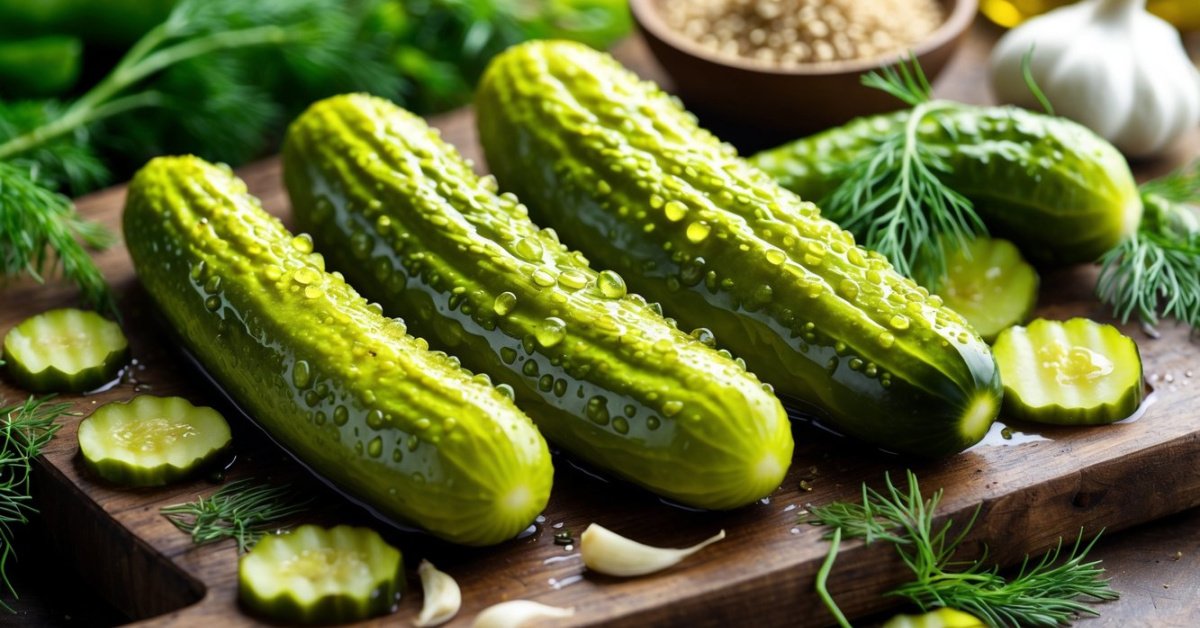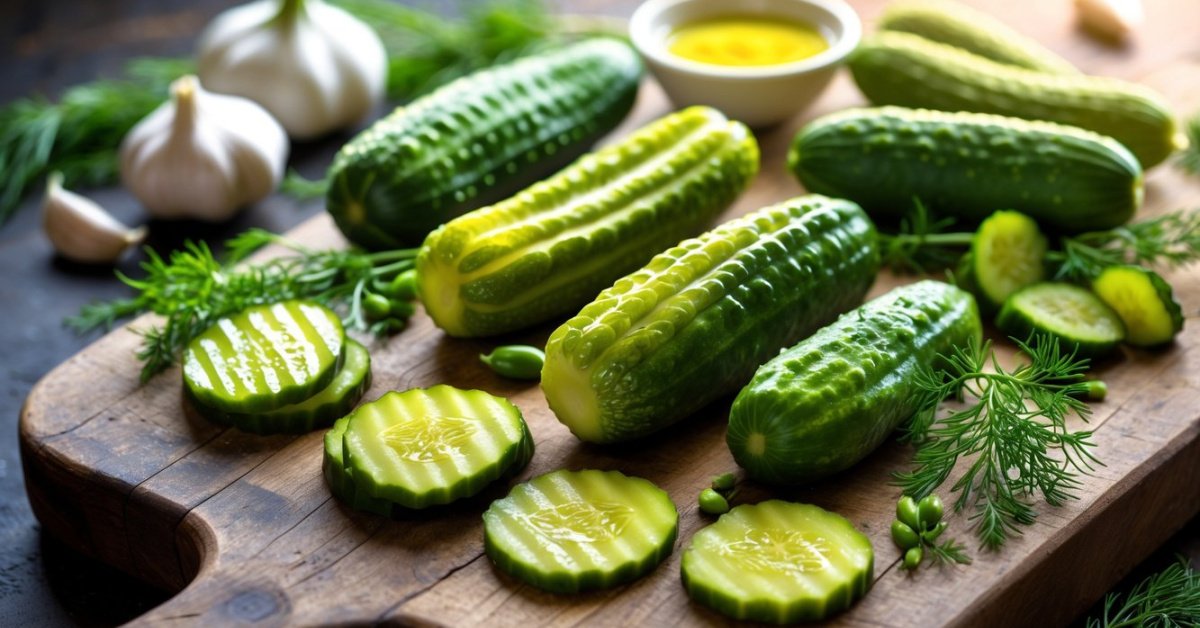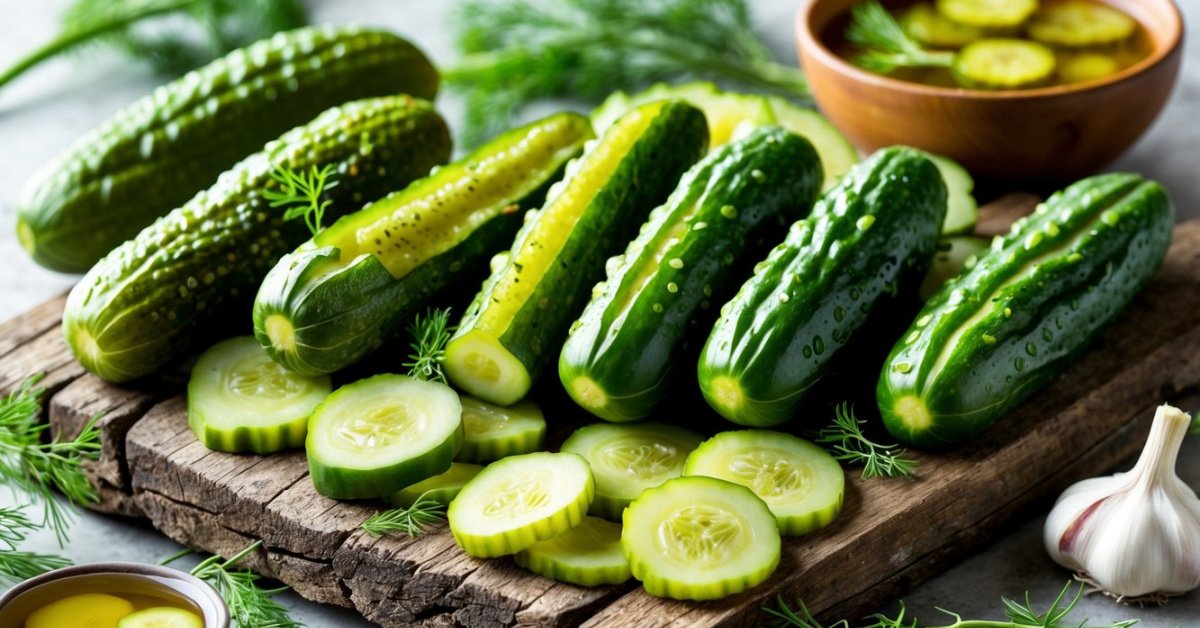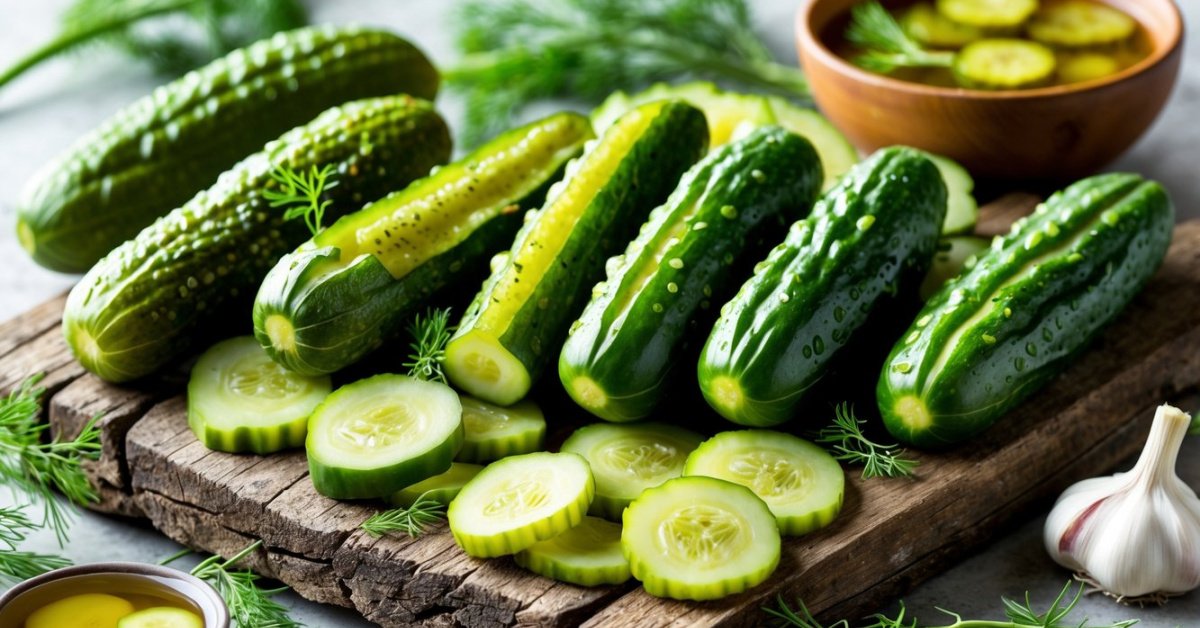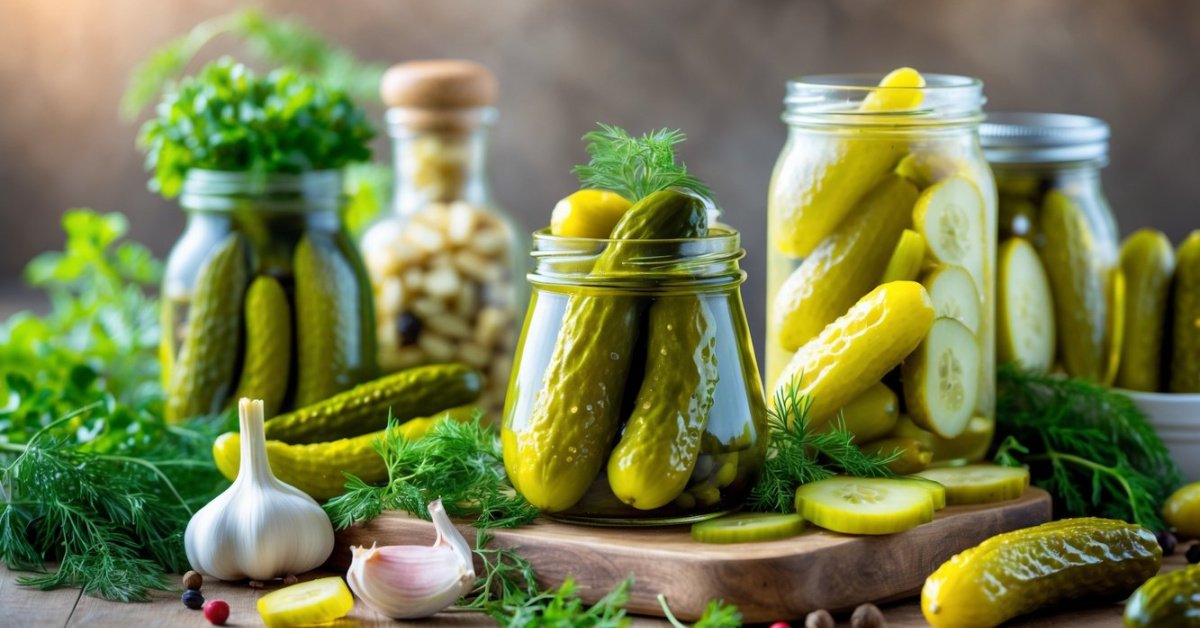
Whenever I spot a jar of tiny green pickles on a cheese board or next to a pâté, I can’t help but reach for one. Those crisp little bites are cornichons—French mini pickles with a punchy tang and a satisfying crunch that always wakes up my taste buds.
I’ve always been fascinated by how something so small can add so much flavor to a meal. Whether I’m layering them into a sandwich or nibbling them straight from the jar, cornichons never fail to make a simple snack feel a bit more special. If you’ve ever wondered what sets these petite pickles apart, you’re in for a treat.
What Are Cornichons?
Cornichons are petite, tart French pickles crafted from young gherkin cucumbers. I pick these cucumbers when they measure just 1-2 inches in length. Their skin stays firm, giving cornichons a signature crunch that holds up even after pickling. Picklers use distilled white vinegar, tarragon, and pearl onions to form a bracing brine, creating that unmistakable sharp flavor. In my garden, I cultivate heirloom gherkin varieties to ensure authentic size and taste. Texture lovers value cornichons for their snap, which regular dill pickles—examples include American sandwich slices or spears—can’t match. French charcuterie boards, pâté platters, and sauce ravigote recipes often feature cornichons for their piquancy and visual appeal.
The History of Cornichons in French Cuisine
French cuisine embraced cornichons as early as the 17th century. Royal households served cornichons alongside pâté and terrines, making these mini pickles a staple on elite tables (Larousse Gastronomique, 2012). French cookbooks dating back to the 1700s mention cornichons in recipes for robust sauces like ravigote or gribiche, where their acidity cut through rich meats.
Picklers in France adopted traditional brining methods that relied on local herbs, vinegar, and small gherkin cucumbers. Gardeners like me recognized that cornichon varieties thrived in temperate French climates, producing consistently small, crisp cucumbers ideal for pickling. Throughout the 19th century, French farmers in regions such as Burgundy and Loire Valley supplied city markets with jars of cornichons, often pairing them with charcuterie and cheese as customary practice in bistros and homes.
Chefs across France integrated cornichons into classic dishes. I see these pickles layered in tartare sauce, finely chopped in deviled eggs, or presented whole with cured meats, echoing centuries of tradition. The combination of careful cultivation, precise pickling, and culinary creativity cemented cornichons as an essential French condiment.
How Cornichons Are Made
I rely on exact timing and carefully chosen ingredients to make authentic cornichons. Every part of the pickling process affects the flavor, crunch, and shelf life of the final product.
Key Ingredients and Preparation Process
I select gherkin cucumbers picked young, at 1–2 inches, for the best texture and snap. I wash and trim the ends so the brine infuses evenly. My brine contains distilled white vinegar for sharpness, coarse sea salt for preservation, tarragon for floral notes, and pearl onions to round out the flavor. Some traditional recipes include mustard seeds, black peppercorns, or cloves for added complexity.
I pack the cucumbers tightly in sterilized jars, layering in tarragon leaves and pearl onions. I pour hot brine over them to cover, seal the jars, and let them ferment for at least three weeks in a cool spot. Shorter pickling times create a slightly milder pickle, while longer durations intensify the flavor and crunch.
Traditional Versus Modern Techniques
I use both traditional and modern methods when making cornichons, depending on the results I want. Traditional French techniques use cold-packed cucumbers with room-temperature vinegar, aged for several weeks, which gives the pickles a subtle, nuanced acidity and softer texture. I find that salt ratios differ in historical recipes, with less salt resulting in a lighter-preserved product. Some artisans line wooden barrels with grape leaves to keep the pickles firm.
Modern home picklers, including myself, often use hot-pouring and shorter fermentations for convenience and food safety. I prefer glass jars with airtight lids to reduce spoilage risk, adjusting acidity levels to current USDA safety standards. Commercial producers may add calcium chloride for extra crunch. Each approach preserves the key flavors—vinegar tang, herbal notes, and bright cucumber essence—defining traditional cornichons.
Distinctive Flavor and Texture
Cornichons deliver a sharp tang and bright aroma from a distilled white vinegar base. I taste the difference right away compared to larger American dill pickles, which usually come with sweeter or more mellow profiles. My brine always includes tarragon and pearl onions, giving it herbal, lightly floral, and mildly pungent notes. These ingredients, combined in the traditional ratios, push the acidity and savoriness to the front.
Crunch comes from harvesting gherkins at a length of 1–2 inches. I pick these cucumbers at peak firmness, before seeds mature. The dense, snappy bite stays even after months in the jar because the brine uses high enough acidity and minimal heat. I’ll use grape leaves when packing jars, since the tannins stabilize cell walls and amplify the crunch even more.
Texture stands out as the defining trait of proper cornichons. Each bite breaks cleanly, never squishes or sags. When I add them to charcuterie boards or blend them into sauces like ravigote, their lively crunch and acidic spark cut through fatty foods and enrich mild flavors. This balance is why I always keep home-grown, home-pickled cornichons on hand to finish both simple plates and elaborate recipes.
Culinary Uses for Cornichons
Cornichons lend sharp tang and satisfying crunch to a wide range of dishes. I rely on these French mini pickles for both classic pairings and inventive kitchen experiments, drawing on my years of pickling and gardening experience.
Classic Pairings and Recipes
Chefs in France and beyond often serve cornichons with rich meats. I like to tuck several alongside pâtés, terrines, and cured charcuterie—such as saucisson sec or jambon de Bayonne—to cut through fatty flavors. Classic French bistro plates almost always feature a mound of cornichons next to creamy rillettes and robust country pork pâté.
I incorporate chopped cornichons in traditional sauce ravigote, mixing them with capers, herbs, vinegar, and mustard to spoon over fish, cold beef, or eggs. Cornichons also stand out in classic tartar sauce, potato salad, and beef salad, where their acidity brightens creamy dressings.
Creative Serving Ideas
I amplify salads and grain bowls by slicing cornichons for bold bursts of flavor. Toasted sandwiches get an upgrade when I layer thin discs of cornichon with hard cheeses or roasted vegetables. For a quick relish, I finely dice cornichons with shallots and fresh dill, then stir into yogurt or mayo for a tangy dip.
At picnics and garden parties, I skewer whole cornichons with pickled pearl onions and cherry tomatoes as part of a portable antipasto. Chopped cornichons make vibrant garnishes over deviled eggs, smoked fish, or savory oatmeal. When I pack mason jars for friends, I suggest using my homegrown cornichons in grilled cheese, as a pizza topping, or stirred into vinaigrettes for a sharp, herbal note few other pickles match.
Where to Buy and How to Store Cornichons
Local gourmet shops, French specialty markets, and established online retailers all offer jars of authentic cornichons. Major grocery chains in the US like Whole Foods and Trader Joe’s typically keep them in the international foods aisle. I find some of the best flavor in brands imported from France—Maille, Edmond Fallot, and Roland stand out for their classic brine and crunchy texture.
Farmers markets sometimes feature local gherkin picklers in spring and summer. I check ingredient labels for distilled white vinegar, tarragon, and pearl onions to ensure the product stays true to the French style. Homemade picklers can order heirloom gherkin seeds from garden supply catalogs or seed exchanges for growing their own cucumbers.
Unopened jars of cornichons store well in a cool, dark pantry for 12-18 months. Once opened, I always refrigerate them. The pickles keep their crunch and flavor in the fridge for at least 8 weeks, provided they’re fully submerged in brine and the lid stays tightly sealed. Glass jars with a rubber gasket restrict airflow best, helping maintain texture. I avoid storing them in direct sunlight or near heat sources, as warmth alters acidity and may soften the pickles.
Reusable airtight containers work for transferring homemade batches after opening. I never use reactive metal lids or plastic without a food-safe lining, since vinegar can react and alter the flavor profile. For extra shelf life, I top off low brine levels with a mix of vinegar and water (2:1 ratio).
| Source | Typical Location | Shelf Life (Unopened) | Shelf Life (Opened) |
|---|---|---|---|
| Gourmet Shops | In-store | 12-18 months | 8+ weeks (fridge) |
| French Specialty Shops | In-store or online | 12-18 months | 8+ weeks (fridge) |
| Major Grocery Chains | International aisle | 12-18 months | 8+ weeks (fridge) |
| Farmers Markets | Seasonal stalls | Varies (fresh) | 8+ weeks (fridge) |
| Home Pickling | Garden and pantry | 12-18 months (sealed) | 8+ weeks (fridge) |
Conclusion
Cornichons have become one of my favorite ways to add a burst of flavor and crunch to just about any dish. Their sharp tang and satisfying texture always spark a bit of joy in my kitchen. Whether I’m arranging a charcuterie board or just reaching for a quick snack these little pickles never disappoint.
If you haven’t tried cornichons yet I encourage you to explore their many uses and discover how they can elevate your meals. There’s something special about their bright taste and crisp bite that keeps me coming back for more.