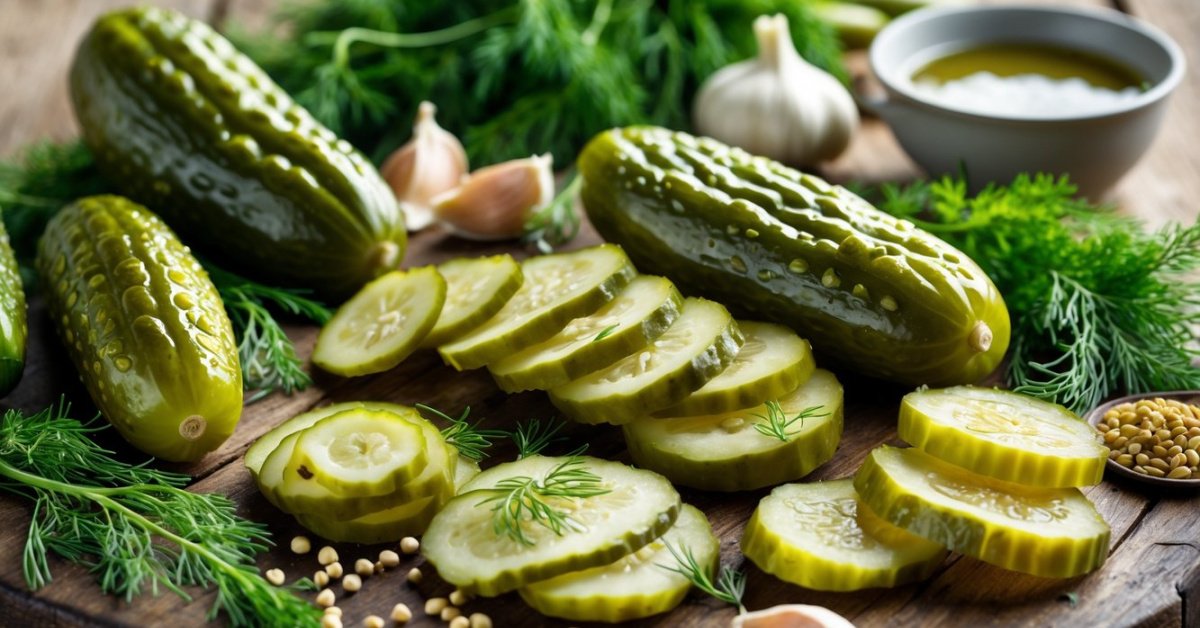
Pickles have always been one of my favorite snacks—crunchy tangy and bursting with flavor. But as someone who pays close attention to blood sugar levels I often wonder if reaching for that jar is really a good idea. With diabetes affecting so many people it’s important to know which foods are safe and which ones might cause trouble.
I’ve heard mixed opinions about pickles and diabetes. Some say they’re harmless while others warn about hidden sugars and sodium. So I decided to dig a little deeper and find out if pickles truly belong on a diabetic-friendly menu. Let’s explore what makes pickles unique and whether they’re a safe choice for those managing diabetes.
What Are Pickles and How Are They Made?
Pickles are vegetables or fruits—like cucumbers, carrots, or green beans—preserved in a brine or acidic solution. I often use produce from my own garden, like freshly picked cucumbers or jalapeños, for small-batch pickling.
Pickling methods include fermentation and quick pickling. In fermentation, I submerge vegetables in salted water, letting natural bacteria produce lactic acid over 1 to 4 weeks. Quick pickling uses vinegar, often combined with water, salt, and spices, and the process finishes in 24 to 48 hours.
Key ingredients for most pickles are salt, vinegar, water, and spices. I select kosher or pickling salt to avoid additives, white or apple cider vinegar with at least 5% acidity, and classic seasonings like dill, mustard seeds, or garlic.
Pickling recipes sometimes contain sugar. Cooked sweet pickles use more sugar, while traditional dill varieties use little or none. Sugar content remains important for anyone measuring carbohydrate intake.
Table: Core Pickling Components
| Ingredient Type | Example | Function |
|---|---|---|
| Vegetable/Fruit | Cucumber, Beet | Main base |
| Acid | Vinegar (5%+) | Preservation, flavor |
| Salt | Kosher, Pickling Salt | Fermentation, taste |
| Water | Filtered/Distilled | Dilution |
| Spices/Herbs | Dill, Garlic, Pepper | Aroma, flavor |
| Sugar (optional) | White/Raw Sugar | Sweetness, balance |
Pickle flavor and nutrition depend on the vegetable used and the pickling method. I keep sodium levels in mind by controlling brine strength and choosing lower-salt styles for those with dietary restrictions. Homemade pickling lets me skip unnecessary additives and always know what’s in my jar.
Nutritional Profile of Pickles
Pickles contain nutrients that change based on their ingredients and pickling method. I focus on the facts for blood sugar management and food quality.
Key Ingredients and Additives
Pickles use basic ingredients from fresh vegetables, often cucumbers, combined with brine (water and salt) or vinegar. Most pickles contain:
- Sodium: Salt brine preserves pickles, but sodium content may range from 300 mg to 1,200 mg per 3.5 oz (100 g). I always check or control salt to prevent excess.
- Carbohydrates: Most dill pickles have 1–2 g carbs per 3.5 oz; sweet pickles reach 7–20 g due to added sugars. I avoid added sugar to manage carbs.
- Calories: Traditional pickles usually provide 10–20 kcal per 3.5 oz, making them a low-calorie option.
- Vinegar or Lactic Acid: I use vinegar for its sharp flavor or let live bacteria ferment, both options lowering pH for safe storage.
- Additives and Preservatives: Store pickles sometimes add calcium chloride, alum, polysorbate 80, or artificial color; I skip these when pickling at home for purity.
Common Types of Pickles
Pickling creates variety in flavors and nutrition. I use several types with distinct ingredient profiles:
- Fermented Pickles: I prepare these with saltwater, letting natural bacteria form tangy flavors and live probiotics. Examples: classic sour dills, kimchi, sauerkraut.
- Vinegar Pickles (Quick Pickles): I pour hot vinegar, salt, and optional sweetener over vegetables for fast results. Examples: bread-and-butter chips, pickled onions, pickled peppers.
- Sweet Pickles: These blend extra sugar with vinegar, giving them much higher carb content. Examples: sweet gherkins, candied jalapeños.
- Low-Sodium or Sugar-Free Varieties: Home recipes or store versions cater to those monitoring salt and sugar, such as no-sugar-added dills and low-salt cucumber spears.
I always tailor my pickling to maximize taste while fitting dietary needs. The source, method, and additives gradually define the nutritional profile for every batch.
Potential Benefits of Pickles for Diabetics
Pickles offer notable advantages for blood sugar management and gut health. I often use time-tested pickling practices to maximize these benefits in my kitchen and garden.
Impact on Blood Sugar Control
Pickles can support steady blood sugar levels, provided they’re unsweetened and portioned correctly. Typical unsweetened cucumber pickles contain under 2g net carbs per serving, such as dill or kosher-style varieties (USDA). These low-carb pickles fit well into meal plans for people managing diabetes. Vinegar brines—especially those with apple cider vinegar—have shown blood glucose-lowering properties after meals according to controlled studies (Johnston et al., 2004). I focus on vinegar-based pickles without added sugars when I’m making batches for those concerned about glucose spikes. Sweet pickles, bread-and-butter pickles, and relishes usually contain as much as 6–10g of sugar per ounce, so I always label jars clearly.
Probiotics and Gut Health
Fermented pickles can boost gut health, thanks to their live probiotic cultures. When I ferment vegetables like cucumbers or green beans in salt brine, colonies of lactic acid bacteria form naturally. Strains such as Lactobacillus plantarum and Leuconostoc mesenteroides populate these batches, and they support a balanced intestinal microbiota (Marco et al., 2017). Probiotic-rich foods may improve insulin sensitivity and digestion. Commercially shelf-stable pickles, pasteurized or made with vinegar, don’t carry these live cultures, so I always recommend traditional fermentation if the goal is gut health. I use my own garden harvest and sea salt to optimize both the taste and probiotic count in every jar.
Risks and Concerns for Diabetics
Pickles come with unique risks for anyone managing diabetes, and I’ve seen these challenges firsthand through years of home pickling. Common issues revolve around sodium and hidden sugars, which both affect health and can undo the benefits of homemade or garden-fresh produce.
Sodium Content and Blood Pressure
Sodium remains high in most commercially jarred pickles—I’ve measured over 300 mg sodium per spear in some store-bought dill varieties. Frequent consumption increases the risk of hypertension, especially for those already sensitive to sodium. For diabetics, high blood pressure compounds the risk for kidney disease and cardiovascular problems, according to the American Diabetes Association. I always recommend rinsing store-bought pickles or opting for low-sodium recipes when pickling at home using fresh garden cucumbers or beans. In my batches, I often replace half the brine with filtered water and sea salt, reducing total sodium per serving by 30% to 50% compared to commercial brands.
Added Sugars in Some Pickles
Sugar content varies widely, particularly in sweet pickles or bread and butter styles. I’ve analyzed labels showing 4 to 6 grams of added sugar per 28-gram serving for these types. For diabetics, these hidden sugars contribute unnecessary carbohydrates that can spike blood glucose levels. Even pickles marketed as “low sugar” can include sweeteners like high-fructose corn syrup or cane sugar. Whenever I make pickles, I skip sugar entirely or use only non-nutritive sweeteners, like stevia, in very small quantities for flavor balance. For anyone tracking carbs daily, always check labels or stick with simple brines to avoid unwanted surprises.
Tips for Diabetics When Eating Pickles
Pickles fit into a diabetic diet with careful choices and attention to ingredients. I always weigh both the health impact and flavor before adding pickles to my plate.
Choosing the Healthiest Pickle Options
I prioritize unsweetened, fermented pickles or those labeled as “no added sugar.” Classic dill or bread-and-butter pickles often surprise folks with extra sugars, so I always check the nutrition label for hidden carbohydrates. I stick to homemade batches when possible, using my own garden cucumbers and sea salt—this limits unnecessary sodium and additives. For store-bought options, I look for low-sodium or reduced-sugar pickles, making sure each serving contains under 1 gram total sugars and under 250 mg sodium when available. Fermented pickles with live cultures support gut health and show positive links with glucose control in small studies. Examples I make include garlic dills, half-sours, and naturally fermented carrots.
Portion Control and Moderation
I keep portions moderate, serving 1 to 2 spears or chips rather than a full bowl with a meal. Excess sodium or non-fiber carbs can add up if I don’t measure servings. In my kitchen, I often cut larger pickles into small rounds to help with portioning and mindful eating. I balance pickle intake by including other fresh, low-carb garden vegetables like radishes and bell peppers alongside pickles for texture and flavor variety. Consistent blood sugar monitoring lets me enjoy pickles without worrying about unexpected spikes or sodium overload.
Conclusion
Pickles can absolutely have a place in a diabetic-friendly diet when you make mindful choices. I’ve found that reading labels carefully and experimenting with homemade recipes lets me enjoy the tangy crunch I love without worrying about hidden sugars or too much salt.
Everyone’s needs are different so it’s always smart to check with your doctor or dietitian if you’re unsure. With a little care and creativity you can still enjoy pickles as a flavorful part of your healthy routine.