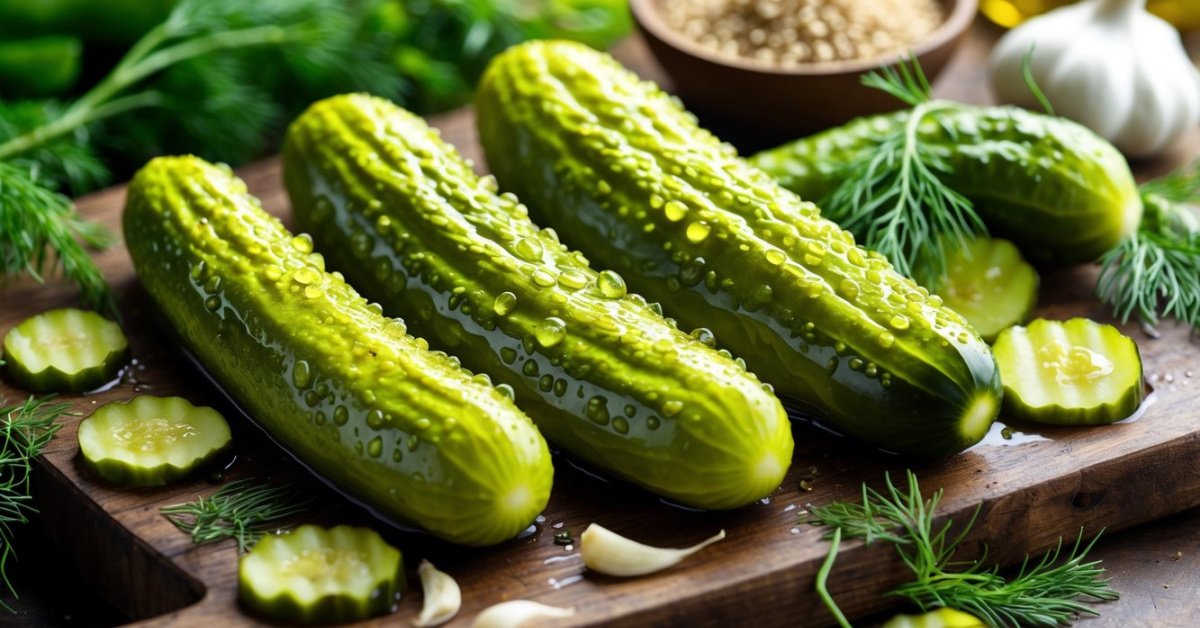
Whenever I think of my childhood kitchen the sharp tangy aroma of achar instantly comes to mind. Indian pickles aren’t just condiments—they’re bursts of flavor that turn even the simplest meal into something unforgettable. Every family seems to have their own secret recipe passed down through generations and each bite tells a story of tradition and love.
For me making achar is more than just preserving fruits and vegetables. It’s about capturing the vibrant spirit of Indian culture in a jar. Whether it’s the fiery heat of green chili or the mellow spice of mango I can’t help but feel connected to my roots every time I taste it.
The Origins of Indian Achar: A Spicy Cultural Tradition
Indian achar traces its roots to ancient methods of preservation, with evidence of pickling in Indian subcontinent texts from as early as 2400 BCE (Archaeological Survey of India). I find that early Indian pickling relied on simple techniques: sun-curing and mixing local ingredients like salt, mustard oil, and native spices. Families stored mango, lemon, and chili pickles in large ceramic jars as a natural approach to food sustainability, especially before modern refrigeration.
Pickling in India didn’t just keep food edible longer—it shaped regional culinary identities. I see mustard seeds, fenugreek, asafoetida, and red chilies shaping achar’s flavor, with each region developing its own robust styles. North India favors mustard oil and mango-based pickles, South India develops spicy lemon and green chili variants, and the East focuses on sweeter or fermented blends like kanji. These styles use what’s abundant locally, reinforcing the role of seasonal gardening in achar traditions.
For me, the communal aspect of preparing achar reflects Indian family life. Generations gather to slice, sun-dry, spice, and jar produce, especially at harvest time. Recipes pass down through families, and each home’s achar tells a story of migration, resources, and adaptation to local environments. Even now, my garden produce often inspires experimental blends, while I respect time-tested family methods that ensure both preservation and deep flavor.
Regional Varieties and Their Unique Flavors
I see regional achar traditions in India create diverse and bold profiles shaped by local climates, crops, and community tastes. My own experiences exploring and making these pickles show how each region’s achar brings forward the essence of its land and history.
North Indian Achar Specialties
I find North Indian achars emphasize sharp spice blends, bold aromatics, and use of mustard oil for pungency. Punjabi mango pickle, called aam ka achar, features hand-cut raw mangoes, fenugreek, mustard, and chili. In Uttar Pradesh, mixed vegetable pickles combine carrots, turnips, and cauliflowers with asafoetida and fennel. Kashmir’s haak-based pickles use leafy greens with aniseed and dry ginger powder, delivering earthy undertones. Most North Indian recipes cure ingredients in the sun, letting flavors intensify over weeks.
South Indian Achar Creations
I experience South Indian achars as vibrant, tangy, and often fiery, with a signature sourness from tamarind or vinegar. Andhra’s avakaya uses fresh mango, copious red chilies, and sesame oil, creating a deep heat. Kerala’s naranga achar pickles wild lime with green chilies, ginger, and coconut oil, frequently paired with rice. Tamil Nadu’s maavadu features whole baby mangoes cured with mustard, turmeric, and chili powders. Fermentation and oil coverage protect these pickles in humid southern climates.
Pickles From the East and West
I work with Eastern picks like Bengali shorsher achar, highlighting pungent mustard, panch phoron, and seasonal vegetables such as green papaya. In Odisha, achars use jaggery with raw mangoes for striking sweet-sour notes. Western varieties, like Gujarati chhundo, shred mangoes with sugar, turmeric, and chili for a jammy preserve. Maharashtrian goda achar relies on local jaggery, fenugreek, and regional spices, blending sweet and hot easily stored in dry climate.
Traditional Ingredients and Preparation Methods
Indian achar relies on time-tested ingredients and methods that give each batch its depth and vibrancy. I approach pickling as both a craft and a lasting expression of heritage, using fresh, homegrown produce whenever possible.
Common Spices and Base Ingredients
Spices and base ingredients shape the backbone of every achar I make.
- Mustard seeds and fenugreek add pungency and a nutty undertone in classic mango and lemon achars
- Red chili powder and turmeric bring heat and color, as seen in avakaya or mixed vegetable pickles
- Fennel, nigella, and cumin seeds contribute layers of earthiness and warmth in North Indian recipes
- Salt acts as a preservative and flavor enhancer, while mustard oil both preserves and delivers depth, especially in Punjabi and Bengali varieties
- Tamarind and vinegar infuse tang in southern pickles like Andhra and Goan varieties
- Fresh vegetables and fruits, such as raw mangoes, limes, carrots, and gooseberries, form the seasonal foundation for every unique batch
The Art of Pickling: Techniques Passed Down Generations
I rely on age-old techniques to build flavor and preserve harvests.
- Drying and sun-curing ingredients enhances their texture, whether I’m working with mango slices or chilies
- Roasting and grinding spices immediately before use locks in aroma and potency, crucial for intricate flavor profiles
- Layering salt and spices between produce slices initiates fermentation, a method consistently used in North Indian and Gujarati styles
- Submerging ingredients in mustard oil or brine prevents spoilage and deepens infusion over weeks or months
- Monitoring batches and turning jars daily, especially during the initial weeks, ensures even marination and guards against mold formation
My pickling practice draws on lessons from elders and my own garden, blending tradition, sustainability, and bold flavor in each jar of achar I create.
Indian Achar in Modern Cuisine
Indian achar influences the contemporary culinary landscape, merging deep tradition with modern innovation. I see chefs, home cooks, and food enthusiasts experimenting with new flavors and unexpected pairings inspired by this ancient art.
Fusion Dishes and Contemporary Twists
Fusion dishes use Indian achar for bold flavor infusions in popular global recipes. I add mango achar to grilled cheese sandwiches for a tangy kick or swirl lime pickle into creamy dressings for salads. In gourmet kitchens, achar appears atop pizzas, layered inside tacos, or blended into aiolis. Specialty restaurants like “Indian Accent” in Delhi present deconstructed achars as part of appetizers, letting diners explore new textures with familiar tastes. Bakeries sometimes fill breads or croissants with spiced pickled vegetables, blending tradition with modern snacking. These reinterpretations let me showcase homemade fermentations in diverse dining settings.
Health Benefits and Challenges
Health considerations play a growing role in my approach to pickling. Traditional Indian achar contains natural probiotics, especially in lacto-fermented varieties like lemon or chili pickle, contributing to gut health (NIH, 2021). Spices like turmeric and fenugreek offer anti-inflammatory and digestive benefits (NCBI, 2017). Still, achar presents challenges with high salt and oil content, which I advise monitoring for balanced diets. I experiment with lighter oils, reduced salt, or sugar-free recipes using garden-fresh vegetables to create pickles that maintain robust flavor without excess sodium. Creative small-batch pickling provides room to adjust ingredients and methods, aligning tradition with personalized modern health goals.
Where to Find the Best Indian Achar
Local Indian markets, specialty food stores, and family-run spice shops typically offer the widest selections of authentic achar. I often visit neighborhood Indian stores in cities like Edison, New Jersey, or Artesia, California, since these hubs stock jars sourced directly from small-batch producers across India. Shelves brim with examples like North Indian mango achar, South Indian lemon pickle, and regional specialties such as garlic achar from Rajasthan—all labeled with the origin and traditional preservation methods.
Online platforms such as Patel Brothers, Spices of India, and Amazon feature curated achar selections from reputable brands and independent artisans. I rely on these sources when I want rare varieties, including homemade Bengali shorsher achar, Andhra avakaya, or seasonal green chili pickles, since their listings often mention the specific spices, oils, and preparation standards used.
Farmers’ markets and pop-up stalls occasionally showcase achar made by local Indian families who use homegrown produce and heirloom recipes. I search for signs of sustainable pickling—examples include glass containers, minimal preservatives, and ingredient lists featuring organic or pesticide-free vegetables. Several urban farmers’ markets in San Francisco, Houston, and Toronto include achar among their globally inspired preserves.
Culinary workshops and community festivals sometimes host expert picklers offering homemade batches. I join these events for opportunities to taste, compare, and discuss recipes directly with seasoned achar-makers who favor sun-curing and slow fermentation, reflecting the techniques passed down in their families.
If I seek to create the best flavor and longest shelf life, I source fresh vegetables from my garden and follow trusted recipes while using tried-and-true sun-drying and oil infusion practices. This approach guarantees maximum control over quality, spice intensity, and sustainability. Sharing jars with fellow picklers and friends, I continue the tradition of exchanging pickles steeped in heritage and bold flavor.
Conclusion
Every time I open a jar of achar and catch that first whiff of spices I’m reminded of the stories and traditions woven into each bite. For me it’s more than just a burst of flavor—it’s a celebration of heritage and creativity that connects generations.
Whether you’re making your own or discovering new favorites at a local market there’s always something new to savor. I hope you’ll find as much joy in exploring the world of Indian achar as I do—one tangy spicy spoonful at a time.