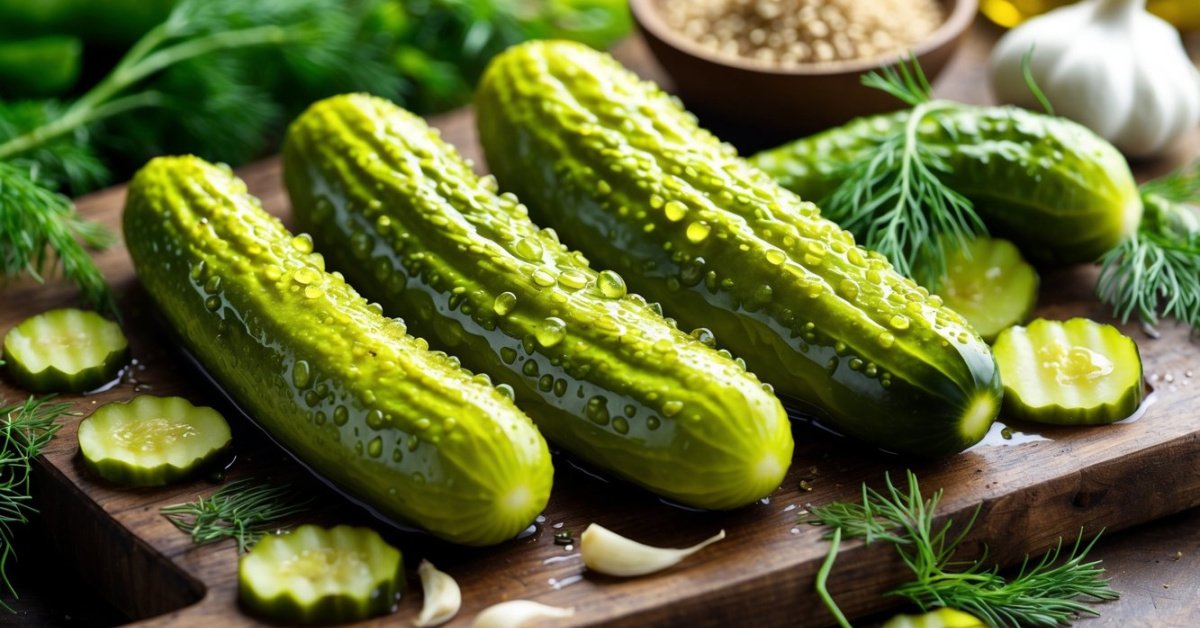
I’ve always loved finding new ways to use every part of my favorite foods and nothing surprises people quite like pickled watermelon rind. While most folks toss the rind without a second thought I see it as a hidden gem waiting to be transformed into something tangy and delicious.
Pickled watermelon rind brings together sweet and sour flavors in a way that’s both refreshing and nostalgic. It’s a treat that reminds me of summer picnics and family gatherings where nothing went to waste. If you’re curious about giving your watermelon a second life you’re in for a tasty adventure.
What Is Pickled Watermelon Rind: A Sweet-Sour Treat?
Pickled watermelon rind refers to the brined, sweet-sour preserve made from the firm white rind left after removing the pink watermelon flesh. I use this often-overlooked part of the fruit to create a tangy, crisp pickle that absorbs flavors ranging from warm spices like cloves, cinnamon, and star anise, to sharp vinegar and bright citrus. Pickled watermelon rind delivers both a crunchy texture and a balanced glaze of sugar and acid.
Gardeners and home cooks save these rinds after slicing watermelons for salads or snacks. Instead of adding the rinds to compost, I trim away the green skin and steep the pale interior in a seasoned pickling brine. Jars of pickled watermelon rind keep for several months when processed and stored properly, anchoring my commitment to seasonal eating and waste reduction.
Most pickled watermelon rinds feature a clear appearance with translucent flesh, signaling a successful transformation in the brining process. I’ve found they add dimension to charcuterie boards, sandwiches, and even coleslaw. Generations of home preservers in the American South, Eastern Europe, and Asia consistently include watermelon rind pickles among traditional sweet-sour condiments.
The History and Tradition Behind Pickled Watermelon Rind
Early American cooks started pickling watermelon rind in the 19th century, relying on sugar, vinegar, and spices to preserve food without refrigeration. Family recipe books from the American South often list watermelon rind pickles as a signature summer project, especially when watermelons were abundant and resources needed stretching. I see this practice as a reflection of agricultural thrift and homegrown skill, where gardens and home preservation met out of necessity.
Communities in Eastern Europe and Central Asia also transform watermelon rind into sweet-sour preserves. For example, Russian and Georgian households add cinnamon, cloves, or ginger to create layered flavors. These cultures often serve pickled rind as a zesty starter or accompaniment to heavy meals, further minimizing waste from harvested melons.
Home canning traditions in the United States surged during World War I and II, with government pamphlets and local fairs encouraging citizens to preserve surplus produce, including melon rinds. My own approach echoes these wartime values—optimizing every piece of homegrown fruit and turning what many discard into a long-lasting, flavorful pickle.
Today, I teach pickling watermelon rind as a staple of sustainable gardening and kitchen creativity, honoring a global tradition of making the most of every harvest. Pickled rind remains both a nostalgic treat and a statement of resourcefulness, connecting modern kitchen practice with generations of self-reliant cooks.
How Pickled Watermelon Rind Is Made
Pickled watermelon rind starts with the firm, pale flesh found just beneath the watermelon skin. I turn this often-wasted part into a sweet-sour preserve by combining fresh ingredients, careful slicing, and a time-tested pickling brine.
Ingredients and Preparation
I select ripe watermelons and save their white rinds after removing every bit of pink flesh. I cut away the green outer skin, then slice the rind into strips or cubes, typically 1/2-inch thick—these shapes absorb brine evenly.
I gather the following ingredients for every 2 cups of prepared rind:
- 1 cup granulated sugar
- 1 cup apple cider vinegar
- 1 cup water
- 1 tablespoon pickling salt
- 1 cinnamon stick
- 8 whole cloves
- 1 teaspoon whole allspice berries
- 1 thin strip lemon peel
I steam or simmer the rind in water for 10-15 minutes to tenderize it. This step keeps the final pickle crisp yet cooked through, important for texture.
The Pickling Process
I simmer sugar, vinegar, water, salt, and spices together to make the brine. I add tender watermelon rind and lemon peel, then stir so every piece absorbs the sweet-sour flavor and aromatic spices.
I pour the hot mixture into sterilized jars, leaving about 1/2-inch space at the top. I use a boiling-water canner for 10-15 minutes based on jar size, ensuring safe preservation.
I let the jars cool completely, then store them in a cool, dark spot for at least 1 week before tasting. Longer storage amplifies flavor, and I find that pickled rind lasts several months unopened. My pickled watermelon rind delivers a unique blend of tartness and spice, reflecting my approach to creative, waste-free pickling.
Taste, Texture, and Serving Suggestions
Pickled watermelon rind delivers a sweet-sour punch and crisp bite that stands out from other pickles. I find its adaptability makes it a staple for creative pickling and seasonal preserving.
Flavor Profile
Pickled watermelon rind lends a unique blend of sweet, tangy, and subtly spiced notes. Rinds absorb sugar and vinegar, creating a flavor with upfront fruitiness and gentle tartness. I often add cinnamon stick, clove, or fresh ginger to give depth—resulting in a bright, aromatic pickle with a hint of warmth. The texture stays crisp yet slightly tender, holding shape even after brining for weeks. When compared to cucumber pickles or bread-and-butter chips, these rinds offer more chew, a firmer crunch, and complex spice.
Creative Ways to Enjoy Pickled Watermelon Rind
Charcuterie boards benefit from the pop of color and acidity pickled watermelon rind brings, especially beside cured meats, mild cheeses, and stone-ground mustard. Sandwiches—like pulled pork, fried chicken, or sharp cheddar—gain extra crunch and tang when I tuck a few slices inside. I dice these pickles into summer slaws, adding both visual appeal and a refreshing bite. Chopped rind works in salads with arugula and feta or tossed with roasted root vegetables. I even spoon diced rinds over grilled fish or savory grain bowls for a fruity, tart contrast. In my canning classes, I always suggest using leftover brine in homemade vinaigrettes or as a marinade for quick-pickled onions.
Health Benefits and Nutritional Value
Pickled watermelon rind combines nutrient density with the distinctive flavors of pickling. Each serving delivers hydration, modest calories, and notable micronutrients from the original fruit. My experience shows that by preserving the rind through brining, I retain much of its vitamin C, vitamin B6, and potassium—elements typically lost when discarding the peel.
Nutrient Composition Table
| Nutrient | Approximate Value* per 100g | Example Function |
|---|---|---|
| Calories | 35 kcal | Light snack |
| Carbohydrates | 8 g | Quick energy |
| Dietary Fiber | 1 g | Digestive support |
| Vitamin C | 6 mg (7% DV) | Immune function |
| Potassium | 110 mg (2% DV) | Fluid balance, nerve health |
| Sodium | 200–300 mg (from brine) | Electrolyte balance |
*Values vary by recipe and brining method.
Richness in Antioxidants and Electrolytes
Pickled watermelon rind retains antioxidants, such as lycopene and phenolic compounds, present in the watermelon. These components assist in reducing oxidative stress, especially if my brine includes spices like cinnamon and clove, which further contribute beneficial plant compounds.
Digestive and Hydration Benefits
Each bite supplies water and natural electrolytes, which support hydration, particularly in summertime spreads. The brine facilitates the intake of probiotics if I use a natural fermentation process instead of vinegar, adding to gut health. Though most traditional pickled rinds rely on vinegar-based preservation, experimentation with wild fermentation is possible for those interested.
Low-Calorie, High-Flavor Snacking
Pickled watermelon rind offers a low-calorie option for those interested in mindful snacking. The combination of modest carbohydrates, fiber, and tart flavor creates a satisfying yet guilt-free addition to cheese boards or sandwiches.
Less Food Waste, More Nutrients
Utilizing watermelon rind addresses food waste and preserves micronutrients. Instead of composting, transforming rinds this way maximizes the harvest, aligns with sustainable gardening practices, and ensures the garden’s nutrients stay available on my table.
Allergy and Dietary Notes
People with sodium-sensitive diets need to check the salt content, as brined pickles absorb notable sodium. For most, moderate servings offer health benefits consistent with plant-based, minimally processed foods.
Pickled watermelon rind brings the flavors and wellness benefits of both garden-fresh produce and time-honored preservation straight into daily meals.
Where to Buy or How to Make Your Own
Local shops and specialty stores often carry pickled watermelon rind. I find independent grocers, Southern markets, and Asian supermarkets typically stock jars from regional producers. Online retailers like Amazon, Etsy, and Goldbelly list both small-batch and commercial brands, letting you sample versions with distinct spice blends or organic ingredients.
Farmers’ markets sometimes offer homemade-style pickled watermelon rind, especially in summer or early fall. I recommend asking producers directly about their pickling process, since many use family recipes with unique twists.
Home kitchens easily produce superior results when I pickle watermelon rind myself. I start by choosing thick-skinned, seedless watermelons from my garden or a local farmer, checking for a broad, pale layer between the pink flesh and green exterior. After peeling the tough green skin, I slice the rind into manageable pieces, soak them in salted water for several hours, then simmer with a brine of apple cider vinegar, sugar, water, pickling salt, and warm spices like cinnamon, clove, and ginger.
For maximum crunch, I always simmer just until the rind turns translucent, then immediately transfer to sterilized jars. A quick hot-water bath seals in freshness, letting the flavors develop over at least a week. I often experiment by adding citrus peel, fresh chilies, or star anise for extra dimension.
Batch sizes scale easily, so I make a single jar for quick refrigerator pickles or dozens for a year’s supply. Homemade pickled watermelon rind lets me control sugar, salt, and spice levels—perfect for those tailoring recipes to dietary preferences. Gardening, pickling, and preserving every bit of a watermelon connects me to self-sustaining traditions that turn everyday harvests into memorable, sweet-sour treats.
Conclusion
Pickled watermelon rind has become one of my favorite ways to bring a little creativity and resourcefulness into my kitchen. I love how something so often tossed aside can be transformed into a bright and flavorful treat that surprises everyone who tries it.
If you’re looking for a new kitchen project or want to add a unique twist to your meals pickled watermelon rind is a sweet-sour gem worth exploring. It’s a simple step toward reducing waste and discovering delicious possibilities right in your own home.