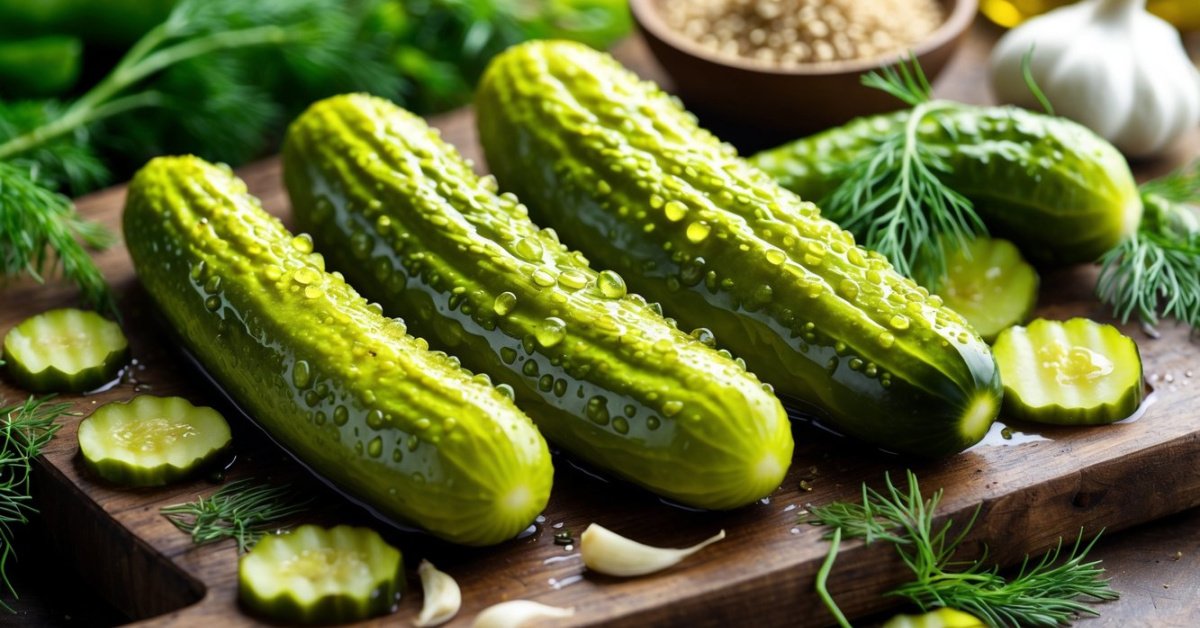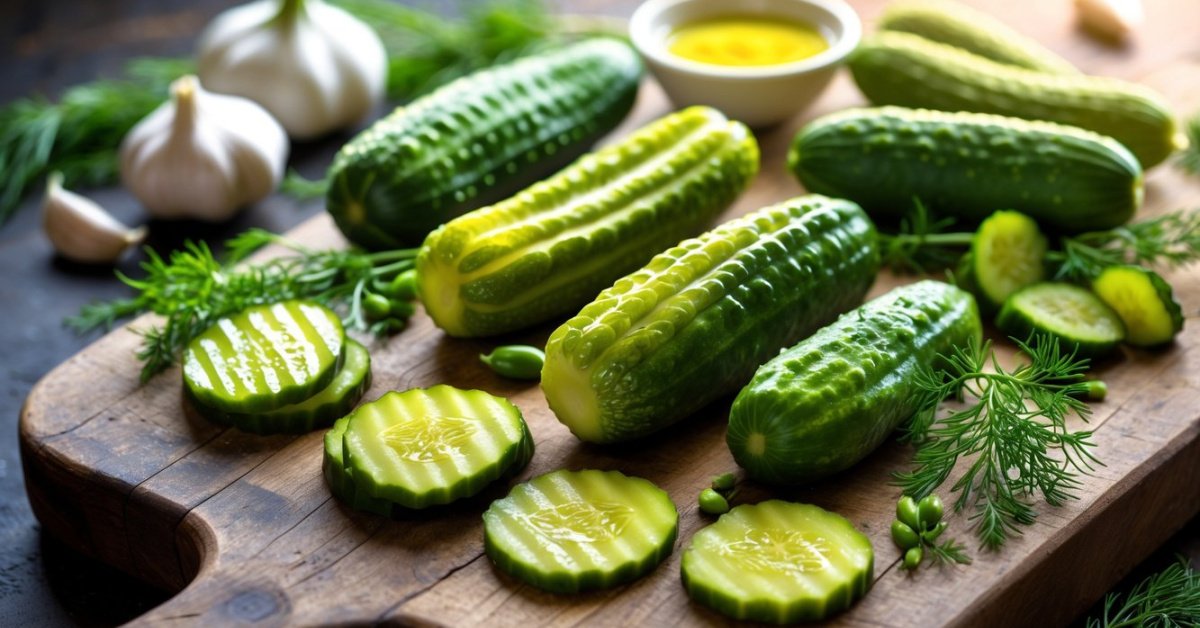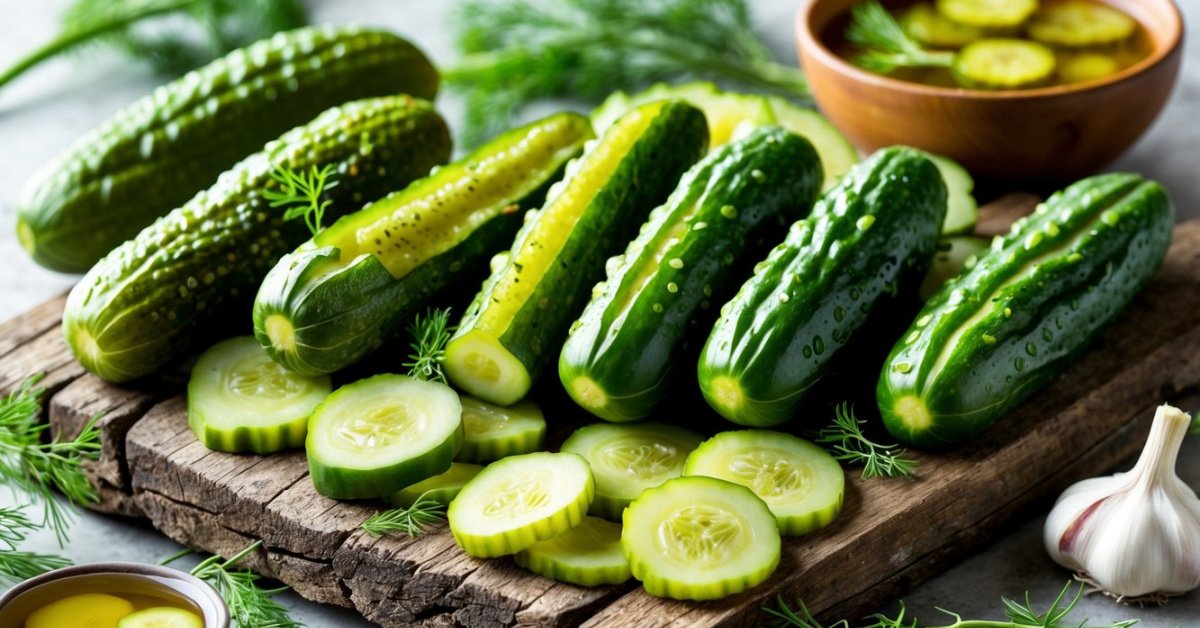
I’ve always loved the tangy crunch of pickles, whether they’re topping my sandwich or served as a quick snack. But I used to wonder if my pickle habit fit into a balanced diet. With their bold flavor, it’s easy to reach for more than just one or two.
It turns out that pickles can be a tasty addition to meals when I pay attention to portions. Finding the right balance lets me enjoy that signature zing without overdoing it. Let’s take a closer look at how pickles fit into a healthy routine and how much is just right.
The Role of Pickles in a Balanced Diet
Pickles add vibrant flavor and crunch to meals, and I find they easily fit into a balanced diet with thoughtful portions. Pickles provide a low-calorie snack, with dill varieties, such as cucumber or okra pickles, containing around 4–8 calories per spear (USDA). This makes them a satisfying option for boosting vegetable intake.
Pickled vegetables contribute beneficial micronutrients. Fermented pickles deliver probiotics, which support gut health, when salt content remains moderate and processing avoids high heat. I see benefits in regular inclusion of lacto-fermented pickles, which commonly contain live cultures, such as sauerkraut or kimchi.
Sodium levels in pickles often rise above 300 mg per serving (1 spear or 28 grams), according to the USDA. I choose homemade pickling recipes when controlling sodium is a priority, reducing salt during brining and exploring herbs for extra taste. This method gives me flexibility to adjust flavor and nutrition, aligning pickles with healthy eating goals.
I pair pickles with protein, whole grains, and fresh vegetables for nutrient balance in meals. Specific options include adding sliced pickles to a grain bowl, serving pickled carrots alongside roasted chicken, or including fermented beans in a salad mix. Careful selection and pairing help pickles complement, not overpower, the nutritional profile of the meal.
Nutritional Benefits and Drawbacks of Pickles
Pickles bring a punch of flavor and texture while providing unique nutrients. I often consider both their benefits and potential drawbacks when using them in my daily meals.
Key Nutrients Found in Pickles
Pickles deliver essential micronutrients that come directly from fresh produce and pickling brine. Cucumber pickles provide small amounts of vitamin K, which supports bone health. Pickled okra and green beans bring trace amounts of fiber and vitamin C. Fermented options like kimchi or sauerkraut contribute probiotic bacteria—Lactobacillus stands out as a frequent strain—that can improve gut microbiome diversity. Minerals such as calcium and potassium show up in pickles prepared with hard water brine or mineral-rich vinegars. I choose fresh, garden-grown vegetables to ensure the highest nutrient density before pickling.
Common Concerns: Sodium and Sugar Content
Most store-bought pickles pack significant sodium—often 250–900 mg per 1-oz spear [USDA FoodData Central]. This high sodium content helps preserve crispness but raises blood pressure risk for sodium-sensitive people. Sweet pickles and bread-and-butter styles carry 4–6 grams of sugar per spear. When I make pickles at home, I typically limit added salt and sugar, using herbs, garlic, or hot peppers for flavor. Small portions let me enjoy pickles’ taste and crunch without exceeding sodium or sugar recommendations. For long-term dietary balance, I always compare nutrition labels and prioritize brines with minimal sugars and salts.
How Much Pickle Is Too Much? Understanding Portion Sizes
Pickles add a sharp bite to meals, but moderation keeps them from overpowering a balanced diet. I balance flavor and health by watching portions, especially when sodium content runs high in certain varieties.
Recommended Serving Sizes for Different Types of Pickles
Serving sizes vary by pickle type and preparation method.
- Dill cucumber pickles: I stick to 1 medium spear (about 35 grams) per meal for store-bought varieties due to higher sodium.
- Fermented pickled vegetables: I enjoy 1-2 ounces (about 30-60 grams) since homemade versions often carry less salt and deliver probiotic benefits. Examples include fermented carrots or cauliflower.
- Bread-and-butter pickles: I limit these sweet pickles to 2-3 thin slices since added sugar increases total carbohydrates.
- Pickled peppers or okra: I include 2-3 whole pieces as a garnish or side for salads or grains.
| Pickle Type | Typical Portion | Sodium (mg) per Serving | Sugar (g) per Serving |
|---|---|---|---|
| Dill Cucumber Spear | 1 spear (35g) | 280-350 | <1 |
| Fermented Vegetables | 1 oz (28g) | 150-200 | <1 |
| Bread-and-Butter Slices | 2-3 slices | 200-300 | 4-7 |
| Pickled Peppers/Okra | 2-3 pieces | 150-220 | <1 |
Strategies to Enjoy Pickles Without Overdoing It
Portion control helps me enjoy pickles daily while staying within a balanced diet.
- Pairing pickles: I serve them with meals instead of eating them solo, pairing a spear with proteins, whole grains, or fresh garden vegetables.
- Reading labels: I compare sodium and sugar content between brands, opting for those with 230 mg sodium or less per serving.
- Homemade recipes: I control ingredients at home by reducing salt and sugar, using fresh herbs and spices for extra flavor.
- Diversifying pickled options: I rotate between types, like pickled radishes, cucumbers, and green beans, to moderate intake of any single variety.
- Using as garnish: I top sandwiches or salads with a small amount, rather than eating pickles as a major snack.
With careful serving sizes and smart swaps, I keep pickles on my table—bright, crunchy, and in harmony with my self-sustaining lifestyle.
Tips for Incorporating Pickles into Your Meals
I use pickles to boost flavor and add texture while keeping portions thoughtful. Balanced meals that include pickles satisfy my love of bold taste without overwhelming dishes or my daily sodium intake.
Pairing Pickles with Other Healthy Foods
I pair pickles with protein sources to balance salt and provide lasting energy. For example, I enjoy sliced dill cucumber pickles alongside grilled chicken or lentil salads. I add pickled okra to whole grain bowls or use a few pickled beets with roasted vegetables. I toss chopped pickles into tuna salad or grain-based veggie burgers for flavor without extra condiments. Integrating pickles with leafy greens, quinoa, or eggs lets me enjoy their crunch and brightness while staying mindful of my portions. I keep typical servings to 1 medium spear or 1-2 ounces, using them as an accent, not the main ingredient.
Homemade vs. Store-Bought: What to Consider
I prefer homemade pickles because I control salt, sugar, and added preservatives. I use homegrown cucumbers and carrots to reduce food miles, choosing low-sodium brines and fresh herbs. When I buy pickles, I always check nutrition labels—looking for less than 300 mg sodium per serving and minimal added sugar. I compare ingredients, avoiding artificial dyes or preservatives. Fermented pickles offer probiotics, but store-bought versions often sterilize away beneficial bacteria. I store homemade jars in the refrigerator and eat them within one month to enjoy peak flavor and quality. Commercial pickles last longer, but I use them sparingly, always making sure they fit within my balanced meal plan.
Conclusion
Finding that sweet spot with pickles lets me enjoy their bold taste without tipping the balance of my meals. With a little mindfulness and a focus on portion size I get to savor their crunch and flavor while still feeling good about my choices.
Pickles can absolutely have a place in a balanced diet when I pay attention to how much and what kind I’m eating. It’s all about making them a bright accent on my plate rather than the main event.