Every time I wander through a bustling food festival I’m amazed by the creative ways pickles steal the spotlight. These tangy treats aren’t just a side dish anymore—they’re the stars of bold new recipes and playful food mashups that keep crowds coming back for more.
I love how pickles bring a burst of flavor to everything from gourmet burgers to unexpected desserts. It’s exciting to see chefs and food lovers celebrate pickles in ways I never imagined. There’s something about that perfect balance of sour and salty that makes every bite an adventure.
The Rise Of Pickles In Modern Food Festivals
Pickles draw bigger crowds at modern food festivals than ever before. Vendors showcase pickle flights with cucumber, carrot, and okra varieties. Chefs use both quick and fermented pickles as garnishes on specialty hot dogs, loaded fries, and Nashville-style chicken sandwiches. Attendees line up for pickle-brined fried chicken, kimchi tacos, and even pickle-infused lemonade.
Dishes feature locally grown, small-batch pickles as a selling point. I see event menus highlight fermentation methods and family recipes, aiming for transparency and flavor depth. Limited-edition flavors—like dill and habanero, curry-spiced beets, and herb-packed giardiniera—spark discussion among food lovers and pickling enthusiasts.
Festival workshops and demos expand knowledge with live pickling sessions. Presenters teach small-scale home pickling using garden produce, seasonal herbs, and classic canning techniques. Festivalgoers share tips on getting the perfect crunch or infusing new flavors, strengthening the sense of self-sufficiency and community around pickled foods.
Popular Pickle Varieties Showcased
Food festivals spotlight a wide array of pickles, featuring traditions from around the world and celebrating local craftsmanship. I often see attention gravitate toward crowd favorites and adventurous new flavors that inspire even seasoned picklers like me.
Classic Cucumber Dill Pickles
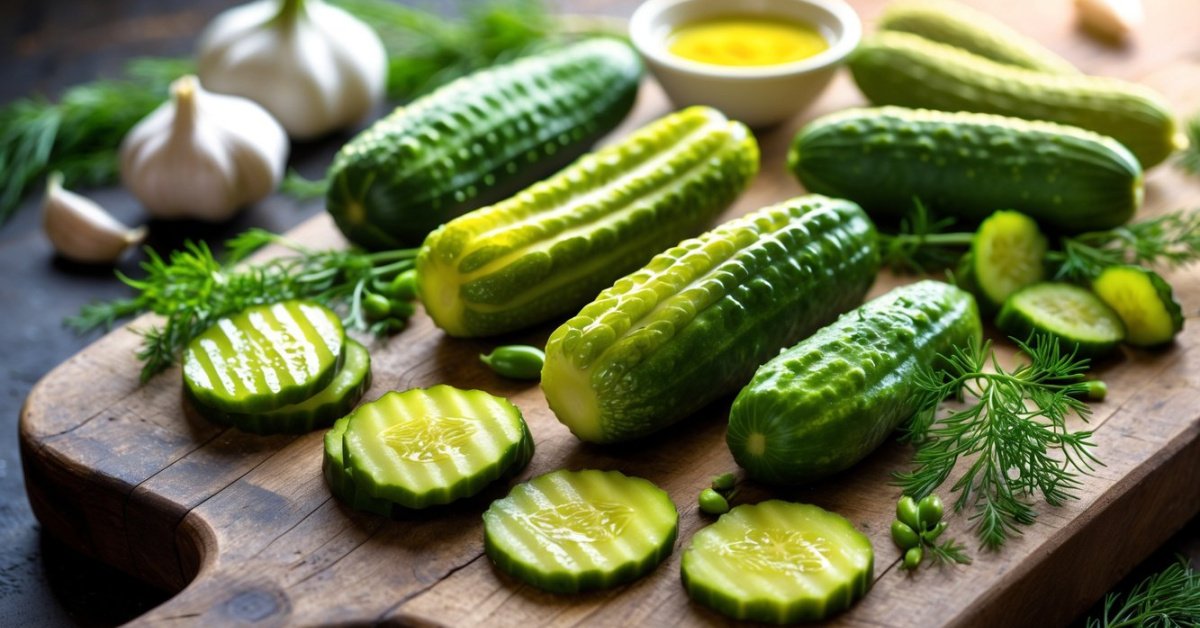
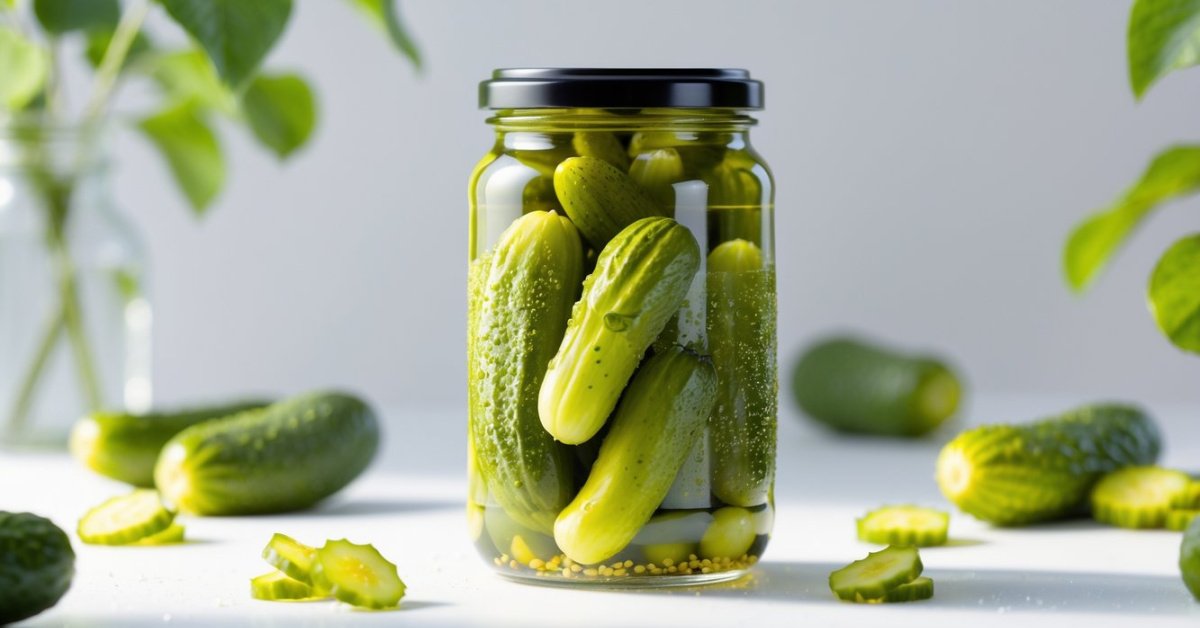
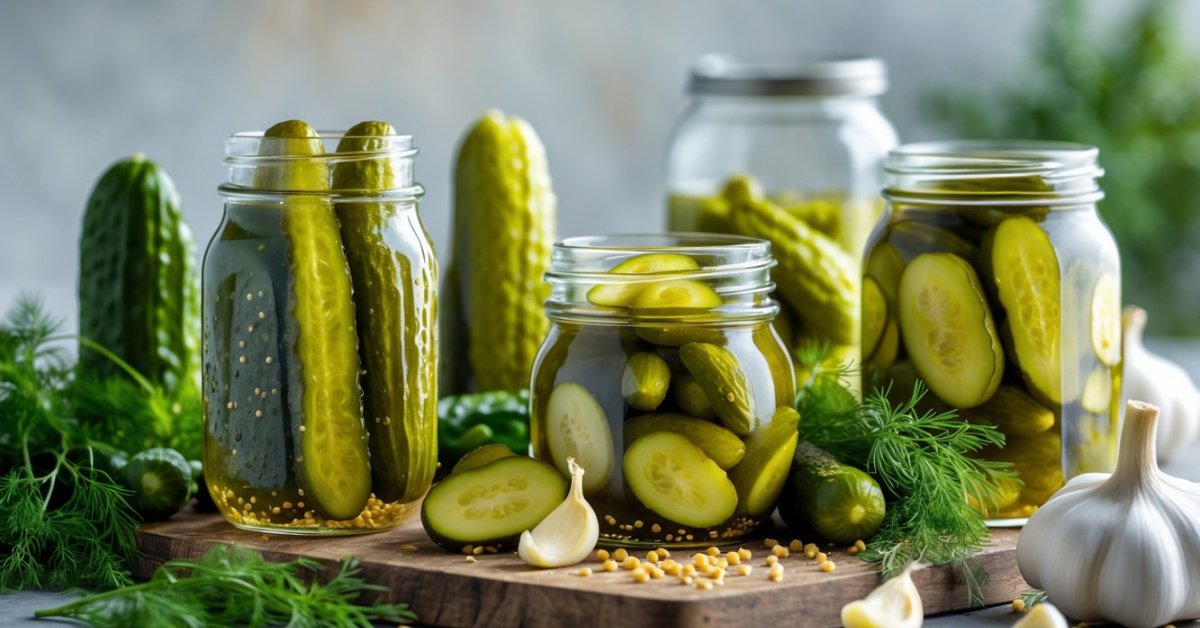
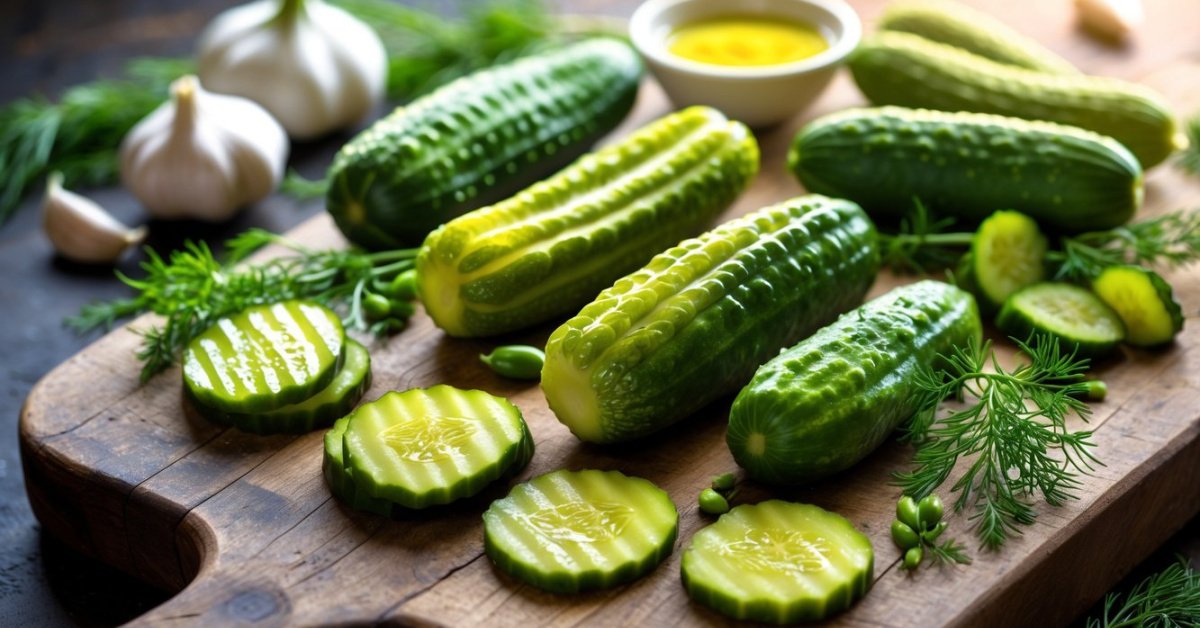
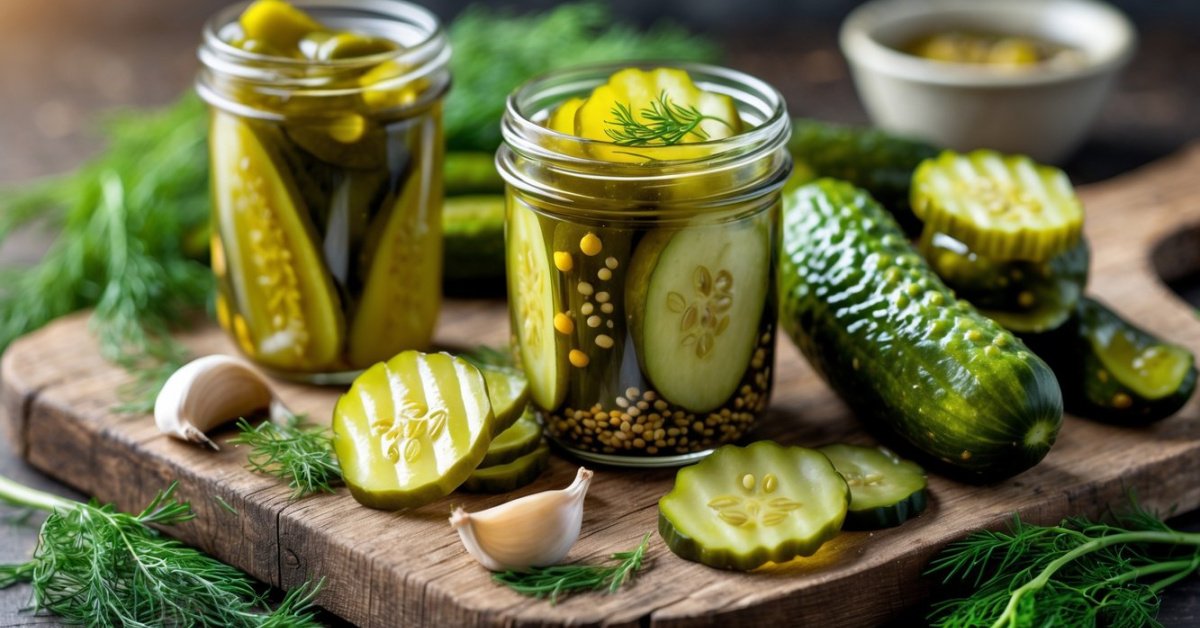
Classic cucumber dill pickles consistently draw the biggest crowds at food events. I find that these pickles showcase brined cucumber spears and rounds with fresh dill, garlic, and black peppercorns. My conversations with local producers reveal that cold fermentation, used by many, brings out bright, crisp flavors. Slices top burgers and sandwiches, while whole cucumbers often appear in tasting flights or paired with regional cheeses.
International Pickled Delicacies
International pickled delicacies always introduce vibrant global flare at festivals. I observe vendors serving kimchi from Korea, packed with Napa cabbage, chili, and ginger, as well as giardiniera from Italy, combining cauliflower, carrots, and peppers in an herbed brine. Japanese takuan, a yellow pickled daikon, appears alongside bento boxes and rice bowls. Indian achar, made from mango or lime, uses mustard oil and aromatic spices. These examples give attendees a sensory journey across continents, highlighting both fermenting cultures and regional home pickling traditions.
Innovative Pickle Creations And Pairings
Creative pickle creations at food festivals drive excitement, bringing together my passions for fermentation, bold flavors, and local harvests. I always notice how inventive chefs transform pickles into main attractions that surprise and delight festival crowds.
Pickle-Inspired Dishes And Beverages
Dishes and beverages inspired by pickles often become festival highlights. I’ve seen pickled watermelon rinds topping smoked brisket sliders, kimchi layered in bao buns, and sweet-spicy bread-and-butter pickles folded into mac and cheese. Pickle juice finds new life in brines for fried chicken sandwiches and onion rings. Beverage stands offer pickle-infused beer, tangy Micheladas, and lemonade stirred with briny habanero pickle juice for a sharp kick. These pickle applications enhance umami and brightness, expanding beyond traditional uses.
Unique Pickle Tasting Experiences
Tasting experiences focused on pickles encourage deeper exploration. I see festival tables arranged with flights of quick-pickled cauliflower, fermented daikon, and smoked jalapeños—each labeled by brine type and seasoning. Some events incorporate cheese boards where tangy pickled onions cut through creamy triple-cream brie. Others host guided flavor pairings, presenting crunchy dill spears with fried fish, or pairing sharp bread-and-butter chips with spicy pulled pork. I enjoy sharing how seasonings—mustard seeds, turmeric, chili flakes—shape each pickle’s flavor profile, illustrating the diversity and creativity possible in modern pickling.
Impact On Festival Culture And Audience Appeal
Pickles shape festival culture with bold flavors, interactive experiences, and social moments that attract crowds and foster lasting enthusiasm. I see pickled foods energize event spaces, boosting engagement and sparking conversations among diverse audiences.
Social Media Buzz And Trends
Social platforms document real-time trends at food festivals where pickles take center stage. I spot #picklefest, #fermentationfun, and #brineandshine trending during peak festival dates, with thousands sharing vibrant images of pickle flights, creative pickle-topped eats, and limited-edition flavors like curry beets or spicy dill. Viral short videos capture attendees tasting pickle lemonade or enjoying pickle-eating contests, helping vendors generate buzz and boosting attendance the next day. Viewers pin recipes for home pickles, leading to more community pickling and broader interest beyond the festival crowd. In my experience, the visual appeal of colorful jars and interactive food moments fuels social sharing, positioning pickles at the heart of digital festival culture.
Engaging Festival Activities Featuring Pickles
Festival activities immerse visitors in hands-on pickling and flavorful tasting experiences. I see attendees eagerly lining up for pickle making demos, quick-brining workshops, and home fermentation sessions—these programs consistently sell out. Festival-goers compete in pickle-themed games like “Quick Pickle Throwdown” or blind taste tests comparing spicy, sweet, and sour profiles; these competitions encourage friendly rivalry and introduce lesser-known vegetables, such as kohlrabi or watermelon rind. Guided flights let guests sample pickles made with hyperlocal ingredients straight from growers I know, highlighting sustainable gardening and supporting small producers. I also watch families gather at DIY pickling stations, layering their own jars with fresh vegetables, herbs, and house crafted vinegars, cultivating a spirit of food self-sufficiency and curiosity that carries beyond festival gates.
Challenges And Opportunities For Vendors
Managing supply chain logistics presents challenges for pickle vendors at food festivals. I see constraints when sourcing locally grown vegetables like cucumbers, okra, and carrots, as harvest cycles and unpredictable yields directly influence inventory. Maintaining freshness for small-batch and fermented pickles demands tight temperature control, especially at outdoor venues during peak summer.
Standing out in a crowded marketplace pushes me to innovate with flavor, texture, and preservation techniques. Limited-edition varieties—curry beets, dill habanero, smoky garlic—create excitement but increase production complexity. Balancing traditional recipes with experimental blends lets me connect with both purist pickle lovers and adventurous eaters.
Complying with strict food safety standards shapes the way I present samples and educate customers. Health departments require consistent labeling, proper refrigeration, and thorough batch tracking, so I invest in portable cold storage and transparent signage.
Sharing my passion for pickling generates unique opportunities. I find that hands-on workshops, where visitors learn fermentation basics, boost my brand loyalty and spark sales of take-home pickling kits. Pickle tasting flights, pairing demos, and behind-the-scenes fermentation tours help me engage curious eaters while celebrating the diversity of global pickling traditions.
Leveraging social media allows quick adaptation to festival trends and audience interests, as visually striking pickled vegetables—vivid purple cauliflower, neon pink radishes—encourage attendee engagement and online sharing. Collaborating with local growers and chefs adds authenticity to my offerings, grounding the experience in the spirit of community and sustainability.
Conclusion
Watching pickles take center stage at food festivals always puts a smile on my face. There’s something special about seeing people light up when they discover a new flavor or try a creative dish they never expected.
I love how pickles bring together food lovers from all walks of life and spark conversations that carry beyond the festival grounds. As these tangy treats continue to inspire chefs and home cooks alike I can’t wait to see what bold and unexpected pickle creations pop up next.