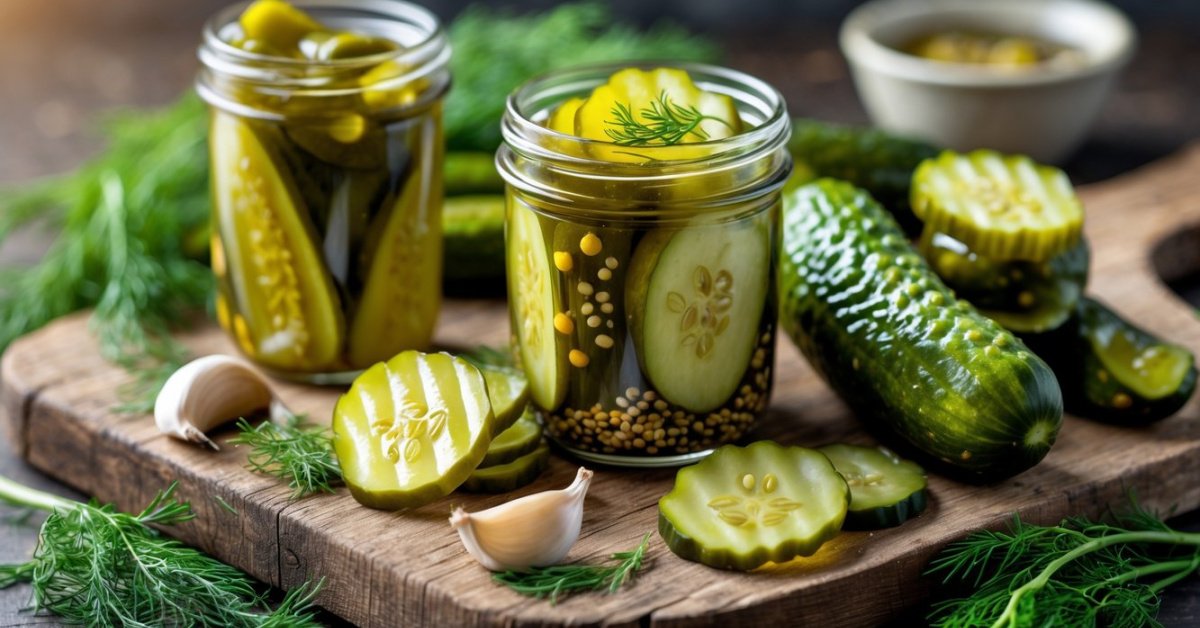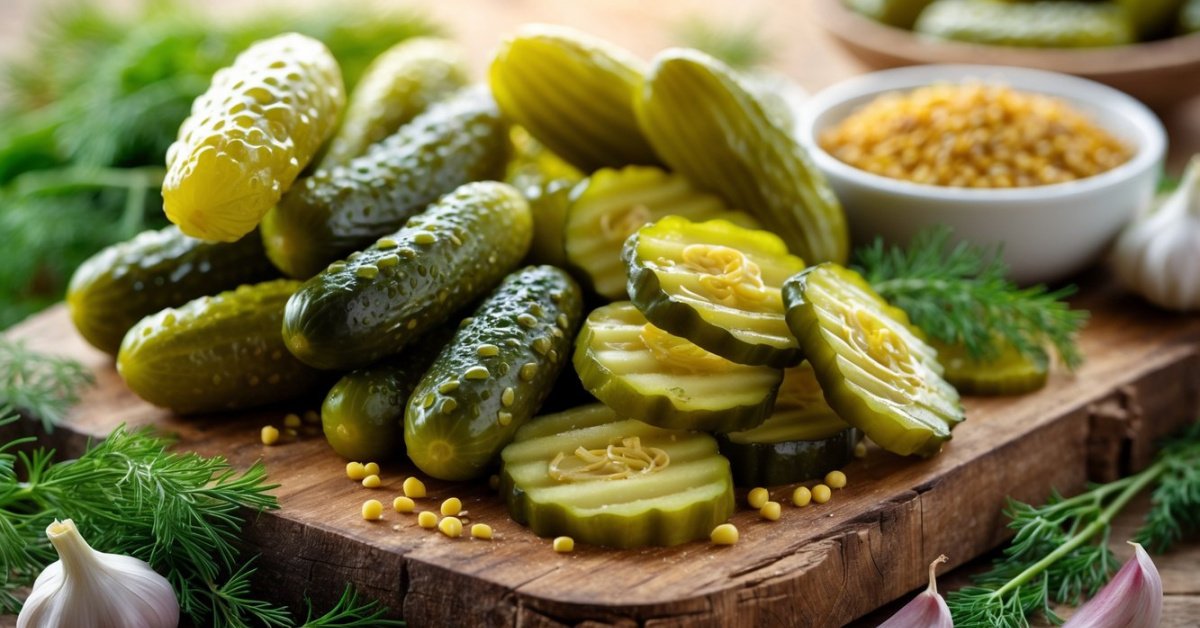
Whenever I bite into a crunchy pickle I can’t help but wonder about its journey through time. There’s something magical about how simple ingredients like salt and vinegar can transform vegetables into tangy treats that last for months. Pickling isn’t just about preserving food—it’s a tradition that’s woven into the fabric of cultures all around the world.
I’ve always been fascinated by how this ancient art connects us to the past. From grandmothers’ secret recipes to bustling marketplaces filled with jars of colorful pickles the story of pickling is full of flavor and history. Let’s take a closer look at where this timeless practice began and how it’s evolved into the pickled delights we love today.
The Beginnings of Pickling: Tracing Its Roots
Pickling anchors itself deeply in food history as one of the original ways to preserve garden harvests. When I walk among my rows of cucumbers or cabbages, I follow a tradition older than written language.
Early Methods and Civilizations
Earliest pickling records appear around 2400 BCE in Mesopotamia, where people submerged vegetables in brine for preservation (source: Food and Agriculture Organization). Pickling containers made of clay or stone cropped up in ancient Babylon and China, with both cultures using saltwater fermentation. Egyptian tomb murals from around 2030 BCE depict workers handling pickled foods, confirming its presence as a daily staple.
Indian pickling practices date to at least 4th century BCE, as described in texts like the Arthashastra, where salt, oil, and spices extend shelf life. Greek physicians, including Hippocrates, cited pickled vegetables for digestion and health around 400 BCE.
Cultural Significance in Ancient Societies
Ancient societies used pickling not just to store food but as a culinary art layered with meaning. Ancient Chinese banquets often served pickled ginger and garlic—signaling prosperity and health—while Roman soldiers carried pickled onions and cucumbers for nutrition during military campaigns.
Jewish, Korean, and Persian communities developed diverse pickle traditions, integrating them into holiday rituals and daily meals. Pickled foods in these cultures symbolized abundance, resilience, and community sharing—values I find reflected in my own kitchen when I prepare jars for friends and family.
Pickling Techniques Through the Ages
Pickling connects me to centuries of resourceful food preservation. Each culture’s method shapes the flavor, texture, and legacy of every pickle I enjoy.
Traditional Ingredients and Preservation Methods
Salt and brine form the foundation of ancient pickling, with records from Mesopotamia, Egypt, and China between 2400 BCE and 1000 BCE. I rely on natural sea salt and garden-fresh vegetables just as ancient picklers did. Vinegar, introduced much later in ancient Rome, transformed quick pickling for vegetables like cucumbers and onions, enhancing both flavor and shelf life. Spices—such as coriander in India, dill in Eastern Europe, and garlic across the Mediterranean—turn a basic brine into something distinctive for each region. Fermentation, central to kimchi in Korea or sauerkraut in Germany, relies on wild lactobacillus bacteria, creating tang and preserving harvests for winter. Sun pickling is another time-honored technique used in India and the Middle East, where I let jars sit in sunlight to develop complex flavors.
Tools and Vessels Used in History
Clay jars served as the backbone of pickling technology from Babylon to China, offering breathable storage that helped regulate fermentation. I’ve seen Roman amphorae used for olives, tall crocks in Poland for cabbage, and glazed jars in Iran for torshi; each vessel creates a unique microclimate inside. Amphorae’s tapered shapes simplified packing and pouring brined goods, while wooden barrels became widespread across Europe after the Middle Ages, aiding large-scale pickling. My home kitchen features modern glass jars with airlocks, but I’ve found that replicating old-world crock methods still produces the best pickles for flavor and crunch. These vessel choices show how tradition and practicality drive innovation in pickling practice.
Pickling Across Different Regions
Pickling traditions show remarkable diversity across the world. I see unique combinations of spices, preservation techniques, and cultural influences in each region, giving every pickle its own story.
Asia: Fermentation and Flavor
Asian pickling emphasizes fermentation and depth of flavor. I often use lacto-fermentation in my own kitchen—a method central to Korea’s kimchi, China’s suancai, and Japan’s tsukemono. These pickles rely on natural salt brine or rice bran and ferment in ceramic crocks to develop complex sour, spicy, and umami notes. Indian pickles, or achaar, use mustard oil, copious spices like fenugreek and turmeric, and sunlight aging. These methods prioritize preservation while layering bold, aromatic flavors.
The Middle East and Mediterranean Traditions
In the Middle East and Mediterranean, pickling connects meals and culture. When I make Persian torshi, I use vinegar, herbs, and vegetables layered in glass jars. Levantine pickles such as turnips dyed with beetroot, or Egyptian preserved lemons, feature spices like cumin and garlic plus abundant local citrus. Pickling traditions here draw on ancient brining techniques, balancing sharp acidity with fresh regional herbs and spices to create accompaniments for bread, cheese, and grilled meats.
European Innovations in Pickling
Europe revolutionized pickling with both brining and vinegaring. In my garden kitchen, I recreate Polish ogórki kiszone (fermented cucumbers) and German sauerkraut, both famous for their reliance on salt-brine fermentation and stoneware crocks. Eastern European countries adopted dill, garlic, and horseradish for spicing, while Western Europe popularized rapid vinegar-pickling, especially for gherkins and onions. Scandinavian countries introduced sweet-and-sour profiles, adding sugar and spices to pickled herring and root vegetables—a testament to innovation driven by shorter growing seasons and the need to extend harvests.
The Evolution of Pickling in Modern Times
Pickling today blends centuries-old wisdom with modern convenience, changing what fills my jars and how I share them. Shifts in technology and renewed interest in sustainable food shape my approach to this ancient craft.
Industrialization and Commercial Pickling
Commercial pickling expanded rapidly in the late 19th and early 20th centuries, with industrial techniques bringing pickles to grocery shelves across North America and Europe. Mass production uses stainless-steel tanks, mechanized sorting, and rapid brining, which allows companies like Vlasic and Heinz to process millions of cucumbers yearly. Preserved with vinegar, stabilizers, and preservatives, these pickles meet demands for uniformity, bright color, and long shelf life. Industrialization standardizes flavors, but it also streamlines away much of the nuance that defines homemade pickles. Unlike my garden-fresh batches, commercial jars often use flash pasteurization that sacrifices complex lactic tang for mass appeal.
The Revival of Artisan and Homemade Techniques
Rising concern for health, authenticity, and food security sparks renewed passion for home pickling. People crave unique flavors, use heirloom vegetables, and experiment with wild fermentation, drawing from local produce and family recipes. Farmers’ markets, community gardens, and online groups foster knowledge sharing, letting me teach new picklers techniques like small-batch lacto-fermentation or solar pickling. Modern mason jars, refrigerator pickling, and digital thermometers make safe, small-scale pickling accessible in home kitchens. This revival strengthens my connection to traditional preservation and supports my commitment to self-sustainability in food, flavor, and community.
The Enduring Legacy of Pickling
Pickling remains a living tradition, shaped by centuries of innovation and care. Through gardening and kitchen craft, I find pickling connects practical needs with flavor, nutrition, and community.
Health Benefits and Culinary Importance
Pickled foods provide health benefits that go beyond preservation. Natural fermentation—used in kimchi, sauerkraut, and other brined vegetables—produces probiotics, which support digestive health and gut balance (Harvard T.H. Chan School of Public Health). Vinegar-based pickles often carry fewer calories than processed snacks, while cucumber pickles, pickled onions, and turnips supply antioxidants, B vitamins, and vitamin K.
Pickling unlocks bold flavors, adding crispness and tang to vegetables at every meal. I use pickles as palate cleansers, garnishes, and condiments, enhancing dishes from simple sandwiches to complex ethnic stews. In my kitchen, the acidic balance of pickled beets or dilly beans brightens up anything from roasted meats to fresh salads.
Influence on Contemporary Cuisine
Today’s chefs and home cooks embrace pickling for its versatility and heritage. Modern restaurants often serve house-made pickles with gourmet burgers or as small-plate starters. Creative cooks have expanded pickling beyond cucumbers to watermelon rind, green tomatoes, and root vegetables, broadening the palate with globally inspired spice blends.
In my self-sustaining garden, harvest surpluses let me experiment with seasonal pickles, fostering a link between homegrown produce and year-round nutrition. Artisan picklers and small-batch producers share fermented hot sauces, kimchi, and kombucha at local markets, making traditional pickling more accessible. This movement keeps the ancient art alive, rooted in curiosity, shared learning, and a love for flavor.
Conclusion
Every time I open a jar of homemade pickles I feel like I’m reaching across centuries to share in a tradition that’s both practical and joyful. There’s something magical about turning fresh produce into something that can brighten meals and spark memories long after the harvest.
Pickling isn’t just about preservation—it’s about creativity and connection. I love how it invites me to experiment with new flavors while honoring the wisdom of those who came before. Whether I’m following a cherished family recipe or trying something new from a farmers’ market friend I know I’m adding my own chapter to this ancient story.