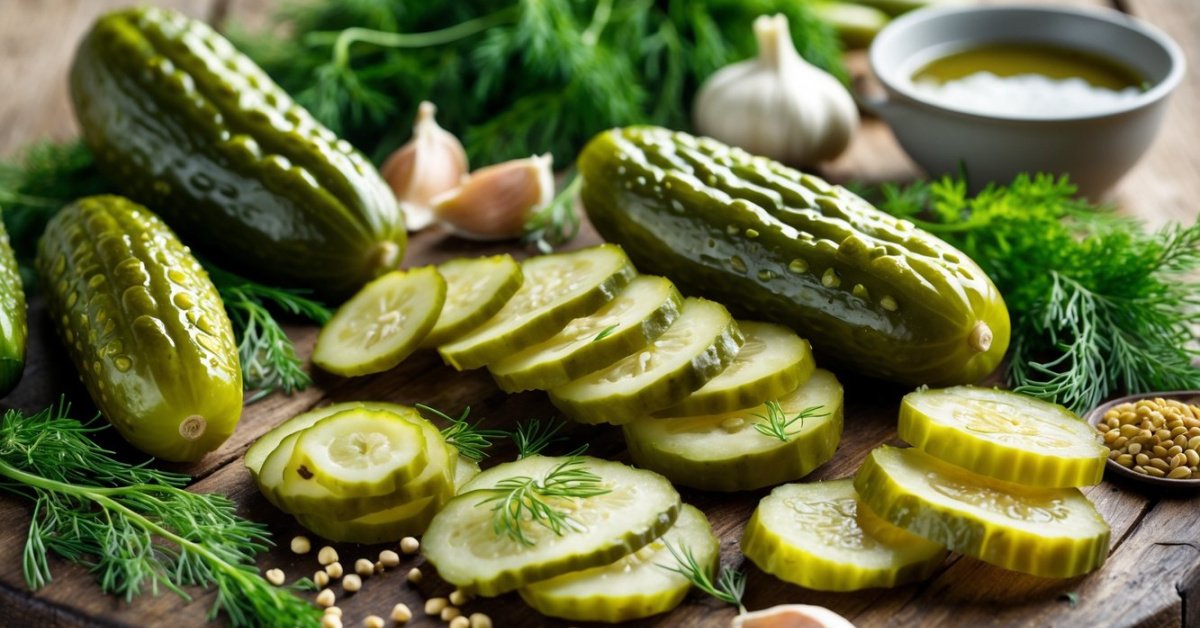
Whenever I walk down the pickle aisle at the grocery store I can’t help but notice the iconic jars of Vlasic and Claussen. These brands have been a staple in my kitchen for as long as I can remember and I know I’m not alone. There’s something about the crisp snap of a Claussen spear or the classic crunch of a Vlasic dill that brings back memories of family picnics and summer barbecues.
Both brands have carved out a special place in American food culture. Their stories are filled with innovation tradition and a bit of friendly rivalry. I find it fascinating how they’ve managed to stay relevant and beloved through changing tastes and trends. Let’s take a closer look at what makes Vlasic and Claussen so unforgettable.
The Rise of Vlasic and Claussen Brands
Vlasic entered the pickle market in 1942 by introducing glass-packed pickles, which improved shelf life and flavor compared to barrels and tins. I often see Vlasic’s mascot, the stork, used to signal crispness and reliability, helping the brand gain national reach by the 1970s. Grocery aisles stock Vlasic’s dill spears, bread and butter chips, and sweet gherkins, making them a familiar sight for home picklers like me looking for consistency.
Claussen launched in 1870, starting with refrigerated pickles that use a cold-pack method and keep cucumbers crisp. My pickling peers often prefer Claussen for its crunch, since heat pasteurization isn’t part of its process. Refrigerated sections in major supermarkets carry Claussen pickles, keeping the product close to its garden-fresh roots. Claussen’s commitment to cold packing aligns with my focus on freshness and texture, influencing how I adapt my pickling techniques.
Both Vlasic and Claussen transformed mass-market pickling for Americans. They did this by improving preservation methods, creating consistent flavors, and shaping the way home gardeners and pickling enthusiasts—like me—think about brining, refrigeration, and tradition.
Signature Products and Unique Qualities
Signature products from Vlasic and Claussen define key preferences and set industry benchmarks for crunch, taste, and preservation. I see clear differences in processing methods and product styles that appeal to everyone from casual snackers to serious picklers.
Vlasic’s Crunchy Classics
Vlasic’s signature products always emphasize crunch and shelf stability. Classic dill spears, stackers, and kosher dills—such as their Kosher Dill Spears and Bread & Butter Chips—stay crisp on the pantry shelf for up to two years. I find their proprietary brining process locks in flavor and uniform texture, making them ideal for sandwiches and party platters. That stork mascot signals consistency; every spear tastes the same, which appeals to home cooks seeking reliable products. Glass jar packaging, introduced in 1942, prevents off-flavors and preserves color and crunch, outlasting plastic alternatives. Vlasic’s focus on classic varieties—examples include zesty garlic spears and sandwich stackers—means I can reach for them when I need pickles with dependable crunch.
Claussen’s Fresh Cold-Pack Pickles
Claussen’s products showcase cold-pack freshness and crisp texture. Unlike shelf-stable pickles, Claussen’s refrigerated options—kosher dills, mini sandwich slices, and halves—maximize snap by skipping heat pasteurization. I find their cold-brining method, pioneered in 1870, keeps cucumbers firm, with vibrant flavors and natural garlic notes. Most pickling enthusiasts, myself included, cite Claussen’s deli-style crunch as a benchmark; these pickles often feature in taste tests for their unmatched texture and bold taste, ideal for charcuterie boards and artisanal sandwiches. Refrigeration keeps yeast and molds at bay, granting a fresher taste window of three to four months. When I want truly garden-fresh, never-cooked pickles, Claussen’s lineup always delivers that home-pickled quality.
Market Influence and Cultural Impact
Vlasic and Claussen brands influence how Americans think about store-bought and homemade pickles. I see their products and campaigns shaping the way I and other gardeners brine, fermented, and serve pickles at home.
Shaping American Pickle Preferences
Vlasic and Claussen define mass-market pickle expectations in the US. I find Vlasic’s shelf-stable spears and chips on nearly every grocery store shelf, setting the standard for firmness and salty-sour balance. Claussen’s refrigerated cold-pack pickles popularize fresh, crunchy textures I recognize from small-batch home pickling. Their successes push other brands to offer new flavors like spicy garlic and bread & butter, while home picklers like me replicate their iconic profiles in garden-grown cucumbers. Supermarket shoppers and DIY picklers both use Vlasic and Claussen as comparison points for flavor, acidity, and crunch.
Memorable Marketing Campaigns
Vlasic and Claussen run campaigns that linger in American food culture. Vlasic’s stork mascot, introduced in the 1970s, links pickles to family milestones—many home gardeners I know recall their first “Vlasic crunch” during childhood lunches or gatherings. Television ads broadcast scenes of backyard barbecues, reinforcing pickles as a cookout essential. Claussen’s campaigns emphasize “always chilled, never heated,” spotlighting fermentation and cold preservation—concepts I teach new picklers every season. Both brands reach millions with jingles, TV ads, and packaging that make pickles more than a condiment—these campaigns foster cravings, nostalgia, and consumer knowledge about brining and storage methods.
Competition, Innovation, and Adaptation
Pickle brands like Vlasic and Claussen keep their spots at the top by constantly evolving. I see the strongest changes in how they compete, react to new tastes, and reflect modern values in food.
Responding to Changing Consumer Tastes
Vlasic and Claussen shift recipes and packaging to match what shoppers look for every decade. I notice more low-sodium and no-sugar-added options from both brands in recent years, which answers the demand for health-conscious foods. Claussen adds extra varieties like spicy kosher dills, meeting the flavor preferences of heat-seekers who use pickles for snacks and sandwiches. Vlasic offers petite dills and stackers as examples of convenient shapes, attracting busy families and home cooks who value ease and versatility.
Embracing Modern Food Trends
Modern food trends affect how Vlasic and Claussen produce, market, and label pickles. Recipes often lean toward non-GMO, gluten-free, and preservative-free claims that echo the values I see among gardeners and DIY pickling fans. I spot more single-serve packs from both brands, designed for lunchboxes and on-the-go eating. Claussen’s marketing highlights their cold-pack process, stressing live cultures and “fresh-packed” appeal, which attracts probiotic-seeking consumers who care about gut health. Vlasic calls out bold flavors and crunchy textures in campaigns to draw a younger, trend-driven audience that enjoys culinary experimentation.
The Ongoing Legacy of Vlasic and Claussen
Vlasic and Claussen keep shaping American pickling for home gardeners and self-sustainable cooks like me. Vlasic’s innovations around brining and long shelf life inspire many to experiment with preservation at home. I see families still reaching for their recognizable jars at picnics and cookouts, reinforcing the central role of pickles in seasonal gatherings.
Claussen’s commitment to cold-packing informs my own methods for capturing harvest freshness. Their process—packing cukes straight from the garden and chilling instead of heat-pasteurizing—gives every batch the kind of crunch and brightness I aim for when I fill crocks in summer. Many modern home picklers strive for that Claussen-style texture by using refrigeration and adjusting brines, a direct influence of the brand’s signature practice.
Both brands create new trends that ripple through farmers markets and backyard plots. Vlasic’s expansion into hot and spicy flavors, low-sodium options, and easy snack packs addresses emerging dietary interests and on-the-go lifestyles. Claussen’s continued focus on clean labels and fresh ingredients ties directly into larger movements for unprocessed foods and personal food security.
I’ve watched younger generations discover classic dill spears and start their own pickling with heirloom cucumbers, often referencing Vlasic or Claussen as their entry point. These brands serve as benchmarks for acidity, aroma, and crunch—qualities beginner and expert picklers seek in every batch. Their continuing evolution drives both curiosity and nostalgia, making every jar in my pantry a link to a broader pickling tradition.
Conclusion
Reflecting on Vlasic and Claussen always takes me back to the simple joy of opening a jar and sharing a crunchy bite with friends or family. Their commitment to quality and flavor keeps them at the center of so many memories and meals.
As new trends and tastes emerge I love seeing how these brands keep inspiring both nostalgia and creativity in the kitchen. Whether I’m reaching for a classic spear or trying out a new variety I know I’m part of a tradition that continues to evolve and delight.