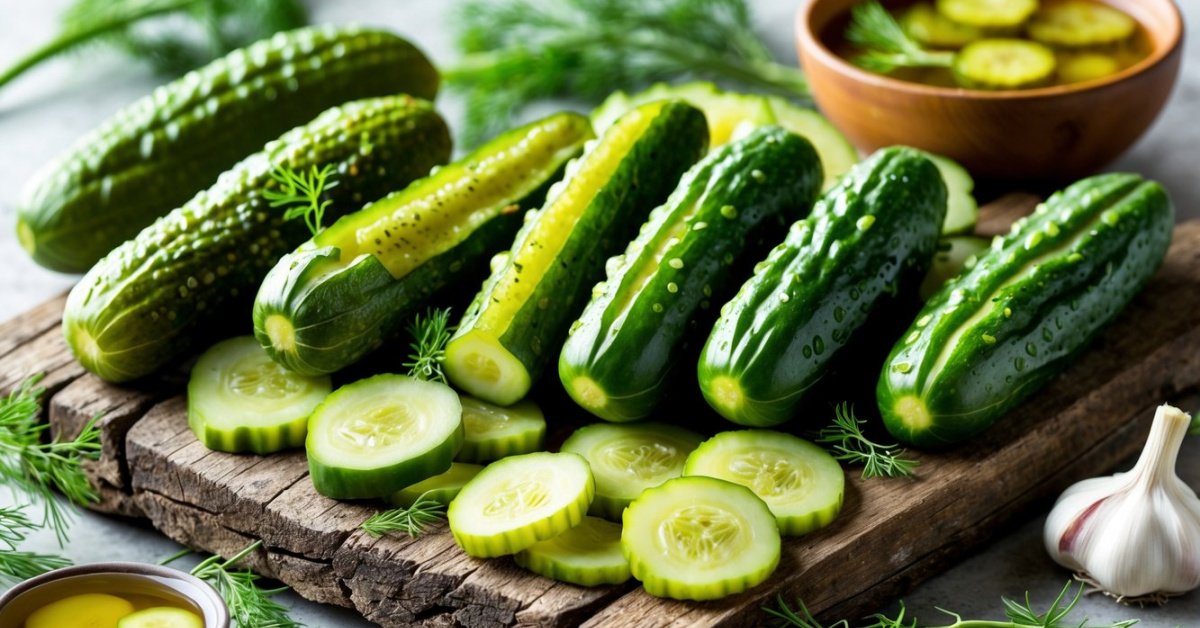
Whenever I reach for a crunchy pickle, I’m not just satisfying a craving—I’m giving my immune system a little boost too. Pickles have been enjoyed for centuries, but I’ve recently discovered there’s more to them than just their tangy flavor and satisfying snap.
I love how something as simple as a jar of pickles can offer benefits beyond taste. From the way they’re made to the nutrients they pack inside, pickles can play a surprising role in keeping me feeling my best. Let’s take a closer look at how these zesty snacks might help support immune health.
Understanding the Immune System and Gut Health
My experience with pickling shows the immune system and gut health work together for overall well-being. The gut, lined with nearly 70% of the body’s immune cells according to John Hopkins Medicine, acts as the first line of defense against pathogens. The microbiome, made up of billions of beneficial bacteria strains like Lactobacillus and Bifidobacterium, helps regulate immune responses and supports nutrient absorption.
Balanced gut bacteria keep the intestinal barrier strong. A robust barrier reduces inflammation and stops harmful microbes from entering the bloodstream. Fermented foods, including naturally pickled vegetables like cucumbers and cabbage, introduce probiotics that crowd out harmful bacteria and support this balance.
Studies from the Harvard T.H. Chan School of Public Health link diverse gut bacteria with fewer autoimmune issues and better pathogen defense. I’ve noticed that people who eat pickled foods regularly, like kimchi, sauerkraut, and brined cucumbers, often report fewer colds and improved digestion.
Supporting the microbiome with pickled vegetables connects my passions for gardening and fermentation with science-backed immune benefits. Using fresh, homegrown vegetables in pickling preserves both nutrients and those critical probiotics that help the gut and immune system thrive.
The Fermentation Process in Pickles
Fermentation transforms fresh vegetables into pickles with unique flavors, crispness, and enhanced health benefits. I follow traditional fermentation methods to promote beneficial microbes that support immune health.
Beneficial Bacteria and Probiotics
Fermented pickles develop beneficial bacteria such as Lactobacillus and Leuconostoc during the brining stage. I create an anaerobic environment—submerging cucumbers or other vegetables in a saltwater brine—so these microbes thrive and outcompete spoilage organisms. These lactic acid bacteria break down vegetable sugars and produce lactic acid, giving pickles their signature tartness and preserving them naturally. Fermented pickles supply living probiotics, which studies from journals like Nutrients (2019) connect to balanced gut microbiota and optimal immune response. I notice a difference in digestion and fewer infections when including home-fermented pickles in my daily meals.
Nutrient Preservation and Enhancement
Fermentation preserves sensitive nutrients in vegetables that might degrade through other preservation methods. I use fresh, homegrown produce to maximize vitamins like C and K, which remain stable in the acidic brine. Fermentation can also boost nutrient levels: B vitamins often increase due to microbial activity, supporting immune cell production and energy metabolism. A recent review in Comprehensive Reviews in Food Science and Food Safety (2021) highlights that the fermentation process unlocks polyphenols and antioxidants in pickled vegetables, adding further protection against cell-damaging free radicals. With every batch I ferment, I’m not just preserving flavor—I’m enhancing the nutritional profile crucial for resilient immune function.
How Pickles Support Immune Health
Pickles offer more than just crunch and flavor. I use traditional pickling to enhance both taste and immune support by preserving powerful nutrients within each jar.
Probiotics and Immune Response
Probiotics from fermented pickles strengthen the body’s gut-immune connection. I ferment vegetables like cucumbers and carrots using salt brines that promote Lactobacillus and Leuconostoc, common strains in living pickles. These beneficial bacteria support gut diversity and reinforce the intestinal barrier, making it harder for pathogens to cross into the bloodstream. In my experience, a diverse microbiome from home-fermented pickles results in fewer digestive upsets and less frequent colds.
Antioxidants and Anti-Inflammatory Effects
Antioxidants thrive in pickled vegetables, especially when using fresh, homegrown produce. My process helps unlock polyphenols and ramp up vitamin C levels that combat free radicals causing oxidative stress. Antioxidant-rich pickles add anti-inflammatory support, which contributes to a strong immune defense. I notice less joint discomfort and more energy after adding antioxidant-dense pickles to my meals.
Vitamins and Minerals Essential for Immunity
Vitamins and minerals remain stable and even increase with proper fermentation. My pickles retain B vitamins, especially folate and B6, critical for immune cell creation. I also preserve zinc, iron, and manganese, which play vital roles in immune responses. Whether I pickle beets or green beans, these nutrients bolster white blood cell function and overall resilience during cold months.
Choosing the Right Pickles for Health Benefits
Selecting pickles that truly support immune health means understanding differences in preparation methods and ingredients. My experience with home-pickling and years of reading countless labels guide my decisions.
Fermented vs. Vinegar-Based Pickles
Fermented pickles contain living probiotics that support gut and immune health, while vinegar-based pickles offer flavor but lack live beneficial bacteria. I choose naturally fermented pickles—examples include classic kosher dill or sour pickles brined in saltwater without vinegar—since the fermentation process allows Lactobacillus to flourish. Vinegar-based pickles—examples include shelf-stable dill spears or bread-and-butter chips found in supermarkets—rely on acetic acid for preservation, which halts fermentation and kills probiotics.
Reading Labels and Avoiding Additives
Checking labels reveals key differences tied to immune benefits in pickled products. I look for simple ingredient lists—just vegetables, water, salt, and sometimes spices—for authentic fermented pickles. Fermented jars often list “live cultures,” “raw,” or “naturally fermented.” I avoid jars with preservatives such as sodium benzoate, artificial colors like Yellow #5, and excess sugar—these additives can reduce the gut-health advantage. Refrigerated options—examples include lacto-fermented pickles from farmers markets or natural food stores—are more likely to contain active probiotics compared to shelf-stable brands.
Simple Ways to Incorporate Pickles Into Your Diet
I add naturally fermented pickles to meals and snacks for flavor and immune support. Here are practical methods I use at home:
- Serve as a Side
I place a few kosher dill or sour pickles next to sandwiches, wraps, or grilled meats for digestive and probiotic benefits.
- Layer on Sandwiches and Burgers
I stack thick-sliced fermented cucumbers or pickled radishes inside sandwiches and burgers to add tang, crunch, and live cultures.
- Mix Into Salads
I chop pickled carrots, beets, or cauliflower into salads, blending their unique flavors and nutrients with fresh garden greens.
- Dice for Relishes or Salsas
I dice pickles and combine them with tomatoes, onions, or peppers to create probiotic-rich relishes or salsas for grilled fish or tacos.
- Top Bowls and Avocado Toast
I scatter chopped pickles over grain bowls, egg dishes, or avocado toast for color and an immune-boosting kick.
- Snack Straight from the Jar
I grab crisp, home-fermented vegetables like cucumbers or green beans for a quick, nutrient-dense snack between meals.
- Blend into Dips
I stir chopped pickles into Greek yogurt, hummus, or cream cheese, producing tangy dips packed with beneficial bacteria.
Every batch of pickled vegetables I make becomes a versatile ingredient, ready to upgrade meals while delivering live probiotics, antioxidants, and immune-supporting nutrients from my garden.
Conclusion
Adding pickles to my daily routine has brought a burst of flavor and a boost to my well-being that I never expected. Exploring the world of fermentation has shown me that something as simple as a crunchy pickle can make a real difference in how I feel year-round.
With every jar I open I’m reminded that supporting my immune health doesn’t have to be complicated or boring. These tangy treats have earned a permanent spot in my kitchen and on my plate.