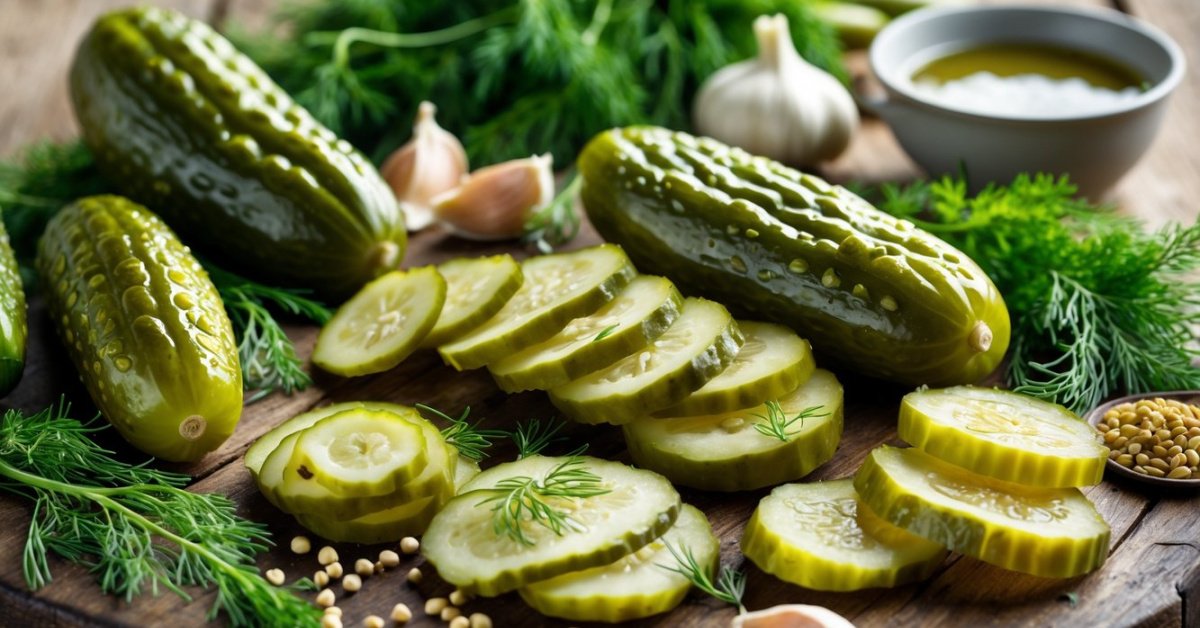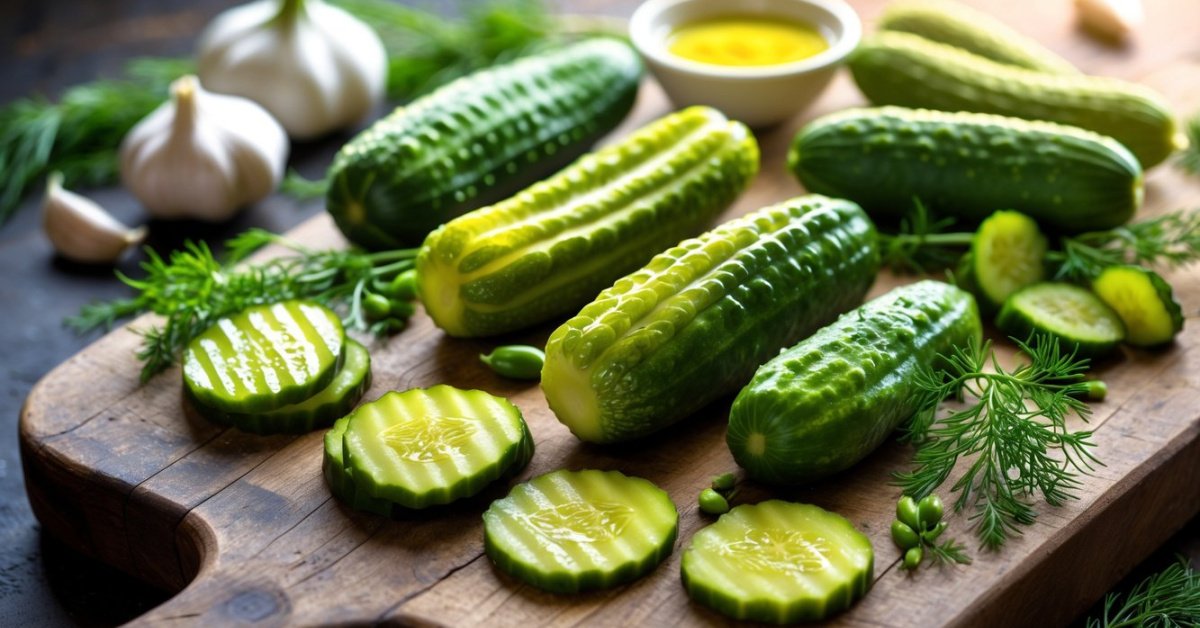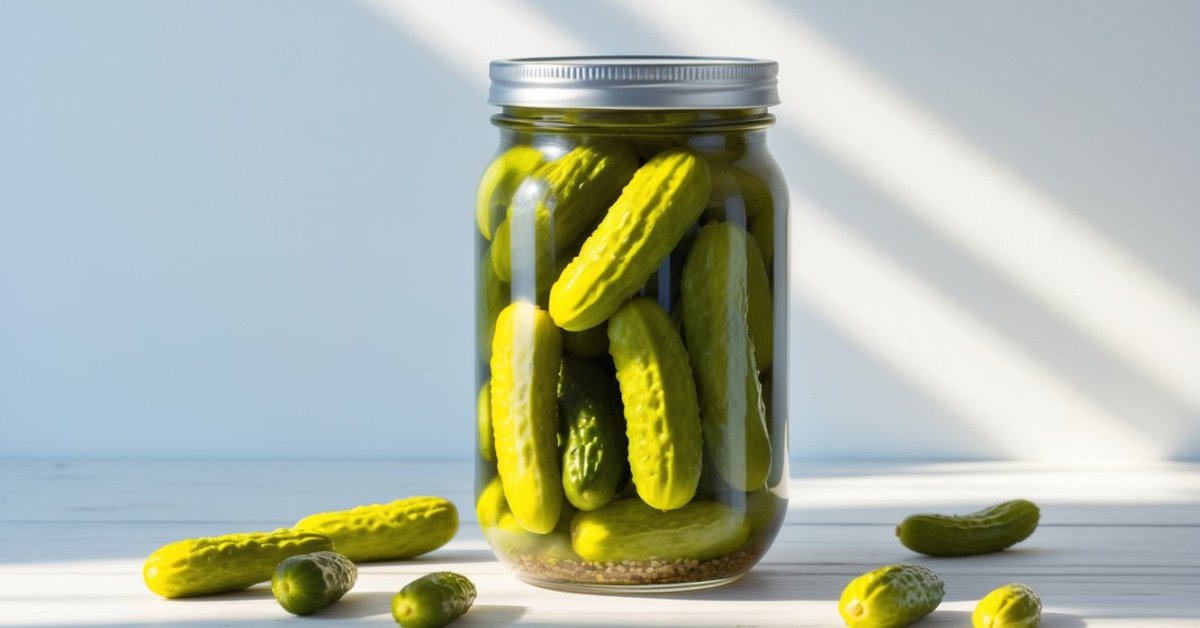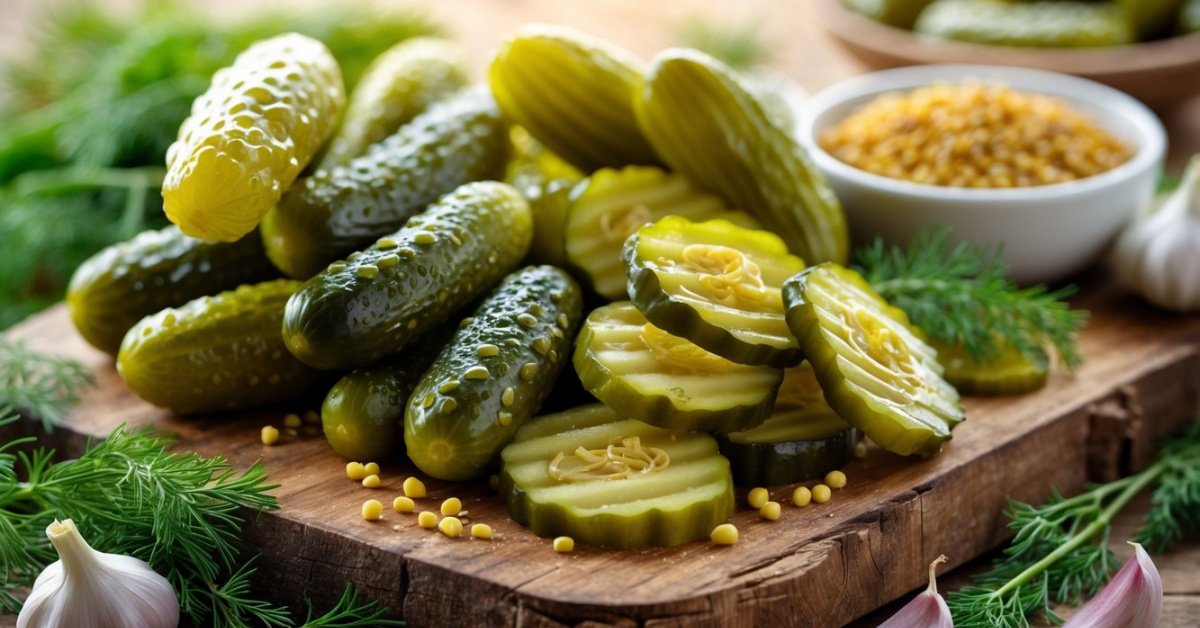
Whenever I think about colonial kitchens I picture rows of jars filled with colorful pickles lining the shelves. There’s something fascinating about how early Americans relied on pickling not just for flavor but for survival. Without modern refrigeration they had to get creative to keep food fresh through long winters and unpredictable seasons.
I’ve always loved learning how simple ingredients and a bit of ingenuity shaped daily life back then. Pickling wasn’t just a way to save food—it became a tradition passed down through generations. Exploring the evolution of pickling in colonial America reveals a story of resourcefulness and community that still inspires me today.
Origins of Pickling in Colonial America
Pickling in colonial America comes from European traditions brought by settlers from England, the Netherlands, Germany, and France. Colonial picklers like me use brines and vinegars from family recipes, adapting these old-world techniques to ingredients grown in native soil—cucumbers, beans, beets, and cabbage, for example. Colonists pick garden harvests at their peak, with each barrel or crock reflecting the unique climate and resources of early American settlements.
Settlers store these pickles in cellars and root houses, using salt traded from coastal cities and locally sourced cider vinegar. I often see mentions of cider vinegar in colonial cookbooks from the 1700s, like Hannah Glasse’s “The Art of Cookery” (1747), which colonial cooks reference for brined and vinegar-pickled foods.
Pickling provides a solution to food spoilage in regions with harsh winters and unpredictable growing seasons. Colonists pickle not just vegetables, but also fruits, meats, and fish—peaches, watermelon rinds, oysters, and pork appear in surviving records. Every batch offers a lesson in resilience and adaptability, letting colonial communities thrive without reliance on imported goods or fresh produce during cold months.
Influences Shaping Colonial Pickling Practices
Colonial pickling changed as diverse culinary cultures, techniques, and local resources met. I see how European and Native American approaches merged, creating time-tested pickle varieties and processes that inspire my own.
European Traditions and Adaptation
Colonists leaned on European pickling essentials—salt, vinegar, and spices—when crafting brines for local harvests. English settlers brought malt vinegar and spice blends for pickled onions and relishes, while Germans introduced sauerkraut with shredded cabbage, salt, and fermentation crocks. Dutch cookery favored sweet-sour cucumber pickles with sugar, cloves, and dill. Every colonist adjusted recipes to match what North America offered: cider vinegar often replaced malt, and imported spices blended with indigenous berries or leaves. Classic texts like Glasse’s “The Art of Cookery” guided these experiments, documenting substitutions and innovations found in 18th-century kitchens.
Native American Methods
Native Americans preserved foods using sun drying, fermentation, and pit storage, long before colonists arrived. I incorporate similar processes by fermenting vegetables in earthenware crocks or layering them with brine and natural flavorings like wild grape leaves or local herbs. Colonists learned to pickle corn, beans, and squash from indigenous neighbors, employing stone weights and willow baskets. By adapting these sustainable preservation methods, colonial picklers kept gardens productive year-round, even with unpredictable harvests. Native knowledge of wild edibles, such as ramps or cranberries, expanded both the range of ingredients and the pickling season in colonial cellars.
Techniques and Ingredients Used by Colonists
Colonial pickling techniques combined imported know-how and local resourcefulness, bringing kitchen staples to life even in the coldest seasons. I study centuries-old pickling, so I’ve seen how these approaches shaped self-sufficient foodways.
Commonly Pickled Foods
Colonists pickled a wide array of foods using harvests from kitchen gardens and local markets.
- Vegetables included cucumbers, beans, beets, and cabbage, featured in brined or vinegar pickles each autumn.
- Fruits like peaches, cherries, and watermelon rind preserved sweetness for winter tables, sometimes spiced with cinnamon or cloves.
- Meats, including pork, fish, and venison, salt-brined or soused in vinegar, supplied protein when fresh supplies ran low.
- Indigenous crops such as corn, squash, and cranberries entered the pickling repertoire after colonists learned from Native Americans.
Tools and Preservation Methods
Colonists relied on durable tools and simple techniques for successful pickling.
- Stoneware crocks, wooden barrels, and glass jars, if available, held brined or vinegared foods in cool cellars, ensuring proper fermentation.
- Salt, critical for drawing moisture from vegetables, came from coastal cities or was boiled from seawater, as documented by early colonists.
- Vinegar, primarily cider-based due to apple abundance, preserved foods rapidly and paired well with locally grown spices like mustard seeds and peppercorns.
- Weighting stones, wooden followers, and linen covers maintained submersion, minimizing spoilage from mold or air exposure.
- Sun drying—taught by Native Americans—was sometimes combined with salt-pickling for more robust preservation, especially for beans and fish.
Accurate pickling saw colonists transform harvest excesses into reliable winter food stores, blending tradition with practical adaptation and creative skill.
Social and Economic Impact of Pickling
Pickling shaped social routines and economic activities across colonial settlements. I’ve found that preserved foods let families eat well and trade year-round, deeply weaving pickles into both domestic and commercial life.
Pickling in Daily Colonial Life
Pickling transformed every colonial kitchen into a center of activity. I see how preserving vegetables, fruits, and meats became a family affair, with each member helping to prepare ingredients, pack crocks, and maintain root cellars. Households shared surplus pickles during communal gatherings—barn raisings, church suppers, and market days—turning preserved foods into social currency. Children grew up learning these techniques, and recipe variations became local signatures, often passed down as treasured heirlooms. For me, pickling wasn’t just about food; it was about connecting labor, tradition, and community.
Trade and Commercialization
Pickling built new opportunities in colonial markets. Gardeners and household producers traded jars of pickled cucumbers, beans, or beets at town fairs, local shops, and trading posts. I’ve seen how durable pickled goods served as both barter items and staples for cash sales, traveling well over rough roads and by ship. Towns along vital routes used pickled produce to supply merchants, soldiers, and travelers, with records from Philadelphia and Boston showing barrels of pickled beef, fish, and vegetables moving in bulk (see McMahon, “Preserving the Past,” 2014). This commercial exchange fueled economic resilience, while also encouraging a wider diversity of preserved foods in the colonial diet. For many, growing and pickling harvests wasn’t just survival—it was a source of pride and a route toward greater self-sufficiency.
Lasting Legacy of Colonial Pickling
Colonial pickling continues to shape how I approach sustainable gardening and food preservation. Techniques from the 1700s—using local produce, natural fermentation, and cider vinegar—still guide my kitchen routines. Glass jars and refrigerators make things easier now, but I always reach for crocks and barrels when I want the textures and depth early American recipes produce. When I pickle cucumbers, beets, or beans from my garden, I feel connected to settlers who transformed autumn harvests into stable winter fare.
Community bonds still strengthen through shared pickling. Every season, small-town farmers’ markets and kitchen tables echo the gatherings of colonial families who swapped recipes, traded jars of brined vegetables, and passed down secrets for crisp relishes. I see pride bloom in my own circle whenever someone tries a new garden recipe or revives an heirloom method.
Colonial pickling inspired today’s diverse preserves. English malt vinegar techniques, Dutch sweet-sour brines, and German sauerkraut each left their mark, making the American pickle shelf unique. I often combine local crops, like squash or green beans, with spices early settlers imported or foraged, creating blends that respect history while celebrating what my garden yields now.
The colonial emphasis on resourcefulness and self-sufficiency drives my passion for food independence. I grow for the cellar, not just for the table, knowing that every batch I pickle continues a tradition that fed communities and fueled economies centuries ago. Colonial pickling’s legacy endures any time I open a jar, share a half-sour with a friend, or teach someone the simple craft that turned survival into a celebration.
Conclusion
Looking back at the journey of pickling in colonial America I can’t help but appreciate how a simple act of preservation became such a meaningful tradition. The blend of ingenuity and community spirit that shaped early pickling still inspires me every time I open a jar of homemade pickles.
There’s something special about carrying on these time-honored methods and sharing the results with friends and family. It’s a reminder that even the oldest kitchen practices can bring fresh joy and connection to our lives today.