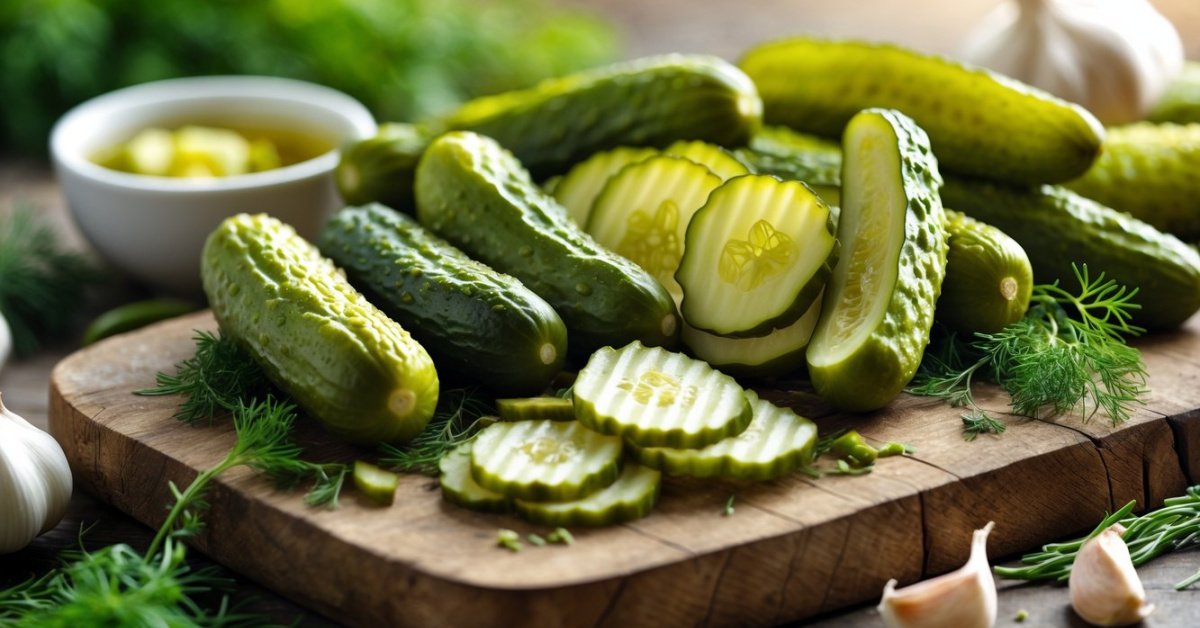
Whenever I reach for a crunchy pickle, I can’t help but wonder how this tangy snack might be influencing my health, especially my blood sugar. With diabetes and blood sugar concerns on the rise, it’s only natural to question how our favorite foods fit into the bigger picture.
Pickles might seem harmless or even healthy at first glance, but there’s more going on beneath that briny surface. I’ve always been curious about how something so simple could play a role in managing blood sugar levels. Let’s take a closer look at what happens when we add pickles to our plates.
Understanding Pickles and Their Nutritional Profile
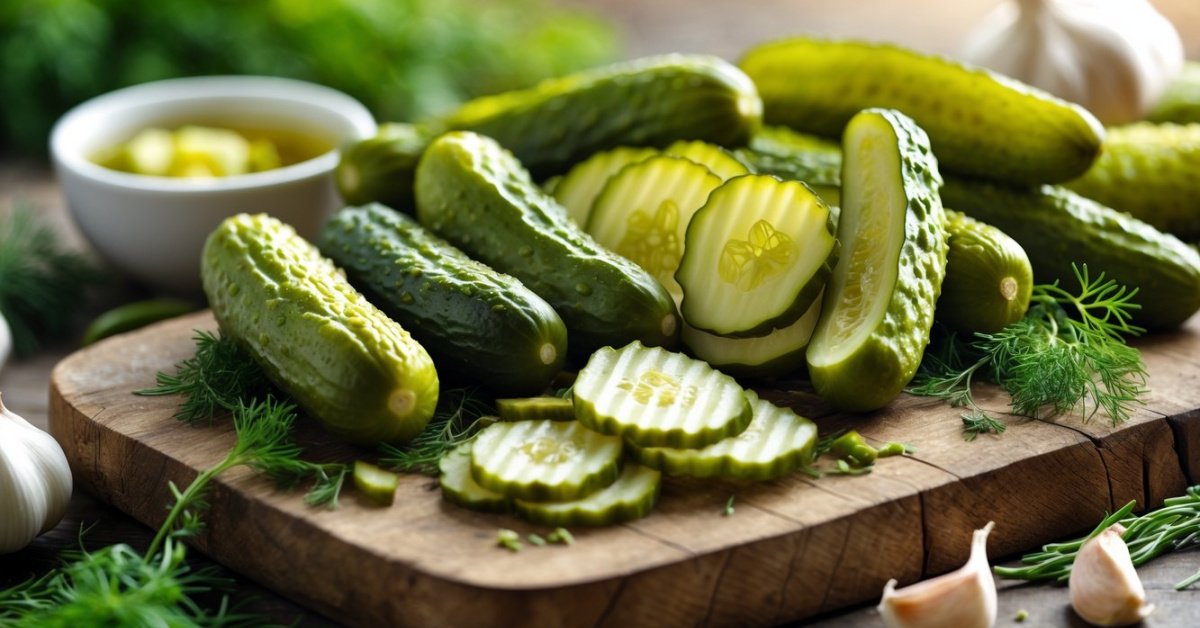
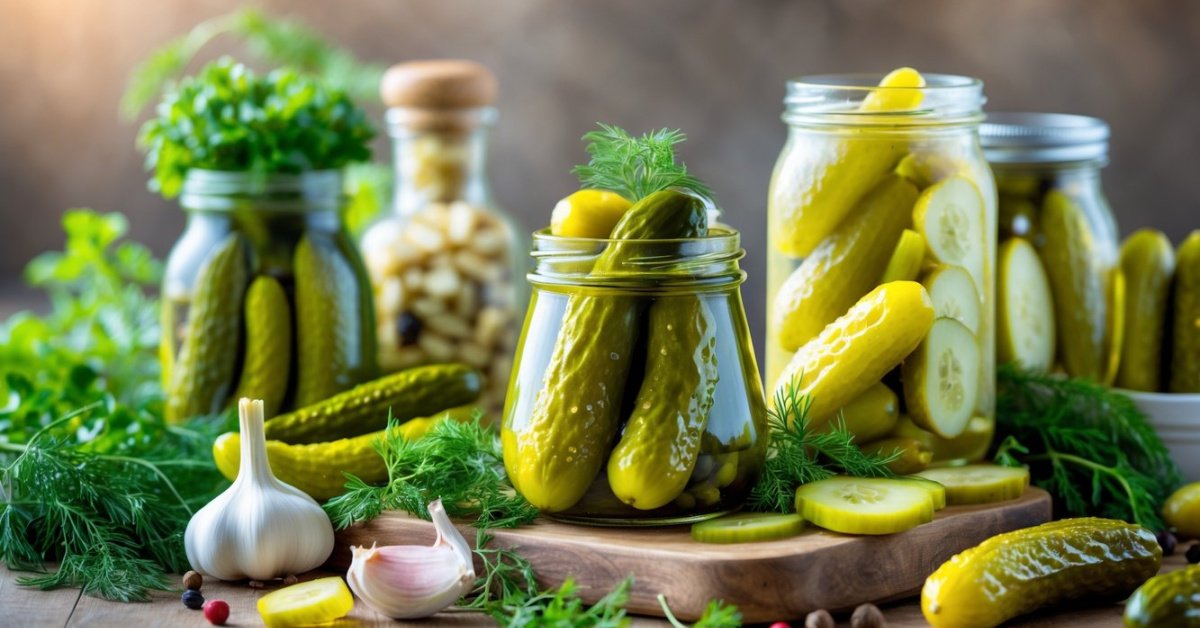
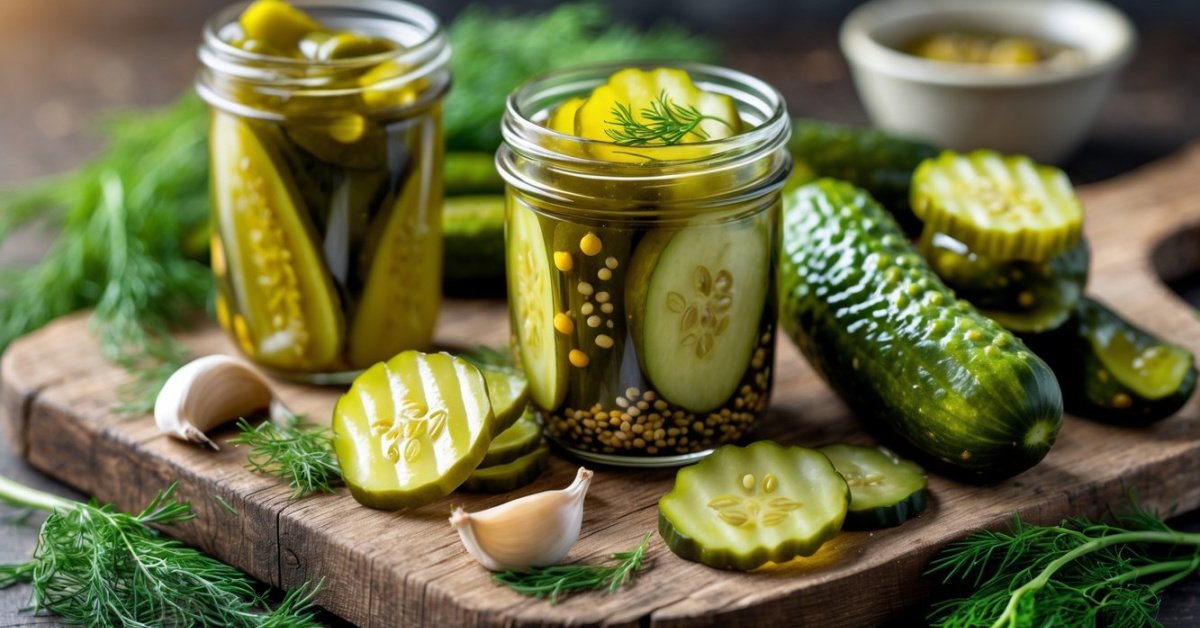
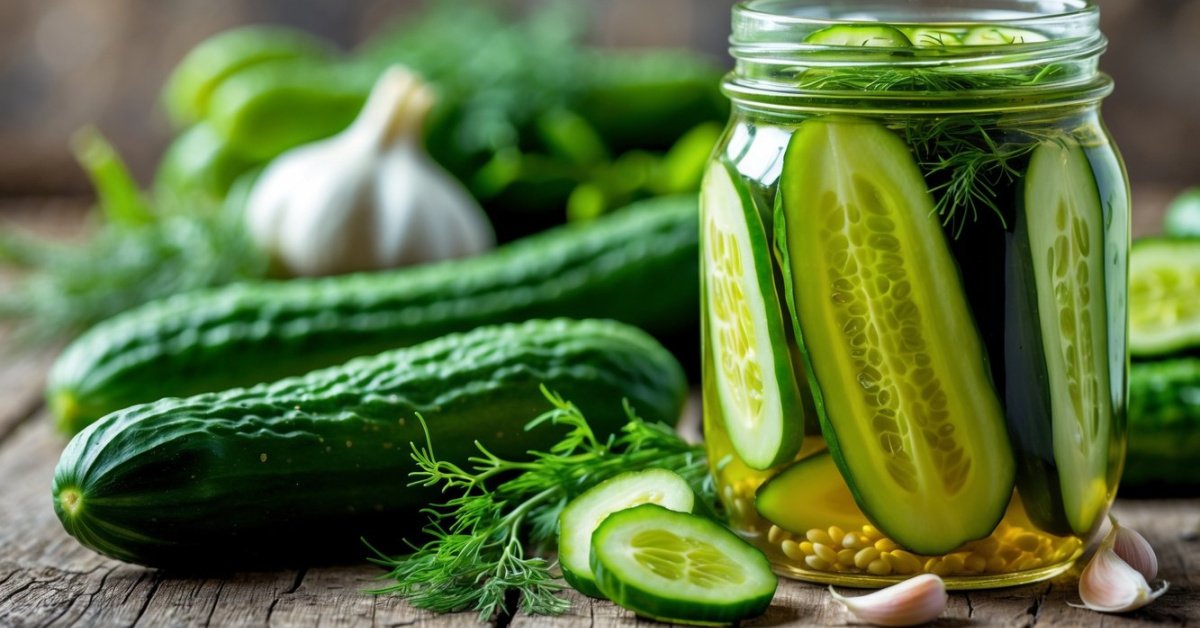
Pickles, whether made from cucumbers, carrots, or beets, develop their unique nutritional profiles during the pickling process. I use pickling methods such as brining, fermenting, or quick pickling with vinegar to preserve garden harvests. My pickled cucumbers average 1–3 grams of carbohydrates per spear, with most of those coming from naturally present sugars or vinegar additions.
Sodium levels in pickles are high; my jars often contain 200–300 milligrams of sodium per spear. Sodium concentration depends on brine strength and type of pickling salt. I track vitamins and minerals, too. Pickled vegetables retain vitamin K and some B vitamins; for example, cucumber pickles carry vitamin K while pickled beets provide folate.
Fermented pickles create beneficial probiotics, especially when I ferment cucumbers or cabbage in salt brine. Probiotic presence relies on a live fermentation process, not vinegar-based pickling. Shelf-stable, vinegar-brined pickles don’t offer the same probiotic benefits.
Sweet pickles or bread-and-butter varieties in my batches have increased sugar content. These pickles can reach 7 grams of carbohydrates per spear, depending on the recipe. Most classic dill or sour pickles stay lower in sugar.
My small-batch pickling always factors in sugar, sodium, and beneficial bacteria, ensuring that the nutritional effects of pickles vary by preparation method and added ingredients.
The Science Behind Blood Sugar Regulation
Blood sugar regulation centers on balancing glucose levels in the bloodstream. Glucose enters the blood mostly from carbohydrate digestion. Pancreatic beta cells release insulin to help body cells absorb glucose, reducing blood sugar. Pancreatic alpha cells produce glucagon if glucose drops, raising blood sugar by releasing stored glucose from the liver.
Hormones play a big role in controlling blood sugar. Insulin lowers blood sugar after meals while glucagon, cortisol, adrenaline, and growth hormone increase it during fasting or stress. Rapid fluctuations usually stem from insulin resistance in type 2 diabetes or faulty insulin production in type 1 diabetes, as reported by the National Institute of Diabetes and Digestive and Kidney Diseases (NIDDK).
Digestion speed and food composition affect how carbohydrates change blood sugar. Foods with a high glycemic index, like white bread and sweet pickles, spike blood sugar quickly. Pickles made with vinegar or fermentation slow glucose absorption, lowering the glycemic response according to research in the European Journal of Clinical Nutrition (2021).
Gut health also connects pickles and blood sugar management. Naturally fermented pickles supply beneficial probiotics. These probiotics improve the gut microbiome, supporting better insulin sensitivity, as described in a 2022 review in Nutrients.
Each factor—insulin, glucagon, hormones, glycemic index, and gut bacteria—links directly to how the body handles blood sugar after eating pickles or other pickled foods.
How Pickles Affect Blood Sugar Levels
Pickles show unique effects on blood sugar, shaped by their ingredients and preparation methods. My experience with pickling and gardening reveals how these details matter for anyone watching glucose levels or seeking healthier eating habits.
Glycemic Index and Pickles
Pickles usually show a low glycemic index. Most brined or fermented pickles, like my garden cucumbers or carrots, contain minimal sugars after processing—often under 3 grams per spear. This low sugar load leads to a slow, steady release of glucose, avoiding quick blood sugar spikes. Pickled beets and sweet pickles stand as exceptions, with carbohydrate contents reaching 7 grams per spear—enough to cause faster rises in blood sugar if eaten in quantity. Pickles made without extra sugar usually support stable blood glucose, especially when compared to fresh vegetables with similar calorie counts but higher natural sugar release rates.
Role of Vinegar in Blood Glucose Control
Vinegar acts as a key blood sugar modulator in pickling. I often use distilled or apple cider vinegar to pickle my homegrown produce. Scientific studies, including those published in the European Journal of Clinical Nutrition, show that vinegar slows carbohydrate digestion. This action decreases post-meal glucose spikes. I see these benefits in naturally vinegared pickles, where acetic acid limits starch breakdown and regulates blood sugar. Fermented pickles offer a similar effect, combining vinegar’s influence with beneficial probiotics. Fermentation, especially with produce like cabbage, delivers lactic acid bacteria that further enhance glucose regulation and gut health.
Potential Benefits of Eating Pickles for Blood Sugar
Eating pickles creates several potential benefits for blood sugar management, especially when I focus on using fermentation or natural vinegar in my recipes.
- Low Glycemic Impact
Consuming unsweetened, vinegared, or fermented pickles introduces few carbohydrates, with most cucumber and vegetable pickles containing 1–3 grams per spear. These low-carb pickles rarely cause sharp blood sugar spikes, contrasting with high-glycemic or sweetened snacks.
- Vinegar’s Effect on Glucose Absorption
Including vinegar-based pickles with meals helps reduce postprandial (after-eating) blood sugar rises. Studies cited by the American Diabetes Association confirm that acetic acid in vinegar slows starch digestion, lowering glucose responses in healthy adults and those with type 2 diabetes.
- Probiotics and Improved Insulin Sensitivity
Enjoying fermented pickles, like traditional dill or sauerkraut, introduces probiotics—strains such as Lactobacillus plantarum. Clinical reviews from journals like Nutrients show that regular probiotic intake supports better insulin sensitivity and glycemic control through gut microbiome modulation.
- Satiety and Reduced Carb Intake
Adding pickles to my meals increases satiety. Tangy flavors and crunchy textures let me use smaller food portions, which, in turn, reduce overall carbohydrate and calorie intake, further benefiting blood sugar balance.
- Preserved Micronutrient Content
Each serving of homemade pickles made from garden produce delivers micronutrients like vitamin K, potassium, and magnesium. These minerals, per USDA data, sometimes contribute to smoother carbohydrate metabolism and stable blood sugar.
My experience in making and eating a wide variety of pickles shows there’s more to pickles than taste—each batch crafted carefully provides tangible support for blood sugar management.
Considerations and Possible Drawbacks
Pickles can enrich meals and support blood sugar management, yet some factors require attention, especially for those monitoring health closely. My experience with pickling and gardening has taught me that thoughtful selection and preparation make a difference in safety and enjoyment.
Sodium Content and Health Implications
Most store-bought and home-brined pickles deliver significant sodium per spear—usually between 200 and 300 milligrams, sometimes higher. Consuming several spears quickly adds up. High sodium intake links directly to elevated blood pressure and may raise risk for heart disease, kidney strain, or stroke, according to the CDC. People with hypertension, salt-sensitive blood pressure, or family cardiovascular risk benefit from limiting sodium. I always recommend rinsing pickles briefly or making them with lighter brine when sodium exposure is a concern.
Interactions with Medications and Medical Conditions
Pickles interact with certain medications and medical conditions. Those taking diuretics or blood pressure medications could see altered sodium-potassium balance if they eat pickles often. Sodium-heavy foods may blunt medication effects or intensify side effects for those with kidney disease, heart failure, or on steroids. Fermented pickles, while rich in probiotics, occasionally worsen symptoms in people with digestive disorders like IBS or Crohn’s disease, especially if gut sensitivity is high. I advise checking with a healthcare professional about pickle intake when managing chronic illness or prescription regimens.
Tips for Including Pickles in a Blood Sugar-Friendly Diet
Choose low-sugar pickles.
I always recommend unsweetened, vinegar-brined, or naturally fermented pickles, since these options contain less than 3 grams of carbohydrates per spear—examples include classic dill or garlic cucumber pickles. Avoid sweet pickles or pickled beets unless you’ve checked labels for added sugars, because these often have up to 7 grams of carbs per spear.
Add pickles to balanced meals.
I place sliced pickles on whole grain sandwiches, pair them as a side with lean proteins like grilled chicken, or toss fermented pickles into leafy green salads. Combining low-glycemic pickles with fiber, protein, and healthy fats supports more stable post-meal blood sugar.
Mind sodium intake.
I rinse store-bought pickles under cold water or use homemade pickles with half the salt, since commercial pickles can add 200–300 milligrams of sodium per spear. This helps manage both blood sugar and blood pressure.
Opt for small, consistent servings.
I use 1–2 spears or a ¼ cup of chopped pickles per meal, since moderation ensures enjoyment of the benefits without overwhelming sodium or added carb intake.
Embrace variety in pickled vegetables.
I regularly pickle homegrown cucumbers, carrots, radishes, and cauliflower in vinegar or through fermentation. Eating different types allows me to gain unique nutrients like vitamin K from cucumbers and beta-carotene from carrots while keeping the glycemic impact low.
Prioritize fermentation for probiotics.
I ferment vegetables in brine for 1–2 weeks at home, because naturally fermented pickles provide live probiotics credited with boosting gut health and increasing insulin sensitivity, based on clinical data from 2020 (Frontiers in Nutrition).
Read labels and make your own.
I encourage making pickles from scratch using fresh garden produce, a controlled amount of salt, and no refined sugar. Homemade pickles let me manage every ingredient, reducing hidden sugars or preservatives that may affect blood sugar.
Consult with a health professional if needed.
I speak with a nutritionist if I manage diabetes, heart disease, or take medications, because even healthy pickles can affect health if not balanced with other dietary factors.
Conclusion
Exploring the world of pickles has shown me that these tangy treats can be both a flavorful addition to meals and a tool for supporting balanced blood sugar—if I choose wisely. Paying attention to ingredients and preparation methods lets me enjoy pickles without worry.
I’ve found that a little mindfulness goes a long way. By picking the right types and keeping portions in check I can savor the crunch and zest of pickles while still looking out for my health.