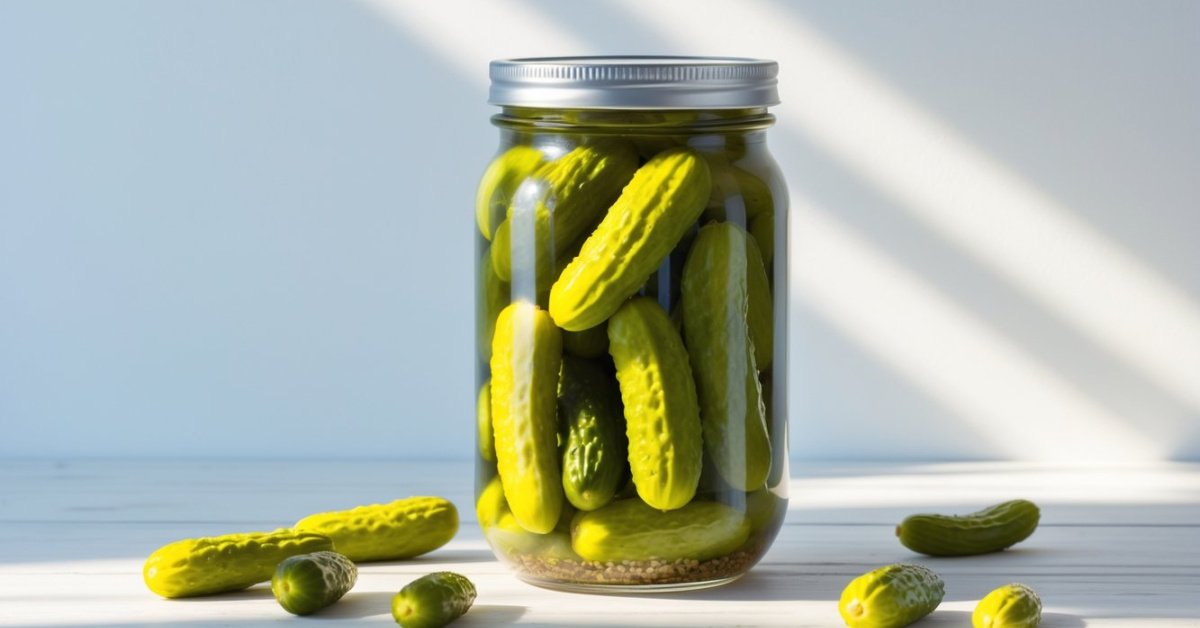
I’ve always loved the satisfying crunch and tangy kick of a good pickle. Lately though I’ve noticed grocery store shelves overflowing with jars from brands I’ve never seen before. It seems like pickles are having a serious moment and I’m here for it.
What’s driving this pickle boom? From classic dills to spicy new flavors there’s a jar for every taste. I find myself wondering how these commercial pickle brands are changing the way we snack and what’s fueling their sudden rise to fame.
The Evolution of Pickling: From Homemade to Commercial Brands
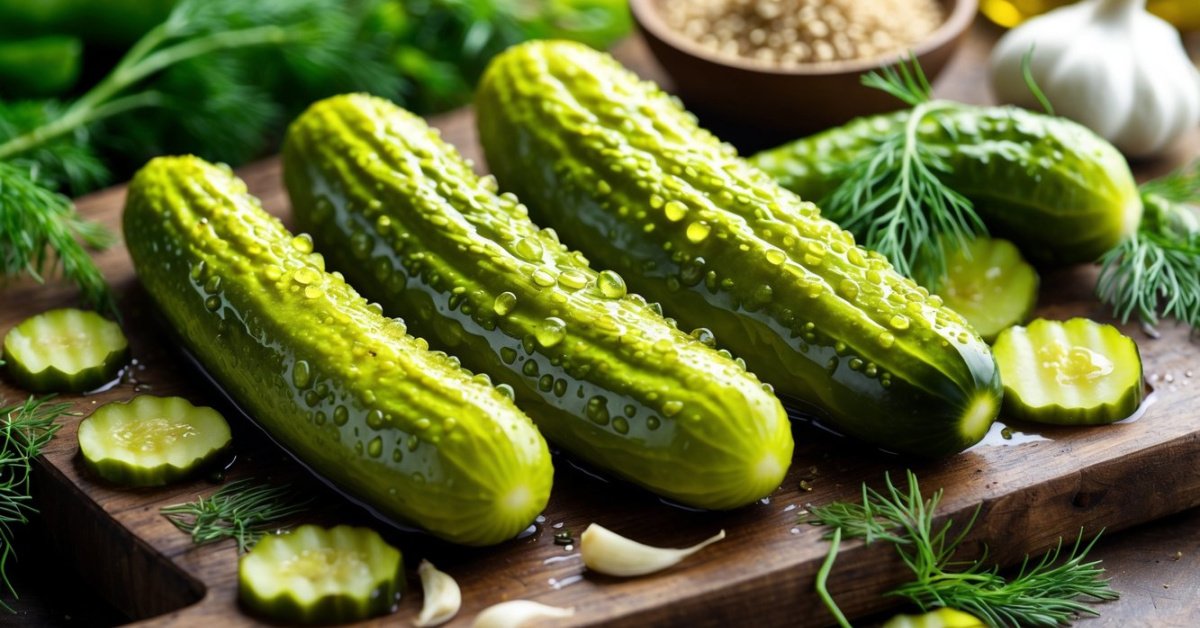
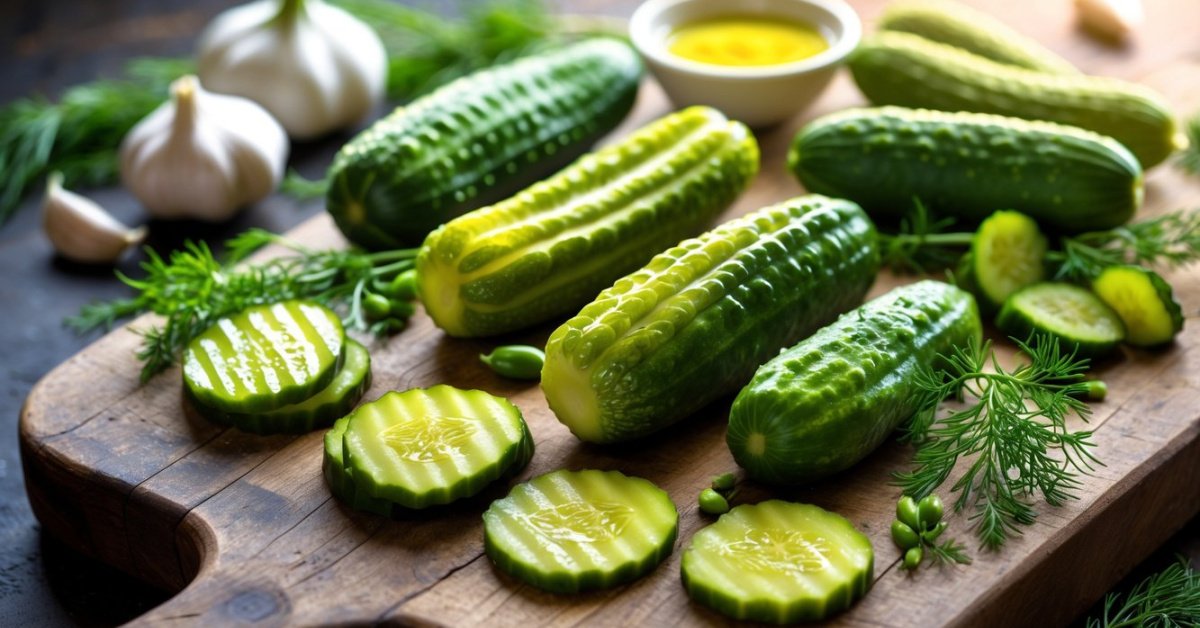
Early pickling relied on homegrown vegetables and simple fermentation techniques. I remember spending hours layering cucumbers, dill, and garlic in stoneware crocks, letting natural bacteria create crisp, tangy pickles. Generations preserved food this way for winter sustenance and flavor variety.
Transition to large-scale pickling emerged as urbanization reduced home gardening and kitchens. In the early 20th century, factories introduced mass-production, pasteurization, and synthetic preservatives. Well-known brands—examples include Vlasic and Claussen—standardized shelf-stable jars and expanded distribution into grocery stores nationwide.
Modern commercial pickling now uses diverse produce, global spice blends, and innovative brines. Artisanal brands—examples include Grillo’s and Brooklyn Brine—experiment with organic and locally sourced ingredients, drawing inspiration from both traditional and international methods. I see refrigerated options, small-batch ferments, and limited-edition releases filling shelves alongside classic styles.
Consumer demand for consistency and convenience drives growth in commercial pickles, while renewed interest in home pickling and gardening sustains heritage techniques. Brand evolution reflects changing preferences, from sour dills to sweet bread-and-butters, and caters to varying cultural tastes.
Key Drivers Behind the Rise of Commercial Pickle Brands
Several core factors push commercial pickle brands into the spotlight. I’ve seen demand for unique flavors and modern packaging revolutionize what used to be a humble preserve.
Changing Consumer Tastes and Preferences
Pickle lovers increasingly seek bold flavors, global styles, and organic ingredients. I notice many gravitate toward spicy varieties like hot garlic dills or sweet-and-spicy spears. Younger shoppers want smaller batch, craft-style pickles with fewer artificial additives. Health-conscious consumers check for fermented, probiotic-rich options. This shift has encouraged brands to expand product lines, using ingredients from cucumbers to okra and carrots.
Advances in Food Preservation and Packaging
Modern techniques transformed pickle shelf life and quality. Vacuum-sealed glass jars, BPA-free plastic, and updated brining methods allow crisp textures and longer storage without synthetic preservatives. Refrigerated pickles—like those from Claussen or Grillo’s—retain crunch better than traditional shelf-stable types. These innovations let brands maintain consistent taste and safety standards, matching consumer demand for freshness.
Marketing and Branding Innovations
Commercial brands use bold labeling, social media campaigns, and influencer partnerships to stand out. I see pickle companies highlighting heritage recipes or farm-sourced produce to build loyalty. Limited-edition flavors and creative names connect with younger audiences. Some brands partner with chefs or local artisans, blending pickles with trending food experiences. Smart merchandizing, from colorful jars to online pickle-of-the-month clubs, keeps engagement high and shelf space competitive.
Popular Commercial Pickle Brands Making Waves
I’ve watched commercial pickle brands adapt quickly as interest in unique pickles, gardening, and self-sustainability grows. Brands blend traditional values with modern flavor trends, shaping today’s vibrant pickle scene.
Legacy Brands in the Pickle Industry
Legacy pickle brands anchor supermarket shelves, setting standards for classic taste and consistent quality.
- Vlasic: Vlasic, launched in 1942, dominates with its signature crunchy dills and crinkle-cut bread-and-butter pickles. My experience shows their products maintain consistent flavor and crisp texture, appealing to broad audiences.
- Claussen: Claussen, established in 1870, refrigerated their pickles early to preserve crunch and fresh taste. I often recommend Claussen for folks who want cold-packed pickles reminiscent of homemade batches.
- Mt. Olive: Mt. Olive, since 1926, leads Southern markets with classics like Kosher dills and sweet gherkins. You’ll spot Mt. Olive in most pantries across the southeastern US, trusted for taste and variety.
Newcomers Disrupting the Market
Innovative brands challenge tradition by focusing on bold flavors, sustainable sourcing, and small-batch authenticity.
- Rick’s Picks: Rick’s Picks, founded in 2004, excels with artisanal brines featuring unexpected ingredients like sriracha and garlic scapes. I see foodies flock to their products for farmers market flavor and adventurous combinations.
- Grillo’s Pickles: Grillo’s Pickles started as a pushcart and now stands out for garden-fresh, preservative-free pickles. Grillo’s uses simple organic ingredients, making them a top pick for sustainability-minded shoppers.
- Wildbrine: Wildbrine focuses on fermented, probiotic pickles, growing in popularity among health-conscious snackers. I recommend their selections for those curious about traditional fermentation without added vinegar.
Legacy brands ensure reliability while newcomers redefine what pickles can be, drawing in everyone from traditionalists to adventurous eaters.
Impact on Small Businesses and Homemade Pickles
Commercial pickle brands have changed the landscape for small businesses and homemade pickle makers like me. Mass-produced options now dominate supermarket shelves, often using large-scale distribution, consistent quality control, and high-volume pricing. This commercial presence challenges smaller producers in several ways.
- Market Access
Supermarkets give commercial brands prime shelf placement, leveraging deals unavailable to independent producers. Small businesses, such as local farm stands and specialty shops, experience limited reach and must compete with nationwide marketing efforts.
- Pricing Pressure
Lower costs from bulk production allow major brands to offer pickles at prices independent makers rarely match. Many homemade pickles use organic or local produce and custom brines, increasing production expenses and making price competition difficult.
- Product Differentiation
Commercial brands launch trend-driven products with global flavors and unique packaging. Small businesses, like mine, highlight handcrafted batches, heirloom vegetables, and recipes passed down through generations to stand apart.
- Customer Perception
Shoppers often trust established brands for food safety and consistency. I counter this by educating customers about fermentation benefits, ingredient sourcing, and the craft behind every jar of homemade pickles.
Homemade pickling traditions persist among gardeners, food preservation enthusiasts, and sustainability-minded families. Those of us fermenting pickles at home continue sharing recipes and mentoring new makers, encouraging local gardening and self-sufficiency. Word-of-mouth sales, farmers’ markets, and community events help connect with appreciative customers looking for quality beyond the supermarket aisle.
The Future of Commercial Pickle Brands
Flavor diversity keeps transforming commercial pickle brands. I see brands introducing layered flavors and incorporating unconventional vegetables like Brussels sprouts, cauliflower, and carrots. International influences shape product launches, with companies offering kimchi-style pickles, Indian achaar, and Japanese tsukemono for broader global appeal.
Sustainability drives innovation in commercial pickling. I notice brands shifting to glass packaging, reusable brine jars, and locally sourced organic produce. Transparent supply chains appear more often, as consumers want to know where their cucumbers, vinegar, and spices come from.
Technology integration affects both quality and consumer experience. Automated pickling lines increase consistency while reducing waste. Smart packaging extends freshness, prevents leakage, and provides QR codes that connect buyers to recipes, sourcing details, or brand stories right from the label.
Personalization enters the commercial pickle space. Brands provide customizable brine options or DIY pickle kits, letting customers choose spice levels and vegetables. Limited edition flavors and collaborative releases cater to trend-seeking enthusiasts.
Health consciousness now shapes both recipes and products. Reduced sodium, probiotic-rich formulas, and all-natural ingredient promises appear in launches targeting wellness-focused shoppers. Non-GMO and preservative-free claims match growing demand for clean labels.
Direct-to-consumer distribution grows alongside traditional retail. I watch startups use online subscription models and social media marketing to bypass grocery intermediaries. Doorstep delivery and build-your-own-jar concepts foster stronger relationships between brands and their fans.
Commercial pickle brands constantly adapt to keep pace with evolving tastes, technology, and eco-friendly values, supporting a market where both tradition and innovation thrive.
Conclusion
Watching the pickle aisle transform over the years has been a real treat for me as a lifelong fan. I love seeing jars of classic dills sitting next to bold new flavors and small-batch creations. It’s clear that pickles have found their place as both a nostalgic snack and a playground for culinary creativity.
Whether I’m craving a crunchy spear from a legacy brand or exploring the tangy kick of an artisanal newcomer I’m excited for what’s next. The world of pickles keeps evolving and I’m here for every bite.