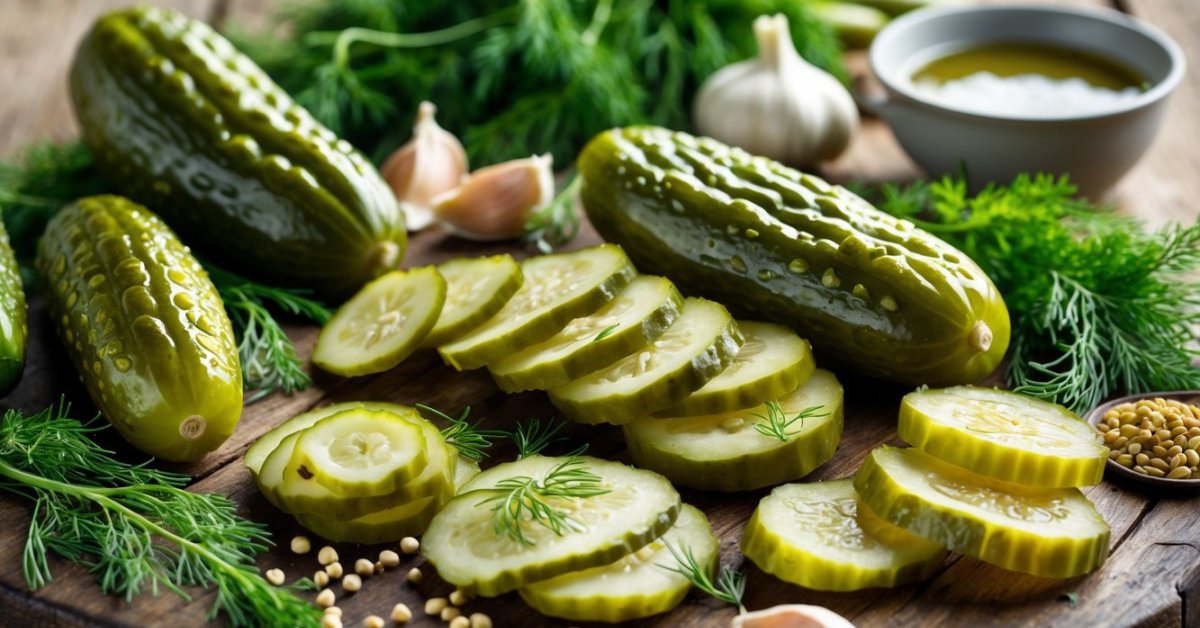
Whenever I think about Korean cuisine, the first thing that pops into my mind is kimchi. This spicy, tangy pickle has taken the world by storm, popping up everywhere from trendy food trucks to high-end restaurants. It’s more than just a side dish—it’s a symbol of Korean culture and a must-try for anyone curious about bold flavors.
I love how kimchi brings a burst of excitement to any meal. Its unique mix of crunch, heat, and umami makes even the simplest dishes unforgettable. Whether I’m eating it with rice or adding it to a burger, kimchi never fails to surprise me with its versatility and punch.
The Origins of Korean Kimchi: A Pickle with Global Fame
Korean kimchi traces its roots back over 2,000 years, according to the National Institute of Korean Language. I see kimchi as an early example of ingenious preservation—families fermented vegetables to extend their shelf life through harsh winters. Early records from the Three Kingdoms period (57 BC–668 AD) mention salted vegetables, which developed into today’s kimchi through centuries of culinary adaptation.
Preserving cabbage, radish, or cucumber with salt marked the first steps. Later, I’ve found that the introduction of red chili peppers in the 16th century changed the flavor and color dramatically. By the Joseon Dynasty (1392–1910), recipe variations multiplied across regions. Southern provinces used shrimp and anchovy sauce, while northern areas made lighter, often white kimchi.
Fermentation forms the heart of kimchi’s appeal. Microbes convert sugars into lactic acid, giving each batch its tangy flavor and longer shelf life. In my pickling practice, the buried onggi (earthenware jars) impressed me with their ability to regulate fermentation. Many families still use clay crocks for the same reason.
Kimchi’s reach spread far beyond the Korean Peninsula by the late 20th century. Global demand rose after UNESCO designated kimjang (the communal kimchi preparation) as an Intangible Cultural Heritage in 2013. Today, I meet picklers worldwide experimenting with kimchi using local produce—carrots, turnips, kale, and even green papaya. Each jar showcases the adaptability of this traditional Korean pickle, weaving global tastes into an ancient practice.
Traditional Preparation Methods
I use Korean kimchi as a prime example of time-tested pickling traditions. Generations of Korean families have relied on these same methods to preserve flavor and nutrition through every season.
Key Ingredients and Fermentation Process
I always start kimchi with Napa cabbage or Korean radish as the foundation. Salt acts as the first essential step, pulling moisture from the vegetables and allowing the right texture for fermentation. I add garlic, ginger, scallions, and gochugaru (Korean chili flakes) for signature bite, then mix in seafood-based sauces—like salted shrimp or fish sauce—for deep umami, especially in authentic recipes.
I densely pack seasoned vegetables into onggi (porous earthenware jars), then submerge them fully to create an anaerobic environment. Lactic acid bacteria naturally present on the produce initiate fermentation. I let kimchi ferment in cool storage (32–50°F, 0–10°C) for several days to several months, depending on season and taste preference.
| Stage | Ingredient/Tool | Role/Effect |
|---|---|---|
| Salting | Salt, water | Draws out water, texture |
| Seasoning | Gochugaru, garlic | Flavor, heat, antimicrobial |
| Packing | Onggi or glass jar | Anaerobic fermentation |
| Fermentation | Cool environment | Lactic acid, sour flavor |
Regional and Seasonal Variations
I adjust my kimchi recipes based on both region and season, following centuries-old Korean customs. Northern kimchi, for example, contains less chili and more brine, resulting in a milder taste and lighter color. Southern kimchi often includes salted fish and shrimp, enhancing both aroma and umami.
Seasonally, I switch between types: I make tongbaechu kimchi (whole cabbage) for winter using late-autumn harvest crops, and prefer lighter, quick-fermenting varieties like oi sobagi (cucumber kimchi) in spring and summer. My winter batches last longer, as cold slows fermentation, while warm spring temperatures accelerate the process.
Examples of popular regional/seasonal variations include:
- Northern varieties: Baek kimchi (white kimchi), mul kimchi (water kimchi)
- Southern varieties: Gat kimchi (mustard leaf kimchi), bossam kimchi (wrapped kimchi)
- Seasonal picks: Napa cabbage (winter), cucumber (summer), young radish (spring)
I rely on my own garden produce whenever possible, believing freshly harvested vegetables create the crispest, most flavorful kimchi. Matching variety to season and carefully observing traditional timing guarantees a unique pickle every batch.
Health Benefits of Kimchi
Kimchi’s fermentation process transforms simple vegetables into a powerful source of nutrition. I often share kimchi as a staple in my garden-driven kitchen, not just for its flavor but its impact on wellbeing.
Probiotics and Gut Health
Fermented kimchi produces robust colonies of lactic acid bacteria—mainly Lactobacillus species like L. plantarum and L. brevis. I’ve seen how these probiotics support digestion and maintain gut flora balance. Clinical studies, such as those published in the Journal of Medicinal Food (2014), connect regular kimchi consumption with improved bowel health and reduced gastrointestinal discomfort. Pickled foods like kimchi can also reinforce immune system strength, as 70% of human immunity is rooted in the gut.
Nutritional Value
| Nutrient | Approximate Amount |
|---|---|
| Calories | 15–30 kcal |
| Dietary Fiber | 2–3 g |
| Vitamin C | 18–30 mg |
| Vitamin K | 40–52 μg |
| Folate | 20–33 μg |
| Beta-carotene | 300–500 μg |
| Sodium | 500–700 mg |
Kimchi’s Global Influence
Kimchi’s rise from Korean staple to global phenomenon fascinates me as a lifelong pickler. As more people discover fermented foods, kimchi inspires cooks and picklers from Seoul to San Francisco.
International Popularity and Fusion Dishes
Kimchi’s global appeal grows steadily, appearing in restaurants and grocery stores across Asia, Europe, and North America. I see kimchi featured in everything from New York food trucks to Parisian cafes. Chefs experiment with fusion dishes—kimchi tacos in Los Angeles, kimchi pizza in Tokyo, and kimchi quesadillas in Australia—using kimchi’s bold taste to invigorate diverse menus. Home picklers also blend kimchi with local vegetables or adapt recipes for their climates. For example, I’ve met gardeners in Canada who make kimchi with kale or cauliflower for longer winters. These creative variations keep kimchi vibrant in the global pickling community.
Kimchi in Modern Cuisine
Kimchi shapes contemporary cuisine as much as it preserves tradition. I notice fine dining chefs using kimchi to balance rich sauces or add acidity to vegetarian plates. Kimchi slaw pairs with burgers or fried chicken, while fermented kimchi juice flavors cocktails and marinades. In my own kitchen, I add chopped kimchi to grilled cheese and top grain bowls with fermenting brine for a depth other pickles rarely match. Supermarkets now stock kimchi-flavored snacks, instant noodles, and even fermented kimchi sodas, making it accessible for curious eaters. The lively profile of kimchi mirrors the evolving possibilities of pickling and self-sustaining food traditions.
Where to Find Authentic Kimchi
Authentic Korean kimchi adds unmatched complexity to a pickle lover’s table. I’ve found options for sourcing true kimchi range from small-batch home ferments to widely distributed brands in international markets.
Home Preparation vs. Store-Bought Options
Fermenting kimchi at home matches the care and depth of traditional pickling. I prepare my own using freshly harvested Napa cabbage and daikon, which delivers a sharper, more nuanced pickle than most commercial versions. Home batches allow customization, like adjusting chili for heat or adding radish tops and homegrown garlic. Controlled fermentation ensures crispness and preserves probiotics.
Pre-packaged kimchi from Asian grocery stores and health markets provides accessibility when time or ingredients are limited. Quality varies: refrigerated kimchi in clear jars, such as those found in H-Mart and Whole Foods, preserves vibrant color, effervescence, and moderate tang. Pasteurized shelf-stable options lack probiotic activity but offer long shelf life, which helps with food sustainability in some climates.
Notable Brands and Restaurants
Certain brands consistently deliver authentic flavor. Seoul-based Jongga supplies robust, balanced heat with clear fermentation notes, making it popular worldwide. Tobagi’s baechu (cabbage) kimchi arrives with whole-leaf pieces, reflecting traditional kimjang techniques. Mother-in-Law’s, an artisanal US brand, ferments in small batches and uses heirloom Korean chili powder for rich umami.
In cities with robust Korean communities, restaurants serve kimchi varieties rarely found in packaged form. NYC’s BCD Tofu House and LA’s Soban offer hand-cut, regionally inspired kimchi with seasonal vegetables. Local Korean grocery stores sometimes carry family-made kimchi using recipes passed down for generations, sold in unbranded tubs.
I often supplement my pickle pantry with both my own ferments and favorites from trusted makers, combining garden-to-jar freshness with diverse global traditions.
| Source | Customization | Probiotic Content | Authenticity | Availability |
|---|---|---|---|---|
| Home Ferment | Full | High | Highest | Varies (season, skill) |
| Local Korean Grocery | Low-Medium | High (if fresh) | High | Urban areas |
| Major Brands (Jongga, Tobagi) | Low | Medium | High | International markets |
| Shelf-Stable Supermarket | None | Low/none | Medium | Wide |
| Korean Restaurants | None | Medium-High | Highest | Limited (on-site) |
Conclusion
Kimchi’s journey from humble fermented vegetables to a global culinary icon never ceases to amaze me. Every time I open a fresh jar or share a homemade batch with friends I’m reminded of how food connects us across cultures and generations.
If you haven’t tried making or tasting authentic kimchi yet I can’t recommend it enough. There’s a world of flavors and traditions in each bite just waiting to be explored.