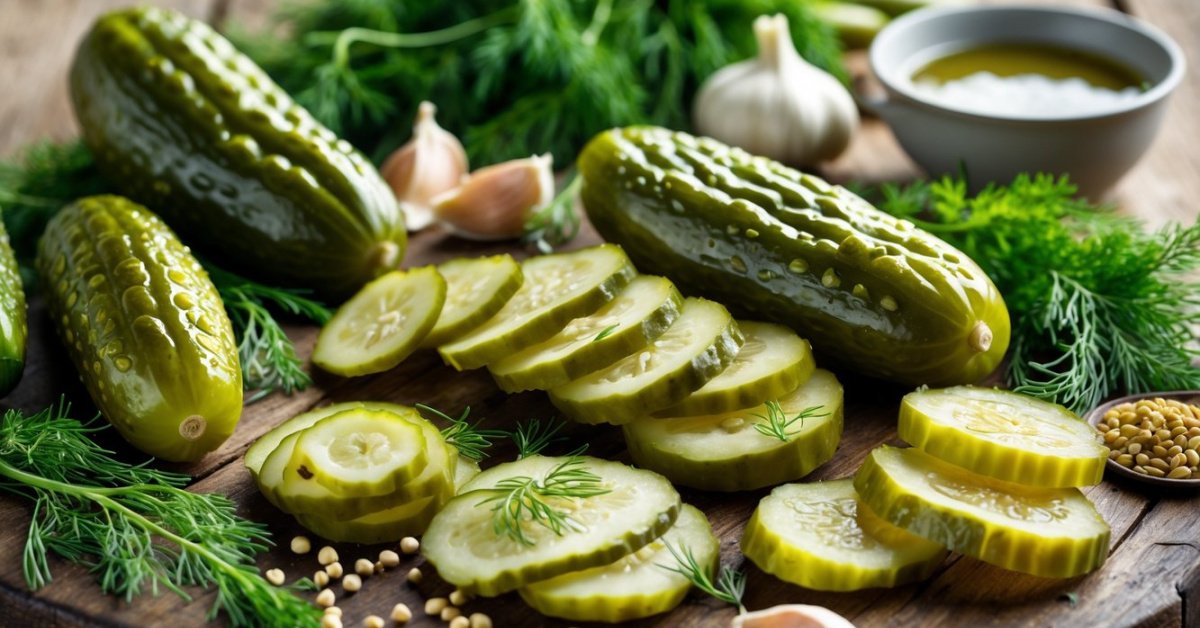
I love the tangy crunch of a good pickle—there’s just something irresistible about that burst of flavor. But as much as I enjoy snacking on them, I’ve started to wonder what all that acidity might be doing to my teeth. After all, pickles get their signature bite from vinegar and other acidic ingredients.
It turns out that what makes pickles so tasty can also impact dental health in surprising ways. If you’re like me and can’t resist reaching for another spear, it’s worth taking a closer look at how that sour kick might affect your smile.
Understanding Pickles: Ingredients and Acidity
Pickles get their distinct tang from acidic ingredients. I use distilled white vinegar, apple cider vinegar, or lemon juice for most of my recipes. These acids lower the pH of pickling brine to levels between 2.5 and 3.5, based on USDA data. Brine typically contains salt, water, and sometimes sugar to balance flavor. I often add spices like dill, mustard seeds, garlic, or peppercorns for extra depth, but acid remains the key.
Natural fermentation creates lactic acid, not acetic, for sour pickles like sauerkraut or traditional kosher dills. In fermented pickles, Lactobacillus bacteria convert sugars into lactic acid, which drops pH to the safe zone below 4.6 for preservation. Most store-bought pickles use vinegar for consistency, while homemade pickles let you control the acidity and flavor profile.
High acidity preserves pickles but also creates an environment that can impact tooth enamel. I always mention this when sharing pickles from my own garden or pantry, as acidity is both the pickler’s friend and a potential concern for dental health.
How Acidity in Pickles Affects Dental Health
Acidic brine, a hallmark of both homemade and store-bought pickles, interacts directly with teeth every time I savor my favorite dill spear or crunchy bread-and-butter slice. Acids in pickles can impact tooth structure after repeated contact.
Impact on Tooth Enamel
Pickle acidity erodes enamel, which is the hard outer layer protecting teeth. Vinegar-based brines often measure pH levels between 2.5 and 3.5, and anything below 5.5 can start dissolving minerals from enamel. After regular snacking on acidic foods like kosher dills or fermented gherkins, enamel might thin, leaving teeth looking more yellow and feeling rougher. Researchers at King’s College London found vinegar-based foods increased dental erosion by up to 85% compared to neutral foods. I always advise rinsing with water after eating pickles to help neutralize the acid.
Role in Tooth Sensitivity and Decay
Damaged enamel from pickle acids often leads to tooth sensitivity because underlying dentin becomes exposed. Users of highly acidic pickles—like those made with extra vinegar or lemon juice—often report more discomfort from hot, cold, or sweet foods. When acids linger near the gumline, they might create rough spots where bacteria collect, increasing the risk for decay. Evidence from the Journal of Dentistry links frequent consumption of acidic snacks to higher cavity rates. In my own pickling workshops, I remind people that brushing right after eating pickles can wear enamel further, so waiting 30 minutes helps minimize harm.
Comparing Pickles with Other Acidic Foods
Pickles, along with other acidic foods, impact tooth enamel due to their low pH levels. I often hear questions about how pickled cucumbers stack up against other tart favorites like citrus fruits, tomatoes, and sodas.
- Pickles
My homemade pickles usually reach a pH between 2.5 and 3.5, similar to strong vinegars used in preservation. This range matches the acidity of common store-bought brands.
- Citrus Fruits (such as lemons and limes)
Citrus fruits have a pH between 2.0 and 3.0, which compares closely to pickled foods. Lemon slices, grapefruit, and orange juice cause comparable enamel softening after contact.
- Tomato-Based Foods
Canned tomatoes and pasta sauces possess a pH range from 3.5 to 4.7. Tomato soup and salsa contain moderate acidity that can also challenge enamel resilience, though less intensely than pickles or citrus.
- Sodas and Sports Drinks
Carbonated sodas and most sports drinks usually fall between pH 2.5 and 3.5. Cola and energy drinks bring the acidity of pickles with added sugars, which may further accelerate enamel wear.
| Food/Drink | Typical pH Range | Relative Enamel Erosion |
|---|---|---|
| Pickles | 2.5–3.5 | High |
| Lemons/Limes | 2.0–3.0 | High |
| Tomatoes/Sauces | 3.5–4.7 | Moderate |
| Sodas/Sports Drinks | 2.5–3.5 | High |
Comparing these acidic foods, I see that pickles aren’t alone in posing a dental risk. The key factors are frequency of exposure, the food’s pH, and the presence of sugars in items like sodas. I recommend enjoying acidic items with meals or rinsing with water afterward. These habits protect enamel for gardeners and picklers who love to snack as much as I do.
Strategies to Minimize Acid Damage from Pickles
People who love pickles as much as I do often ask how to enjoy that tangy crunch and still protect their teeth. My years spent pickling and gardening taught me that a few simple habits go a long way.
Best Practices for Consumption
Spacing out pickle snacks rather than nibbling over hours reduces prolonged acid exposure. Eating pickles with meals, not alone, lessens direct enamel contact because saliva production increases with other foods—for instance, pairing pickles with whole-grain bread or vegetables helps buffer acid. Drinking plain water during and after eating pickles helps rinse away lingering brine. Limiting high-acid pickle types, like those using extra vinegar or citrus in the brine, can lower risk of enamel erosion.
Oral Care Tips After Eating Pickles
Rinsing with water directly after I eat pickles helps neutralize and clear away acid. Waiting at least 30 minutes before brushing, as I always recommend, prevents brushing while enamel is softened by acid. Using fluoride toothpaste strengthens enamel against erosion, especially for regular pickle eaters. Choosing a soft-bristled toothbrush creates less abrasion. Scheduling routine dental checkups helps monitor any enamel changes if pickles are a frequent treat in my diet.
Conclusion
Pickles have always been a favorite treat of mine and I know I’m not alone in loving their bold tang. While it’s easy to get caught up in the flavor it’s worth remembering that a little care goes a long way when it comes to protecting your teeth.
With a few mindful habits I can still enjoy pickles without worrying too much about my dental health. It’s all about finding that sweet spot between savoring what I love and keeping my smile healthy for years to come.