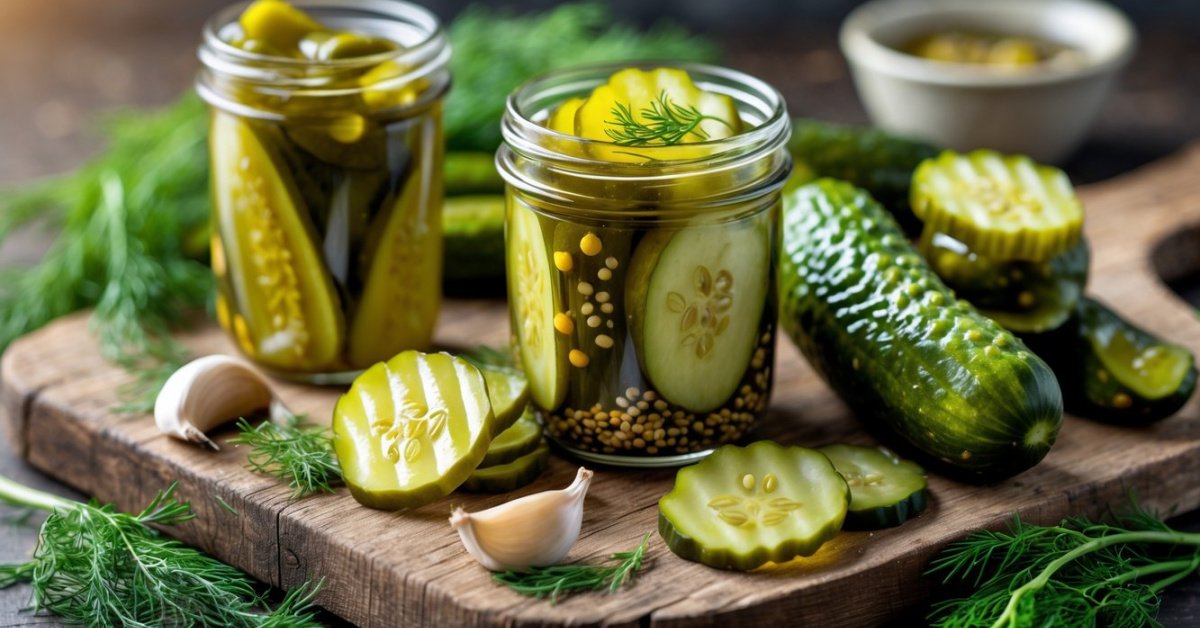
I’ve always loved the salty crunch of a good pickle. Whether I’m adding them to my sandwich or just snacking straight from the jar it’s easy to lose track of how many I’ve eaten. They seem harmless enough but have you ever wondered if there’s such a thing as too many pickles?
Turns out even this tasty treat can have some downsides if I go overboard. From the tangy flavor to the satisfying snap it’s tempting to keep reaching for more. Still it’s worth knowing what could happen when I let my cravings take control.
Understanding Pickles and Their Ingredients
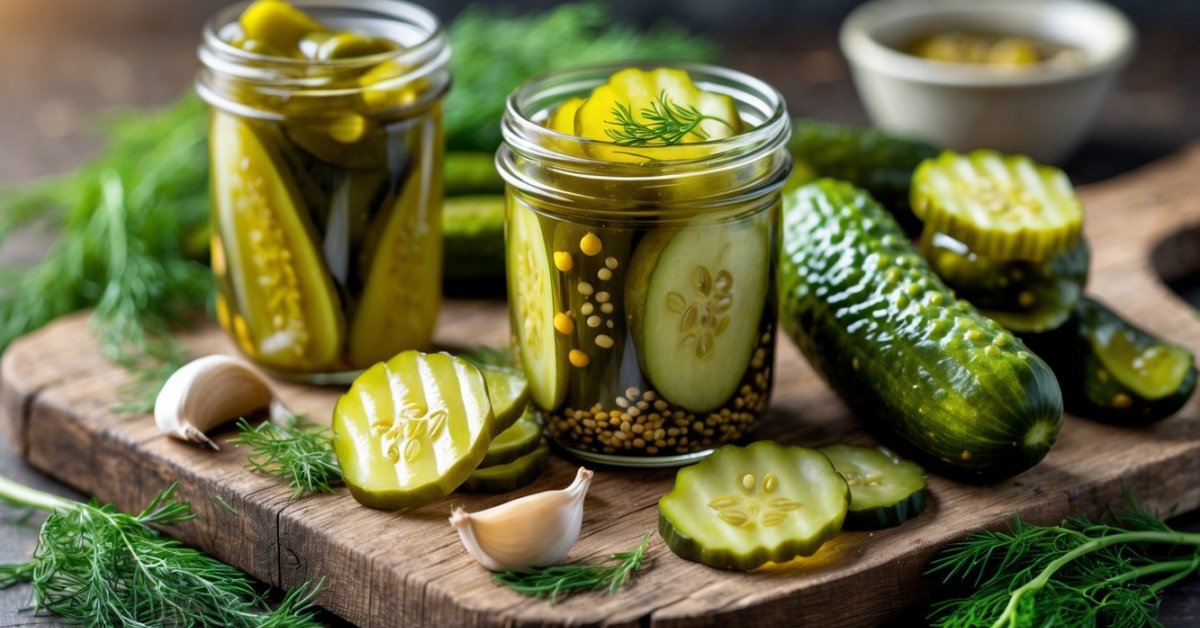
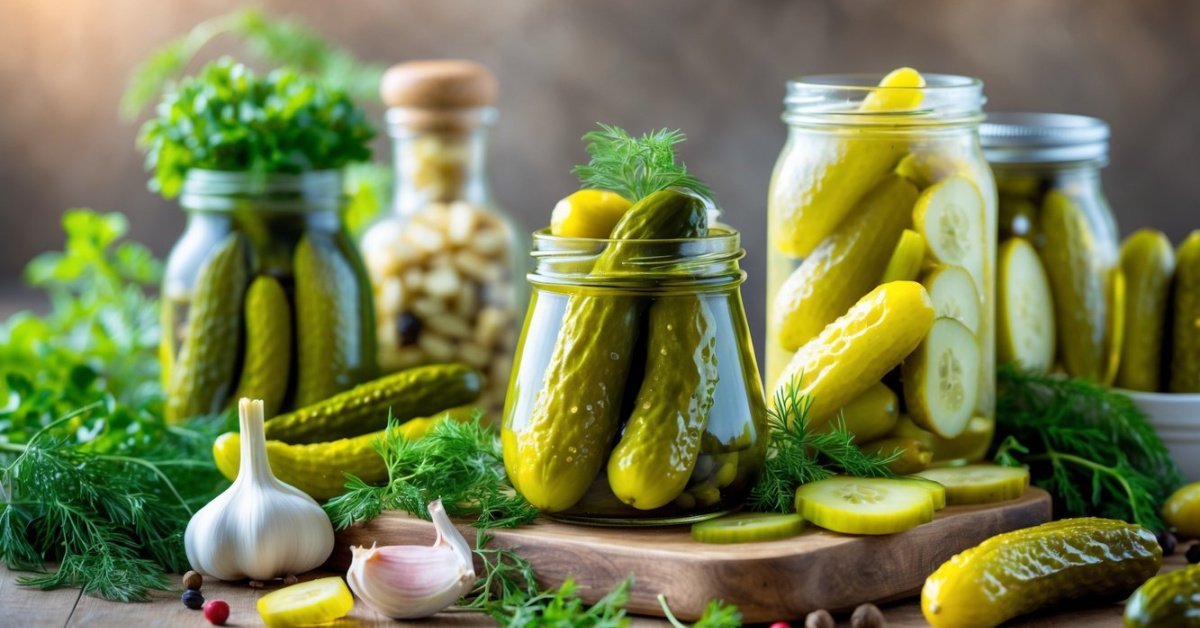
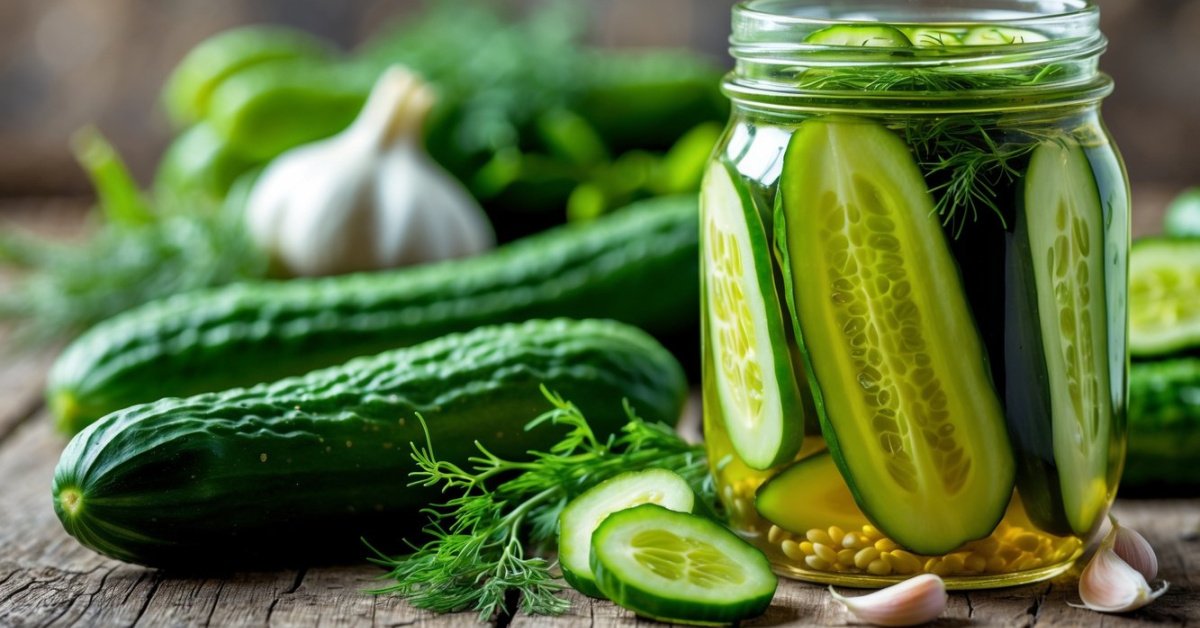
Pickles combine vegetables or fruits—like cucumbers, carrots, or green beans—with salt, vinegar, water, and spices to preserve and flavor the produce. Salt regulates fermentation and extracts moisture, creating a crunchy texture. Vinegar, with acetic acid levels between 5% and 7%, preserves pickles and delivers tang. Spices—such as dill, garlic, coriander, and mustard seeds—add aroma and depth.
Most commercial pickles include artificial preservatives, stabilizers, and sometimes sweeteners like high fructose corn syrup for shelf life and flavor consistency. Home pickling relies on natural preservation from brine or vinegar baths, creating small batch flavors with garden-fresh vegetables. Knowing each ingredient helps me gauge how pickles affect health, especially with larger servings or frequent snacking.
Understanding ingredient profiles shapes how I adjust recipes for lower sodium, sugar, or artificial additives. These choices help me balance my love of tart, crisp pickles with my goal of maintaining a healthy, self-sustaining lifestyle.
Common Reasons for Overeating Pickles
Habitual Snacking
Frequent snacking with pickles often happens when I keep jars easily accessible in my fridge or pantry. Quick cravings for a salty or crunchy bite make pickles an easy option, especially during meal prep or late-night hunger.
Salt Cravings
Strong salt cravings drive me to eat pickles in higher amounts, particularly after exercising or on hot days. Pickles contain high sodium levels that satisfy those cravings more efficiently than other foods.
Flavor Variety
Diverse pickle flavors—like dill, spicy, sweet, or garlic—encourage sampling multiple types in one sitting. Rotating through homemade batches or store-bought varieties makes it tempting to consume extra servings to compare tastes.
Social Gatherings
Serving pickles at potlucks or barbecues creates situations where I eat more than planned, especially when presented alongside cured meats, cheeses, or crunchy snacks. Unconscious snacking increases as I socialize and graze.
Emotional Eating
Periods of stress or boredom lead me to reach for pickles because the tanginess and crunch offer quick comfort. If emotional triggers go unaddressed, I notice an increase in pickle consumption without realizing it.
Overstocking Homemade Pickles
Large harvests from my garden result in surpluses of pickled cucumbers, beans, or peppers. Given the limited storage space, I find myself eating pickles more frequently to use up what I’ve preserved before the next season starts.
Health Risks of Overeating Pickles
Pickles hold a special place in my pantry and garden, yet eating large amounts regularly brings some real health considerations. Through years of pickling and sharing jars with friends, I’ve noticed these key risks when enjoying pickles in excess.
High Sodium and Its Effects
High sodium content in most pickled vegetables drives up daily salt intake quickly. Eating more than 2-3 standard spears daily adds over 800-1200 mg sodium, according to USDA nutrition data. Elevated sodium can promote fluid retention—I’ve seen this in summer after a garden harvest binge, with swollen fingers or mild headaches not uncommon. People sensitive to salt often notice these issues faster.
Digestive Issues and Stomach Discomfort
Digestive issues often follow when I or others overindulge in pickles. Large amounts of vinegar and salt sometimes irritate the stomach lining, causing mild cramping or nausea. Heavily spiced or extra sour pickles can exacerbate these issues, especially for those with sensitive digestion. Homemade varieties, when eaten in excess, create the same problems as store-bought.
Blood Pressure and Heart Health Concerns
Blood pressure rises quickly with regular high-pickle snacking, especially if other salty foods are part of the same diet. Clinical studies link consistently high sodium consumption to hypertension risk, as referenced by the American Heart Association. Avid garden picklers like me, who sample jars daily, need to watch for these silent changes.
Impact on Kidney Function
Kidney function declines over time with a sustained high-salt diet, and pickles add up fast. My friends with kidney concerns often ask about low-sodium options, since traditional recipes push kidneys to work harder filtering sodium. If kidney health is already fragile, even moderate pickle snacking could aggravate the issue based on National Kidney Foundation guidance.
Potential for Increased Acidity and Heartburn
Increased stomach acidity and resulting heartburn appear quickly after large servings of pickled foods. The vinegar and acidic brine that give pickles their tang often aggravate heartburn, particularly at night or when paired with spicy meals. Home batches sometimes taste milder but deliver the same acidic punch if consumed too often.
Safer Ways to Enjoy Pickles in Your Diet
I prioritize safer ways to add pickles to my meals by controlling portions, recipe ingredients, and pickling methods.
- Limit serving sizes
I eat small servings, about 1-2 spears or slices per meal, to keep sodium intake below 300 mg per serving—based on USDA data for most store brands (source: USDA FoodData Central).
- Choose low-sodium pickles
I select pickles labeled “low sodium,” which typically contain less than 140 mg sodium per serving, avoiding brands using brines with over 800 mg sodium per serving.
- Dilute salty brine
I rinse pickles briefly before eating to lower surface salt, especially with commercial varieties where brine is heavily salted.
- Pickle with natural ingredients
I use fresh garden produce, unrefined sea salt, and vinegar without additives, skipping artificial preservatives or dyes found in many packaged pickles.
- Swap with probiotic ferments
I rotate fermented pickles like lacto-fermented cucumbers, kimchi, or sauerkraut, which give flavor and probiotics with less vinegar and more beneficial bacteria.
- Control sugar content
I cut the sugar in homemade recipes by half or use fruit-only sweeteners, since excess sugar appears in some sweet pickles from national brands.
- Pair with potassium-rich foods
I add potassium-rich vegetables like tomatoes, avocados, or spinach to my plate, as potassium from these foods helps counter sodium’s effects on blood pressure (source: American Heart Association).
- Store pickles in smaller containers
I divide large jars into smaller containers, which helps me monitor portions and avoid finishing an entire jar in one session.
These strategies let me keep pickles in my garden-to-table meals without risking the health downsides of overeating. I enjoy experimenting with new fermentation methods and low-sodium recipes to support a self-sustainable kitchen.
Conclusion
Pickles will always have a place in my kitchen and my heart but I know that enjoying them responsibly is key. By paying attention to ingredients and serving sizes I can keep my salty cravings in check without compromising my health.
With a little mindfulness and some simple swaps I get to savor all the flavor and crunch I love. Healthy habits don’t mean giving up pickles—they just mean making smarter choices so I can keep enjoying them for years to come.