Whenever my throat starts to feel scratchy and sore I’m always on the lookout for quick and easy relief. While warm tea and honey are my usual go-tos I recently stumbled across an unexpected remedy—pickle juice. At first I was skeptical but curiosity got the best of me.
It turns out I’m not the only one reaching for that tangy green liquid when a sore throat hits. Some people swear by pickle juice as a soothing home remedy. I decided to dig a little deeper to find out if there’s any real science behind this salty solution and whether it’s worth a try the next time my throat needs a little extra help.
What Is Pickle Juice?
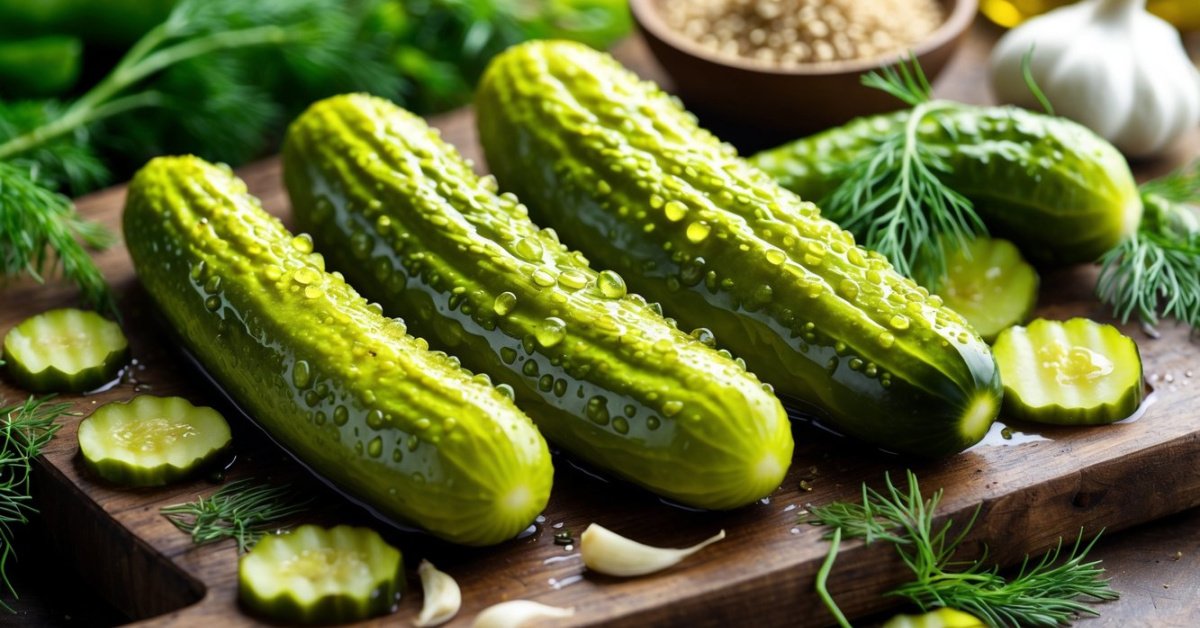
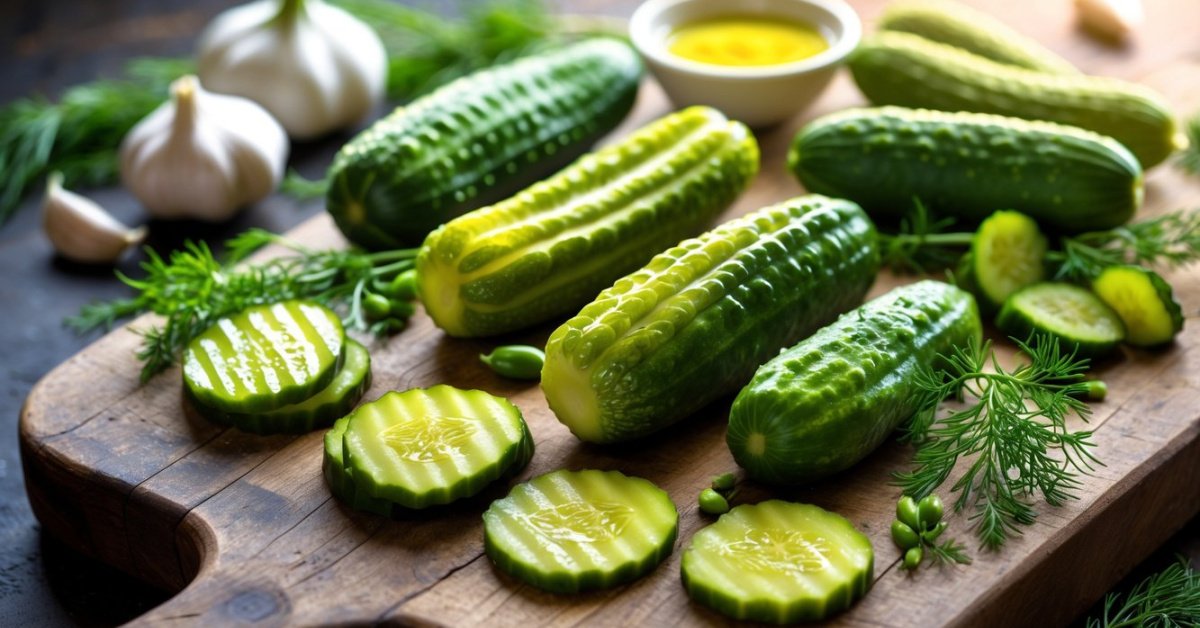
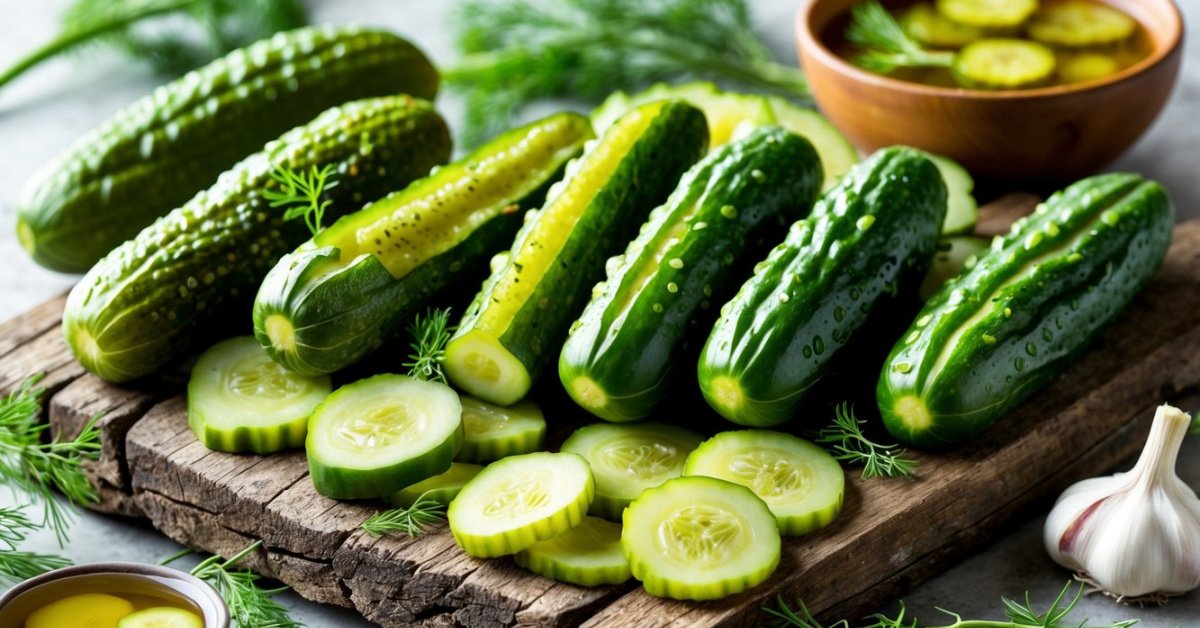
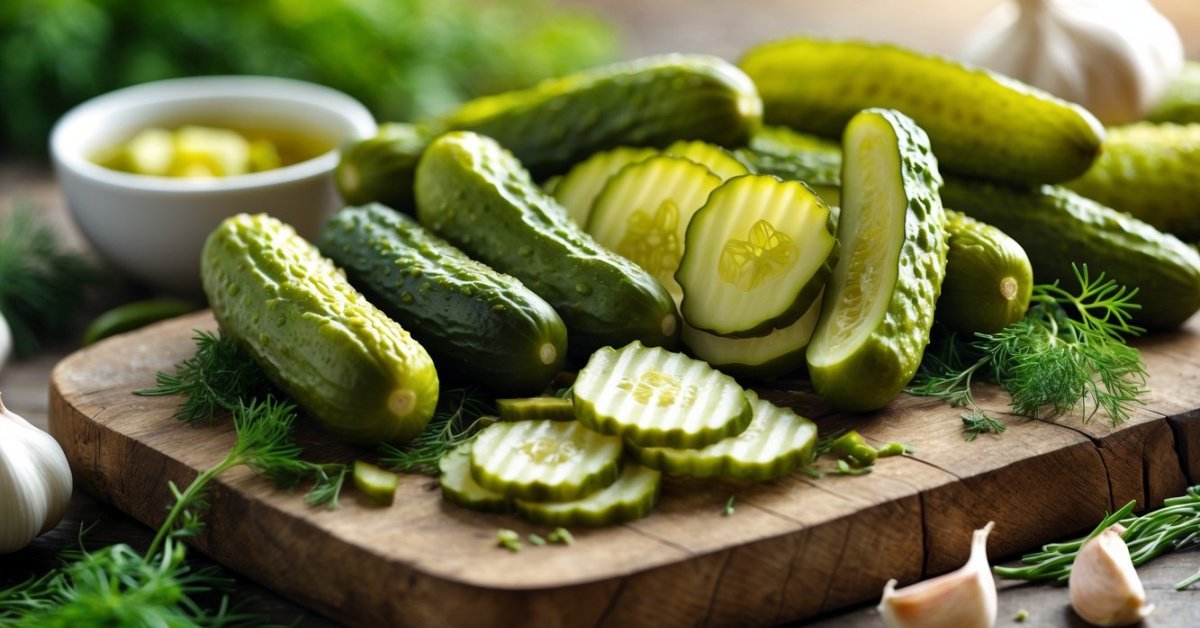
Pickle juice is the flavorful liquid left after pickling vegetables like cucumbers, green beans, and carrots. I craft my pickle juice from water, vinegar, salt, dill, garlic, and spices, adjusting the mix for each batch and vegetable type. Fermentation or quick pickling both create pickle juice, but only fermented pickle juice contains live probiotics from lactobacillus bacteria.
Most commercial pickles use vinegar brine—this type lacks probiotics but keeps the signature sour and tangy flavor. I prefer homemade brines, adding fresh herbs and garlic from my garden for more complexity. Every jar’s pickle juice contains dissolved minerals from salt and trace nutrients from vegetables. I always reuse leftover pickle juice to marinate vegetables or add brightness to salad dressings and sauces.
Why People Use Pickle Juice for Sore Throat Relief
People often reach for home pickling solutions when conventional remedies don’t suit their preferences or needs. Pickle juice appears in many homesteads as a thrifty and flavorful option for easing a scratchy throat.
Common Home Remedies for Sore Throat
- Warm Salt Water Gargle: I’ve seen gargling with homemade brines of salt and water recommended for decades since the salt helps draw moisture from inflamed tissue.
- Honey and Lemon: Many, myself included, reach for this classic blend for its soothing feel and pleasant taste.
- Herbal Teas: Chamomile and peppermint teas offer warmth and slight numbing properties that I’ve found popular among DIY gardeners.
- Apple Cider Vinegar: I notice apple cider vinegar solutions, much like homemade pickle brine, often appear in old remedy lists for their tartness and antimicrobial potential.
- Pickle Juice: Pickle juice stands out in my kitchen since it combines salt, vinegar, and spices, offering a powerful throat-cleansing swish in a single sip.
Popularity of Pickle Juice Remedies
Pickle juice remedies gain favor among experienced picklers and gardeners for several reasons. Households with a tradition of preserving cucumbers, beans, and garlic rarely let brine go to waste, especially when someone develops a sore throat. In my community, recycling brine for wellness uses reflects a practical, sustainable mindset. Surveys in gardening forums and pickle enthusiast groups frequently mention pickle juice as a go-to remedy during seasonal colds or throat irritation. This growing popularity draws on its availability, strong flavor, and the belief that live cultures or acidic components may help maintain throat comfort naturally.
How Pickle Juice Might Help a Sore Throat
I often find unused pickle brine offering more than flavor—it’s gained attention as a home remedy for sore throats. Many gardeners and picklers, like me, look to the pickling jar for quick comfort during cold season.
Potential Benefits of Vinegar and Salt
Vinegar and salt in pickle juice both play strong roles in pickling and throat relief. Acetic acid from vinegar creates an acidic environment that inhibits bacteria growth, according to the CDC and National Institutes of Health. Gargling vinegar-based solutions shows short-term antimicrobial effects, especially when compared to just water.
Salt in brine draws out excess fluid from swollen tissue, possibly easing throat discomfort. Saline solutions also break up thick mucus and discourage bacterial survival. I notice salt and vinegar together create a harsh but effective mixture—many fellow picklers credit this combo for mild throat relief.
Hydration and Soothing Effects
Pickle juice contains water, sodium, and traces of potassium and magnesium. Even if the flavor’s bold, pickle juice provides quick hydration, especially when mild dehydration irritates a sore throat. Some of my gardening friends chill pickle brine for a throat-cooling effect, finding it more palatable and soothing.
Sipping small amounts of pickle juice coats scratchy throat surfaces with a salty-acidic layer. Added garlic or spices in homemade brine sometimes boost the soothing effect, although spicy flavors may aggravate sensitive throats. When I seek gentle comfort, I choose lightly flavored, cooled brine for best results.
| Pickle Juice Component | Potential Benefit | Example Usage |
|---|---|---|
| Vinegar (acetic acid) | Antimicrobial action | Gargling small sips for temporary relief |
| Salt | Reduces tissue swelling | Used in traditional warm salt water gargle |
| Water/electrolytes | Hydrates throat tissue | Chilled sips for soothing dry or scratchy throats |
Evidence and Effectiveness
I’ve seen many claims about pickle juice’s ability to ease a sore throat, but credible evidence on its effectiveness is mixed. Here’s what the research and my own decades of pickling experience reveal about this remedy.
Scientific Studies and Medical Opinions
Most medical studies don’t specifically evaluate pickle juice for sore throat relief. Published research primarily investigates pickle brine’s role in muscle cramp prevention and hydration. For instance, the American College of Sports Medicine notes its rehydration effects in athletes (Miller et al, 2010), but doesn’t address throat discomfort.
Doctors typically recommend saltwater gargles, not pickle brine, to reduce throat swelling and bacterial load. The salt and acetic acid in pickle juice share properties with these standard remedies, yet the American Academy of Otolaryngology hasn’t formally endorsed pickle juice for sore throats. No randomized controlled trials link pickle juice directly to faster or more complete sore throat recovery.
If I compare this evidence to other home remedies—like honey or herbal teas—pickle juice remains less studied, with its potential mostly inferred by ingredient similarity rather than direct medical validation.
Anecdotal Reports
Picklers and gardeners in my circles often sing pickle juice’s praises. I hear success stories in gardening forums, community gardens, and pickling workshops. Many share that sipping or gargling chilled brine provides immediate cooling and numbs mild throat discomfort for a few hours, especially if the brine contains dill, garlic, or peppercorns.
Some reuse leftover cucumber, carrot, or even beet brines when fighting seasonal colds, emphasizing the relief comes quickly when commercial cold remedies aren’t available. Others in the pickling community suggest that salt and vinegar in the brine act together to break up mucus and soothe itchy throats, though each batch may vary in potency.
Based on conversations with long-time homesteaders and fellow seed-savers, pickle juice’s effectiveness appears tied more to tradition and flavor preference than to any proven medical factor. Many find comfort in its tang and the sense of self-sufficiency it embodies, especially for minor, short-lived sore throat irritation.
How to Use Pickle Juice for Sore Throat Relief
Pickle juice offers an easy-to-prepare, low-waste relief option for sore throats, especially for those who cherish pickling as much as I do. Maximizing the soothing qualities of brine depends on careful use and proper preparation.
Best Practices and Precautions
Select mild, clear brines over spicy or strong-flavored options, since highly seasoned pickle juice—think jalapeño or chili blends—can increase throat irritation. Strain brine through a fine mesh sieve or cheesecloth to remove seeds and bits of herbs, since particles can scratch a sensitive throat. Always use clean, uncontaminated brine, especially if the jar’s been open for several weeks; cloudy or off-smelling juice indicates mold or spoilage. If salt intake is a concern or you have existing health conditions like high blood pressure or kidney issues, consult a trusted healthcare provider before trying brine.
Dosage and Preparation Tips
Start with 1–2 tablespoons (15–30 ml) of chilled pickle juice, either to sip slowly or use as a gargle. Use undiluted brine for a more potent flavor, or dilute it with half water for those sensitive to vinegar’s acidity. Gargle for 30 seconds before swallowing or spitting, and repeat up to three times daily, ensuring you don’t exceed ½ cup (120 ml) of brine per day. Keep leftover brine in a sealed glass jar in the refrigerator, and discard if the color, aroma, or taste seems unusual. When preparing homemade juice, favor vinegars like apple cider or white wine and infuse with soothing herbs like dill, ginger, or a single clove of garlic to minimize harshness.
Possible Side Effects and Risks
Using pickle juice for sore throat relief carries several possible side effects, especially for those sensitive to its core ingredients.
- High Sodium Content
Pickle juice contains significant sodium, with most commercial brands averaging 800–900 mg per ½ cup (USDA FoodData Central). I observe that frequent consumption can elevate blood pressure or worsen existing hypertension, especially in adults aged 40 and up.
- Vinegar Acidity
Acetic acid from vinegar gives pickle juice its sharp flavor and acts as a preservative. Overconsumption sometimes irritates stomach lining, producing acid reflux or mild gastritis, particularly in people with sensitive digestive systems or a history of heartburn.
- Potential for Allergic Reactions
Homemade and commercial brines often include garlic, dill, mustard seeds, peppercorns, or other spices. I’ve encountered people with spice or herb allergies who report tingling, swelling, or rash after using such brines.
- Interaction with Medications
Pickle juice, especially homemade variants heavy in salt or vinegar, may interfere with certain medications. People on diuretics, ACE inhibitors, or potassium-sparing drugs should use caution—I always tell beginner picklers to check with their healthcare provider before trying brine-based remedies.
- Dental Enamel Erosion
Acids present in pickle brine can erode tooth enamel when sipped regularly. To reduce this risk, I advise rinsing with plain water afterward, particularly for those who use pickle juice as a remedy more than once a day.
- Worsening of Pre-Existing Conditions
People with kidney disease or sodium-restricted diets should steer clear of pickle juice for sore throat relief unless their doctor approves. Excess sodium can strain kidneys and affect fluid balance.
My decades of pickling and sustainable gardening taught me to value knowledge about preservation and food safety. We picklers blend flavor, tradition, and wellbeing by understanding both remedies and risks before reaching for the next jar of brine.
Conclusion
Trying pickle juice for a sore throat turned out to be a quirky but surprisingly satisfying experiment for me. I love how it lets me use every bit of my homemade brine while adding a punch of flavor to the usual remedies.
While the science isn’t fully settled I appreciate that pickle juice offers a thrifty and flavorful option when I need quick relief. If you’re a fellow pickler or just curious it’s worth giving this tangy remedy a try—just remember to listen to your body and enjoy it in moderation.