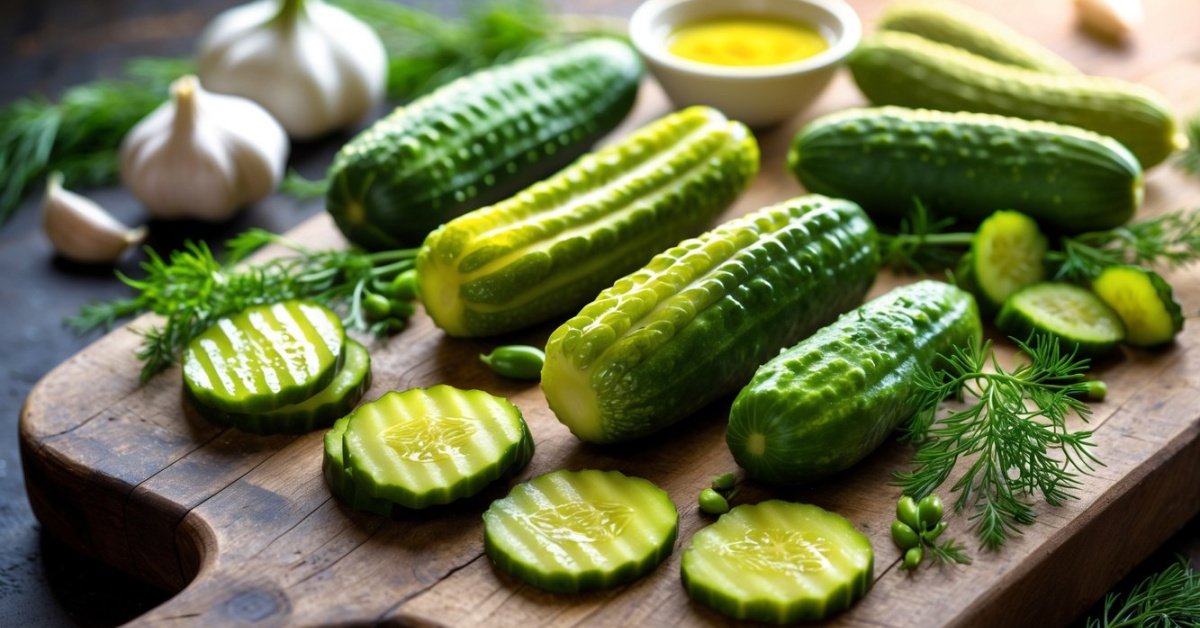
I’ve always loved the tangy snap of a good pickle and the smoky sweetness of classic BBQ sauce. One day I wondered—why not bring them together? That’s how I stumbled onto my favorite twist for summer cookouts: pickle-infused BBQ sauce.
This sauce packs a punch with its bold flavor and just the right amount of zing. It’s perfect for anyone who craves something a little different on their grilled favorites. If you’re ready to surprise your taste buds and wow your guests, you’ll want to give this recipe a try.
What Makes Pickle-Infused BBQ Sauce Unique
Pickle-infused BBQ sauce blends fermented brine with barbecue flavors, creating a complex tangy depth that stands apart from standard condiments. Pickle juice, fresh dill, and chopped pickles give the sauce its signature tartness and herbal brightness. I rely on pickling techniques and garden-grown vegetables to extract layers of sour-sweet complexity from dill pickles, bread-and-butter chips, and even spicy pickled peppers.
Flavor profiles in pickle-infused BBQ sauces show sharp acidity, balanced sweetness, and an herbaceous lift. I find this boosts the savoriness in meats, vegetables, and plant-based proteins far more than classic vinegar-based sauces.
Natural enzymes from fermented brines add a subtle zing and help tenderize grilled foods, a trait valued by experienced picklers. Homemade brines infuse garlic, mustard seeds, and peppercorns into the sauce, letting each batch mirror my garden harvests.
Traditional BBQ sauce recipes rely on sugar and smoke, but using pickle brine lets me cut refined sugar while keeping robust flavor. This swap supports my passion for food sustainability by using every drop of home-pickled brine, reducing waste from my canning projects.
Making pickle-infused BBQ sauce gives me a way to showcase pickles’ versatility beyond the jar. Every brush, dip, and marinade captures the vibrant essence of my garden and the careful craft of pickling.
Essential Ingredients for Pickle-Infused BBQ Sauce
Every pickle-infused BBQ sauce recipe starts with the right combination of brine, vegetables, and aromatics. My process always draws from the boldest flavors in my own pickling jars.
Choosing the Right Pickles
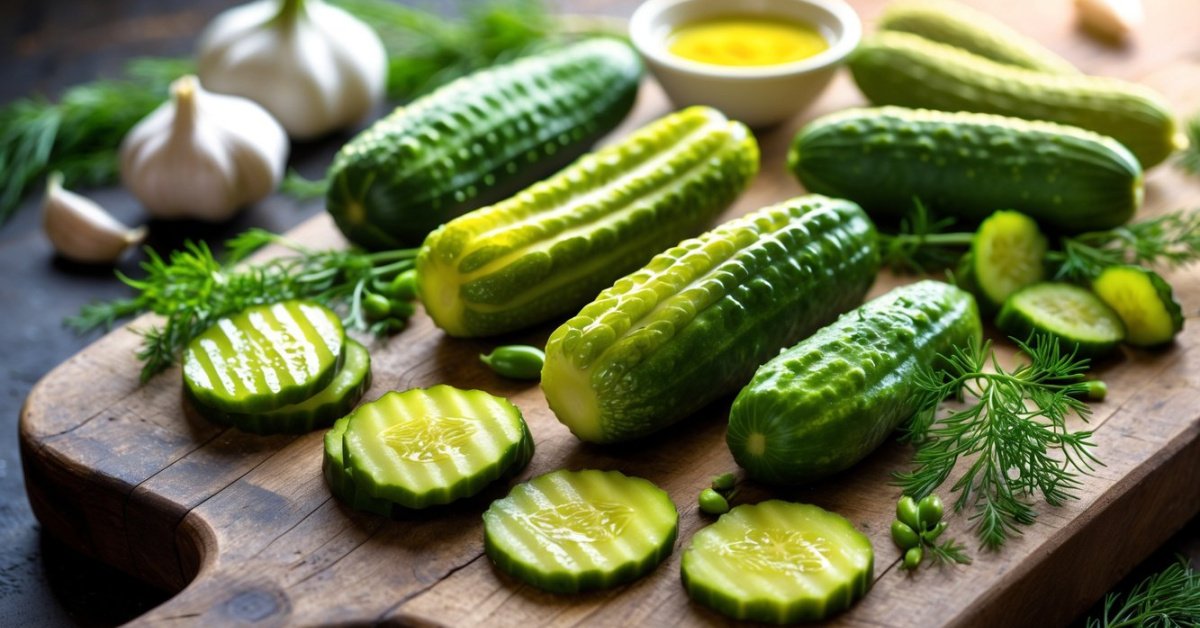
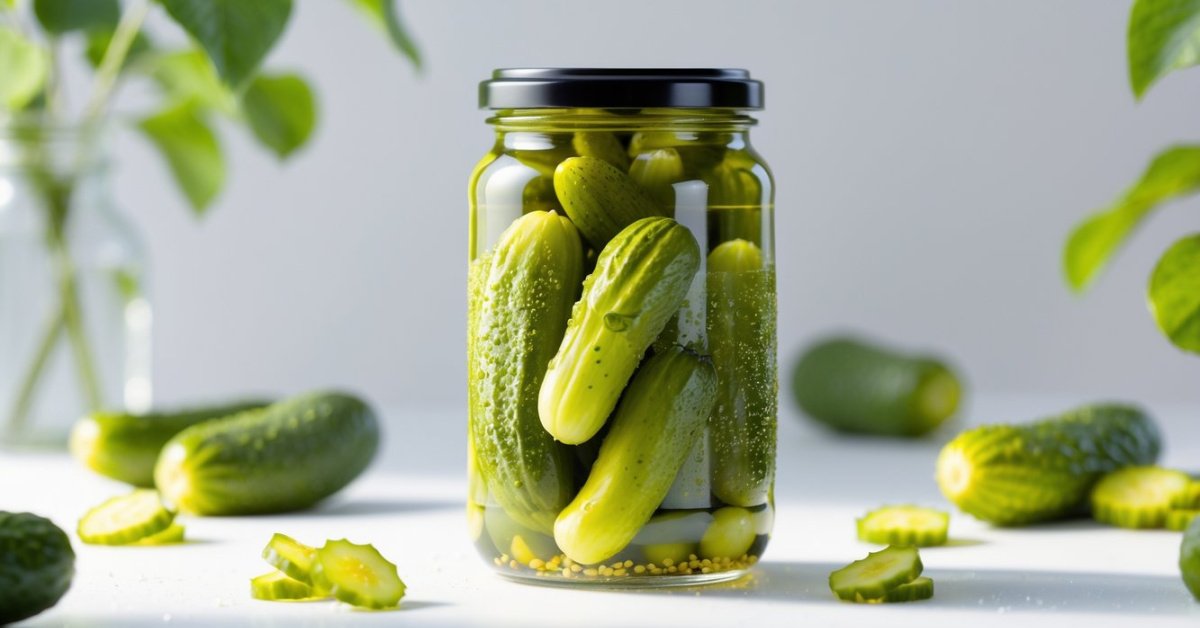
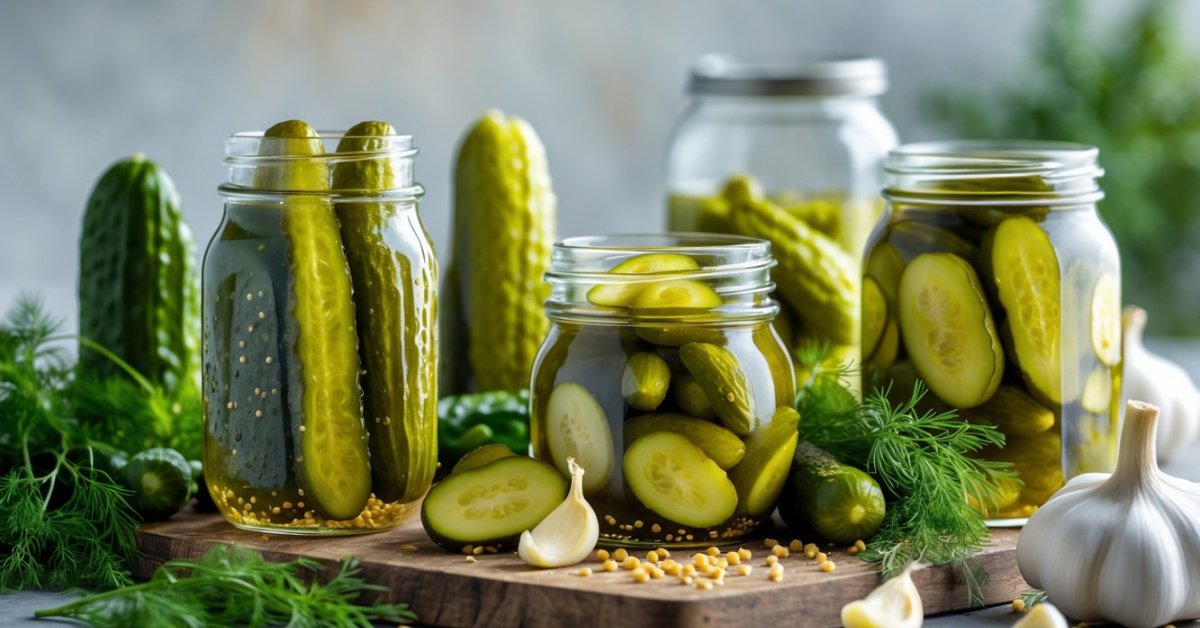
Crispy dill pickles maximize tang and snap. I use spears or chips fermented in garlic, dill, and mustard seed—homemade batches always yield the freshest brine and herbaceous bite. Sweet pickles add a layer of sugar complexity but mute the vibrant tartness I want. Bread and butter pickles create mellow sauces, but I reserve them for smoother glazes. Whole fermented cucumbers, sliced fresh at mixing, give the sharpest acidity and garden flavor.
Key Spices and Add-Ins
Smoked paprika intensifies barbecue depth. I always add dried mustard powder and celery seed for classic vintage barbecue notes. Fresh dill chopped straight from the garden brings herbal brightness, while minced garlic from pickled jars infuses layered savoriness. Brown sugar replaces much of the cane sugar, delivering molasses body without overpowering the pickle notes. For heat, a pinch of crushed red pepper or pickled jalapeños from last season’s harvest works perfectly. I finish with pickle brine to tie every flavor together with sharp, salty complexity.
Step-By-Step Pickle-Infused BBQ Sauce Recipe
I combine my pickling expertise and love for homegrown ingredients in this BBQ sauce. My process maximizes both pickle flavor and garden-fresh complexity at every step.
Preparing the Pickle Base
I start with 1 cup of homemade dill pickle brine, strained from a recent batch of fermented cucumbers. I dice ½ cup of chilled, crisp pickles—garlic dill varieties work best for a punchy base. I finely chop 2 tablespoons of fresh garden dill and set it aside with the pickles to preserve vibrant flavor. If I use store-bought pickles, I select only non-sweet, naturally fermented types for pure tang and enzyme action.
Mixing and Simmering the Sauce
I combine the diced pickles, chopped dill, pickle brine, 1 cup of tomato sauce, ¼ cup brown sugar, 2 tablespoons apple cider vinegar, 1 tablespoon smoked paprika, and 1 teaspoon each of dried mustard powder and garlic powder in a saucepan. I whisk these together until completely blended, then bring the mixture to a simmer over medium heat. After reaching a gentle bubble, I lower the heat and cook uncovered for 15–20 minutes, stirring every 3–5 minutes. This simmering step integrates the tangy brine with barbecue depth without dulling the herbal brightness.
Tips for Adjusting Flavor and Texture
I taste the sauce while it simmers, adding ground black pepper or a pinch of red pepper flakes for heat if needed. For extra tang, I stir in 1–2 tablespoons more pickle juice just before removing from heat. I use a stick blender for a smoother finish, blending in short bursts until the sauce reaches my preferred consistency. If the sauce thickens too much, I gently stir in extra tomato sauce or a splash of brine. If it turns too thin, I simmer a few minutes longer, letting liquid evaporate naturally. My final check focuses on balancing sweetness with acidity by testing with grilled vegetables or a piece of crusty garden bread before serving.
Serving Suggestions and Pairings
Pickle-infused BBQ sauce adds savory, tangy brightness to a wide range of dishes. I incorporate this sauce into everyday meals and preserve its briny zest across the seasons.
Best Dishes to Complement the Sauce
Grilled meats: Brushed over charred chicken thighs, pork chops, or brisket, this sauce intensifies the smoky flavor while tenderizing each cut.
Roasted vegetables: Drizzled on roasted cauliflower steaks, carrots, or potatoes, it highlights natural sweetness and earthy notes.
Plant-based proteins: Spread over grilled tempeh, mushrooms, or tofu, it delivers bold contrast and complexity to every bite.
Sandwiches and sliders: Layered in pulled pork, beef brisket, or veggie burgers, it infuses fillings with herbal tang and moisture.
Breakfast plates: A spoonful over scrambled eggs, hash browns, or breakfast sausage brightens morning flavors with sharp, salty lift.
Creative Uses Beyond Grilling
Marinades: Whisked with a little oil, the sauce becomes a quick marinade for pickled eggs, fish fillets, or garden zucchini slices.
Pizza topping: Swirled on homemade or flatbread pizzas after baking, it gives an unexpected tart finish, especially with smoked cheese or pickled onions.
Dip or salad dressing: Thinned with extra pickle brine or water, I turn the sauce into a dip for crudité or a dressing for coleslaw, potato salad, or chickpea salads.
Baked beans enhancer: Stirred into baked beans or lentil stews, it ups the tanginess and depth.
Charcuterie boards: Served as a dipping sauce, it complements sharp cheeses, cured sausage, and quick-pickled relishes from my garden jars.
Pros and Cons of Pickle-Infused BBQ Sauce
Pros
- Distinct Tangy Flavor: Pickle-infused BBQ sauce delivers a tang that classic sauces can’t match, with layers from homemade brine, chopped pickles, and garden herbs.
- Enhanced Tenderizing Abilities: Natural acids and enzymes in fermented brines help break down protein fibers in meats, resulting in juicier, more tender dishes. I’ve noticed this effect on both pork shoulder and smoked tofu.
- Versatility across Dishes: I use this sauce as a marinade, glaze, dip, or salad dressing, bringing briny brightness to everything from roasted root vegetables to sandwich wraps.
- Reduced Sugar Content: Homemade pickle brines in the recipe let me cut back on refined sugars, supporting my self-sustainable approach and keeping flavors vibrant.
- Elevated Herbal Notes: Fresh garden dill and other pickling spices add herbal complexity, enriching grilled or roasted foods with an unmistakable, garden-fresh quality.
Cons
- Acquired Taste for Some: The pronounced tanginess and sharpness, while a highlight for pickle lovers, can overwhelm those unused to bold, briny flavors. I don’t serve it to guests who prefer classic sweet or mild BBQ sauces.
- Potential Sodium Overload: Pickle brines bring high sodium content, which could pose concerns for anyone monitoring their salt intake.
- Limited Appeal in Sweet BBQ Dishes: Dishes centered around sweeter profiles, like honey-glazed ribs or brown sugar beans, sometimes clash with the pickled acidity rather than complement it.
- Shorter Refrigerated Shelf Life: I store pickle-infused BBQ sauce for up to two weeks due to the inclusion of fresh ingredients and brine, compared to some bottled sauces that last months.
- Texture Variability: Chopped pickles and herbs can create a chunky consistency, which I’ve found doesn’t always suit those who prefer a silky-smooth glaze.
Conclusion
Trying out pickle-infused BBQ sauce has truly changed the way I approach grilling and everyday meals. I love how it brings a punch of flavor with every bite and keeps things interesting no matter what I’m cooking.
If you’re feeling adventurous or just want to shake up your summer menu this year give this sauce a try. It’s a little quirky a lot tasty and sure to start some fun conversations around the table.