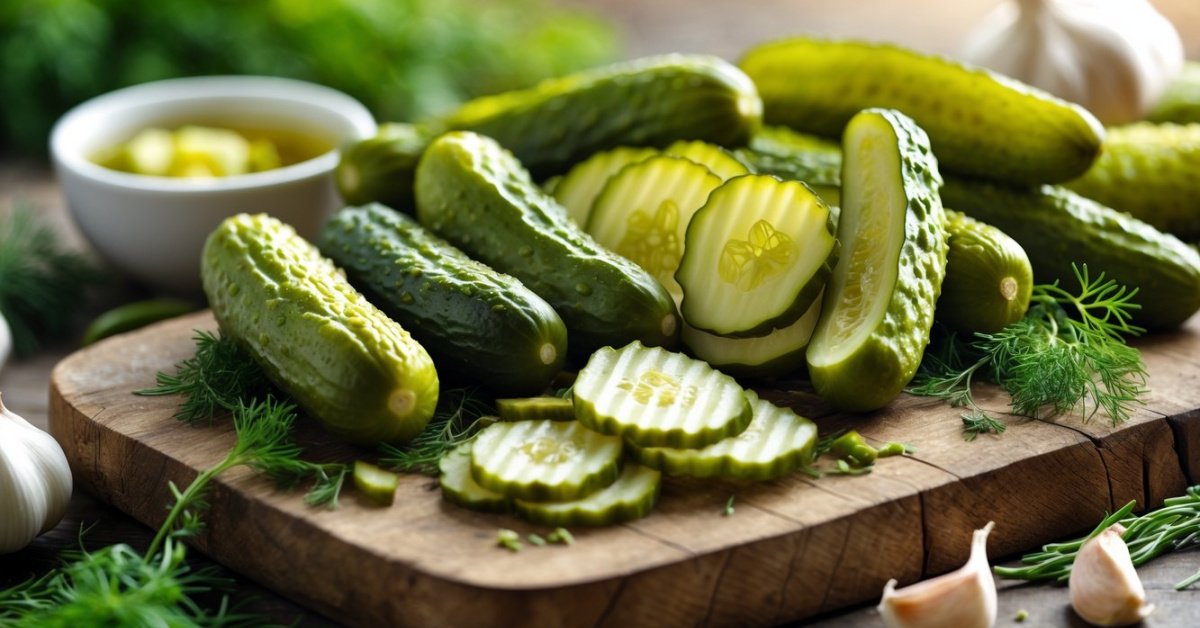
Every summer I look forward to the bright, tangy flavor of Indian mango achar. There’s something magical about how a handful of spices and unripe mangoes can transform into a jar of spicy pickle that wakes up any meal. The aroma alone brings back memories of bustling kitchens and family gatherings.
Making mango achar isn’t just about preserving fruit—it’s a tradition that connects me to my roots. I love how each bite packs a punch of heat and sourness, perfect for pairing with rice, rotis, or even a simple sandwich. If you’ve never tried making your own spicy mango pickle, you’re in for a treat.
What Makes Indian Mango Achar Unique
Flavor contrasts create the distinctive experience of Indian mango achar. I mix unripe mangoes with bold spices like mustard seed, fenugreek, chili powder, and asafoetida. Each ingredient delivers layers of tang, heat, bitterness, and aroma in every bite. I let the mango steep with salt and oil, preserving its tart crunch for months.
Fermentation plays a key role in mango achar’s character. When I sun-cure the jarred mixture, lactic acid bacteria naturally develop, giving the achar its characteristic tang and enhancing complexity. No vinegar gets added—this fermentation process draws flavor directly from the ingredients themselves.
Regional diversity defines Indian mango achar recipes. I’ve pickled with Punjabi methods heavy in mustard oil, tried salty Andhra avakaya, and experimented with Kerala-style mango achar using coconut oil and curry leaves. Each region customizes spice levels, oil types, and preservation styles to match local taste and climate.
Sustainable methods make Indian mango achar an ideal choice for growers and self-sufficient cooks. I use seasonal, home-grown unripe mangoes, reducing food waste by preserving excess harvest. All-spice mixtures come from my garden, ensuring freshness and control over ingredient quality. With proper curing, I keep these jars shelf-stable without refrigeration, aligning with traditional self-sustainable food practices.
Texture and color also set mango achar apart from other pickles. Unripe mango pieces keep their bite even after months in brine and oil. Turmeric, chili, and mustard stain them a deep gold and red, making these jars as visually striking as they are flavorful.
Key Ingredients in Indian Mango Achar: Spicy Pickle Recipe
Perfect mango achar needs a simple set of ingredients and attention to quality. I always focus on sourcing the freshest produce and spices from my garden or trusted local markets for the best results.
Choosing the Right Mangoes
Unripe mangoes form the foundation of any authentic Indian mango achar. I select mangoes with firm flesh and green skins, such as Langda or Totapuri varieties, avoiding any fruit with soft spots or ripening signs. Optimal sourness and crunch come from picking mangoes before their peak ripening window, usually at the start of the mango season. Homegrown mangoes picked in early summer consistently yield the tang and texture I want in my pickle jars.
Essential Spices and Oils
Spices drive the aromatic depth and heat in mango achar. My spice mix always includes mustard seeds, fenugreek seeds, red chili powder, turmeric, and asafoetida. I toast mustard and fenugreek to unlock richer flavors, then grind them fresh if possible. Turmeric contributes earthy color and antiseptic qualities, while red chili powder sets the warmth level and gives that signature glow. Asafoetida infuses a savory note often missed in Western pickling.
I use cold-pressed mustard oil as my carrier oil for its sharp taste and preservative power. Fresh, unrefined oil poured over the mango-spice mixture after cooling seals in the flavors and extends shelf-life. When mustard oil isn’t available, I substitute with sesame oil, though it alters the aroma slightly. Every batch of achar I make gets these key components, ensuring classic taste and preservation rooted in sustainability.
Step-By-Step Guide to Making Indian Mango Achar
Making mango achar gives me joy, especially when sharing techniques I’ve refined through years of gardening and pickling. Here’s my precise process for turning unripe mangoes into a spicy, aromatic pickle.
Preparing the Mangoes
I always start with 1 kg of firm, green mangoes, usually Langda or Totapuri, just picked for peak tartness. I wash the mangoes thoroughly, pat them dry, then cut them into 1-inch cubes, keeping the skins for crunch and flavor. I sprinkle 2 tbsp salt and 1 tsp turmeric powder on the mango pieces, mixing to coat evenly. I spread them on a clean cloth, leaving them under indirect sunlight for 5-6 hours. This step dehydrates excess moisture while helping the mangoes absorb salt, which prevents spoilage and preserves texture.
Mixing the Spices
I blend spices freshly for robust flavor. For 1 kg mangoes, I roast 2 tbsp mustard seeds and 1 tbsp fenugreek seeds separately until fragrant. I grind both coarsely and combine with 3 tbsp red chili powder, 2 tsp asafoetida, and 1 tbsp fennel seeds. I mix these spices with the sun-dried mango pieces, then pour in 150 ml cold-pressed mustard oil. I toss the mixture well, ensuring each mango chunk gets a uniform spicy coating.
Pickling and Storage Tips
I transfer the spiced mango pieces into a glass jar, packing tightly to minimize air gaps. I use sterilized, completely dry jars to stop mold or fermentation issues. I pour any residual mustard oil over the mangoes to create a protective layer. I seal the jar and place it in sunlight for 7-10 days, shaking it daily for even marination. After the sun-curing, I store the achar in a cool, dark place, where it keeps its flavor and crunch for months.
Achar made with this method stays crisp and tangy, and the garden-sourced ingredients help me maintain a sustainable kitchen.
Taste, Texture, and Serving Suggestions
Indian mango achar delivers a complex taste profile that blends tangy, spicy, and salty notes from garden-fresh unripe mangoes and carefully layered spices. I find the initial burst of sharp sourness from the mango gives way to warmth from mustard, fenugreek, and red chili, with a slight bitterness rounded by asafoetida. Each bite provides an aromatic and robust flavor unique to traditional pickling methods.
Texture in my achar relies on picking firm, green, early-season mangoes and precisely sun-curing them. The resulting pieces stay crisp on the outside—sometimes with a satisfying snap—while still absorbing the oily, spiced brine. Compared to vinegar-based pickles, this oil-cured achar feels dense and chewy, never soggy or limp. Turmeric and chili powder not only boost color intensity but also help preserve that integrity.
Serving suggestions draw from years of experimenting at family meals and seasonal gatherings. I serve mango achar in small portions alongside Indian staples like dal, rice, paratha, or khichdi, elevating simple dishes with bursts of heat and sourness. For snacks, I add achar to cheese boards or stuffed sandwiches, where a teaspoon brightens sharp cheddar or roasted paneer. It doubles as a flavor punch in wraps or savory flatbreads—just a small wedge transforms roasted vegetable or bean fillings. If paired with yogurt or salads, achar’s acidity and spice balance dairy’s creaminess and vegetables’ freshness.
Any time I open a jar, aromatic oils and pickled mango signal not just preserved food but a piece of self-sustained harvest, ready to enliven everyday meals.
Health Benefits and Nutritional Value
Mango achar delivers a combination of essential nutrients and bioactive compounds from its ingredients. Unripe mangoes provide vitamin C, vitamin A, fiber, and antioxidants. I find that using firm varieties like Langda or Totapuri keeps these nutrients intact through the pickling process. These mangoes contain 36 mg of vitamin C per 100 g, which supports immune health and improves iron absorption.
Spices in mango achar add health-boosting properties. Mustard seeds supply selenium and magnesium, contributing trace minerals. Fenugreek promotes digestive function with soluble fiber and galactomannan, as observed in several traditional Indian diets. Red chili powder brings capsaicin, which supports metabolism and offers antioxidant effects. Turmeric contains curcumin, recognized for anti-inflammatory effects, based on multiple clinical studies (NIH, 2021).
Cold-pressed mustard oil isn’t just a folk tradition; it contains healthy fats, notably monounsaturated fatty acids (MUFA) at 60%. I rely on this oil because it preserves the achar, lends antimicrobial properties, and supports heart health with low saturated fat content.
Fermentation during homemade mango achar production encourages beneficial probiotic activity. I harness this process by sun-curing, which cultivates lactic acid bacteria found on mango skins and spices. These microbes support gut health and add to the tangy profile, provided the achar’s stored in sterile jars and not overheated.
Below, I’ve summarized the key nutritional values of classic Indian mango achar per 20 g serving (approximately one tablespoon):
| Component | Approximate Value | Notes |
|---|---|---|
| Calories | 35 kcal | Varies with oil content |
| Carbohydrates | 6 g | Mostly from mango and spices |
| Fiber | 1.2 g | Aids digestion |
| Fat | 1.8 g | Predominantly MUFA from mustard oil |
| Protein | 0.7 g | From mango and mustard seeds |
| Vitamin C | 6.5 mg | 18% of Daily Value, mostly from unripe mango |
| Sodium | 380 mg | Preservative, varies with recipe |
| Probiotics | Variable | Increases if sun-fermented (homemade) |
Including mango achar in meals offers a low-calorie, nutrient-rich addition that stimulates appetite and assists digestion. I consider the use of natural preservatives, fresh spices, and oil a sustainable way to enhance food safety and shelf life while supporting wellbeing.
Conclusion
Making Indian mango achar is more than just a culinary project for me—it’s a celebration of flavor, tradition, and sustainability. There’s something magical about transforming humble green mangoes and spices into a vibrant, tangy pickle that brightens every meal.
If you’ve never tried making your own achar before, I hope you’ll give it a shot. The process is rewarding and the results are always worth the wait. With each batch, you’ll discover new layers of taste and create memories that last long after the last jar is empty.