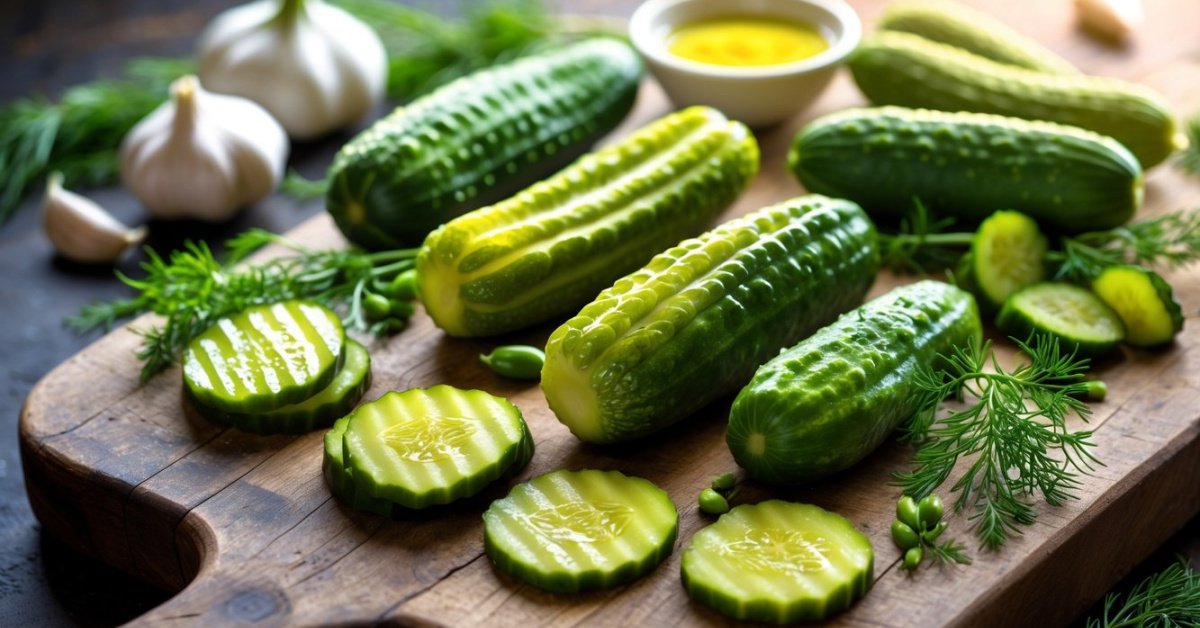
I’ve always heard that pickles are a classic pregnancy craving. There’s just something about that salty crunch that seems irresistible when you’re expecting. But like many moms-to-be, I’ve wondered if giving in to those tangy cravings is actually safe.
With so much advice out there about what to eat and what to avoid during pregnancy, it’s easy to feel confused. I wanted to dig a little deeper and find out whether pickles are really a safe snack for pregnant women—or if there’s more to the story than meets the eye.
Nutritional Value of Pickles During Pregnancy
Pickles offer unique nutrients that appeal to pregnancy cravings. I see most store-bought cucumber pickles contain low calories, typically 5-15 kcal per medium spear, making them a light option for snacking. Sodium levels run high, often reaching 400-1,200 mg per spear according to the USDA’s FoodData Central, so pairing pickles with low-sodium foods matters for overall balance.
Electrolytes in pickles, mainly sodium and modest potassium from some recipes, help with hydration needs common during pregnancy. Iron and calcium levels stay low in most common varieties but trace minerals—like magnesium—persist in small amounts, especially in home-fermented batches.
Fermented pickles, such as lacto-fermented dills, provide probiotics that benefit digestive health. Pasteurized pickles lack these live cultures. Vitamin K appears in notable quantities only in pickles retaining cucumber skins; for example, a spear can deliver up to 13% of the daily value, based on data from the National Institutes of Health.
Sugar content varies based on style; sweet pickles carry more sugar, sometimes 2-7 grams per spear, while traditional dills stay under 1 gram. I always advise reading nutrition labels or, for homemade pickles, tracking recipes closely.
When making or choosing pickles for pregnancy, I focus on these nutrients for a smart, flavorful addition to a balanced diet.
Health Benefits of Eating Pickles While Pregnant
Pickles offer more than flavor variety to a pregnancy diet. As someone with decades of experience in pickling, I see how certain pickles can benefit pregnant people in unique ways.
Satisfying Cravings and Taste Preferences
Pickles satisfy salty and sour cravings common in pregnancy. Eating a pickle spear delivers intense taste with low calories, which helps me manage my appetite and avoid higher-calorie snacks. For example, dill pickles give crunch and tartness, while bread-and-butter pickles provide sweetness for those preferring milder flavors. Diverse pickled vegetables—like carrots, beets, or green beans—expand taste options and help increase vegetable variety in meals.
Potential Risks and Concerns
Pickles for pregnancy offer unique flavors and satisfy cravings, yet several risks need attention due to their preparation and ingredient profile. I base these concerns on years of pickling and close observation of how pickled foods interact with a balanced diet during pregnancy.
High Sodium Content
High sodium levels in most commercial pickles pose a health risk for pregnant people. Each spear often contains 400–1,200 mg sodium; for context, the American Heart Association limits daily sodium to 2,300 mg for adults. Sodium excess can increase the risk of hypertension and worsen pregnancy-related swelling. I recommend choosing low-sodium pickles or pairing standard pickles with fresh vegetables to offset sodium intake when preparing homemade jars.
Risk of Foodborne Illness
Contamination with harmful bacteria or molds can occur in pickles, especially those prepared using improper canning methods. Listeria monocytogenes and Salmonella, for example, threaten pregnant people and their babies and may be found in unpasteurized or poorly sealed jars. Home pickling requires strict kitchen hygiene, correct brine acidity (pH below 4.6), and tested recipes to reduce infection risk. When buying pickles, I look for pasteurized options or fermented varieties stored under proper refrigeration.
Tips for Safely Enjoying Pickles During Pregnancy
Choose pasteurized pickles first to reduce the risk of foodborne illness, as unpasteurized and homemade varieties can sometimes carry Listeria if not handled safely. I always check labels for “pasteurized” on jars from the store, and I only buy from refrigerated cases if the pickles are fresh-pack, never shelf-stable out of season.
Limit sodium by selecting low-sodium versions or rinsing the brine before eating to help avoid swelling and high blood pressure. I balance a serving—about one spear, or fresh pickles in quarters—by pairing it with unsalted foods like raw carrots or whole-wheat crackers.
Prepare small batches at home using tested canning recipes from trusted sources like the USDA or Ball Canning Books when enjoying house-made pickles. I sterilize all my jars, maintain the right brine acidity (at least 2% vinegar), and skip risky ferments for the duration of pregnancy if I’m not confident in my technique.
Store homemade and open jar pickles below 40°F in the fridge, and eat within four weeks for best quality and minimal microbial risk. I label every jar with the prep date.
Monitor added sugars by avoiding sweet pickles loaded with syrup. Dill or sour styles contain less sugar. I always read ingredient lists carefully, especially when buying in bulk or at farmer’s markets.
Opt for pickles with the skin on to maximize vitamin K if I want the extra nutrient boost, since peeled cucumbers contain less. I select baby dills or fresh refrigerator pickles with skins intact.
Consult my healthcare provider if I have any blood pressure concerns, allergies, or dietary restrictions. This step ensures my garden’s bounty and my cravings align with my pregnancy needs.
Alternatives to Traditional Pickles
Brined Vegetable Medleys
Pickled vegetable medleys offer variety for those seeking alternatives to classic cucumber pickles during pregnancy. I often use carrots, cauliflower, radishes, and green beans, since these vegetables remain crisp and provide unique flavors. Most medleys add extra vitamin A and fiber, increasing nutritional value compared to standard cucumber-only pickles.
Fermented Options Beyond Cucumbers
Fermented pickles give probiotics that support digestive health without the sodium spike of many commercial pickles. My favorite batches combine cabbage (sauerkraut), carrots, or beets, each with vinegar-free brines. Unpasteurized options supply live cultures if kept refrigerated and consumed within three weeks.
Quick Refrigerator Pickles
Refrigerator pickles offer a low-salt and low-sugar alternative, since there’s no need for the intense brine of shelf-stable preserves. I use small-batch recipes featuring zucchini, turnips, or pearl onions, letting me adjust vinegar, herbs, and spices easily. Most refrigerator pickles keep fresh and safe for up to four weeks when stored at or below 40°F.
Fruit Pickles
Pickled fruits like watermelon rind, apples, or pears satisfy sweet cravings without relying on high-sodium brines. My pickled watermelon rinds provide mild, unique bites, while pickled apples deliver a tangy counterpoint to savory foods. Moderate added sugar and use pasteurized recipes for best results.
Lacto-Fermented Kraut and Kimchi
Lacto-fermented options, such as sauerkraut and mild kimchi, add probiotic-rich choices that use less salt than most pickled cucumbers. I select red or green cabbage, daikon radishes, and carrots, fermenting them in stoneware crocks for seven to ten days. These options broaden the pregnancy-safe pickle category while supporting gut health.
Homemade Low-Sodium Pickles
Custom low-sodium pickles let me control salt content, using garlic, dill, mustard seeds, or tarragon for flavor. I grow and harvest my own cucumbers and herbs, boosting self-sustainability. My low-salt brine ensures flavor without elevating blood pressure risks—ideal for anyone monitoring sodium during pregnancy.
Non-Acidic Pickled Vegetables
Vinegar-free, brine-based ferments skip acetic acid, using wild lactobacilli to preserve and flavor. I rely on clean, filtered water and Himalayan salt for these recipes. Examples include classic brined green tomatoes or pepper slices, which stay crisp and tangy without added acids.
Pasteurized and Store-Bought Alternatives
Pasteurized, low-sodium pickles from trusted producers serve as a reliable alternative if convenience matters. I check nutritional facts for sodium (under 200 mg/serving) and sugar, avoiding unnecessary additives or preservatives. Brands offering “live cultures,” “refrigerated,” or “fermented” on the label increase probiotic benefits for expectant mothers.
Choosing these alternatives to traditional pickles lets me tailor my pickling projects to match taste, nutrition, and safety needs during pregnancy, while feeding my passion for gardening and self-sustainability in every batch.
Conclusion
When I think about pickles during pregnancy I see them as a flavorful way to satisfy cravings and add some crunch to meals. With a little care in choosing the right type and paying attention to how they’re prepared I can still enjoy them without worry.
Listening to my body and being mindful of sodium and safety helps me make the most of this classic snack. If I ever have questions or concerns I know my healthcare provider is there to guide me.