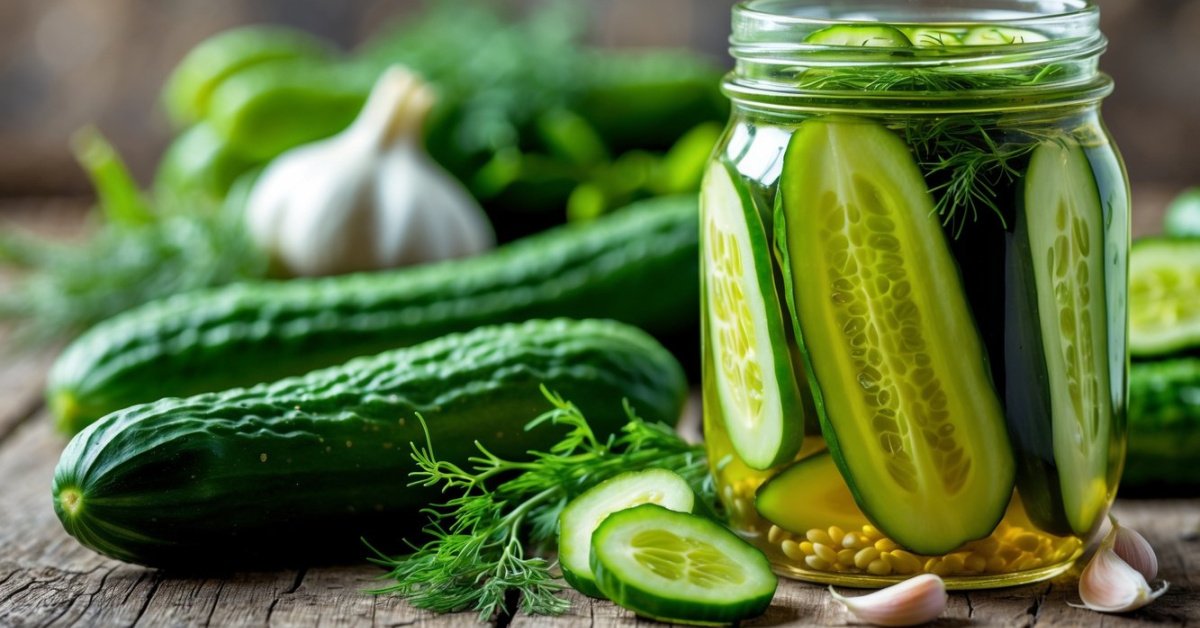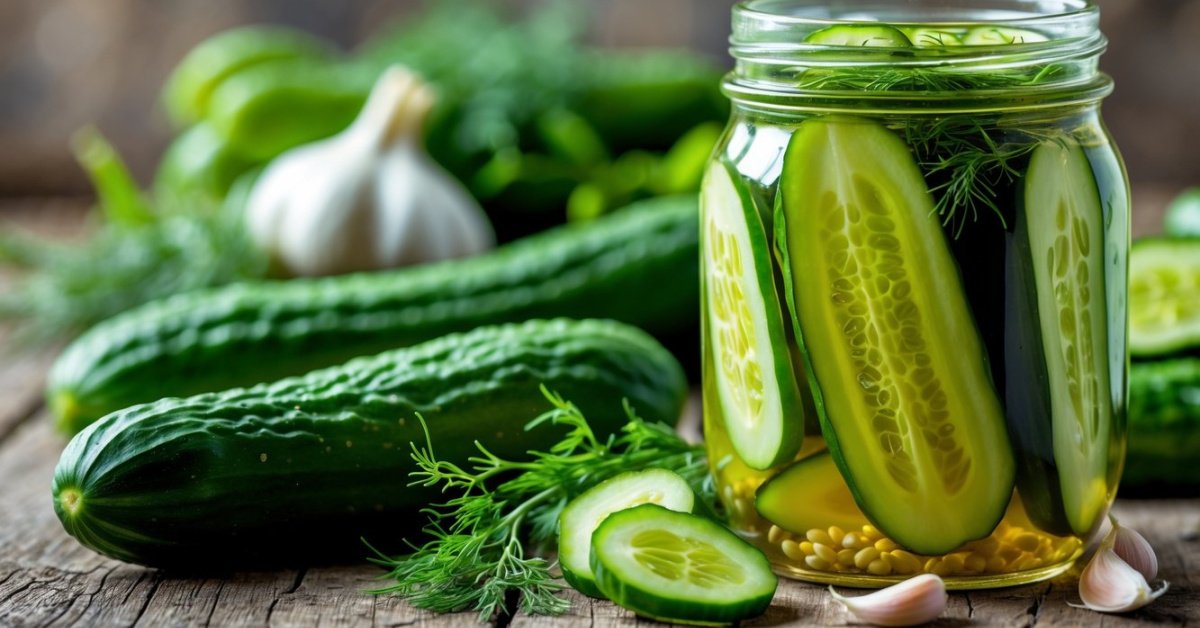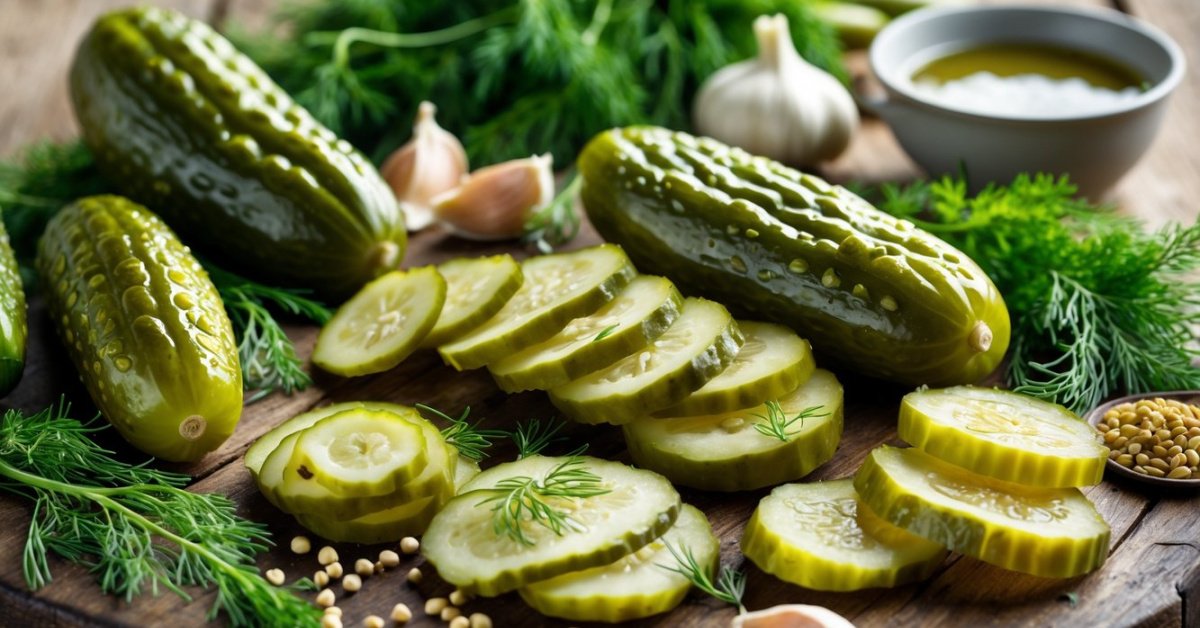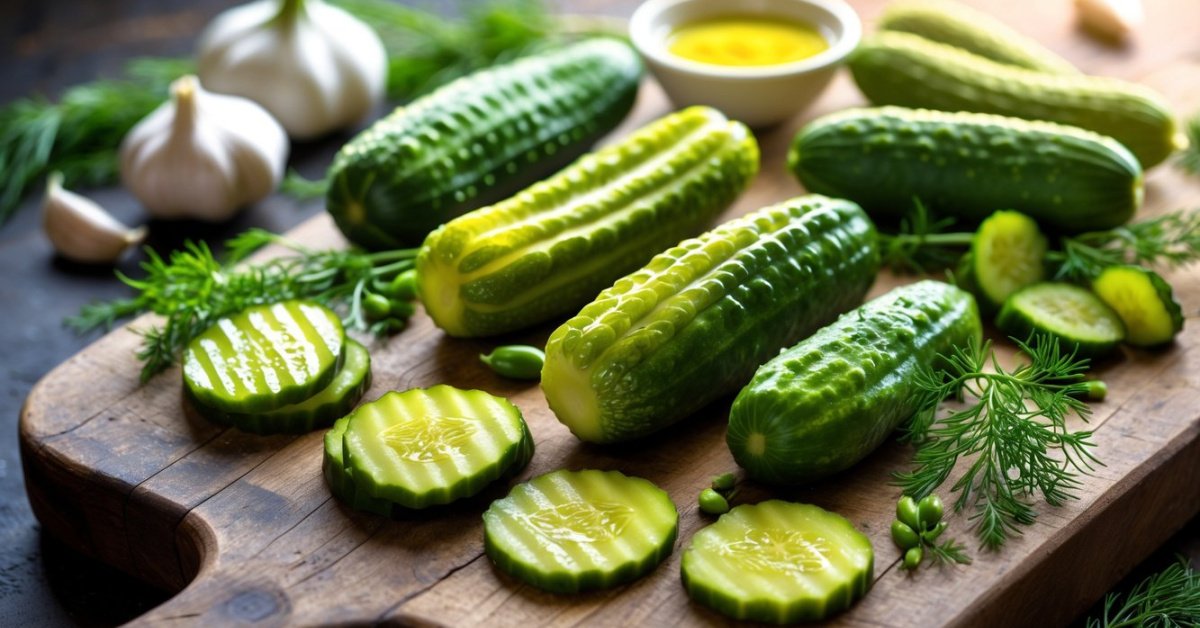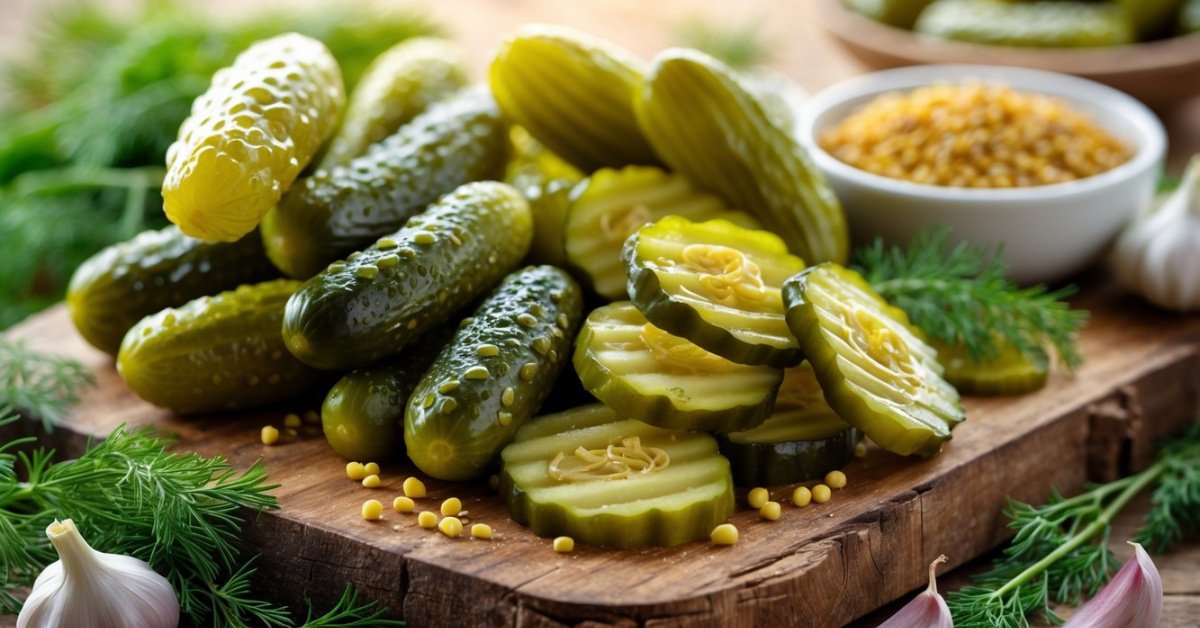
I’ve always loved the satisfying crunch of a good pickle but sweet gherkin pickles have a special place in my heart. Their tiny size and bold flavor make them the perfect bite-sized treat whether I’m snacking straight from the jar or adding a tangy twist to a cheese board.
Making sweet gherkin pickles at home is easier than it sounds. With just a few simple ingredients and a little patience I can whip up a batch that’s crisp sweet and bursting with flavor. If you’re looking for a fun kitchen project that delivers big rewards you’re in for a treat.
What Makes Sweet Gherkin Pickles Unique
Texture defines sweet gherkin pickles more than other pickle types. I always get a crisp snap when biting into each one, with firmness that comes straight from using small, young cucumbers like ‘National Pickling’ or ‘Parisian’ varieties.
Flavor stands out through a balanced mix of sweetness, acidity, and subtle spice. My jars combine sugar, mild vinegar such as apple cider vinegar, and spices like cloves and mustard seed for layered notes. Average sugar content often reaches 20 percent by weight—much higher than in bread-and-butter or dill pickles.
Shape and size create the signature gherkin identity. Unlike spears or slices, my gherkins stay whole and under 2 inches long after pickling, preserving their miniature look.
Preparation technique uses repeated hot brining over several days. Multiple short boils, as documented by National Center for Home Food Preservation, keep them extra crisp compared to one long soak.
Shelf life impresses with a two-year unopened storage window when processed properly. Sugar and acid combine to give sweet gherkins this remarkable longevity.
Versatility shows up everywhere. I use sweet gherkins as snacks, on charcuterie boards alongside aged cheddar, or diced into classic potato salad and chicken salad.
Every batch I make captures these traits, reflecting what makes sweet gherkin pickles distinctive in the world of home pickling and sustainable food traditions.
Key Ingredients for Sweet Gherkin Pickles
Fresh cucumbers set the foundation for sweet gherkin pickles. I go for small, unblemished cucumbers between 1.5 and 2 inches long, like ‘National Pickling’ or ‘Parisian’ types grown in my own garden. Their thin skins and firm flesh stay crunchy through days of brining.
Sugar shapes the signature sweetness in each batch. I measure precise amounts, using 1 cup granulated sugar for every 2 pounds of cucumbers to guarantee consistent flavor.
White vinegar creates the brine’s acidity. I rely on 5% distilled white vinegar because it preserves color and doesn’t overpower more delicate spices. For 1 batch, 2 cups vinegar balances sweetness without masking the fresh taste of the cucumbers.
Pickling salt keeps the recipe crisp. Unlike table salt, pickling salt contains no additives that cloud brine. I use ¼ cup for every 2 pounds of cucumbers to draw out excess moisture and punch up texture.
Whole spices define the aromatic layer. I use mustard seeds, celery seeds, and whole allspice. Adding 1 tablespoon mustard seeds, 1 teaspoon celery seeds, and ½ teaspoon allspice yields a nuanced background for the pickling liquid.
Fresh aromatics build complexity. I typically add thin slices of ginger or sprigs of fresh dill for a gentle, herbal note. For each quart jar, I insert 2 slices of ginger or 4 dill sprigs.
Filtered water makes up the rest of the brine. Clean, chlorine-free water supports fermentation and keeps flavors pure. For a standard batch, I add 1 cup filtered water.
| Ingredient | Purpose | Typical Amount (per 2 lb cucumbers) |
|---|---|---|
| Fresh cucumbers | Crunch, main body | 2 lbs (1.5–2 in each) |
| Sugar | Sweetness | 1 cup |
| White vinegar (5%) | Acid, preservation | 2 cups |
| Pickling salt | Texture, flavor | ¼ cup |
| Mustard seeds | Spice, flavor balance | 1 tablespoon |
| Celery seeds | Aromatic, savory note | 1 teaspoon |
| Whole allspice | Warm spice undertone | ½ teaspoon |
| Fresh ginger or dill | Herbal depth | 2 slices ginger or 4 sprigs dill per quart jar |
| Filtered water | Brine dilution, fermentation | 1 cup |
Step-By-Step Guide to Making Sweet Gherkin Pickles: A Crunchy Snack Recipe
This method combines my favorite principles of pickling—freshness, crunch, and flavor balance. I rely on time-tested techniques to lock in the best texture and taste with each batch of sweet gherkin pickles.
Preparing the Gherkins
I select cucumbers less than 2 inches long—only the youngest, firmest cukes give that signature snap. I wash them thoroughly, then trim both ends to help them absorb brine. For extra crispness, I soak the gherkins in ice water for 4-6 hours, swapping fresh water halfway through. This step keeps the pickles crunchy after processing.
Creating the Sweet Brine
I combine 2 cups distilled white vinegar (5% acidity), 1 cup sugar, and 2 tablespoons pickling salt per 2 pounds of gherkins in a non-reactive saucepan. For flavor, I add 1 teaspoon mustard seeds, 1 teaspoon celery seeds, and ½ teaspoon whole allspice. I bring the mixture to a boil, stirring until sugar and salt dissolve fully—this ensures an even, balanced brine. Then, I remove the pot from heat and let it cool slightly to avoid overcooking the cucumbers.
Pickling and Storage Tips
I pack the prepared gherkins tightly into sterilized jars, layering whole spices and optional flavorings like sliced fresh ginger or dill. I pour hot brine over the gherkins, leaving ½ inch headspace, and tap jars gently to release trapped air. For maximum shelf life, I process jars in a water bath canner for 10 minutes. If no canner’s available, I refrigerate the jars and enjoy the pickles within 1 month. Shelf-stable canned sweet gherkin pickles keep up to 2 years stored in a cool, dark place. I always label each jar with the date for peak freshness tracking.
Taste and Texture: Why They Stand Out as a Snack
Sweet gherkin pickles set themselves apart with a unique blend of crunchy texture and layered flavor. Each small, whole cucumber delivers an audible snap when bitten, a result of using just-harvested, firm cucumbers soaked in ice water and brined multiple times. This crispness never fades, even after months of storage, as I’ve seen in jars from my own pantry.
The flavor profile defines their reputation among snack pickles. Each pickle balances tangy vinegar, mellow sweetness, and botanicals from whole spices—like mustard seeds and allspice—creating a complex bite. The ratio of sugar to vinegar I use gives each gherkin a candy-like sweetness with a sharp, lingering finish. Subtle heat from ginger or whole peppercorns adds another layer without overwhelming the palate.
Their small size—typically under 2 inches—makes them ideal for snacking whole. I find this snackable shape perfect for quick bites, school lunches, or as instant charcuterie garnishes alongside cheeses or cured meats. The sturdy texture means they hold up well in potato salad, remoulade, or as a garnish for cocktails like Bloody Marys. Compared to larger, softer pickles, sweet gherkins retain their satisfying crunch and shape long after opening the jar.
No other pickle variety delivers the same combination of texture, sweetness, and tang in a single bite. Among the many styles I’ve pickled over the years, sweet gherkin pickles remain the crunchy snack I’m most likely to reach for again and again.
Serving Suggestions and Pairings
Sweet gherkin pickles add crunch and sweet-tart flavor to a variety of dishes and snacks. I serve them whole on cheese and charcuterie boards, where their vivid flavor stands out among cheeses, salami, and cured meats—examples include aged cheddar, goat cheese, or prosciutto.
Chopped gherkins mix easily into salads like classic potato salad, creamy chicken salad, or garden-fresh egg salad, adding lively crunch and subtle sweetness. I often dice them over grilled sandwiches and burgers for a pop of flavor that contrasts with rich meats or melty cheese.
I recommend pairing sweet gherkin pickles with roasted poultry, baked ham, or picnic fare, since they cut through fattiness and brighten each bite. They accompany deviled eggs or open-faced sandwiches well for brunch and potlucks, where guests notice their layered flavors.
For snacking, I enjoy sweet gherkins right from the jar with toasted nuts, pickled onions, or crisp veggies from my garden, since their sweetness balances savorier preserves. I also layer them in cold lunchbox meals with sliced turkey, sharp cheese, and whole grain crackers for a balanced, make-ahead meal.
Pairing suggestions make the most of their small size and bold profile. I find sweet gherkin pickles to be indispensable in any pickling enthusiast’s pantry, suited for gatherings, picnics, and homestead meals alike.
Conclusion
I love how sweet gherkin pickles bring a burst of flavor and crunch to any table. Whether I’m snacking straight from the jar or adding a few to a cheese board these tiny pickles never fail to impress.
Homemade sweet gherkins are a simple pleasure that always feels special. Every batch reminds me that a little bit of patience in the kitchen can lead to something truly delicious.